Pin It

Copycat Cheesecake Factory Evelyn's Favorite Pasta

Copycat Cheesecake Factory Evelyn's Favorite Pasta
Jump to Recipe
Prep 20 min (plus 2 hr for oven-dried tomatoes) Cook 40 min Serves 4
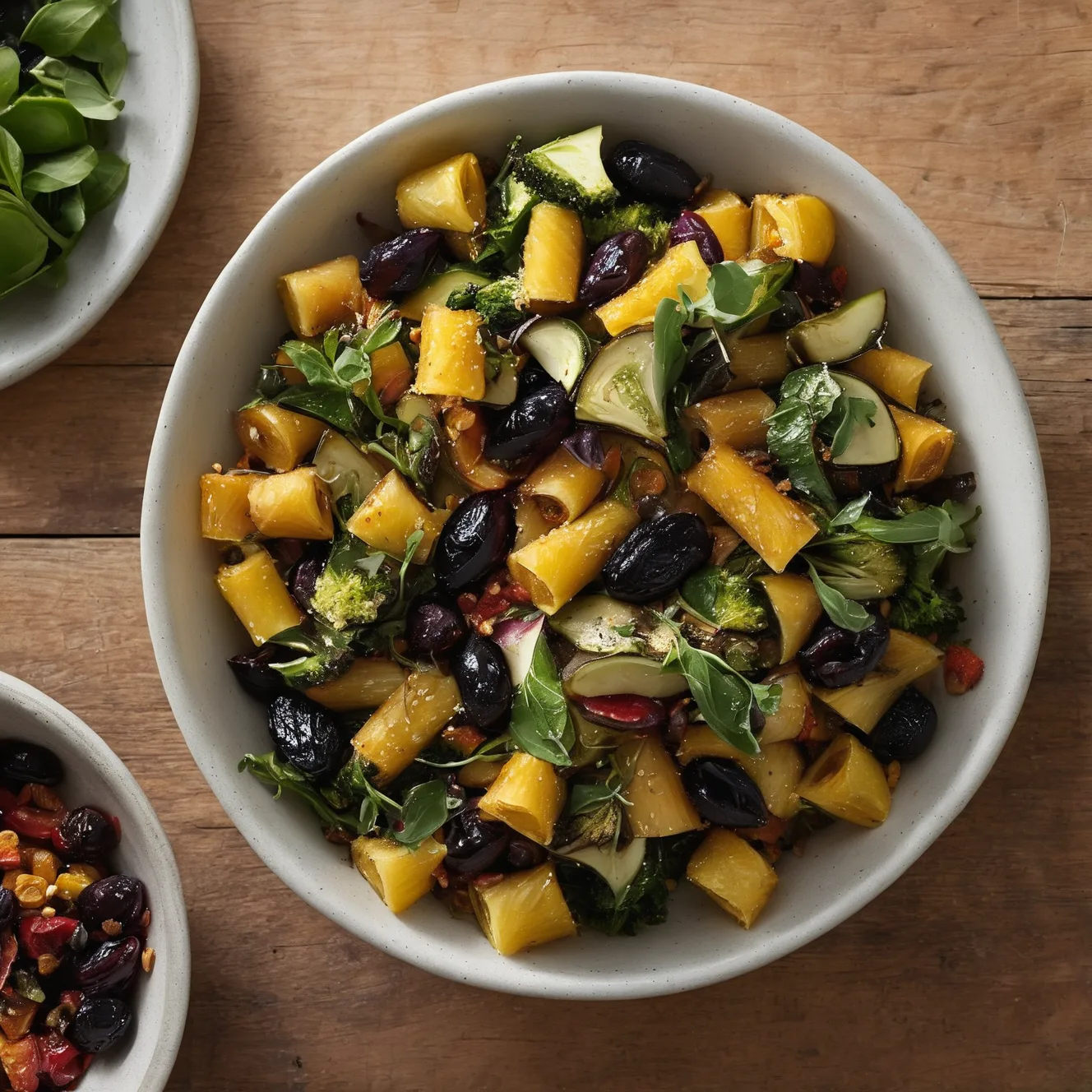
Quick answer: Cheesecake Factory Evelyn's Favorite Pasta is rigatoni hand-tossed with a roster of roasted and Mediterranean vegetables — broccoli, oven-dried tomato, zucchini, roasted eggplant, bell peppers, artichoke, kalamata olives, onion, and garlic — finished with olive oil and toasted pine nuts. There is no cream sauce and no meat: the 'sauce' is a light emulsion of olive oil, butter, and starchy pasta water that coats the pasta. It is the restaurant's signature vegetarian pasta, about $23 for a dinner portion at roughly 1,270 calories (about 940 at lunch), and it is easily made vegan by using olive oil instead of butter and skipping the Parmesan. Note: some locations now serve an updated version built on penne with a light cheese sauce, but the classic — and the one worth recreating at home — is the olive-oil-tossed rigatoni described here. The dish is named after Evelyn Overton, founder David Overton's mother, whose homemade cheesecakes launched the entire chain. The home version costs about $4–6 per serving.

Copycat Cheesecake Factory Evelyn's Favorite Pasta

Make Cheesecake Factory's Evelyn's Favorite Pasta at home — rigatoni tossed with roasted eggplant, broccoli, zucchini, artichoke, oven-dried tomatoes, kalamata olives, and toasted pine nuts in a light olive oil and garlic finish. The restaurant's best vegetarian pasta.

Medium Prep: 20 min (plus 2 hr for oven-dried tomatoes) Cook: 40 min Total: 3h 0m4 servings ~$4.50/serving
Prep20 min (plus 2 hr for oven-dried tomatoes)
Cook40 min
Total3h 0m
Servings
4
At home~$4.50/serving
vs
Restaurant~$20.25/serving
You save ~78%

Ingredients

Instructions

💡
Pro tip: This recipe tastes even better the next day. The flavors need time to meld together in the fridge.
❄️
Storage: Keeps in an airtight container in the fridge for up to 2 weeks. Freezer-friendly for up to 3 months.
~350-550 cal/serving · Rich & Indulgent🔥

The Story Behind the Recipe

Copycat Cheesecake Factory Evelyn’s Favorite Pasta

Prep time: 20 min (plus 2 hr for oven-dried tomatoes) Cook time: 40 min Servings: 4

Cheesecake Factory’s Evelyn’s Favorite Pasta is the restaurant’s signature vegetarian pasta: rigatoni tossed with broccoli, oven-dried tomato, zucchini, roasted eggplant, bell peppers, artichoke, kalamata olives, onion, and garlic, finished with olive oil and toasted pine nuts. That is the exact roster the restaurant’s own menu lists. There is no cream sauce and no meat — the vegetables and a light olive-oil-and-pasta-water emulsion carry the whole dish, which makes it one of the most vegetable-forward plates on the entire CF menu.

One clarification worth making, because copycat recipes online get it wrong constantly: a handful of locations now serve an updated version built on penne with a light cheese sauce. This recipe recreates the classic — the olive-oil-tossed rigatoni that matches the standard menu description above. It’s the version most people mean when they search for it, and the one worth the effort at home.

The dish is named after Evelyn Overton, David Overton’s mother, who baked the cheesecakes that launched the entire chain out of a home kitchen in Detroit in the 1950s. It is essentially a pasta primavera — an American-Italian concept that was at the height of its popularity right when the Cheesecake Factory was getting started in the late 1970s. The restaurant charges about $23 for a dinner portion at roughly 1,270 calories (prices vary by location).

Two things most home versions miss. The first is properly roasting the eggplant before the pasta ever starts — high heat, sheet pan, 25 minutes, until the edges are golden-brown. The second is using actual oven-dried tomatoes: cherry tomatoes slow-roasted at 275°F for two-plus hours until concentrated and jammy, not the leathery commercial sun-dried variety. Both steps can be done the day before, which makes the main assembly no harder than a standard pasta dinner.

TL;DR

Oven-dry tomatoes 2 hr at 275°F → roast eggplant 25 min at 425°F → toast pine nuts → sauté onion + garlic + zucchini + pepper + broccoli + asparagus → add artichokes + eggplant + tomatoes + olives + butter → toss with rigatoni + pasta water → top with pine nuts + basil + Parmesan. Active time is about 40 minutes once the tomatoes and eggplant are done.

Why Evelyn’s Favorite Pasta Is Different from the CF Pasta Cluster

Most Cheesecake Factory pastas — Pasta Da Vinci, Pasta Carbonara, Louisiana Chicken Pasta — are built on cream sauces where the sauce itself is the architectural center of the dish. Evelyn’s Favorite works in the opposite direction: the vegetables carry the weight, and the olive oil and pasta water merely emulsify into a light coating that ties everything together. It is less rich, more textural, and more dependent on individual component quality.

This means every vegetable needs to be cooked correctly on its own terms. The broccoli should be bright green and just tender, not olive-drab and soft. The zucchini should have slight resistance, not be waterlogged. The eggplant should have crispy-edged cubes with creamy interiors, not greasy mush. In a cream sauce, slightly imperfect vegetables disappear into the liquid. Here they are the main attraction.

The Four Cheese Pasta is the other meatless CF pasta and sits at the opposite extreme: rich, dairy-forward, very straightforward to make. Evelyn’s Favorite is the one you want when the table has a mix of vegetarians and non-vegetarians and you need something that tastes like an actual full meal rather than a side dish.

The Eggplant Problem in Copycat Recipes

Most Evelyn’s Favorite copycat recipes instruct you to cut the eggplant and add it directly to the sauté pan. This is the wrong technique, and it produces predictably bad results.

Eggplant has an unusually high water content and a sponge-like cell structure. When raw eggplant hits a hot oiled pan, it immediately absorbs the fat from the pan surface, then releases a large amount of water as it cooks, which steam-cooks the eggplant rather than browning it. You end up with oil-soaked, slightly bitter, mushy eggplant that adds texture problems to the final dish rather than character.

Roasting solves all of this. A 425°F oven on a dry, uncrowded baking sheet dehydrates the surface of each cube quickly, triggering Maillard browning before the interior fully collapses. You use 3 tablespoons of olive oil for the whole batch rather than continuously replenishing a pan that keeps absorbing more. The result is caramelized edges and a creamy (not mushy) center — the same eggplant piece tastes completely different depending on which technique you use.

One more thing: don’t crowd the eggplant on the baking sheet. A single layer with space between pieces is mandatory. Crowded eggplant steams instead of roasts, and you get the same mushy result as the sauté pan.

Oven-Dried vs. Sun-Dried vs. Oil-Packed

Cheesecake Factory’s current menu description specifies “oven-dried tomato,” which is a meaningful distinction.

Commercial sun-dried tomatoes are fully dehydrated until they’re leathery strips with concentrated, almost sharp acidity. They add flavor but their texture can feel out of place in a pasta with this many delicate vegetable components.

Oven-dried tomatoes are slow-roasted at a low temperature (this recipe uses 275°F) until they lose most of their moisture and concentrate their sugars into a jammy, intensely sweet-tomatoey piece that still holds its shape and has a soft, tender bite. They taste like the platonic ideal of tomato flavor — brighter, sweeter, and less acidic than sun-dried.

The tradeoff is time: they take 2 to 2.5 hours. The solution is to make them the day before — they store in olive oil in the refrigerator for up to a week and actually improve overnight as the olive oil absorbs the tomato flavor.

If you don’t have time, oil-packed sun-dried tomatoes from a jar are a workable substitute. Rinse them briefly to cut the acidity, pat them dry, and cut into smaller pieces. They will make a good dish; just not an identical one.

The Pine Nut Step Most Recipes Rush

Pine nuts are 70% fat, which is why they toast so quickly and why they scorch from golden to burned in under a minute if you stop watching. Every recipe says “toast the pine nuts until golden” and yet burned pine nuts are one of the most common recipe mistakes.

Use a small dry skillet over medium-low heat. Stir constantly. The moment the first ones start to show color, 30 seconds later they’re all done. Pull them off the heat immediately and transfer to a plate — the residual heat of the pan keeps cooking them even after you turn off the burner.

Toast them separately from everything else, and add them as a garnish at the very end, not cooked into the pasta. They add a mild, buttery crunch when left whole on top of each serving. Mixed into the pasta and tossed, they soften and lose their point entirely.

The “Sauce” Is Pasta Water Emulsification

There is no sauce in this dish the way there is a sauce in an Alfredo or a Pasta Da Vinci. What holds everything together is an emulsion of olive oil, butter, and starchy pasta water — which is why reserving that pasta water before draining is not optional.

The starch in pasta cooking water acts as a natural thickener and emulsifier. When added a few tablespoons at a time to the hot skillet of oil and vegetables, it helps the fat and water combine into a glossy liquid that lightly coats each piece of rigatoni without making it wet. Add too much and the dish is watery; add too little and each piece of pasta is slick with separate oil rather than coated with an emulsion.

The visual test: when you hold a rigatoni piece up, the coating should look slightly glossy and cling, not bead up and run off. This comes from the right amount of pasta water worked in over medium heat while everything is moving.

What to Serve With It

Evelyn’s Favorite is a complete meal on its own. A simple tomato-cucumber salad with a lemon vinaigrette works well as a starter. If you want bread, the Cheesecake Factory Brown Bread pairs naturally with the Mediterranean vegetable flavors.

Because the dish is vegetarian, it works well at tables with mixed dietary preferences alongside something like the Louisiana Chicken Pasta — one bowl covers carnivores, one bowl covers vegetarians, and the flavors are different enough that the meal doesn’t feel repetitive.

Storage and Reheating

Oil-based pasta holds better in the refrigerator than cream-based pasta — no sauce to break or seize up. Refrigerate in an airtight container for up to 3 days. To reheat, add a splash of water (2 tablespoons per serving) and warm in a skillet over medium heat, tossing until the liquid absorbs and the pasta is heated through. The microwave works in a pinch; the skillet gives better texture. The eggplant softens further on reheating, which is fine — it becomes more of a sauce component.

Add the toasted pine nuts fresh when reheating, not before storage. Stored pine nuts soften and lose their texture advantage over the vegetables.
Nutrition Facts

Per serving (4 servings)
Calories550
Total Fat24g
Total Carbs72g
Dietary Fiber9g
Sugars10g
Protein14g
Sodium680mg

* Estimated values based on standard recipe preparation. Actual values may vary.

🥗

Make It Healthier

Love Cheesecake Factory Evelyn's Favorite Pasta but want a lighter version? Try these simple swaps:

  • Reduce olive oil in the main sauté to 2 tablespoons and add pasta water more freely — saves 120 calories per serving with almost no impact on flavor
  • Add 1 can of drained white beans (cannellini) with the artichokes for 8g extra protein per serving without meat
  • Skip the pine nuts and use 2 tablespoons of toasted breadcrumbs instead — similar texture at a fraction of the calories and cost

Equipment You'll Need

Large wide skillet or sauté pan (12-inch)

Wide enough to toss the full batch of rigatoni and vegetables without everything piling up; higher sides help when folding the pasta in

Two rimmed baking sheets

One for the oven-dried tomatoes (low and slow) and one for the eggplant (high heat) — don't crowd either or they steam instead of roast

Small dry skillet

For toasting the pine nuts; a dedicated small pan lets you watch them closely and pull them the instant they're golden

Frequently Asked Questions

What is Cheesecake Factory Evelyn's Favorite Pasta?

Evelyn's Favorite Pasta is rigatoni tossed with a roster of Mediterranean vegetables — broccoli, oven-dried tomato, zucchini, roasted eggplant, bell peppers, artichoke hearts, kalamata olives, onion, and garlic — finished with olive oil, butter, fresh herbs, and toasted pine nuts. There is no cream sauce; the 'sauce' is an emulsion of olive oil, butter, pasta water, and the vegetables' own juices. It is the most vegetable-forward pasta on the CF menu (the Four Cheese Pasta is the other meatless option) and can be made vegan by swapping the butter for more olive oil and omitting the Parmesan. The dish is named after Evelyn Overton, mother of Cheesecake Factory founder David Overton.

What pasta shape does Cheesecake Factory use for Evelyn's Favorite?

Rigatoni — the restaurant's own menu describes it as rigatoni tossed with the list of vegetables. Rigatoni's wide ridged tubes catch the olive oil, garlic, and vegetable juices in both the hollow center and along the exterior, which matters more in an oil-based dish than in a cream sauce where the liquid fills in regardless. Penne is the closest substitute if you can't find rigatoni; ziti works too. Avoid long noodle shapes like fettuccine or linguine — the chunky roasted vegetables don't cling well to them. Note that some locations now serve an updated version of the dish on penne with a light cheese sauce; if that's the one you had, use penne and finish with a splash of cream and extra Parmesan instead of the olive-oil toss.

What are oven-dried tomatoes and how are they different from sun-dried?

Oven-dried tomatoes are cherry or plum tomatoes slow-roasted at a low temperature (275°F) for 2 to 2.5 hours until they lose most of their moisture and their sugars concentrate, but remain tender and slightly jammy — not leathery. Commercial sun-dried tomatoes are fully dehydrated and either sold dry (very chewy, need soaking) or packed in oil (softer, but with a sharper, more acidic flavor). Oven-dried tomatoes are sweeter, fresher-tasting, and more similar to what the restaurant uses. You can make them a day ahead; they store in olive oil in the refrigerator for up to a week. Oil-packed sun-dried tomatoes from a jar are an acceptable shortcut — rinse them to reduce acidity and pat dry before using.

Why roast the eggplant instead of sautéing it?

Eggplant has a sponge-like cell structure that immediately absorbs fat when it hits a hot pan — sautéing in oil gives you oil-soaked, mushy eggplant that adds greasiness without texture. Roasting at high heat (425°F) on a sheet pan works differently: the oven's dry heat quickly evaporates the eggplant's surface moisture and triggers Maillard browning at the edges before the interior collapses. The result is pieces with slightly caramelized, almost crispy edges and a creamy (not mushy) center. You use less oil because you toss the cubes before roasting rather than continuously adding oil to a pan. Always cut the eggplant into 1-inch cubes so the surface-to-interior ratio gives you good browning before the inside overcooks.

Can I add protein to make it a heartier meal?

Yes. The dish is designed as vegetarian, but grilled or pan-seared chicken breast (sliced and added at the end) is the most common addition. Sautéed shrimp works well too — cook them in the same skillet after the vegetables and remove before tossing the pasta, then return them at the final toss. If you're keeping it plant-based, canned white beans (drained, added with the artichokes) add protein without meat; roasted chickpeas added as a topping stay crispy and add texture.

Is Evelyn's Favorite Pasta vegan?

The restaurant version is vegetarian but not vegan — it uses butter and likely finishes with Parmesan. The home version is easy to make vegan: replace the butter with an additional tablespoon of good olive oil, skip the Parmesan garnish (or use a plant-based alternative), and confirm your pasta is egg-free (most dried rigatoni is, but check the label). All the vegetables and the preparation technique are naturally vegan.

Who is Evelyn Overton?

Evelyn Overton was David Overton's mother — the woman whose cheesecake recipes started the entire Cheesecake Factory chain. In the 1940s and 1950s she was making cheesecakes at home using a recipe she found in a newspaper; they became popular enough that she started selling them. By 1972, she and her husband Oscar had a small factory in Los Angeles delivering cheesecakes to restaurants. David Overton opened the first Cheesecake Factory restaurant in Beverly Hills in 1978 using his mother's cheesecakes as the anchor. Naming a pasta after her is a nod to the founder's family origins — appropriately, the dish is a riff on pasta primavera, a 1970s American-Italian classic that would have been fashionable right when the restaurant was starting.

How many calories are in Cheesecake Factory Evelyn's Favorite Pasta?

The restaurant dinner portion is approximately 1,270 calories, 75g fat (27g saturated), 29g protein, and 122g carbohydrates. The lunch portion is approximately 940 calories. This is a large restaurant portion sized for one hungry diner or two moderate eaters. At home, this recipe portions to 4 servings at approximately 550 calories each — significantly lighter because home portions are smaller and the oil-to-pasta ratio is more restrained than the restaurant's. The main calorie drivers are the olive oil, butter, and pine nuts, all of which deliver healthy unsaturated fats.

Love this recipe? Share it!

Shop the tools

Gear matched to this recipe's equipment list. We may earn a small commission if you buy through these links — at no extra cost to you.

As an Amazon Associate, Copycat Spices earns from qualifying purchases.

Free PDF: our 12 most-wanted copycat recipes — instant download.

Ratings & Reviews

No ratings yet

Rate this recipe

Click a star to rate

Leave a Review

0/500

CS

Copycat Spices Test Kitchen

Every recipe on Copycat Spices is developed and tested in our home test kitchen. We reverse-engineer beloved restaurant dishes and refine each one until the flavors and the instructions work reliably for home cooks of all skill levels.

Learn more about our mission →