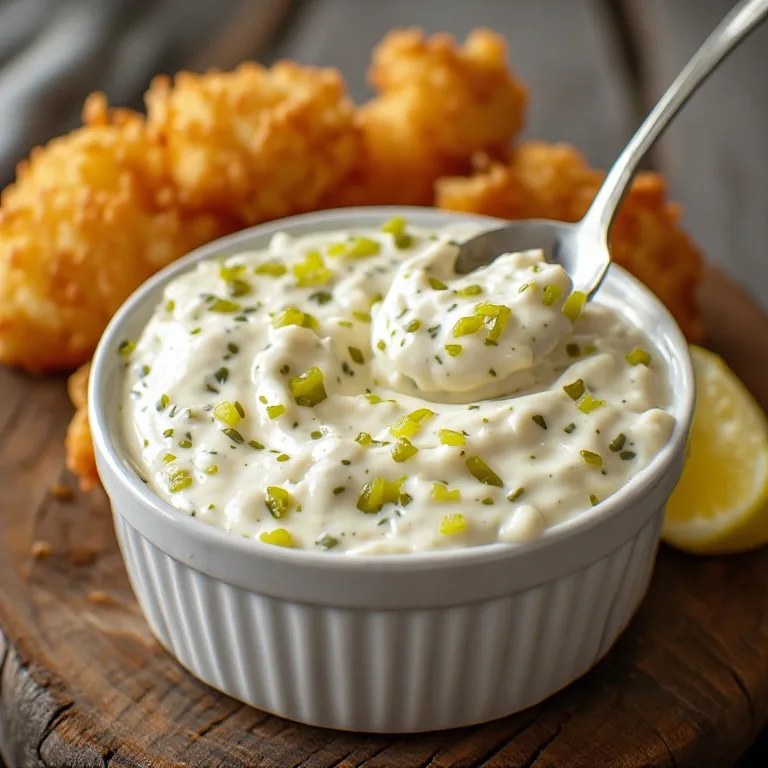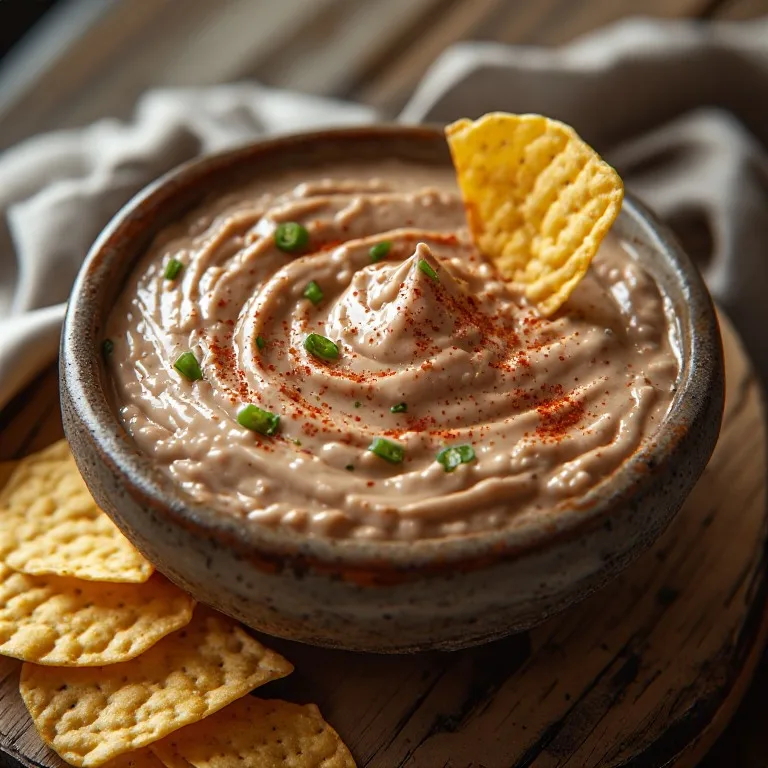

Copycat Chuy’s Creamy Jalapeño Sauce
Prep time: 5 min
Cook time: 0 min
Servings: 8 (about 2 cups)
The short version: Blend 1 cup sour cream, 1 cup mayo, a full 1-ounce dry Hidden Valley Ranch packet, ½ cup drained pickled jalapeños, 2–3 tbsp tomatillo salsa, ½ cup cilantro, 2 garlic cloves, 2 tbsp lime juice, and ¼ cup buttermilk until smooth, then chill 30 minutes. Two details make or break it — use the dry Ranch powder (not bottled dressing) and pickled jalapeños (not fresh). Total: 5 minutes active, about $4 for a 2-cup batch.
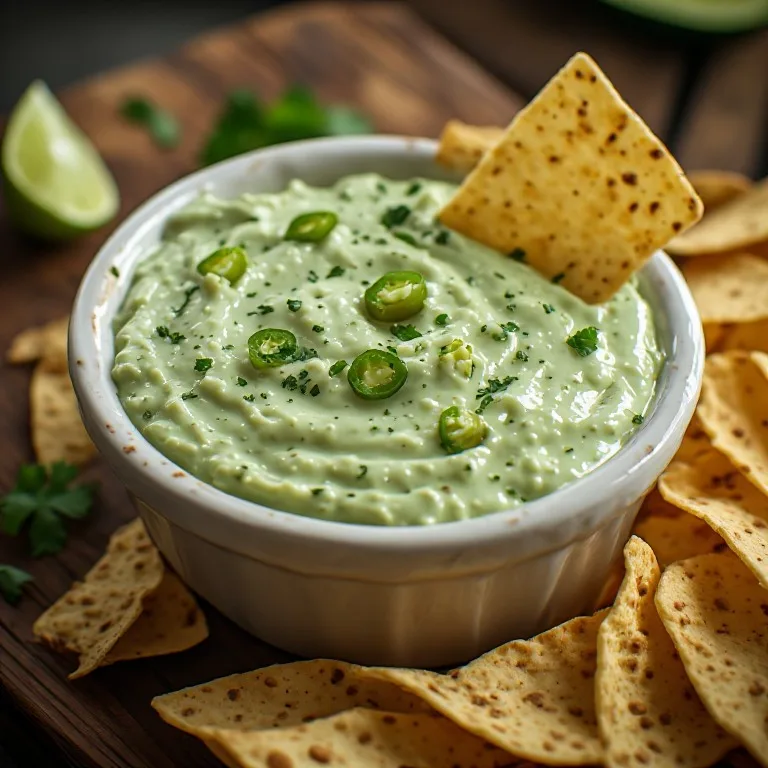
Chuy’s Creamy Jalapeño Sauce is the green dip that arrives free at every table before you order anything. It looks like a jalapeño ranch hybrid, and it is — but the recipe has a few specific details that most copycat versions get wrong, and getting them right is the difference between a good jalapeño dip and the one people drive to Austin for.
The sauce serves as more than a chip dip at Chuy’s. It’s the sauce under their green chile enchiladas, a taco topping, and a drizzle for grilled chicken. At home, it does all of those things and more.
The Two Details Most Copies Get Wrong
1. Use the dry Ranch seasoning packet, not bottled Ranch dressing
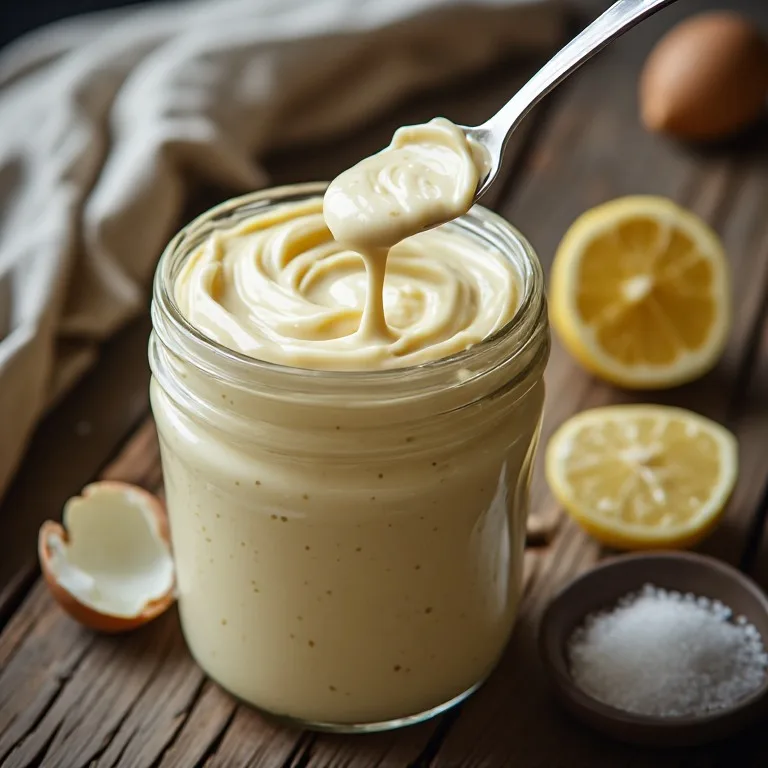
Bottled Ranch is 70% liquid base — oil, buttermilk, vinegar. When you blend it into sour cream and mayonnaise, you’re diluting the dairy with more liquid, and the sauce turns loose and thin. The texture never quite recovers.
The dry Hidden Valley Ranch packet provides the ranch flavor profile — dill, parsley, onion powder, garlic powder, chives — without any liquid. Your sour cream and mayo control the body of the sauce. One packet per batch is the right ratio; it’s salty enough that you usually don’t need to add any extra salt at the end.
2. Pickled jalapeños, not fresh
Fresh jalapeños make a greener, more vegetal sauce. They’re also harsher in heat — one bad pepper can make the whole batch fiery. Pickled jalapeños are softer, more consistent, and have a vinegar brine that cuts through the sour cream and mayonnaise in a way fresh peppers can’t. That acidity is what keeps the sauce from feeling heavy despite its creamy base.
The third key ingredient — tomatillo salsa — is less obvious but still important. Even 2 tablespoons adds an earthy, slightly tangy depth that separates Chuy’s flavor from a generic jalapeño ranch. Herdez Salsa Verde is the most widely available brand, and it’s inexpensive.
How to Use the Sauce (Beyond Chips)
Chuy’s uses the same sauce in three ways on their menu:
As an enchilada sauce: Keep the sauce slightly thicker (less buttermilk), pour it generously over rolled enchiladas in a baking dish, top with shredded Monterey Jack, and bake at 375°F for 20 minutes until bubbly. This is exactly how Chuy’s plates their green chile enchiladas.
As a taco drizzle: Drizzle it over fish tacos, carnitas tacos, or grilled chicken tacos. The herbaceous, slightly tangy flavor works especially well with char-grilled proteins.
As a salad dressing: Add 2 to 3 extra tablespoons of buttermilk and use it as a dressing for a taco salad or southwest grain bowl. At that consistency it also works as a dipping sauce for quesadillas or a spread for wraps.
Tips for the Best Result
Make it at least a day ahead. Like most blended herb sauces, the flavor improves noticeably after 8 to 12 hours in the refrigerator. The freshly-blended version tastes bright and slightly raw — overnight, the garlic mellows, the Ranch integrates, and everything rounds into the cohesive sauce you remember from the restaurant.
Adjust heat with the jalapeño juice. If you want more heat without more jalapeño chunks in the final sauce, add a tablespoon or two of the brine from the pickle jar. It adds tang and a slow-building heat without changing the texture.
Start with less garlic. Two cloves is the right amount, but raw garlic is potent and gets stronger as the sauce chills. If you’re sensitive to garlic, start with one clove and taste after 30 minutes before adding more.
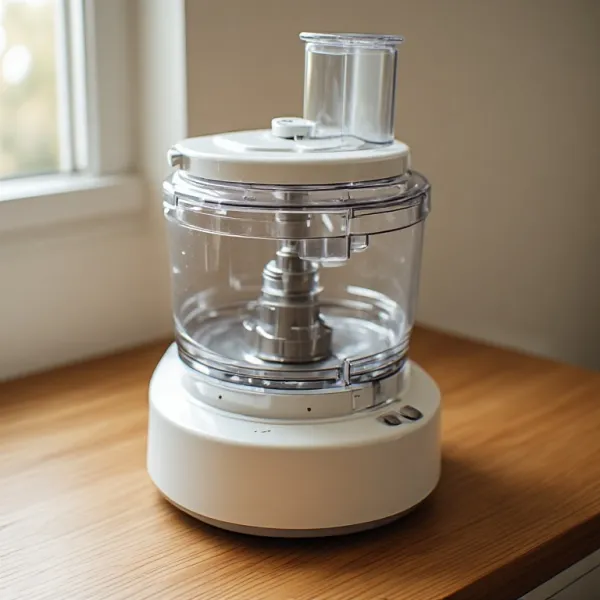
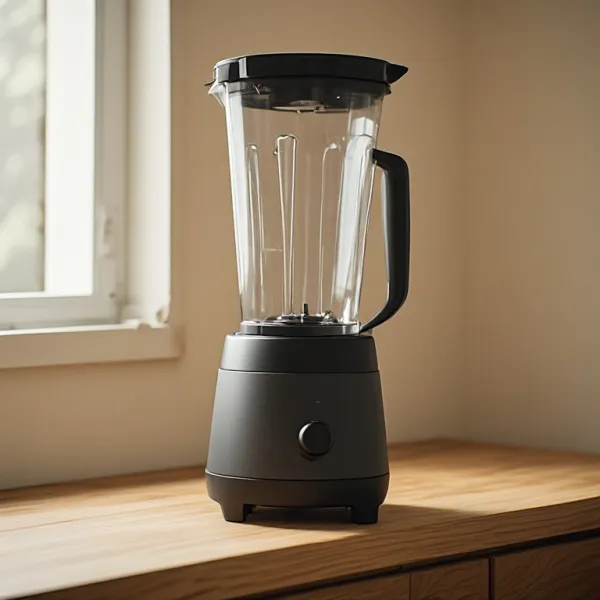
A food processor gives a slightly thicker texture. Both blenders and food processors work, but a food processor tends to leave the sauce slightly more body — closer to a thick dip. A high-speed blender produces a thinner, more uniform texture. Both are correct; it depends on how you’re using it.
What to Serve Alongside It
The sauce can anchor a full Tex-Mex spread at home. Copycat Chili’s Baby Back Ribs make a great main, and Copycat On the Border Chicken Enchiladas are a natural pairing with the sauce used as the topping. For a chip-and-dip spread, serve alongside Chipotle Guacamole — the creaminess of the jalapeño sauce and the richness of guacamole balance each other well.
Storage
The sauce keeps well in an airtight container in the refrigerator for up to one week. The color may deepen slightly from bright green to a muted olive tone — that’s the cilantro oxidizing, which does not affect the flavor. Stir before serving. The sauce does not freeze well; the sour cream and mayo separate on thawing.