
Pin It

On the Border Chicken Enchiladas

On the Border Chicken Enchiladas
Jump to Recipe
Prep 30 min Cook 40 min Serves 4
Quick answer: On the Border chicken enchiladas use dried ancho and guajillo chiles toasted and blended into a brick-red sauce — not canned tomato sauce. Shred chicken thighs simmered in seasoned broth, dip corn tortillas briefly in hot oil to prevent cracking, fill with chicken and cheese, roll, and line in a baking dish. Pour the red chile sauce generously over the top and inside each tortilla before rolling. Bake at 375°F for 20 to 25 minutes until the cheese is bubbling and the edges are lightly browned. The from-scratch sauce is the whole dish — it takes 20 minutes and makes the enchiladas taste nothing like the canned-sauce version.

Shop the tools

Gear matched to this recipe. These are Amazon affiliate links — we may earn a small commission if you buy, at no extra cost to you.

As an Amazon Associate, Copycat Spices earns from qualifying purchases. Product images are generic illustrations, not the exact item listed.

On the Border Chicken Enchiladas

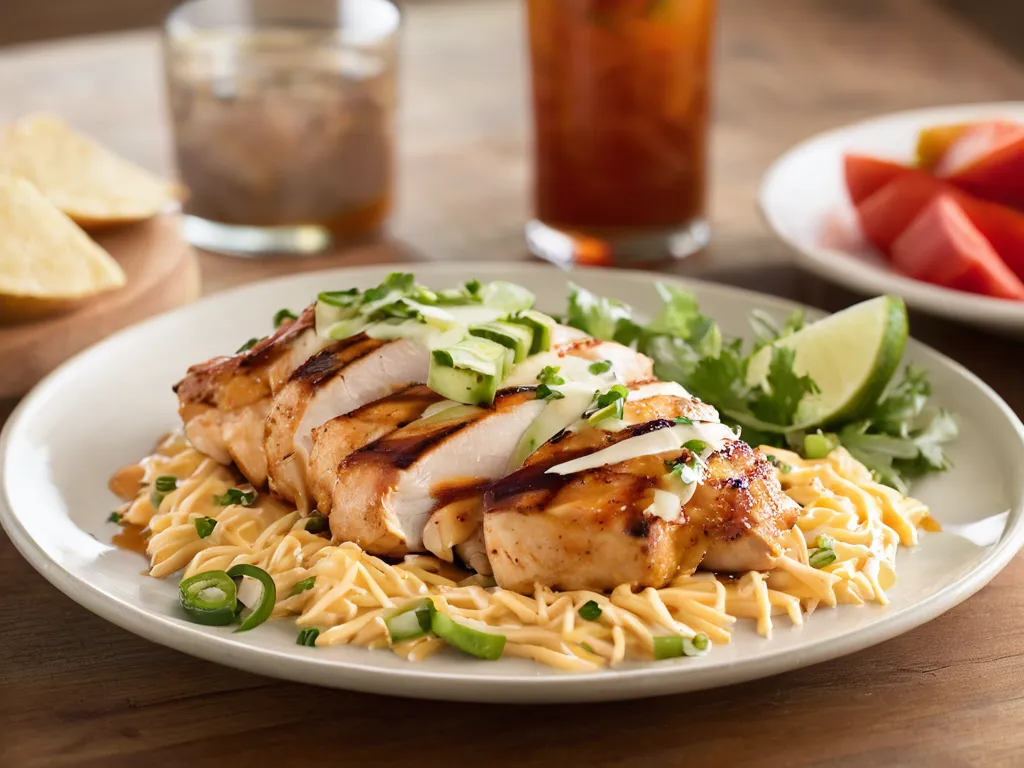
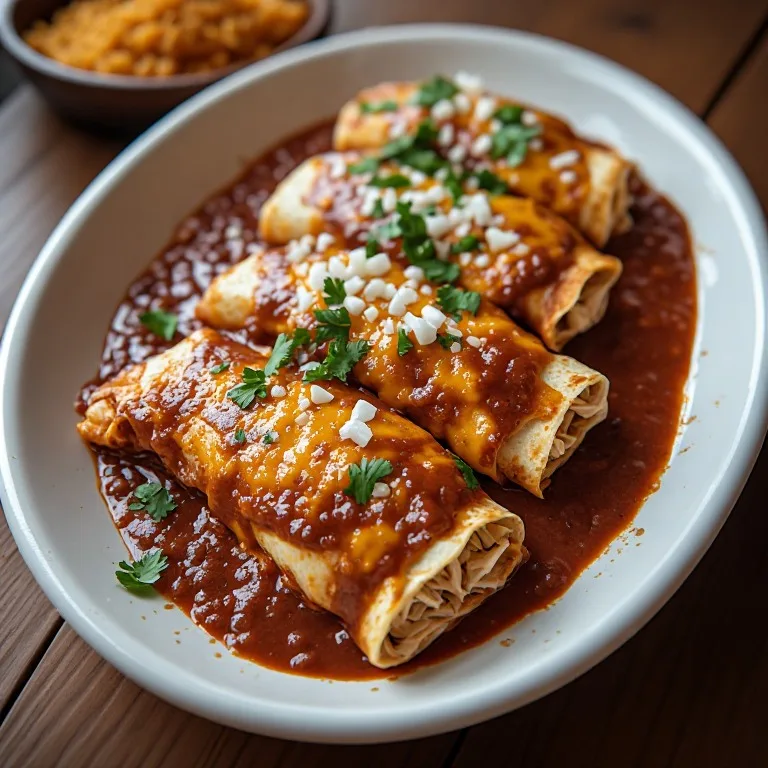
The exact On the Border chicken enchiladas copycat: shredded seasoned chicken rolled in lightly crisped corn tortillas, smothered in a from-scratch dried-chile sauce, and baked under a blanket of Monterey Jack and cheddar. About $3 per serving versus $14+ at the restaurant.

Medium Prep: 30 min Cook: 40 min Total: 1h 10m4 servings ~$4.50/serving
Prep30 min
Cook40 min
Total1h 10m
Servings
4
At home~$4.50/serving
vs
Restaurant~$20.25/serving
You save ~78%

The Story Behind the Recipe

On the Border opened its first location in a converted Victorian house in Dallas, Texas in 1982 — the restaurant was built around the flavors of the Tex-Mex border region, specifically the enchilada tradition of northern Mexico and South Texas, where corn tortillas are rolled around seasoned chicken and smothered in a dried-chile sauce coaxed into something deeply savory through toasting and long simmering. By the late 1990s the chain had expanded across the country, and their chicken enchiladas became one of the most-searched sit-down-chain copycat recipes in American food media — ahead of flashier contenders like the Cheesecake Factory's avocado egg rolls or Olive Garden's breadsticks. What people wanted most was deceptively humble: three rolled enchiladas on a plate.

The reason people keep searching is that the sauce is genuinely hard to replicate without knowing the right method. Most home versions shortcut with canned tomato sauce or pure chili powder, and the result tastes thin and one-dimensional. The real version starts with dried whole chiles — anchos for fruity depth and guajillos for brick-red color and moderate heat — that are dry-toasted in a hot skillet, rehydrated in hot water, then blended smooth with garlic, onion, and chicken broth. Toasting transforms bitter raw chiles into something sweet, earthy, and faintly smoky. The other technique most home recipes skip: corn tortillas must be briefly dipped in hot oil before rolling. This prevents cracking during assembly and keeps the tortillas from absorbing too much sauce during baking — the exterior ends up saucy and tender while the interior stays intact.

Nutrition Facts

Per serving (4 servings)
Calories490
Total Fat20g
Total Carbs36g
Dietary Fiber5g
Sugars4g
Protein38g
Sodium980mg

* Estimated values based on standard recipe preparation. Actual values may vary.

Ingredients

  • For the red chile sauce
  • For the chicken filling
  • For assembly
  • For serving

Instructions

💡
Pro tip: This recipe tastes even better the next day. The flavors need time to meld together in the fridge.
❄️
Storage: Keeps in an airtight container in the fridge for up to 2 weeks. Freezer-friendly for up to 3 months.
🎃 Free Halloween cookbook — download now The Copycat Halloween Cookbook A ready-made, photo-illustrated PDF of our best halloween copycat recipes — free to download, no building required. Pay what you want to support if you love it.

Free PDF — instant download. We'll also send new seasonal copycat recipes now and then; unsubscribe anytime. Or just download it →

One of the most-searched sit-down-chain copycat recipes isn’t the Cheesecake Factory’s brown bread or Olive Garden’s breadsticks. It’s three rolled enchiladas on a plate — specifically, On the Border’s chicken enchiladas, smothered in a brick-red dried-chile sauce and buried under a blanket of melted Monterey Jack and cheddar.

People kept searching because the sauce is hard to get right without knowing the method.

Why the Sauce Is Everything

Most copycat recipes and most home versions of Tex-Mex enchiladas reach for canned red enchilada sauce or a slurry of chili powder and tomato paste. The result tastes thin and one-dimensional — you get hot and salty, but not the earthy, slightly fruity depth that On the Border’s version has.

The difference is starting with whole dried chiles instead of powder.

Dried ancho chiles (the dried form of the poblano) bring a dark, raisin-like sweetness. Dried guajillos add the brick-red color and a mild tartness. Toast them briefly in a dry skillet — 20 to 30 seconds per side — and they transform: the heat unlocks the natural oils and sugars, converting the raw bitter edge into something genuinely fragrant and complex. Rehydrate in hot water, blend smooth with garlic and broth, fry the sauce briefly in oil to deepen it. Twenty-five minutes total. This is what makes the recipe worth making.

The Other Step Most Recipes Skip

Dip the corn tortillas in hot oil before rolling. This is not optional.

Corn tortillas are brittle at room temperature and crack immediately under any stress. A brief dip in ¼ inch of hot oil — 5 to 8 seconds per side — softens them just enough to roll cleanly and keeps them from absorbing too much sauce during baking. The result is an enchilada with a saucy, tender exterior and a filling that stays intact rather than a wet, collapsed tube.

The microwave-in-a-damp-paper-towel method works as an alternative. But the oil dip is faster, and the tortillas stay pliable longer.

More Great Tex-Mex and Mexican-American Dishes
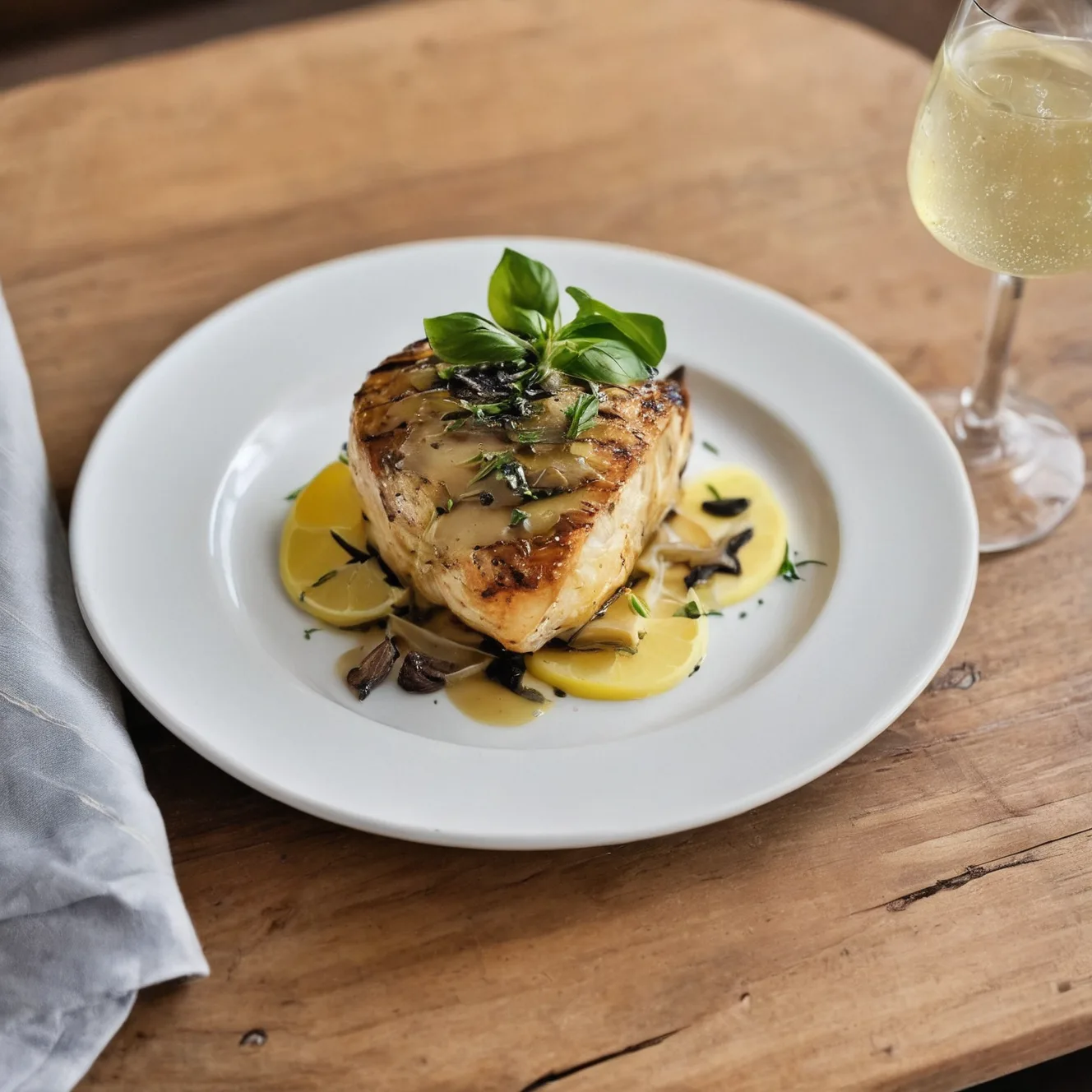
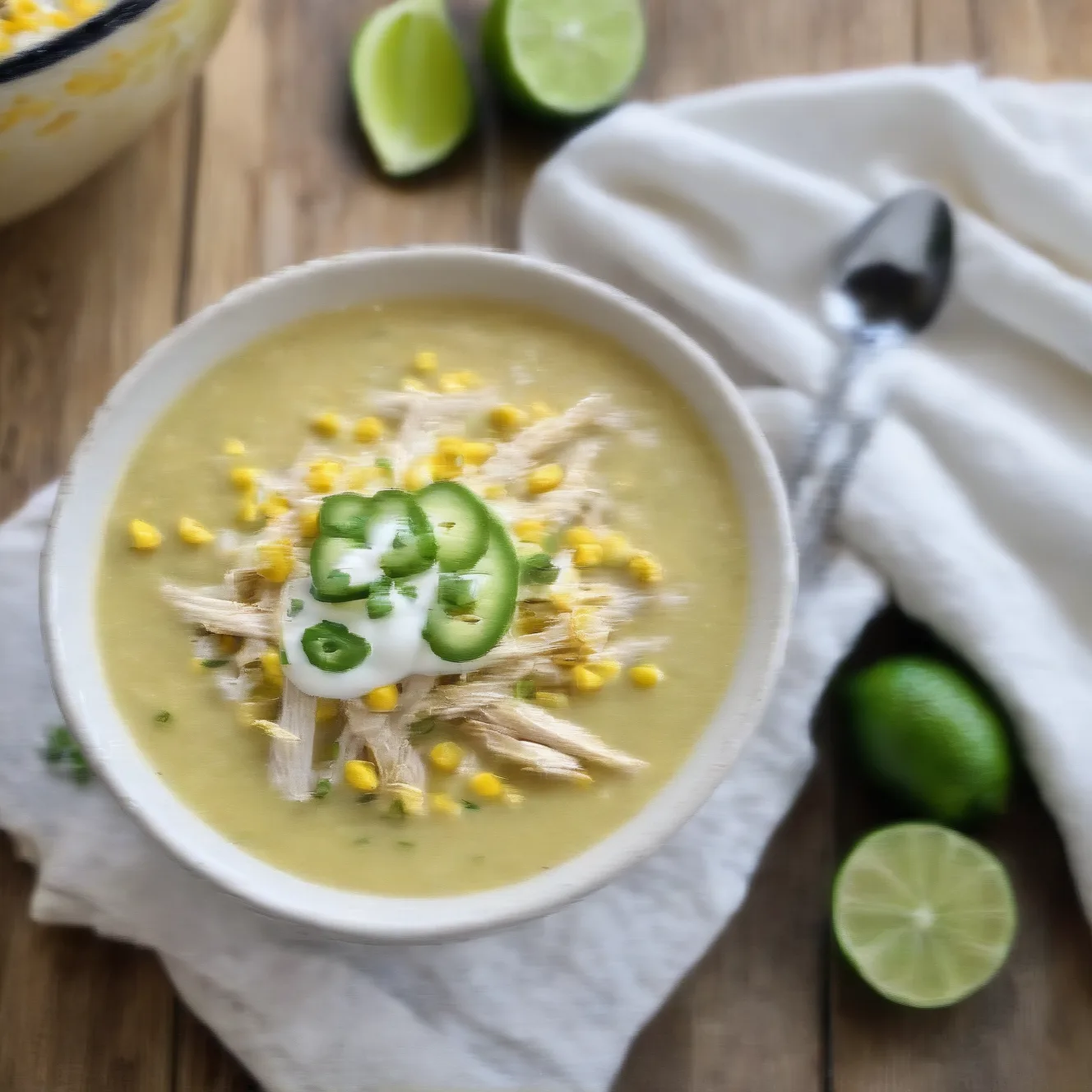
  • Chili’s Chicken Enchilada Soup — On the Border’s Tex-Mex neighbor in casual dining: Chili’s creamy red broth soup with pulled chicken, roasted corn, and black beans is one of the most-copied soups from any American chain
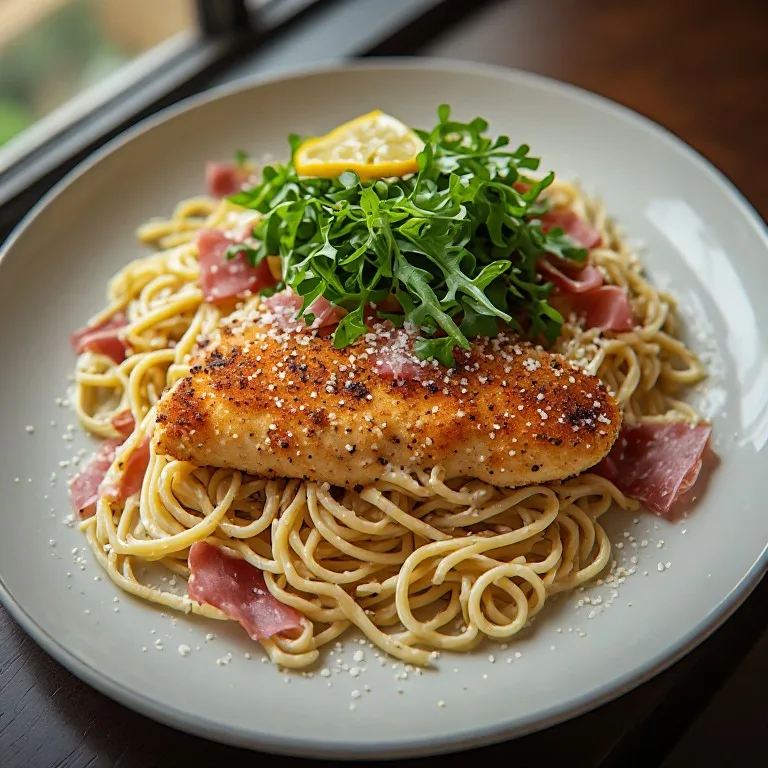
  • Carrabba’s Pollo Rosa Maria — another endlessly-searched casual-dining copycat, a prosciutto-and-fontina-stuffed chicken breast finished in a lemon-butter sauce
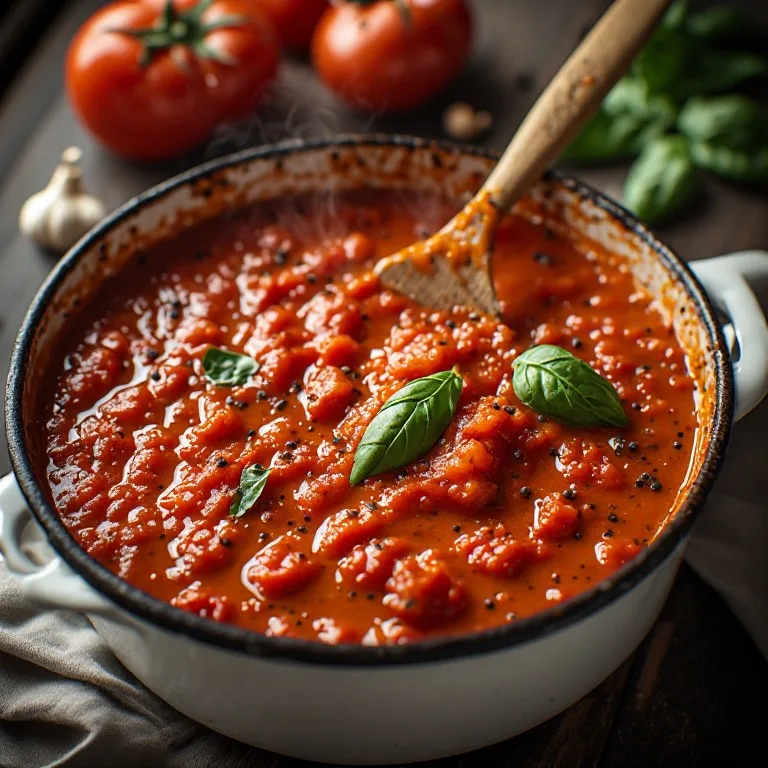
  • Rao’s Marinara Sauce — another “it’s only four ingredients but the technique is everything” sauce that people search obsessively to replicate at home
🥗

Make It Healthier

Love On the Border Chicken Enchiladas but want a lighter version? Try these simple swaps:

  • ✓Use chicken thighs over breasts — they stay moister after simmering and shredding, so you need less cheese to compensate for dry filling. Thighs also cost less.
  • ✓Make a double batch of the red chile sauce and freeze half in a zip-lock bag. It keeps three months frozen and reheats directly from frozen in a small saucepan — thaw time equals the time to heat the oven.
  • ✓Skip the deep-oil tortilla dip if reducing fat: instead, wrap the corn tortillas in a damp paper towel and microwave for 45 seconds. They won't be as pliable as oil-dipped, but they'll roll without cracking if you work immediately.
  • ✓Serve with a vinegared slaw instead of sour cream to cut richness — shredded cabbage, lime juice, salt, and a little jalapeño. It adds crunch and acid that the enchiladas genuinely benefit from.

Frequently Asked Questions

What's the difference between On the Border's enchilada sauce and canned enchilada sauce?

The starting ingredient. Canned red enchilada sauce is typically built from tomato purée or tomato paste with dried chili powder — it tastes primarily of tomato with spice. The On the Border-style sauce starts with whole dried ancho and guajillo chiles that are toasted and rehydrated. This process produces a sauce that's fruity, earthy, and mildly smoky with minimal tomato presence. The color is a deeper brick-red, and the chile flavor reads as a full, complex flavor rather than hot or sharp. The method takes 25 minutes; the difference on the plate is significant.

Can I use flour tortillas instead of corn?

Technically yes, but you'll get a very different result. Corn tortillas are the traditional and correct choice for enchiladas — their texture holds up to the sauce better and their flavor complements the dried chile sauce directly. Flour tortillas become gummy and starchy when baked under sauce, and they don't have the flavor contrast that makes corn tortillas work. If you must use flour, use small 6-inch flour tortillas and reduce the bake time by 5 minutes. But consider using corn — the texture difference after baking is dramatic.

Why do the corn tortillas crack when I roll them?

They weren't softened enough before rolling. Corn tortillas are brittle at room temperature and will crack under any stress. The fix is either hot oil (the correct method: 5 to 8 seconds per side in ¼ inch of hot oil) or a microwave (45 seconds in a damp paper towel). The oil method produces slightly more pliable tortillas with better flavor; the microwave method is faster and lower-fat. The important thing is to roll the tortillas while still warm — they stiffen quickly as they cool.

Can I make On the Border chicken enchiladas ahead?

Yes — they assemble well up to 24 hours ahead. Assemble fully, cover tightly with plastic wrap, and refrigerate. Remove the dish from the refrigerator 30 minutes before baking to take the chill off, then bake as directed (you may need an extra 5 minutes if starting from cold). The red chile sauce also keeps for 5 days refrigerated or 3 months frozen, making the meal much faster to assemble on a weeknight.

What kind of dried chiles are essential — can I substitute?

Ancho and guajillo are the right chiles and are worth seeking out (most well-stocked grocery stores carry them; Latin markets always do). Anchos are dried poblano peppers — mild, fruity, raisin-like. Guajillos are slightly thinner, more acidic, with better red color. You can use all anchos if guajillos aren't available, but the sauce will be slightly less vibrant. Do not substitute New Mexico chiles for guajillos — they're hotter and the flavor profile is different. Canned chipotle in adobo adds smoke but is a completely different sauce; don't use it here.

How do I know the enchiladas are done?

The cheese should be fully melted, bubbling at the dish's edges (not just on top), and showing a few light brown spots. The sauce at the perimeter will look slightly darker and thickened rather than runny. A 9×13 dish at 375°F typically hits this in 22 to 24 minutes. If the cheese is browning too fast on top before the sauce has thickened, tent the dish loosely with foil for the last 5 minutes.

What's the best cheese combination for these enchiladas?

Monterey Jack for melt (it goes stringy and bubbly) and sharp cheddar for flavor. On the Border uses a similar Monterey Jack and cheddar blend — the Monterey Jack provides that smooth, gooey pull and the cheddar contributes sharpness that the mild Jack lacks on its own. Do not use pre-shredded bagged cheese if you can avoid it — the anti-caking coating prevents it from melting as cleanly. Shred from a block. Chihuahua or Oaxacan cheese are great Mexican alternatives if you want to go more traditional.

Love this recipe? Share it!

Free PDF: our 12 most-wanted copycat recipes — instant download.

Made it? Buy us a coffee

Every recipe here is free, with no paywalls. If this one was a hit at your table, a small tip keeps new copycats coming.

$

On the Border is a trademark of its owner, used here only to describe the dish this recipe recreates. This is an independent copycat written in our own words — Copycat Spices is not affiliated with, endorsed by or sponsored by On the Border.

Ratings & Reviews

—
No ratings yet

Rate this recipe

Click a star to rate

Leave a Review

0/500

CS

Copycat Spices Editorial

Researched + fact-checked. Every recipe on Copycat Spices is built from published sources — official ingredient lists, brand-published recipes, interviews and food-science references — and fact-checked before it goes live, then written as clear, step-by-step instructions for home cooks of all skill levels.

Learn more about our mission →