Pin It

Copycat Domino's Parmesan Bread Bites

Copycat Domino's Parmesan Bread Bites
Jump to Recipe
Prep 15 min Cook 10 min Serves 4
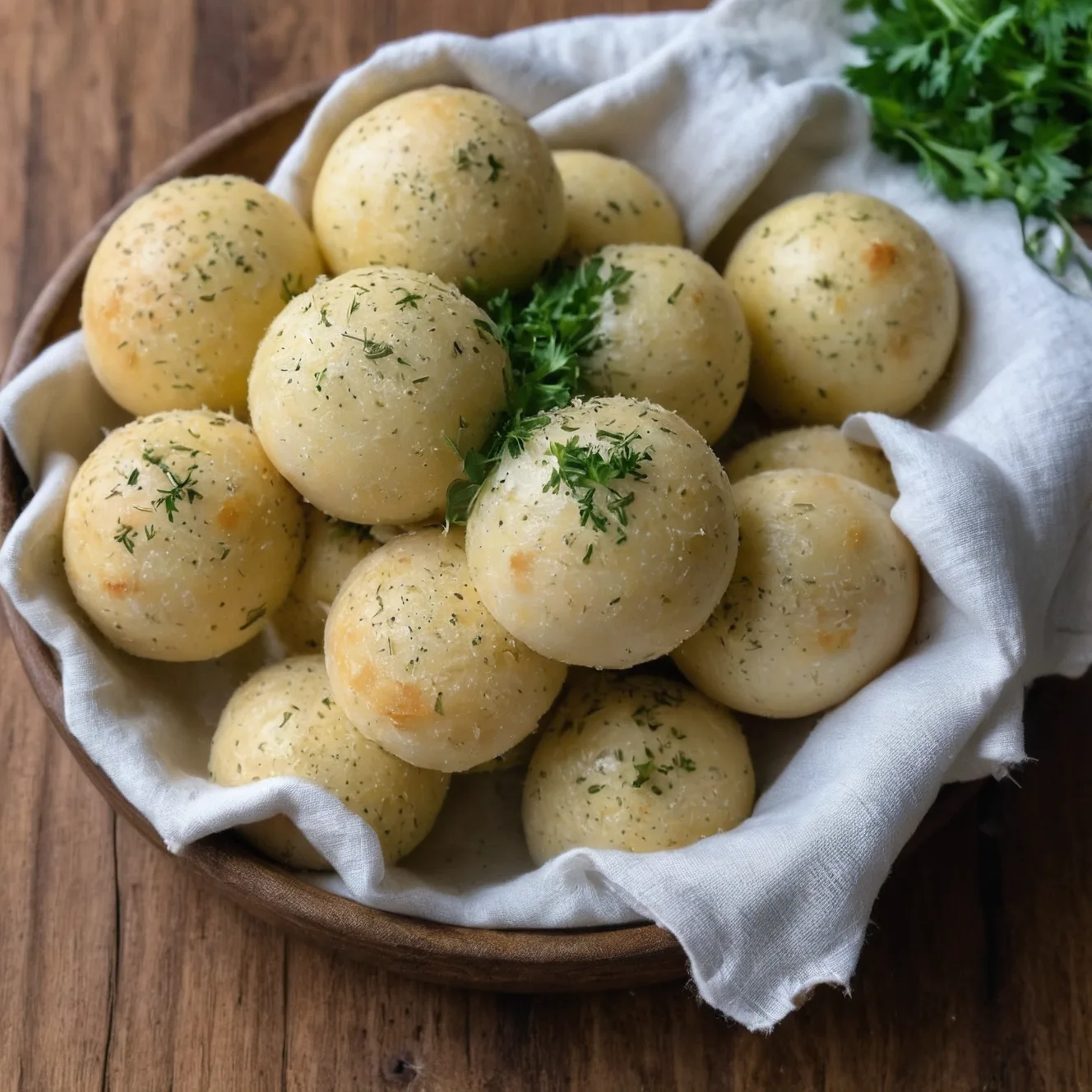
Quick answer: Domino's Parmesan Bread Bites are soft pizza-dough balls brushed with garlic butter, dusted with Parmesan, and baked until golden — the key technique is brushing twice with garlic butter (before baking and immediately after), which gives them the glossy, deeply savory coating the restaurant version has. Use 1 lb store-bought refrigerated pizza dough (bag-style, not canned), divide into 16 equal balls, rest 10 minutes, brush with garlic butter made by slow-infusing minced garlic in melted butter over low heat for 5–8 minutes, coat generously with finely grated Parmesan and dried parsley, bake at 475°F for 8–10 minutes until golden, then brush again immediately out of the oven with more garlic butter and a final Parmesan dusting. Serve with marinara for dipping. Total: 30 minutes, 16 bites, about $4–5 vs. ~$5–7 at Domino's.

Copycat Domino's Parmesan Bread Bites

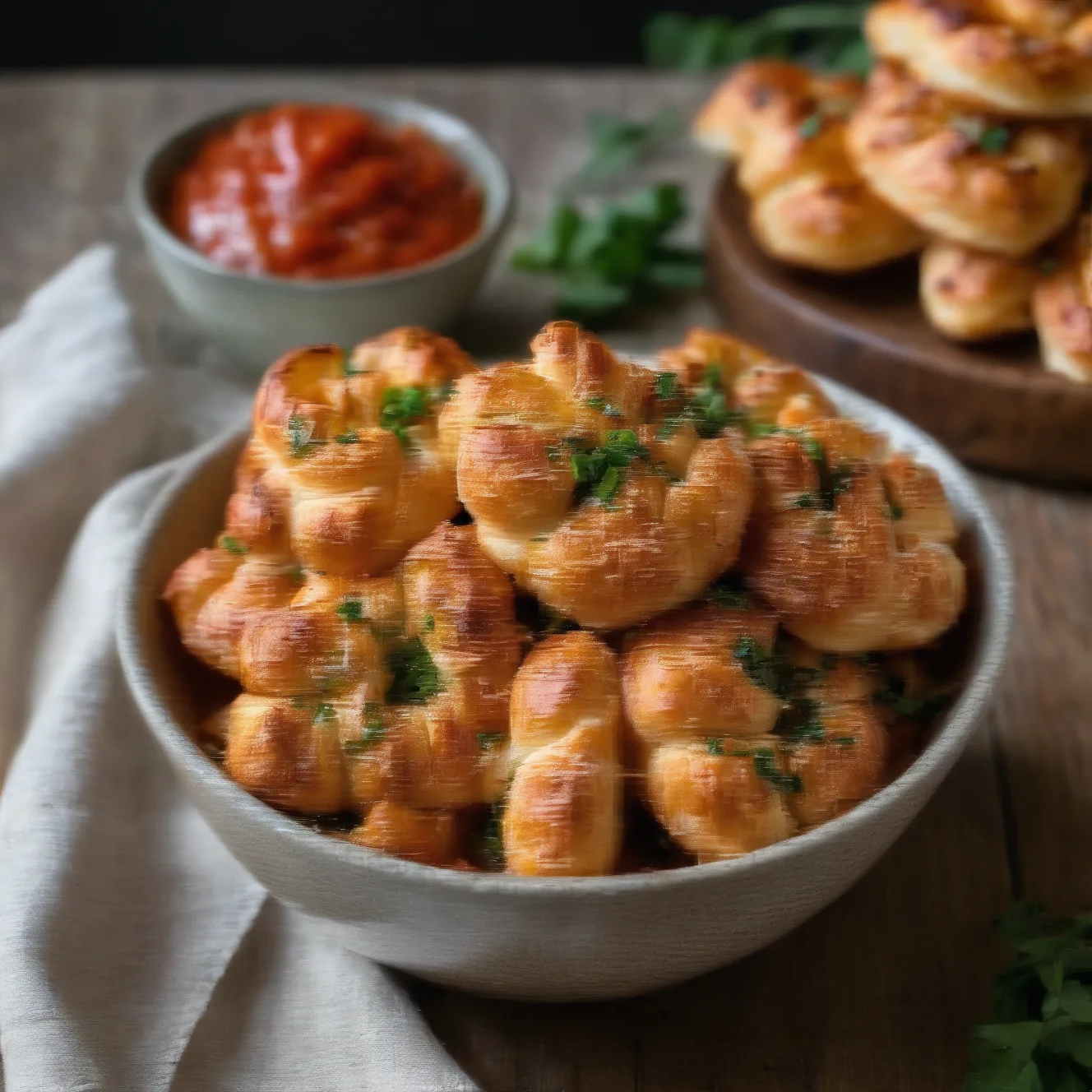
Soft, pillowy dough balls brushed twice with garlic butter and dusted with Parmesan — the double-butter method is what makes Domino's Parmesan Bread Bites taste like the real thing. 30 minutes, 16 bites, under $5.

Easy Prep: 15 min Cook: 10 min Total: 25 min4 servings ~$4.50/serving
Prep15 min
Cook10 min
Total25 min
Servings
4
At home~$4.50/serving
vs
Restaurant~$20.25/serving
You save ~78%

Ingredients

Instructions

💡
Pro tip: This recipe tastes even better the next day. The flavors need time to meld together in the fridge.
❄️
Storage: Keeps in an airtight container in the fridge for up to 2 weeks. Freezer-friendly for up to 3 months.
~250-450 cal/serving · Rich & Indulgent🔥

The Story Behind the Recipe

Copycat Domino’s Parmesan Bread Bites

Prep: 15 min | Rest: 10 min | Bake: 8–10 min | Makes: 16 bites (serves 4) | Cost: ~$4–5 vs. $5–7 at Domino’s

Domino’s Parmesan Bread Bites are one of those items that seems simple — soft bread balls covered in garlic butter and Parmesan — but most home versions miss the mark in the same way: one coating of garlic butter applied before baking, and that’s it. The restaurant version applies garlic butter twice, and the difference is immediately obvious. Once you know the double-butter method, you can’t unknow it.

TL;DR:

  • Store-bought pizza dough works perfectly; let it rest 10 minutes after shaping so the gluten relaxes
  • First garlic-butter brush + generous Parmesan coating before baking; second garlic-butter brush + Parmesan immediately out of the oven
  • 475°F for 8–10 minutes — higher than most recipes suggest, and it’s what creates the golden exterior with a soft center
  • Use finely grated Parmesan (canister or Microplane), not shredded — it adheres and browns properly
  • Serve immediately with marinara; they soften noticeably after 10 minutes as the crust absorbs the butter

What Makes These Different From Garlic Knots

Domino’s has both items on the menu, and they’re genuinely different — not just a shape variation. Garlic knots are strips of dough tied into knots, slightly chewy from the knotted structure. Parmesan Bread Bites are round, smooth balls — softer, more pillow-like, and with a heavier Parmesan presence.

The shape matters for the coating. A smooth ball has more uniform surface area and holds the Parmesan coating more evenly than a knotted dough with grooves and overlaps. The cheese browns into a thin crust across the whole surface instead of collecting in creases.

In September 2025, Domino’s added Garlic Bread Bites (same shape, garlic seasoning drizzle only, no Parmesan coating) and Cinnamon Bread Bites to the lineup — the Parmesan version remains the original and most popular. If you want the garlic-only version, simply skip the Parmesan coating in this recipe and use a slightly heavier garlic butter.

The site’s Domino’s garlic knots recipe and this bread bites recipe are worth making together for a spread — they’re different enough to serve both.


The Dough: Store-Bought vs. Homemade

Store-bought pizza dough is the practical choice and produces excellent results. Look for it in two places: the refrigerated section near biscuit tubes (Pillsbury brand, store brand equivalents) or as fresh dough balls at Trader Joe’s, Whole Foods, or your local pizza shop. Fresh dough balls from a pizza shop are often the best option — same quality as what goes on their pizzas, usually $1–2.

The only rule: bring refrigerated dough to room temperature before shaping. Cold dough is tense and resists rolling — it tears instead of stretching. Leave it on the counter for 15–20 minutes while you prep everything else.

Homemade dough works too. You don’t need a long-rise recipe for this; a 45-minute same-day dough produces good results. The advantage over store-bought is flavor depth — a simple olive oil and garlic dough echoes the garlic butter you’re coating with.


The Parmesan Coating: How It Actually Works

There are two Parmesan applications in this recipe:

Pre-bake Parmesan (6 tablespoons): Applied to buttered dough balls before baking. The butter acts as adhesive. In the oven at 475°F, the Parmesan’s fat content causes it to melt and fuse slightly with the dough surface, then the edges and peaks brown through the Maillard reaction. The result is a thin, slightly crisped Parmesan crust — not a melted cheese layer like on the cheesy bread, but a drier, more granular surface texture.

Post-bake Parmesan (2 tablespoons): Applied to the hot, freshly buttered surface right out of the oven. This Parmesan doesn’t melt and brown — it adheres to the butter and stays as a fresh, bright-tasting coating. It’s what you smell and taste first when you bite in.

The two applications do different things and neither can be skipped.


Why 475°F?

Most home copycat recipes suggest 375–425°F. That’s too low for this specific item. At lower temperatures:

  • The Parmesan softens but doesn’t crisp — it stays powdery and loose rather than forming a light crust on the surface
  • The dough puffs but the exterior stays pale — the garlic butter and Parmesan look nearly the same coming out as going in
  • The interior is dense instead of pillow-soft, because the lower heat bakes through slowly and drives out more moisture

At 475°F, closer to Domino’s commercial deck oven temperature:

  • The Parmesan coating sets and lightly crisps in the first 4–5 minutes
  • The dough puffs and the exterior turns golden in the final 3–4 minutes
  • The high heat flash-bakes the exterior without fully drying out the interior — the center stays soft because the outside seals quickly

At 475°F the total bake is only 8–10 minutes; watch closely from 8 minutes and pull when the tops are golden and the bottoms are medium-brown on the parchment.


The Rest Step: Why 10 Minutes Matters

After rolling dough into balls, the gluten is under tension. Baking immediately produces dense, compact bites that resist rising. The 10-minute rest under a kitchen towel allows the gluten to relax — you’ll see the balls puff slightly just from this rest. After resting, press one gently with a finger: it should spring back slowly and feel airy rather than tight. Those balls bake up light and pillowy; the tight ones bake up chewy and bread-like.


Serving and Timing

Parmesan Bread Bites peak in the first 5–10 minutes out of the oven. After that:

  • The garlic butter soaks into the exterior crust and the sheen fades
  • The Parmesan coating softens from the absorbed moisture
  • The pillow-soft interior becomes slightly denser as it cools and the steam escapes

If you’re serving for a group, bake 5 minutes before you need them — not 20. They can sit warm in a low oven (200°F) for up to 15 minutes if needed, though the exterior crisping fades. Don’t cover them while warm; trapped steam kills the Parmesan crust.


Cost Breakdown
ItemCost
1 lb pizza dough$1–2
4 tablespoons butter$0.50
3 cloves garlic$0.25
1/2 cup Parmesan$1–1.50
Marinara sauce$0.75–1
Total (16 bites)$3.50–5.25

Domino’s sells Parmesan Bread Bites in 16- or 32-piece orders — the 16-count runs roughly $5–7 depending on location, and the 32-piece order is one of the items in the $6.99 Mix & Match deal (any two qualifying items for $6.99 each). The homemade batch costs roughly the same or less — with the advantage that you can scale to 32 bites for a party without paying for a second order, and the quality is noticeably better fresh from your oven than from a delivery box.


For a different Domino’s-style bread side, the garlic knots use the same pizza dough in a chewy, knotted format. For a buttery garlic dipping experience that pairs with bread bites, the Papa John’s garlic sauce is its own recipe — a thicker, more intensely buttery dip. For a full side-bread spread, the Little Caesars Crazy Bread and Pizza Hut breadsticks round out the pizza chain bread lineup. For the richest garlic bread experience outside of pizza chain style, Olive Garden’s famous breadsticks are brushed in a butter and garlic salt coating and are worth knowing.
Nutrition Facts

Per serving (4 servings)
Calories220
Total Fat10g
Total Carbs27g
Dietary Fiber1g
Sugars2g
Protein5g
Sodium220mg

* Estimated values based on standard recipe preparation. Actual values may vary.

🥗

Make It Healthier

Love Domino's Parmesan Bread Bites but want a lighter version? Try these simple swaps:

  • Use 2 tablespoons of olive oil in place of the butter for a lower-saturated-fat coating — you still get a golden crust, though the flavor is lighter and less rich. Reach for light or refined olive oil rather than extra-virgin, which can smoke at the 475°F bake temperature.
  • Whole wheat pizza dough adds fiber and a slightly nuttier flavor; the texture is denser but still pillowy if you don't over-bake.
  • Serve with a simple homemade marinara (canned crushed tomatoes + garlic + basil, simmered 10 minutes) instead of jarred sauce to control sodium — most jarred marinara runs 400–480mg sodium per 1/4 cup.

Equipment You'll Need

Small saucepan

For making the garlic butter over low heat without scorching the garlic

Parchment-lined baking sheet

Parchment prevents the bottoms from over-browning and makes cleanup easy

Pastry brush

For applying the garlic butter before and after baking — a silicone brush works well

Frequently Asked Questions

What are Domino's Parmesan Bread Bites and how are they different from garlic knots?

Parmesan Bread Bites and garlic knots are two separate items on Domino's menu, and they're distinct in shape, texture, and coating method. Garlic knots are strips of dough tied into knots — slightly chewy, with garlic butter brushed on. Parmesan Bread Bites are smooth, round dough balls (about 1.5 inches in diameter) — pillowy and soft throughout, with a garlic-Parmesan crust on the outside from a double-butter coating applied before and after baking. The 'Parmesan' in the name is literal and generous: the bites are coated in grated Parmesan before baking (which forms a slightly crisped cheese crust on the outside) and dusted with more Parmesan right out of the oven. The result is a different eating experience — softer center, more cheese-forward flavor, and a less chewy bite than a knot.

Why brush garlic butter on twice — before AND after baking?

Each coating does different work. The pre-bake brush soaks into the dough surface as it bakes, flavoring the interior of the bread bite from the outside in. It also helps the Parmesan adhere and brown as it bakes — the fat acts as a glue and conductor for the Maillard reaction on the cheese. The post-bake brush, applied immediately while the bites are hot, coats the glossy surface that forms once they come out of the oven. This second coat is mostly flavor: it doesn't bake in, so it stays fresh and aromatic — you taste the garlic directly. It's also what gives the bites the shiny, restaurant-quality sheen. Skip the second brush and the bites taste good; with it, they taste like Domino's.

What type of pizza dough works best?

Store-bought refrigerated pizza dough (sold in tubes near the biscuits at most grocery stores, or as fresh dough balls at Trader Joe's, Whole Foods, and many pizza shops) is the fastest option and produces excellent results — soft, slightly chewy interior with a thin crust from the high-heat bake. Let refrigerated dough sit at room temperature for 15–20 minutes before shaping; cold dough resists stretching and tears instead of stretching smoothly. Homemade pizza dough works equally well and produces a slightly more complex flavor if you use a same-day recipe (no overnight cold ferment needed for this). Avoid pre-baked or par-baked crusts — you need raw dough to get the correct pillow-soft interior.

Why do the bites need to rest before baking?

Pizza dough contains gluten that tightens when you handle it. After dividing and rolling into balls, the dough is under tension — if you bake immediately, it resists rising and produces dense, tough bites. A 10-minute rest (covered with a kitchen towel or plastic wrap) allows the gluten to relax. During that rest, the dough balls puff slightly and become easier to brush without deflating. The result is a noticeably lighter, more pillowy bite after baking. This rest is what separates a bite that bounces back when you press it from one that stays flat.

Can I use an air fryer instead of the oven?

Yes. Air fryer results are excellent for Parmesan Bread Bites — the circulating air browns the Parmesan into a crisper, more golden crust than a conventional oven typically achieves, and the interior stays soft. Air fry at 380°F for 8–10 minutes, pausing at the halfway point to brush with garlic butter. The post-bake second coat still applies (brush immediately when they come out). Work in batches if needed — crowding the air fryer basket prevents even browning. The main tradeoff: air fryer batches are smaller, so a full order of 16 bites requires two rounds.

What is the Parmesan coating — grated or shredded?

Use finely grated Parmesan (the powdery, pre-grated style from a canister, or freshly grated with a Microplane). Shredded Parmesan has thicker strands that don't adhere uniformly to a dough ball — the strands slide off instead of coating. Finely grated Parmesan clings, melts into a thin crust in the oven, and distributes more evenly over every surface. The canister 'Parmesan' (like Kraft) is commonly used in copycat recipes because it coats well; freshly Microplane-grated Parmesan is better if you have it, with more flavor and a slightly greasier texture that adheres even better. Avoid fresh shredded or block Parmesan cut into chunks.

How do I store and reheat leftovers?

Store in an airtight container at room temperature for up to 2 days or refrigerated for up to 4. Reheating in the oven restores the best texture: place on a baking sheet at 350°F for 5–7 minutes until warmed through and the exterior re-crisps slightly. Cover loosely with foil if they've dried out to prevent further moisture loss. Microwave reheating works but produces a softer, less defined crust — acceptable for a quick snack, not ideal. Do not freeze baked bread bites; the texture turns gummy when thawed.

Love this recipe? Share it!

Shop the tools

Gear matched to this recipe's equipment list. We may earn a small commission if you buy through these links — at no extra cost to you.

As an Amazon Associate, Copycat Spices earns from qualifying purchases.

Free PDF: our 12 most-wanted copycat recipes — instant download.

Ratings & Reviews

No ratings yet

Rate this recipe

Click a star to rate

Leave a Review

0/500

CS

Copycat Spices Test Kitchen

Every recipe on Copycat Spices is developed and tested in our home test kitchen. We reverse-engineer beloved restaurant dishes and refine each one until the flavors and the instructions work reliably for home cooks of all skill levels.

Learn more about our mission →