
Copycat Carbone Garlic Bread (The Spicy, Parmesan-Crusted Bread Basket)
Prep time: 10 min Cook time: 5 min (2–3 min broil + preheat) Servings: 4 to 6
Getting a reservation at Carbone — the Italian-American dining institution Mario Carbone, Rich Torrisi, and Jeff Zalaznick opened in Greenwich Village in 2013 — involves a specific kind of persistence. Reservations open on Resy at predetermined times, are claimed within seconds, and the phone line has its own mythology. The wait for a table can stretch to months for prime spots.
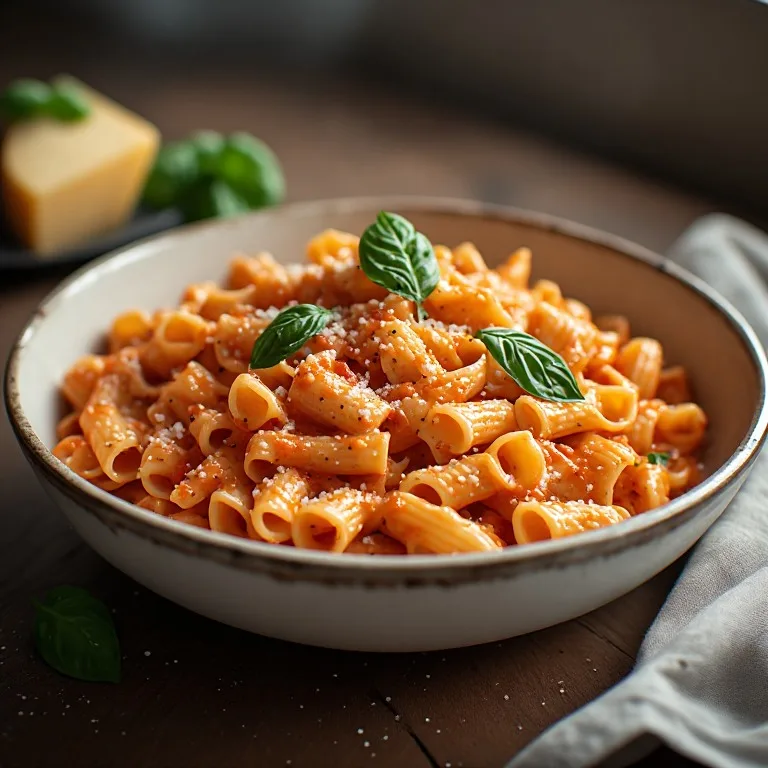
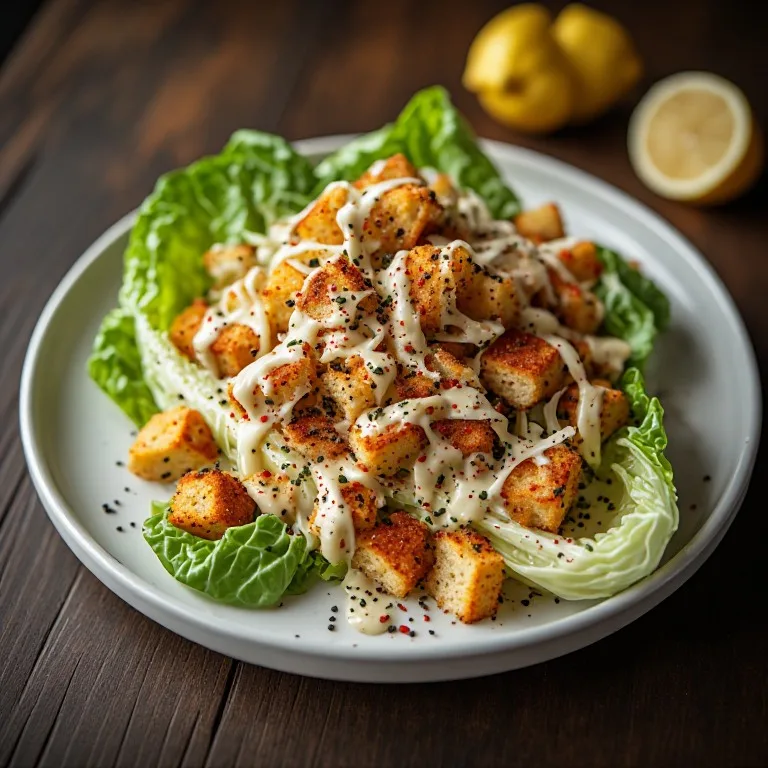
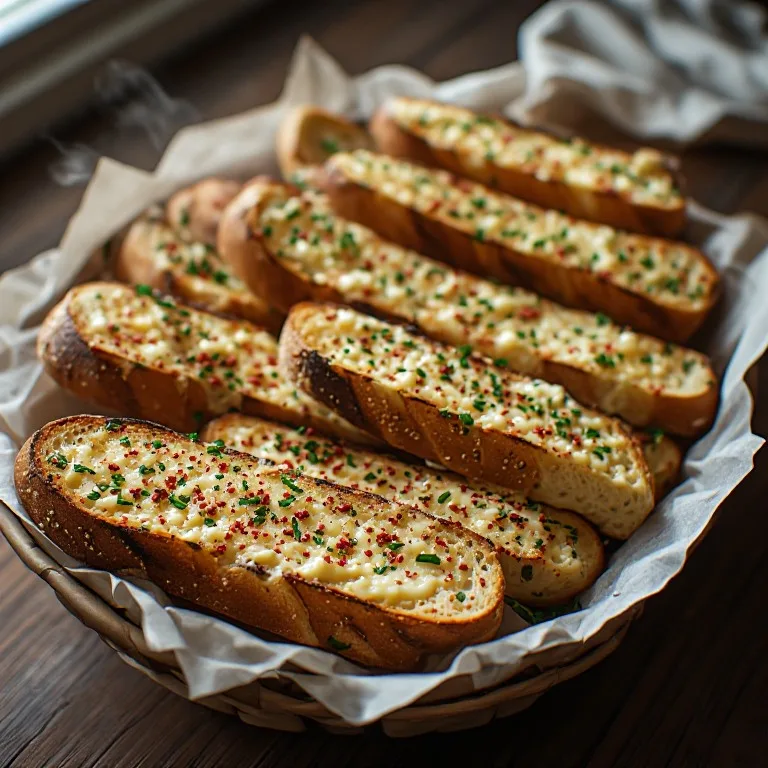
This makes the bread basket feel like a reward. It arrives near the beginning of the meal, before anything has been ordered: warm baguette, split and broiled until the Parmigiano-Reggiano surface blisters, smelling of garlic and oregano and something with a distinct chile heat. Most people eat it faster than they planned to. Some tables order another. It sets up the rest of a Carbone night at home — the spicy rigatoni vodka and the tableside Caesar alla ZZ — and it is the easiest of the three to pull off.
The recipe is not complicated. But nearly every copycat version misses what actually makes it different.
What Carbone’s Garlic Bread Actually Is
It is not garlic bread in the conventional sense — not bread with butter and garlic applied and then warmed. It is bread spread with a compound butter and then broiled, which are related but different things.
A compound butter is fat worked to room temperature and then combined with other ingredients — not melted and used as a sauce, but creamed and integrated so the flavorings are suspended throughout the fat rather than pooled on the surface. When you spread this butter on bread and put it under a broiler, two things happen simultaneously: the butter soaks into the bread’s open crumb and the surface ingredients — including the Parmigiano scattered on top — hit intense direct heat. The result is a bread that is rich throughout and blistered at the surface, not soaked-and-wet or crisp-and-dry.
Four Things Most Copycat Versions Get Wrong
1. They use melted butter instead of compound butter
If you melt the butter before spreading it on the bread, you lose control of the texture. Melted butter soaks into the bread immediately and completely, wetting the crumb before the broiler has a chance to work. Compound butter — softened but not melted — sits on the surface of the bread longer before the heat breaks it down, which means the bread’s outer surface can crisp slightly before the fat fully penetrates. The difference in the final texture is meaningful: compound-butter garlic bread has a slight resistance at the surface; melted-butter garlic bread is uniformly soft and wet.
2. They treat garlic as the only flavoring
Regular garlic bread is butter and garlic. Carbone’s version has three flavoring elements with equal standing:
Garlic — smashed to a paste and integrated fully into the butter, not minced and distributed as chunks.
Crushed red chile flakes — a full teaspoon, which produces warmth that builds through the bread. This is the part most copycat recipes reduce or skip, because they are calibrating the bread to feel “safe.” At Carbone, the chile heat is not background decoration; you notice it.
Dried oregano — the herb that makes the bread smell Italian-American from across the room. Not fresh oregano, which has a more green, bright quality and would wilt under the broiler. Dried oregano has an earthier, more concentrated character that integrates with the fat differently.
All three are in the compound butter, which means all three flavor the bread from within before the surface work happens.
3. They bake instead of broil
Baking at 375°F produces soft, even, gently warmed garlic bread — the kind you find wrapped in foil at every chain Italian restaurant. The broiler produces something different: direct, one-directional, intense heat that creates a blistered surface and charred edges while the bread interior stays soft. The Parmigiano-Reggiano on top reaches temperatures under the broiler that it could not reach in a 375°F oven, and those temperatures produce the browned, spotted, slightly crispy cheese surface that distinguishes Carbone’s bread.
The risk of the broiler is burning. The solution is to watch it continuously — two minutes of inattention is the difference between perfect and ruined.
4. They skip the Parmigiano or use the wrong kind
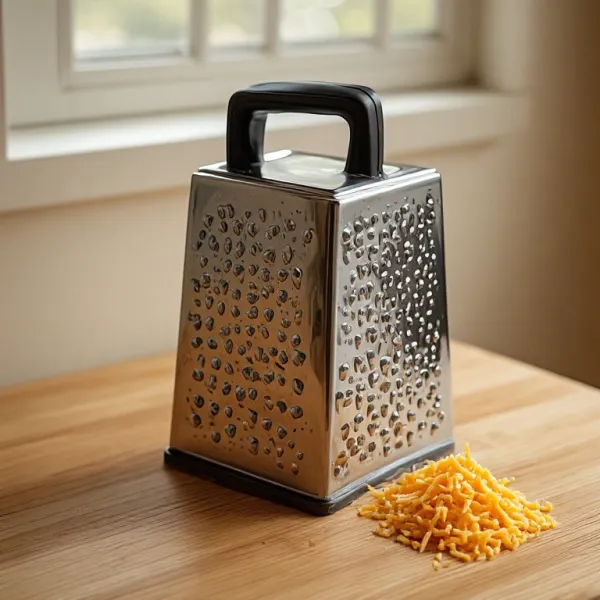
Pre-grated Parmesan from a shaker bottle or bag contains cellulose and other anti-caking agents that prevent clean melting. Under the broiler, it tends to dry out and form a pale, slightly powdery surface rather than blistering and browning. Freshly grated Parmigiano-Reggiano on a Microplane melts cleanly and then the proteins at the surface Maillard-react into the spotted, golden crust that is visible in every photo of this bread. Use a wedge and a Microplane. The Parmigiano is the finish.
The Compound Butter, Made in Advance
The compound butter keeps in the refrigerator for up to five days and in the freezer for two months. If you are cooking for multiple people on a regular basis, making a double batch and keeping the log in the freezer is the single most useful thing you can do with this recipe. Slice and apply directly from frozen — the butter will thaw under the broiler.
Cost: Carbone vs. Home
Carbone’s bread service is included in the overall dining experience — the restaurant runs approximately $100 to $200 per person including appetizers and pasta. The home version costs roughly $3 to $4 for a full baguette serving 4 to 6 people: the baguette ($1.50 to $2.50), the Parmigiano wedge ($8 to $10, used across multiple recipes), and pantry staples.
Tips & Variations
- The foil matters. Foil on the baking sheet reflects heat back up at the bread’s bottom surface and makes cleanup trivial. Do not skip it.
- Get the rack position right. 4 to 5 inches from the broiler element is the sweet spot. At 3 inches, the bread surface burns before the butter has time to soak in. At 6 inches or more, the broiler doesn’t have enough intensity to blister the cheese properly and you are effectively baking.
- Leftovers. If you have leftover compound butter, use it on grilled chicken, stirred into pasta, or spread on flatbread for a quick pizza base. Do not store the assembled but unbroiled baguette for more than 30 minutes — the butter will begin to soak in and the broiled texture will be different.
- Scale the recipe. The compound butter recipe is enough for one large 12-ounce baguette. For two baguettes, double everything. The butter quantity is what scales; the broil time stays the same regardless of how many baguettes are on the pan.
- Add-ons at the table. A small bowl of extra Parmigiano for sprinkling and a bottle of good olive oil for dipping the cut end of the bread into are both consistent with Carbone’s Italian-American ethos and require no additional work.