

Pin It

HoneyBaked Ham Glaze Recipe (The Crystallized Sugar Crust, Made at Home)

HoneyBaked Ham Glaze Recipe (The Crystallized Sugar Crust, Made at Home)
Jump to Recipe
Prep 20 min Cook 2 hrs 30 min Serves 14
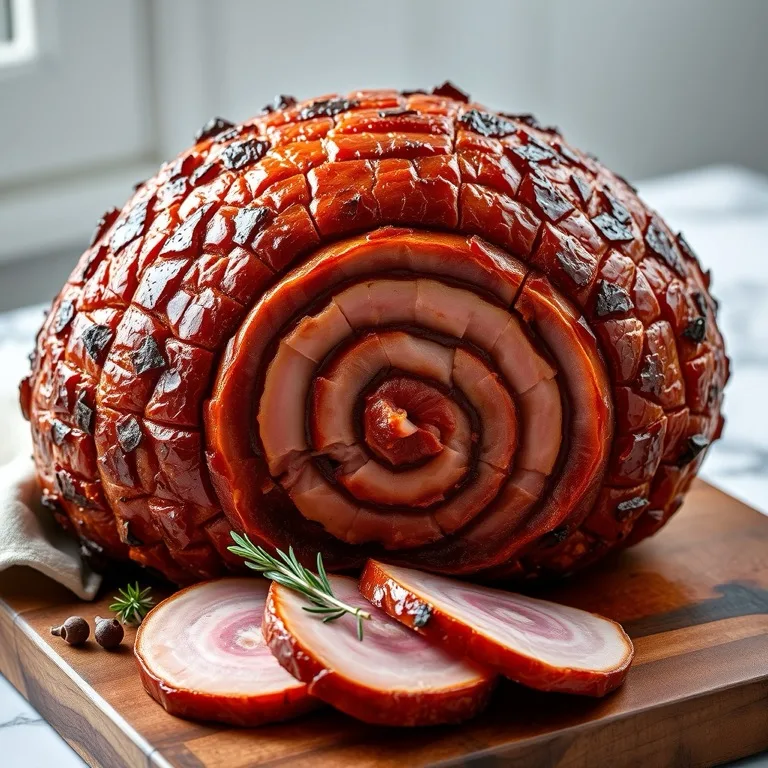
Quick answer: Buy a bone-in spiral-sliced pre-cooked half ham (7–9 lbs). Preheat oven to 275°F. Place the ham cut-side down in a roasting pan, cover tightly with foil, and heat for 15 to 18 minutes per pound — about 2 to 2.5 hours — until the center registers 130°F. While it warms, mix the spiced sugar crust: stir together 1 cup granulated white sugar, 1 teaspoon cinnamon, ½ teaspoon paprika, ¼ teaspoon ground cloves, ¼ teaspoon nutmeg, ¼ teaspoon ground ginger, and ¼ teaspoon dry mustard. Separately, melt 2 tablespoons butter with 3 tablespoons honey; brush this honey-butter all over the exposed surface of the ham, getting it into the spiral cuts. Now apply the sugar crust: sift or sprinkle a thin, even layer of the spiced sugar over the entire surface. The layer must be thin — thick clumps burn before the inside caramelizes. Torch each section with a kitchen torch (15–20 seconds per area, moving constantly) until the sugar bubbles and turns deep amber. Let harden 2 minutes, then repeat with a second thin sugar layer and torch again. Two layers gives the signature thick crust. No torch? Broil the sugared ham 8 inches from the broiler element for 3 to 4 minutes, watching constantly. Rest the finished ham 10 minutes before slicing — the crust hardens as it cools. A 9 lb HoneyBaked Ham runs $65–80 at the store. The same size at home costs $25–35 in ingredients.

Shop the tools

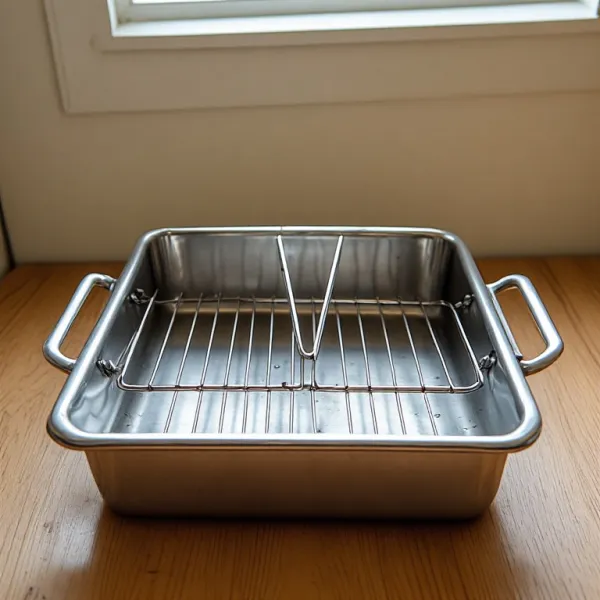
Gear matched to this recipe. These are Amazon affiliate links — we may earn a small commission if you buy, at no extra cost to you.

As an Amazon Associate, Copycat Spices earns from qualifying purchases. Product images are generic illustrations, not the exact item listed.

HoneyBaked Ham Glaze Recipe (The Crystallized Sugar Crust, Made at Home)

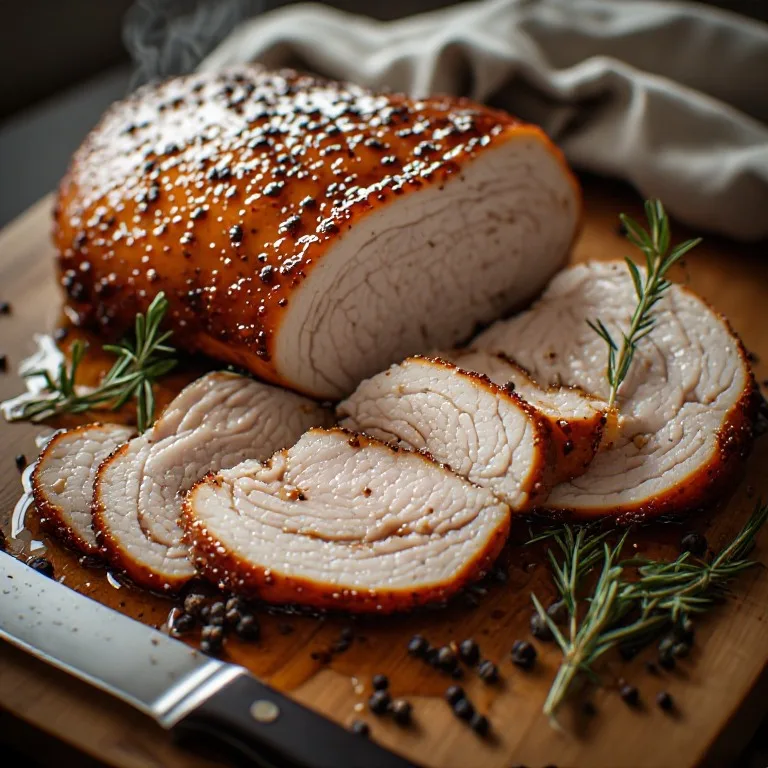
The famous HoneyBaked Ham glaze copycat recipe: a warm-spiced sugar crust torched or broiled into a hard, crackly shell over a spiral bone-in ham. The trick is thin layers, not one thick dump — here's exactly how to do it at home for about half the price.

Easy Prep: 20 min Cook: 2 hrs 30 min Total: 2h 50m14 servings ~$4.50/serving
Prep20 min
Cook2 hrs 30 min
Total2h 50m
Servings
14
At home~$4.50/serving
vs
Restaurant~$20.25/serving
You save ~78%

The Story Behind the Recipe

Harry J. Hoenselaar built his prototype spiral-slicing machine out of a tire jack, a pie tin, a washing machine motor, and a knife — the idea, he liked to say, came to him in a dream. He patented the first hand-operated spiral slicer in 1949, earned a second patent in 1952, and in 1957 opened the first HoneyBaked Ham store on Fenkell Avenue on Detroit's west side. His machine, which cuts a whole ham in one continuous spiral around the bone, was genuinely novel: it produced perfectly even slices for uniform serving while keeping the bone intact for structure and flavor. The store's honey-glazed, spice-encrusted hams became a holiday institution across the country, and the company grew to more than 400 locations with reliably long lines every November and December. A bone-in half ham runs $65–80; a 10 lb whole ham runs $100 or more. The glaze recipe has never been officially published, but it has been reverse-engineered hundreds of times by food bloggers and cooking magazines — and the consensus is tight.

The signature the copycats all chase is the crystallized sugar crust, not the honey glaze. Honey glaze is everywhere. What makes HoneyBaked Ham's finish distinctive is that it is dry and hard — like crème brûlée — rather than wet and tacky like most home glazes. This is achieved by applying spiced granulated sugar in thin layers and caramelizing each layer fully before adding the next. The key word is thin: too much sugar at once creates a mass that burns on the outside while staying raw underneath. Using white granulated sugar (rather than brown) produces a harder, more glass-like crust; the warm spice blend — cinnamon, cloves, nutmeg, ginger, paprika, dry mustard — gives the distinctive flavor without being identifiable as any single spice. A kitchen torch gives you more control than a broiler, because the ham's irregular surface means some spots are closer to the heat than others. But the broiler works fine — just watch it constantly and rotate the pan once.

Nutrition Facts

Per serving (14 servings)
Calories265
Total Fat11g
Total Carbs18g
Dietary Fiber0g
Sugars16g
Protein23g
Sodium1020mg

* Estimated values based on standard recipe preparation. Actual values may vary.

Ingredients

  • For the ham
  • For the honey-butter wash
  • For the spiced sugar crust

Instructions

💡
Pro tip: This recipe tastes even better the next day. The flavors need time to meld together in the fridge.
❄️
Storage: Keeps in an airtight container in the fridge for up to 2 weeks. Freezer-friendly for up to 3 months.
🦃 Free Thanksgiving cookbook — download now The Copycat Thanksgiving Cookbook A ready-made, photo-illustrated PDF of our best thanksgiving copycat recipes — free to download, no building required. Pay what you want to support if you love it.

Free PDF — instant download. We'll also send new seasonal copycat recipes now and then; unsubscribe anytime. Or just download it →

The HoneyBaked Ham Company’s signature crust — hard, crackly, and spiced — is one of the most searched holiday recipes in American food. People drive across town for it every November and December, pay $65 to $80 for a bone-in half ham, and then try to recreate it at home with one thick pour of sugar that comes out sticky and soft instead of genuinely crunchy. The reason is almost always the same: they skipped the thin-layer caramelization process that makes the real thing work.

What Makes the HoneyBaked Crust Different from a Standard Glaze

Most glazed ham recipes work the same way: coat the ham with a syrup — brown sugar, maple syrup, honey — and bake it at 325°F until the exterior caramelizes. The result tastes good but stays tacky. HoneyBaked Ham’s crust is a different category: it is genuinely crunchy, like a candy shell that cracks under a fork. You can hear it when you pull off a slice.

The technique is the same principle as crème brûlée: apply sugar in thin layers, caramelize each layer completely with direct high heat (a torch or a broiler pass), and let it harden before adding the next. A single thick layer of sugar burns on the outside before the inside caramelizes, producing a gritty, uneven crust. Multiple thin layers — each fully melted and hardened — stack into a uniform candy shell that is thick, glassy, and snaps cleanly when cut.

The Two-Step Application: Wet Wash First, Then Dry Sugar

One detail most copycat recipes miss: the spiced sugar goes on over a honey-butter wash, not directly on the ham. The wash has two jobs. First, it gives the dry sugar something sticky to adhere to — without it, the sugar slides off the ham’s slick exterior. Second, it penetrates the spiral cuts, where the sugar can’t easily reach, and delivers sweetness directly to each slice.

The wash is simple: honey, melted butter, and a small amount of Dijon mustard for depth. Brush it into every spiral cut before you sift the sugar. Apply it while the ham is still warm from the oven — a warm, tacky surface grips the sugar far better than a cold, dry one.

The Spice Blend: Cloves Are the Signature

The HoneyBaked Ham Company has never published its glaze recipe. But decades of reverse engineering — most notably Todd Wilbur’s work in Top Secret Recipes — has produced a tight consensus on the spice profile: ground cinnamon and sweet paprika form the base; cloves contribute the distinctive, slightly numbing aromatic quality that makes the crust recognizable in the first bite; nutmeg and ginger add warmth; dry mustard gives a faint savory edge that keeps the crust from tasting purely like dessert.

The sugar is granulated white, not brown. Brown sugar contains molasses, which stays slightly sticky even after caramelization — it absorbs ambient moisture and the crust softens within an hour. White granulated sugar caramelizes into a hard, glass-like shell that holds its snap for several hours at room temperature. Some recipes blend in a small amount of brown sugar for flavor; if you do, keep it under 25% of the total sugar volume.

Warming the Ham Without Drying It Out

A bone-in spiral-sliced half ham is fully pre-cooked when you buy it. Your only task is to warm it through — not cook it. The mistake most people make is treating it like raw pork and pushing the temperature to 165°F. At that point the muscle fibers have tightened and expelled their moisture, and no glaze will bring it back.

Target 130°F internal temperature, checked with a thermometer in the thickest section away from the bone. Low oven temperature (275°F) and a tight foil seal are what get you there without drying the exterior. The foil traps the ham’s own moisture as steam; the low heat lets the center come up gradually without the outside overcooking. Remove the foil, let the surface dry 10 minutes, then apply the wash and begin the sugar layers.

Complete the Holiday Plate

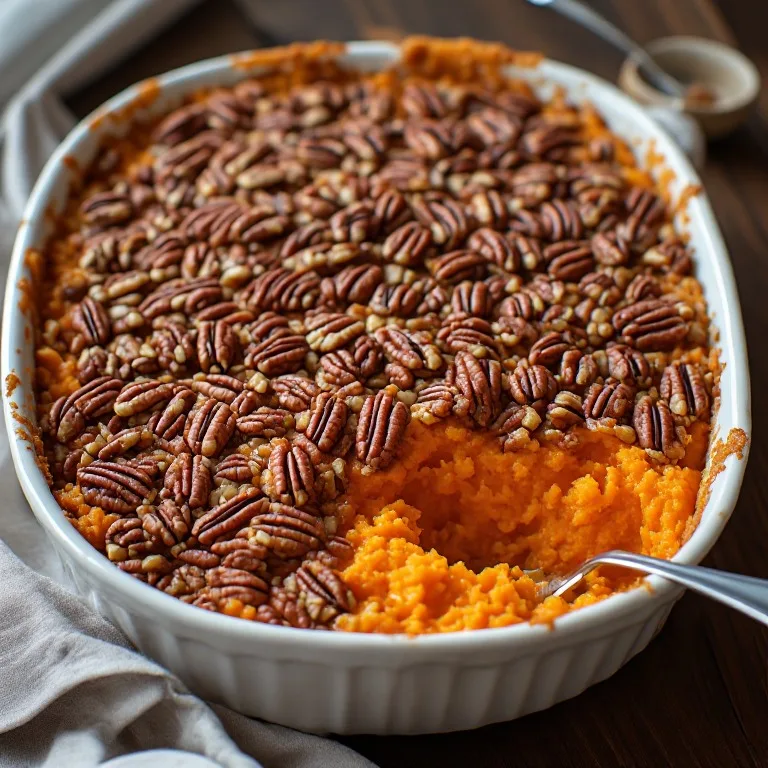
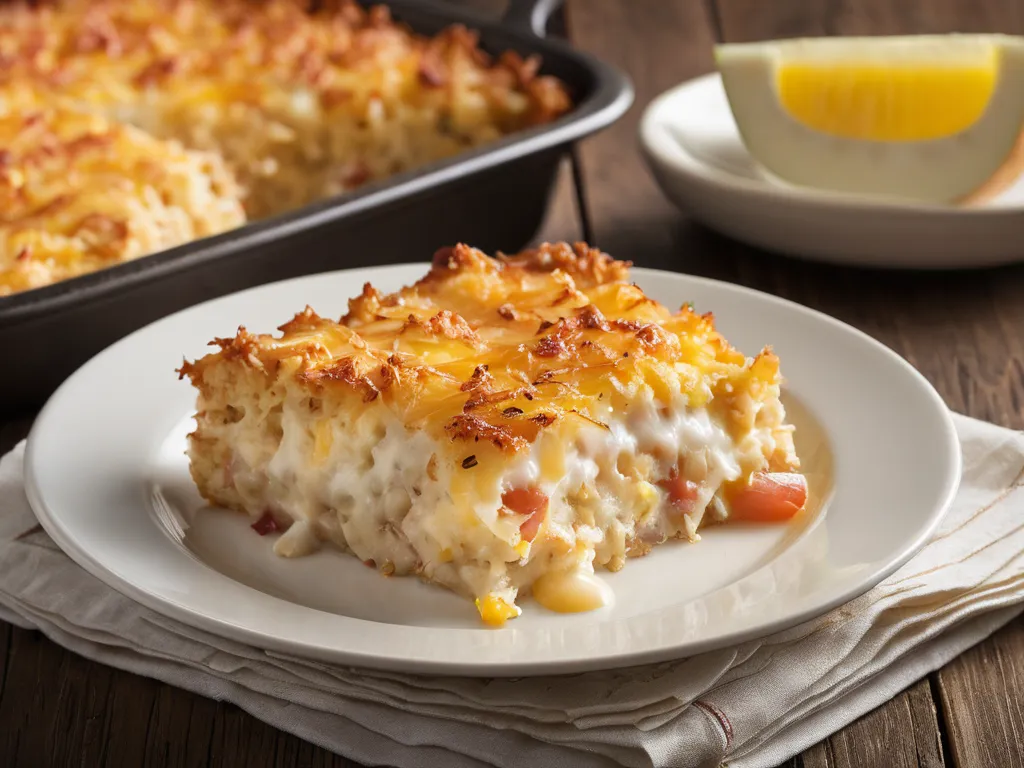
The ham is the centerpiece — build the rest of the table around it. Ruth’s Chris Sweet Potato Casserole matches the crackly sugar crust with a praline topping, so the sweet notes rhyme instead of clash. Bob Evans Mashed Potatoes are the savory counterweight — spoon the ham’s warm-spiced pan drippings over them in place of gravy. Between the three you have a full holiday spread cracked at home for a fraction of the catered price.
🥗

Make It Healthier

Love HoneyBaked Ham Glaze Recipe (The Crystallized Sugar Crust, Made at Home) but want a lighter version? Try these simple swaps:

  • ✓Buy a 'no added water' or 'natural' spiral ham — many store brands inject brine, which can push sodium above 1,400mg per serving. Look for 'no solution added' on the label.
  • ✓Apply just one layer of the spiced sugar crust instead of two. You still get the caramelized crunch and the flavor — one layer saves about 8g of sugar and 30 calories per serving.
  • ✓Skip the butter in the honey wash and use plain honey with a teaspoon of apple cider vinegar instead — the vinegar helps the sugar adhere, adds a faint fruity note, and eliminates the fat from the butter entirely.
  • ✓Serve a 3-oz portion instead of 4–5 oz when pairing with heavier sides like mashed potatoes or casserole — spiral ham is rich enough that a smaller slice still satisfies.

Frequently Asked Questions

What is HoneyBaked Ham's glaze actually made of?

The company has never released the official recipe, but years of reverse-engineering from food bloggers and cooking magazines have converged on a very consistent formula: the base is granulated white sugar (not brown — white caramelizes into a harder, crunchier crust), seasoned with cinnamon, paprika, ground cloves, nutmeg, ground ginger, and dry mustard. Some versions add a touch of onion powder or allspice. The spiced sugar is applied over a thin honey-and-butter wash that helps it adhere and adds sweetness to the spiral cuts. What makes it distinctive is not the ingredients themselves — it's the application technique: thin layers, each fully torched or broiled before the next is added, which creates the hard crystallized shell rather than a soft, tacky glaze.

Can I make this without a kitchen torch?

Yes, the broiler works. Place the sugared ham on the top oven rack about 8 inches from the broiler element and run it on HIGH for 3 to 5 minutes, watching it constantly. The broiler's limitation is that the ham's curved, irregular surface means some spots are closer to the heat than others — the high points caramelize first and can burn while the deeper cuts are still raw sugar. If you do this, rotate the pan once or twice and pull it the moment the visible surface is amber, even if a few spots look lighter. A kitchen torch is worth the $25 for this recipe: you can concentrate heat exactly where needed and work each section to even caramelization. Any hardware-store or kitchen-store propane torch works. Sear Butane torches (the crème brûlée kind) also work but take longer.

Why use white sugar instead of brown sugar?

White granulated sugar caramelizes into a harder, more glass-like crust than brown sugar. Brown sugar contains molasses, which stays slightly sticky and hygroscopic — it absorbs moisture from the air and keeps the crust soft and tacky even after it cools. White sugar, once fully caramelized, sets into a firm crystalline candy shell — the snap when you break through it is the same principle as a crème brûlée crust. That said, some recipes use a 75/25 or 50/50 blend of white and light brown sugar for a slightly deeper flavor; the crust will be a bit softer but the flavor is good. If you want the authentic crackle, use all white sugar.

Do I need to cook the ham, or is spiral ham already cooked?

Bone-in spiral-sliced hams are fully pre-cooked — you are only warming them through, not cooking them. The USDA recommends heating them to 140°F for food safety (though 130°F is where most recipes pull them because the carry-over plus glaze step will bring them up). The danger zone is going over 140°F: the ham dries out fast beyond that temperature. Cook at a low oven temperature (275°F) covered tightly with foil — the low heat prevents moisture loss, and the foil traps steam. Resting the ham at room temperature for 30 minutes before it goes in the oven helps it heat more evenly from edge to center. A thermometer is the only reliable way to know when it's done.

The sugar isn't sticking — what am I doing wrong?

The ham surface needs to be warm and slightly tacky from the honey-butter wash when you apply the sugar. If the ham cooled too much (say, you rested it more than 15 minutes), brush another light layer of melted honey-butter and apply the sugar immediately while the surface is still warm and sticky. Also, the sugar layer itself must be thin — if you've been sifting it lightly and it still won't stick, you can press it gently with your fingers onto the surface rather than letting it just fall on. Do not wet the sugar with water or add liquid — that defeats the crystallization process. The sugar adheres through the warm sticky surface of the honey wash, then hardens as it caramelizes.

How do I get the glaze into the spiral cuts?

Two steps: first, brush the honey-butter into the spiral cuts with a pastry brush or your fingers, working it into the gaps between each slice. Then, after sifting the spiced sugar over the surface, use your fingers or a thin spatula to gently press sugar into the deeper cuts — it won't caramelize perfectly in the cuts (the torch can't reach them easily), but the honey-butter provides sweetness there. The crackly crust forms on the exposed surfaces. At HoneyBaked Ham stores, the ham is placed in a rotating rig for even torching — at home, you're working by hand, so focus your torch on the large visible surfaces and let the cuts handle themselves.

Can I make this ahead for Christmas or Thanksgiving?

The ham itself can be warmed a day ahead and refrigerated; reheat it gently at 250°F covered with foil for 45 minutes to 1 hour. But the sugar crust does not hold well — it absorbs moisture overnight and loses its crunch. The crust should be applied and torched the day of, ideally within 2 hours of serving. The good news is the crust step is fast (15 to 20 minutes) and can be done while guests are arriving. Alternatively, some cooks do the full glaze the day of serving and serve the ham at room temperature — spiral ham is excellent at room temperature, and the crust holds its snap for about 2 to 3 hours at room temperature.

What is the spiced sugar ratio for a large ham?

The base recipe here (1 cup sugar + spices) coats a 7 to 9 lb half ham generously for one layer, or lightly for two layers. For a full bone-in whole ham (14–18 lbs), double the spiced sugar. The honey-butter wash scales proportionally: 3 tablespoons honey + 2 tablespoons butter per 7–9 lbs of ham. Scale up for a larger cut. For a smaller picnic ham or bone-in half (4–5 lbs), use ¾ cup spiced sugar total.

Love this recipe? Share it!

Free PDF: our 12 most-wanted copycat recipes — instant download.

Made it? Buy us a coffee

Every recipe here is free, with no paywalls. If this one was a hit at your table, a small tip keeps new copycats coming.

$

The HoneyBaked Ham Company is a trademark of its owner, used here only to describe the dish this recipe recreates. This is an independent copycat written in our own words — Copycat Spices is not affiliated with, endorsed by or sponsored by The HoneyBaked Ham Company.

Ratings & Reviews

—
No ratings yet

Rate this recipe

Click a star to rate

Leave a Review

0/500

CS

Copycat Spices Editorial

Researched + fact-checked. Every recipe on Copycat Spices is built from published sources — official ingredient lists, brand-published recipes, interviews and food-science references — and fact-checked before it goes live, then written as clear, step-by-step instructions for home cooks of all skill levels.

Learn more about our mission →