Pin It

Copycat Bob Evans Glazed Carrots

Copycat Bob Evans Glazed Carrots
Jump to Recipe
Prep 5 min Cook 20 min Serves 4
Quick answer: Bob Evans glazed carrots are baby carrots cooked in a sauce of honey, butter, a small amount of cane sugar, water, and a tiny splash of vinegar — honey is ingredient #1 in the glaze, which is why most copycat versions that use only brown sugar taste too candied and one-dimensional. The vinegar is almost undetectable but it rounds the sweetness the way salt rounds everything else. Cook covered to soften, then uncover and reduce until the glaze clings. About 90 calories per serving — lighter than most copycat recipes. Total time 25 minutes.

Copycat Bob Evans Glazed Carrots

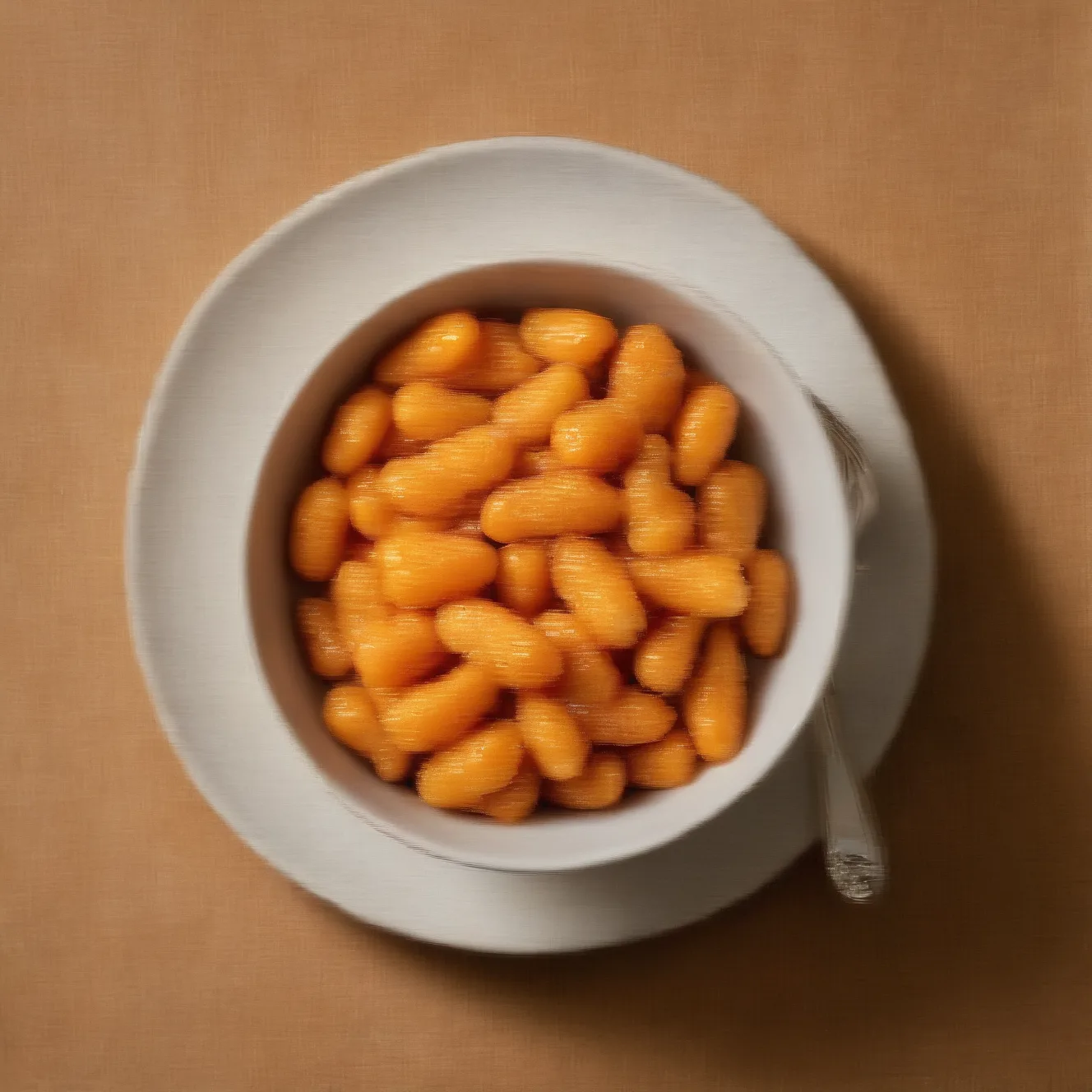
Every popular copycat Bob Evans glazed carrots recipe misses the same thing: the restaurant's sauce is primarily honey, not brown sugar. This version uses the actual retail product's ingredient profile — honey, butter, a touch of cane sugar, and a tiny hit of vinegar for balance. Lighter than you'd expect: about 90 calories per serving. 25 minutes, serves 4.

Easy Prep: 5 min Cook: 20 min Total: 25 min4 servings ~$2.45/serving
Prep5 min
Cook20 min
Total25 min
Servings
4
At home~$2.45/serving
vs
Restaurant~$11.02/serving
You save ~78%

Ingredients

Instructions

💡
Pro tip: This recipe tastes even better the next day. The flavors need time to meld together in the fridge.
❄️
Storage: Keeps in an airtight container in the fridge for up to 2 weeks. Freezer-friendly for up to 3 months.
~250-450 cal/serving · Rich & Indulgent🔥

The Story Behind the Recipe

Bob Evans glazed carrots are one of those restaurant sides that people seek out the recipe for — then make something completely different because almost every published copycat misses the same critical detail.

Check the ingredient label on the retail Bob Evans Farmhouse Favorites Carrots with Sweet Butter Sauce: the Honey Butter Sauce lists Honey first. Not brown sugar. Honey — meaning it’s the lead sweetener by weight. The small addition of distilled vinegar is also in the ingredient list, adding balance that most copycat versions omit entirely.

The result is a glaze that’s rounder and less candy-like than the pure-brown-sugar versions that dominate search results. It’s also lighter than you’d expect: about 90 calories per serving at the restaurant, versus 170+ in most copycat recipes that use 4–6 tablespoons of butter.

TL;DR

Baby carrots + butter + honey (primary) + a little brown sugar + water + a splash of vinegar, covered until completely tender, then uncovered and reduced to a glossy glaze. The honey is the differentiator; the vinegar is the balance note almost nobody includes.

The Ingredient Nobody Uses

Every copycat recipe I’ve found uses brown sugar as the base sweetener. The actual retail product lists honey first.

This matters for flavor: honey has a more complex, layered sweetness than pure sugar — lighter in some ways, more rounded, with a floral background that registers as “glaze” rather than “candy.” Using brown sugar alone produces a sweeter, sharper, heavier result that tastes less like the restaurant dish.

The distilled vinegar — half a teaspoon for the whole batch — is undetectable as vinegar. What it does is prevent the sweetness from tasting flat. It’s the same function as adding a pinch of salt to sweet things: you don’t taste salt, but you’d notice its absence. If your glazed carrots taste one-dimensionally sweet rather than balanced, vinegar is what they’re missing.

Why the Restaurant Version Is Lighter Than You’d Expect

Most copycat recipes call for 3–6 tablespoons of butter and 4–6 tablespoons of brown sugar for a single pound of carrots. The actual nutritional data on the retail product is ~90 calories per serving, 4.5g fat, 10g sugar — consistent with a sauce based on 1.5 tablespoons of butter and 2 tablespoons of honey per pound of carrots.

The lighter glaze also tastes more like glazed vegetables than candied vegetables, which is arguably what a side dish at a family restaurant should be.

The Glaze Reduction

The most common technical failure in glazed carrots is pulling them off the heat before the glaze concentrates. After you remove the lid, the pan will look like it has sweet, thin, buttery water in it. That’s correct — you’re not done yet.

Cook uncovered over medium-high heat for 7–10 minutes, stirring every couple of minutes. Watch for the transition: the liquid thins further at first as the butter separates, then starts to reduce, then turns visibly syrupy, then becomes a thick coating glaze. The final transformation from “almost there” to “glossy and clings” happens quickly. Don’t walk away.

Honey caramelizes faster than plain sugar at higher temperatures — if the glaze is reducing fast, lower the heat slightly and stir more frequently in the last few minutes.

Serving

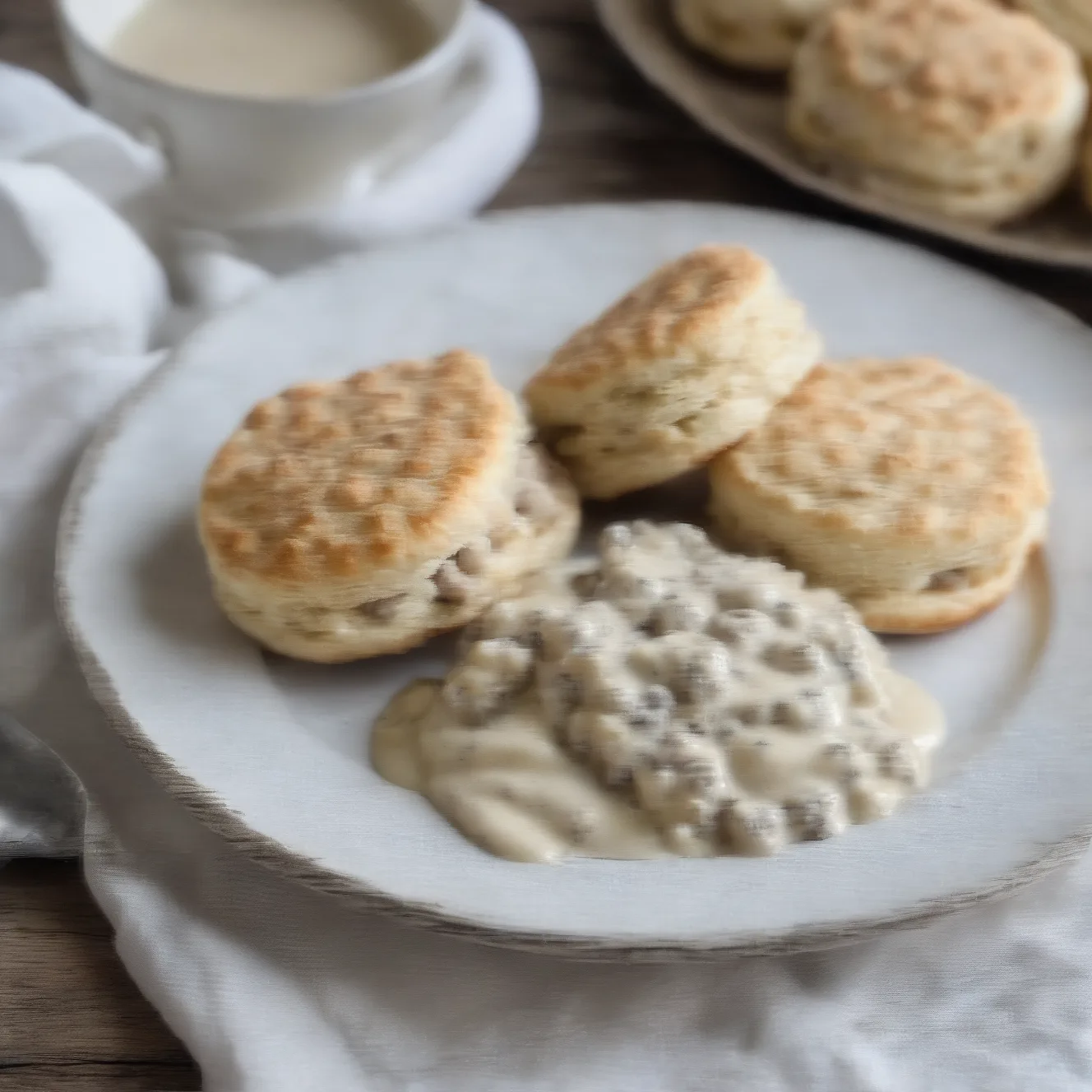
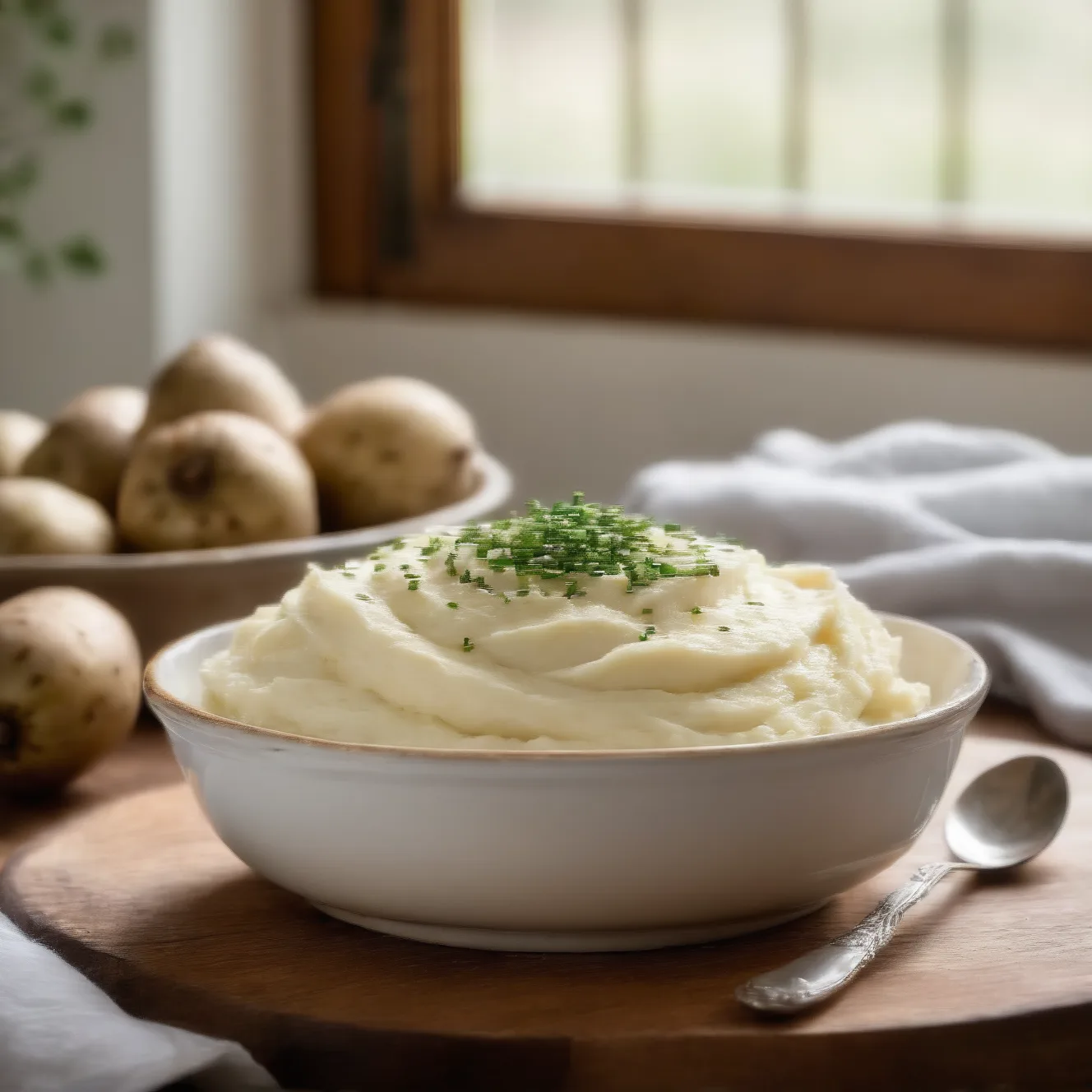
These are the natural third element alongside Bob Evans mashed potatoes and sausage gravy for a full farm-style plate.

At a holiday table, they pair well with Cracker Barrel fried apples — both are warm, lightly sweetened fruit/vegetable sides that sit in the same flavor register without competing. For a broader spread, Texas Roadhouse green beans fill the savory-vegetable slot next to these sweet-glazed carrots.
Nutrition Facts

Per serving (4 servings)
Calories90
Total Fat4.5g
Total Carbs13g
Dietary Fiber3g
Sugars10g
Protein1g
Sodium115mg

* Estimated values based on standard recipe preparation. Actual values may vary.

🥗

Make It Healthier

Love Bob Evans Glazed Carrots but want a lighter version? Try these simple swaps:

  • Reduce butter to 1 tablespoon — the honey provides enough sweetness and body that the glaze still forms.
  • Use raw honey instead of processed honey for a slightly more complex flavor (bolder wildflower or clover notes depending on variety).
  • For a lower-sugar version, reduce honey to 1 tablespoon and add 1 tablespoon of orange juice — the citrus contributes brightness that compensates for the reduced sweetness.

Equipment You'll Need

Medium skillet with lid (10 or 12-inch)

The lid traps steam to soften the carrots; the wide surface lets the glaze reduce cleanly

Wooden spoon or silicone spatula

For gentle stirring as the glaze thickens without breaking soft carrots

Frequently Asked Questions

Why does every popular copycat Bob Evans glazed carrots recipe taste too sweet?

Because most copycat recipes use brown sugar as the primary — or only — sweetener. The actual Bob Evans retail product (Farmhouse Favorites Carrots with Sweet Butter Sauce) lists its Honey Butter Sauce ingredients as: Honey, Butter, Water, Distilled Vinegar, Cane Sugar. Honey is first, meaning it's the lead sweetener by weight. Honey has a more complex, less sharp sweetness than pure sugar, and the small amount of vinegar adds balance that rounds it out. Pure brown sugar without these elements produces a candy-like glaze that tastes one-dimensionally sweet.

What does the vinegar do in this recipe?

The official Bob Evans retail sauce includes distilled vinegar — not enough to taste sour, just enough to provide a barely-perceptible sharpness that balances the sweetness the same way salt does. Without it, honey-glazed carrots can taste flat and sweet. A half teaspoon in the whole batch is below the detection threshold for most people; you'll notice its absence more than its presence.

Does Bob Evans sell glazed carrots in grocery stores?

Yes. Bob Evans Farmhouse Favorites Carrots with Sweet Butter Sauce (16 oz) are sold refrigerated at Kroger, Meijer, Target, and most major grocery chains. The package sauce is labeled: Honey Butter Sauce (Honey, Butter [Cream, Salt], Water, Distilled Vinegar, Cane Sugar, Food Starch-Modified). The grocery version is a reasonable shortcut; the homemade version has fresher carrot flavor and lets you control glaze thickness more precisely.

Can I use regular carrots instead of baby carrots?

Yes. Peel and cut regular carrots into 1/2-inch rounds or 2-inch oblique cuts. The covered cooking time may extend to 13–14 minutes for thicker pieces. Baby carrots are preferable because their size is consistent (even cooking) and their natural sugar content is slightly higher, which suits the honey glaze.

Why are my glazed carrots watery instead of glossy?

The glaze wasn't reduced long enough after removing the lid, or the heat was too low during the reduction. Fix: uncover over medium-high heat and reduce for a full 7–10 minutes, stirring gently every couple of minutes. The transition from 'loose liquid' to 'glossy glaze' happens quickly once it's close — watch for the moment the liquid in the pan starts looking syrupy rather than watery, then stir more frequently.

What's the calorie count for Bob Evans glazed carrots?

The retail side dish is approximately 90 calories per serving (4.5g fat, 13g carbs, 10g sugar, 115mg sodium). This is lighter than most copycat recipes that use 4–6 tablespoons of butter and 4+ tablespoons of brown sugar — those versions can hit 170+ calories per serving. The real product is made with a modest butter and honey base, not the heavy candy-glaze that's become common in copycat versions.

Can I make Bob Evans glazed carrots ahead of time?

Yes, up to 2 days ahead. Cook fully, let cool, and refrigerate in an airtight container. Reheat in a skillet over medium heat with 2 tablespoons of water, stirring gently, for 3–4 minutes until warmed through and the glaze is glossy again. The texture holds well; the carrots don't turn mushy from refrigeration.

Love this recipe? Share it!

Shop the tools

Gear matched to this recipe's equipment list. We may earn a small commission if you buy through these links — at no extra cost to you.

As an Amazon Associate, Copycat Spices earns from qualifying purchases.

Free PDF: our 12 most-wanted copycat recipes — instant download.

Ratings & Reviews

No ratings yet

Rate this recipe

Click a star to rate

Leave a Review

0/500

CS

Copycat Spices Test Kitchen

Every recipe on Copycat Spices is developed and tested in our home test kitchen. We reverse-engineer beloved restaurant dishes and refine each one until the flavors and the instructions work reliably for home cooks of all skill levels.

Learn more about our mission →