


Why rubbed sage and not powdered sage
The spice rack at most grocery stores stocks two sage options: ground (powdered) sage and rubbed sage. They are not interchangeable here. Ground sage has been pulverized to a very fine powder, and at fine particle sizes the volatile aromatic oils oxidize faster — it goes flat and slightly medicinal in storage and in the pan. Rubbed sage is made by rubbing dried sage leaves between hands or rollers to produce coarse, feathery flakes that stay aromatic through high-heat cooking.
Jimmy Dean’s characteristic sage note — present but not sharp, earthy but not overwhelming — is the rubbed-sage version. If you substitute powdered sage, reduce the amount to ½ tsp (powdered is more concentrated by volume and the flavor profile is different). The recipes below are calibrated for rubbed.
The variants: Hot, Maple, and Sage
All three variants use the same base recipe with small adjustments — no separate spice list needed.
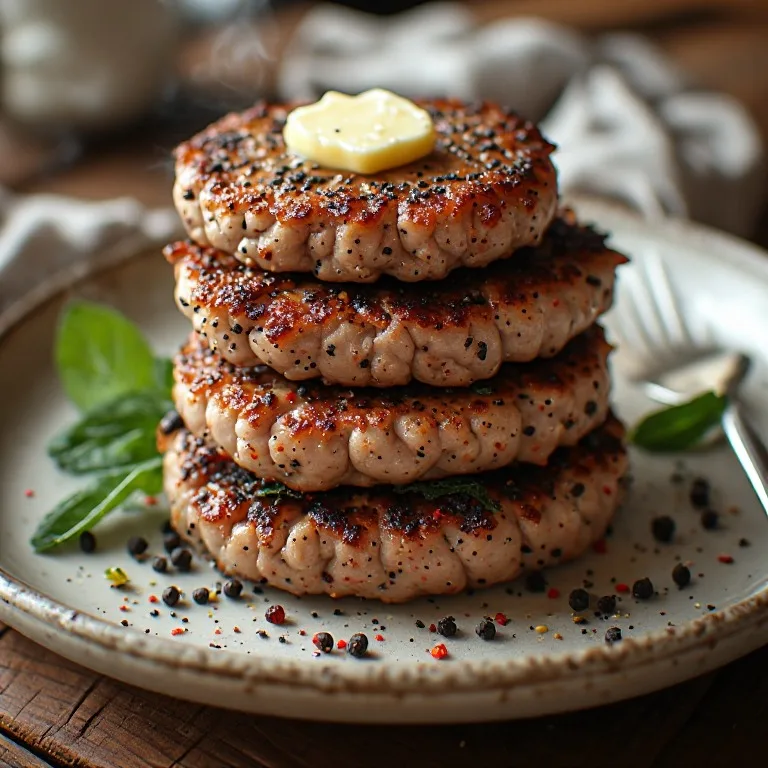
Regular is the benchmark: sage-forward, mildly peppery, with a hint of sweetness from the brown sugar.
Hot adds heat without changing the flavor profile otherwise: increase crushed red pepper flakes from ¼ tsp to ½ tsp and add ¼ tsp cayenne. The commercial Hot variety is moderately spicy rather than aggressive — it’s a lingering warmth that builds, not a sharp spike. Taste a small cooked patty before chilling the batch; adjust heat before it goes in the refrigerator.
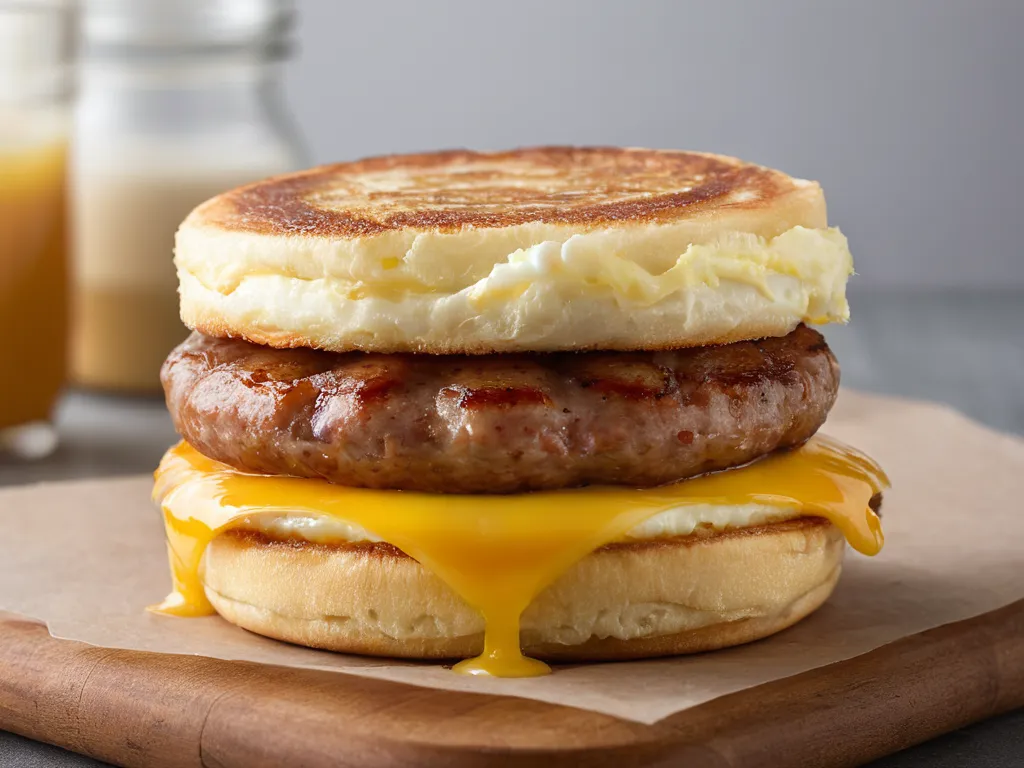
Maple adds 1 tablespoon of pure maple syrup (reduce brown sugar to ¼ tsp). The commercial Maple variety uses maple flavoring — real maple syrup at home is closer to a natural version and works better. For a more pronounced maple note, add ¼ tsp pure maple extract alongside the syrup. The maple variant works particularly well as loose crumble folded into pancake batter or cooked into a biscuit breakfast sandwich.
Sage doubles down on the herb: increase rubbed sage from 1 tsp to 1½ tsp and add ¼ tsp dried marjoram. The marjoram rounds out the extra sage without going sharp.
Cooking methods beyond the skillet
Cast-iron skillet is the standard — the heaviest cookware you have, started cold and brought up to medium, gives the deepest browned crust with the most even cook.
Sheet pan at 375°F: Place formed patties on a wire rack over a rimmed baking sheet. Bake 18–20 minutes, flipping once at 10 minutes, until internal temperature reaches 160°F. The oven method is useful for large batches (8+ patties fit without crowding) and produces a slightly less crispy, more evenly browned result with no risk of burning while your attention is elsewhere.
Air fryer at 360°F: 8–10 minutes, flip halfway. Good for 2–4 patties from frozen.
Meal prep and freezing: Shape raw seasoned pork into patties, place on a parchment-lined sheet pan, and freeze until solid (about 2 hours). Transfer to a zip-lock bag with parchment squares between patties. Cook from frozen in a skillet over medium-low heat for 5–6 minutes per side (the longer time compensates for the cold center). Label with the date; use within 3 months.
Storage
Raw seasoned pork keeps 3–4 days tightly wrapped in the refrigerator. Cooked patties keep 4 days refrigerated or 2 months frozen. Reheat cooked patties from frozen in a 325°F oven for 8–10 minutes or in the microwave for 1–2 minutes covered with a damp paper towel (the moisture keeps the meat from going rubbery).