Pin It

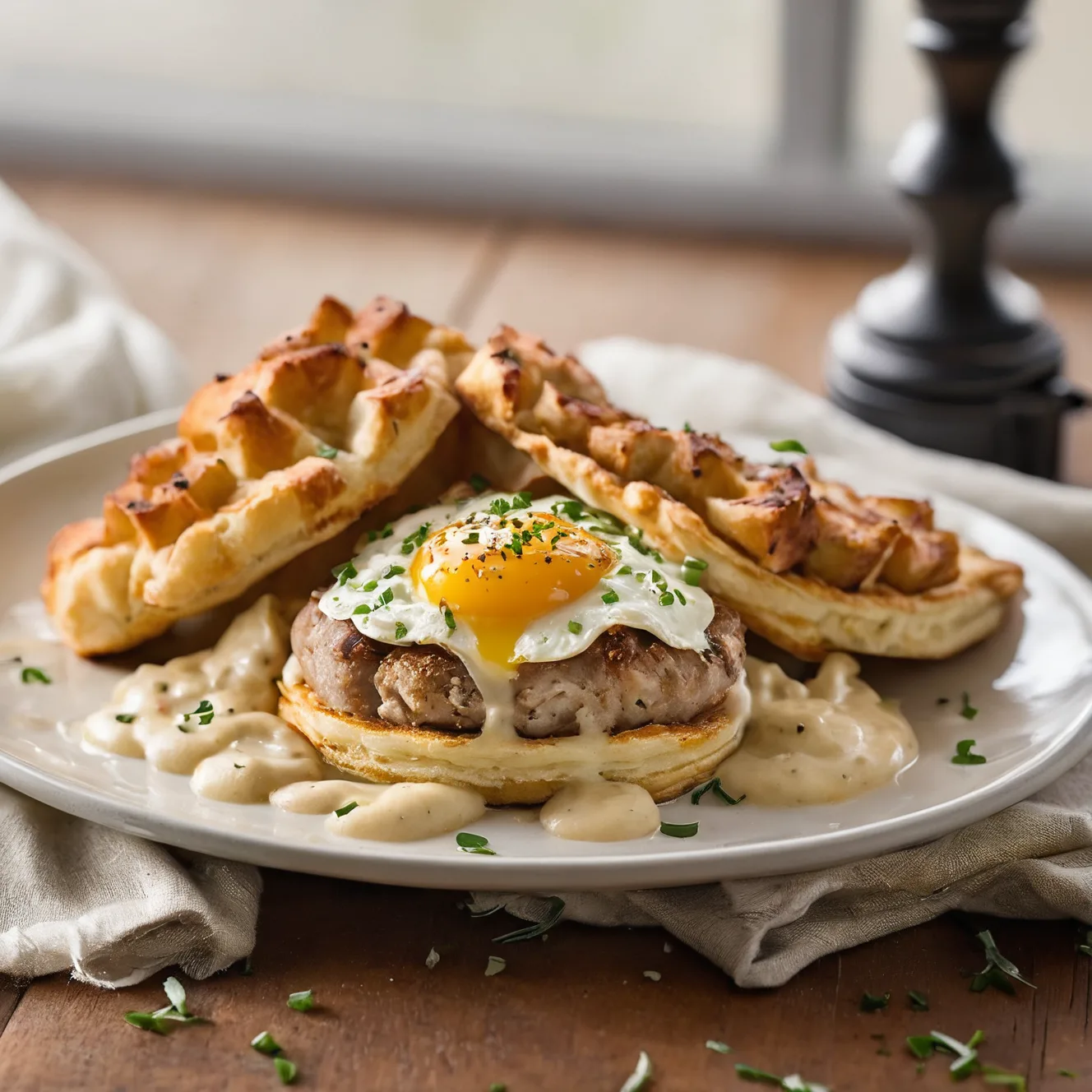
Copycat Bob Evans Sausage Gravy

Copycat Bob Evans Sausage Gravy
Jump to Recipe
Prep 5 min Cook 20 min Serves 6
Quick answer: Bob Evans Sausage Gravy is a thick, peppery milk gravy made by browning Bob Evans Original breakfast sausage, using the rendered fat (not butter) to make a roux with flour, then whisking in warm whole milk. The two mistakes that ruin most home versions: draining the rendered fat instead of keeping it for the roux, and using far too little black pepper. Bob Evans gravy is distinctly peppery β€” 1 to 1.5 teaspoons of coarsely ground black pepper for one pound of sausage. Total time 25 minutes; serves 6.

Copycat Bob Evans Sausage Gravy

Bob Evans sausage gravy requires two things most copycat recipes skip: keeping every drop of rendered fat in the pan (that's your roux base) and using far more black pepper than you think. This version nails the thick, peppery, sage-forward gravy the chain is known for.

Easy Prep: 5 min Cook: 20 min Total: 25 min6 servings ~$2.10/serving
Prep5 min
Cook20 min
Total25 min
Servings
6
At home~$2.10/serving
vs
Restaurant~$9.45/serving
You save ~78%

Ingredients

Instructions

💡
Pro tip: This recipe tastes even better the next day. The flavors need time to meld together in the fridge.
❄️
Storage: Keeps in an airtight container in the fridge for up to 2 weeks. Freezer-friendly for up to 3 months.
~350-550 cal/serving Β· Rich & IndulgentπŸ”₯

The Story Behind the Recipe

Copycat Bob Evans Sausage Gravy

Bob Evans built its restaurant identity around two things: sausage and biscuits. The sausage gravy is the reason people make the drive. It’s thick, deeply peppery, sage-forward, and coats a biscuit completely β€” the kind of gravy where the biscuit disappears under it rather than peeking through.

The recipe has four ingredients and one real technique: keeping the rendered sausage fat in the pan to build the roux. Everything else follows from that.

TL;DR

Brown 1 lb Bob Evans Original sausage, keep every drop of fat. Add 4 tablespoons flour, cook 60–90 seconds. Add 2 1/2 cups room-temp whole milk slowly while whisking. Simmer 5–8 minutes until thick. Add 1 to 1 1/2 teaspoons black pepper. Taste before salting (likely none needed). Total: 25 minutes.


The Two Mistakes Most Recipes Make

Mistake 1: Draining the fat

A 1-pound roll of Bob Evans Original sausage renders 3–4 tablespoons of fat during browning. That fat is the flavor base for the entire gravy β€” it carries the pork flavor, the sage from the sausage seasoning, and the browned bits (fond) from the bottom of the pan.

Most home recipes say β€œcook and drain” β€” treating the fat like a problem to remove before moving on. What you’re actually doing is removing the most flavorful part of the recipe and replacing it with neutral butter. The gravy will still be edible. It won’t taste like Bob Evans.

The correct approach: brown the sausage, do not drain it, and use the rendered fat plus pan drippings as the roux base. The four tablespoons of flour go directly into the fat in the pan. The milk builds off all of it β€” sausage, fat, fond, everything.

Mistake 2: Not enough black pepper

Bob Evans sausage gravy has a distinctly peppery character. It’s not subtle. If you’ve had the restaurant version and tried to make it at home using a recipe that calls for 1/4 or 1/2 teaspoon of black pepper, the result tasted flat and one-dimensional β€” that’s the pepper shortfall.

This recipe uses 1 to 1.5 teaspoons of coarsely ground black pepper for one pound of sausage. That’s 3–6 times what most recipes specify. It sounds like a lot until you taste it and recognize that this is what the restaurant version actually tastes like.


The Sausage Matters More Than Anything Else

Bob Evans (the restaurant chain) was founded by Bob Evans, the sausage maker. The retail Bob Evans sausage rolls you find in the refrigerator section are the same product the restaurants use β€” the chain literally built a sausage company first and a restaurant second.

Bob Evans Original is the correct variety for this recipe. It has a moderate sage note, good fat content (not lean), and the proprietary seasoning blend that defines the gravy. The Sage Variety is noticeably more herbaceous β€” it works but pushes the gravy in a strongly sage-forward direction that reads more as a seasoning choice than a restaurant clone.

If Bob Evans isn’t available in your area (the brand has strong Midwest and Mid-Atlantic distribution but limited presence on the West Coast), the closest substitutes are:

  • Jimmy Dean Original β€” less sage, slightly fattier; gravy will be milder
  • Tennessee Pride β€” sage profile closer to Bob Evans; widely available in the South
  • Any country-style breakfast sausage with visible fat marbling β€” add an extra 1/2 teaspoon of rubbed sage and an extra 1/2 teaspoon of black pepper to compensate for lower seasoning

The Milk Temperature Question

Cold milk added to hot fat creates lumps. The chemistry: fat is hydrophobic; when cold milk hits hot fat, the fat solidifies around the water droplets before the starch from the flour can distribute evenly. The result is small fat-starch balls scattered through liquid milk β€” which is, by definition, lumpy gravy.

Two approaches to avoid this:

Option 1 (recommended): Leave the milk out on the counter for 30 minutes before starting. Room-temperature milk (65–70Β°F) blends into hot fat smoothly without causing the fat to seize.

Option 2: Microwave the measured milk for 20–30 seconds before adding. It shouldn’t be hot β€” just not cold.

Adding milk slowly while whisking is the other half of the solution. A steady stream while whisking gives the starch time to incorporate before the next wave of milk arrives. A fast pour overwhelms the roux.


Roux Timing: The 60–90 Second Rule

After adding flour to the rendered fat, cook it for 60–90 seconds before adding any milk. This is enough time to:

  1. Cook out the raw flour taste (uncooked flour tastes chalky and starchy)
  2. Toast the starch slightly, which deepens the gravy’s flavor
  3. Let the flour absorb the fat fully so it doesn’t clump when milk hits

The mixture will look thick, dry, and paste-like β€” almost like wet sand coating the sausage pieces. That’s correct. It means the roux is ready.

Undershoot this step (add milk after 15–20 seconds) and the gravy will have a faint flour taste. Overshoot (more than 2 minutes) and the flour begins to brown, shifting the gravy color to tan and the flavor toward nutty rather than creamy.


Reading the Consistency

The gravy reaches the right consistency when it:

  • Coats the back of a spoon heavily
  • Holds a line drawn through it for 3–4 seconds before running
  • Flows like lava when the pan tilts β€” slow and viscous, not watery

The key caveat: gravy thickens as it cools. What looks perfectly thick in the pan will be noticeably thicker by the time it hits the plate and sits for 60 seconds. Pull the gravy from heat when it seems just barely thick enough β€” it will be right when served.

If it thickens too much before serving, stir in a tablespoon or two of warm milk and whisk to loosen. This works up to a point; don’t water it down completely.


Serving It Right

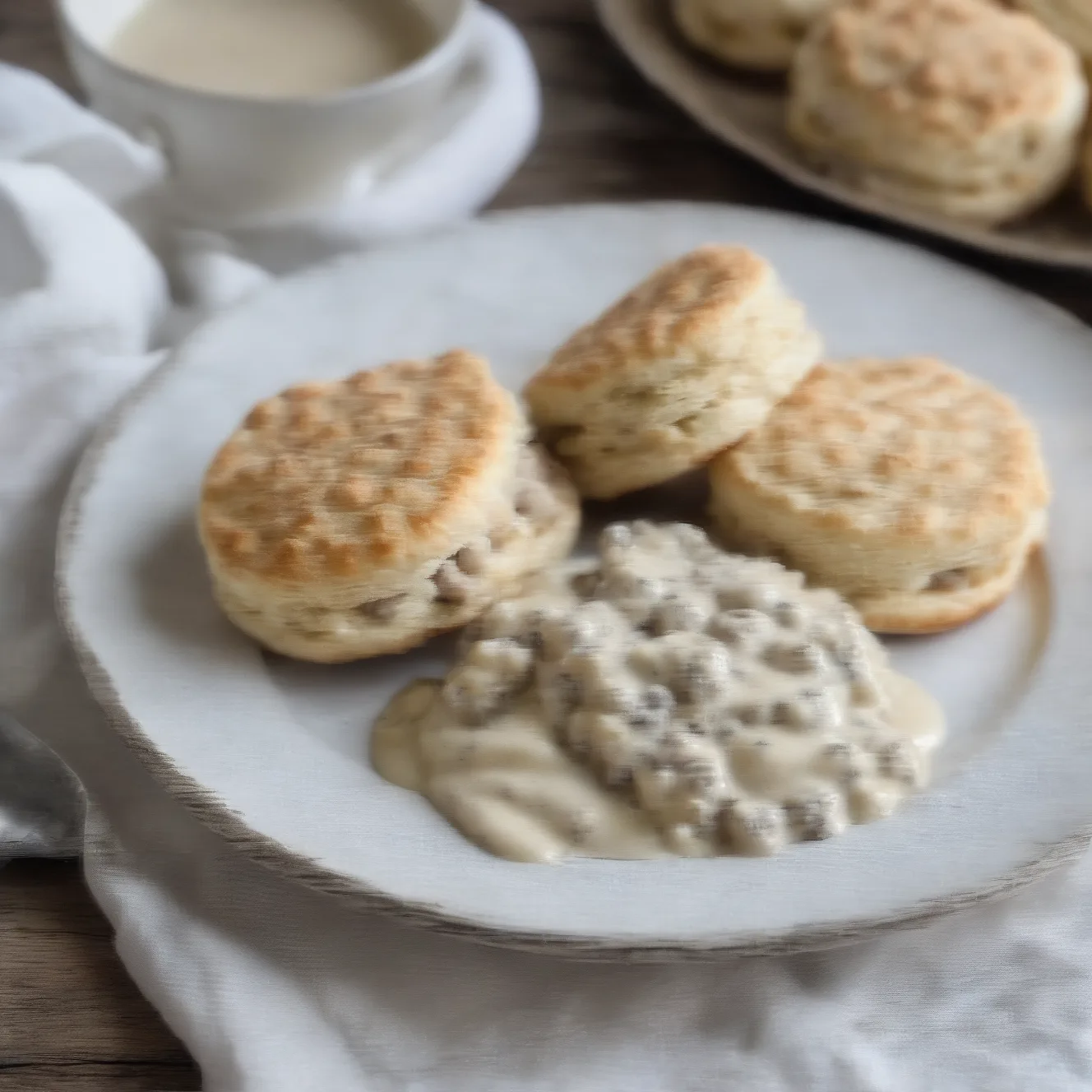
Bob Evans serves their sausage gravy over two large scratch biscuits, covered completely β€” the biscuit should be barely visible under the gravy. The ratio matters. A modest pour of gravy over a biscuit produces a dish that looks anemic compared to the restaurant. Be generous.

For the biscuits: Bob Evans restaurants make their own daily. At home, copycat Cracker Barrel biscuits have the right flaky, layered structure. KFC-style biscuits are buttery and softer β€” also a good match for a thick gravy. Popeyes biscuits are richer with more butter, which complements the peppery sausage gravy well.

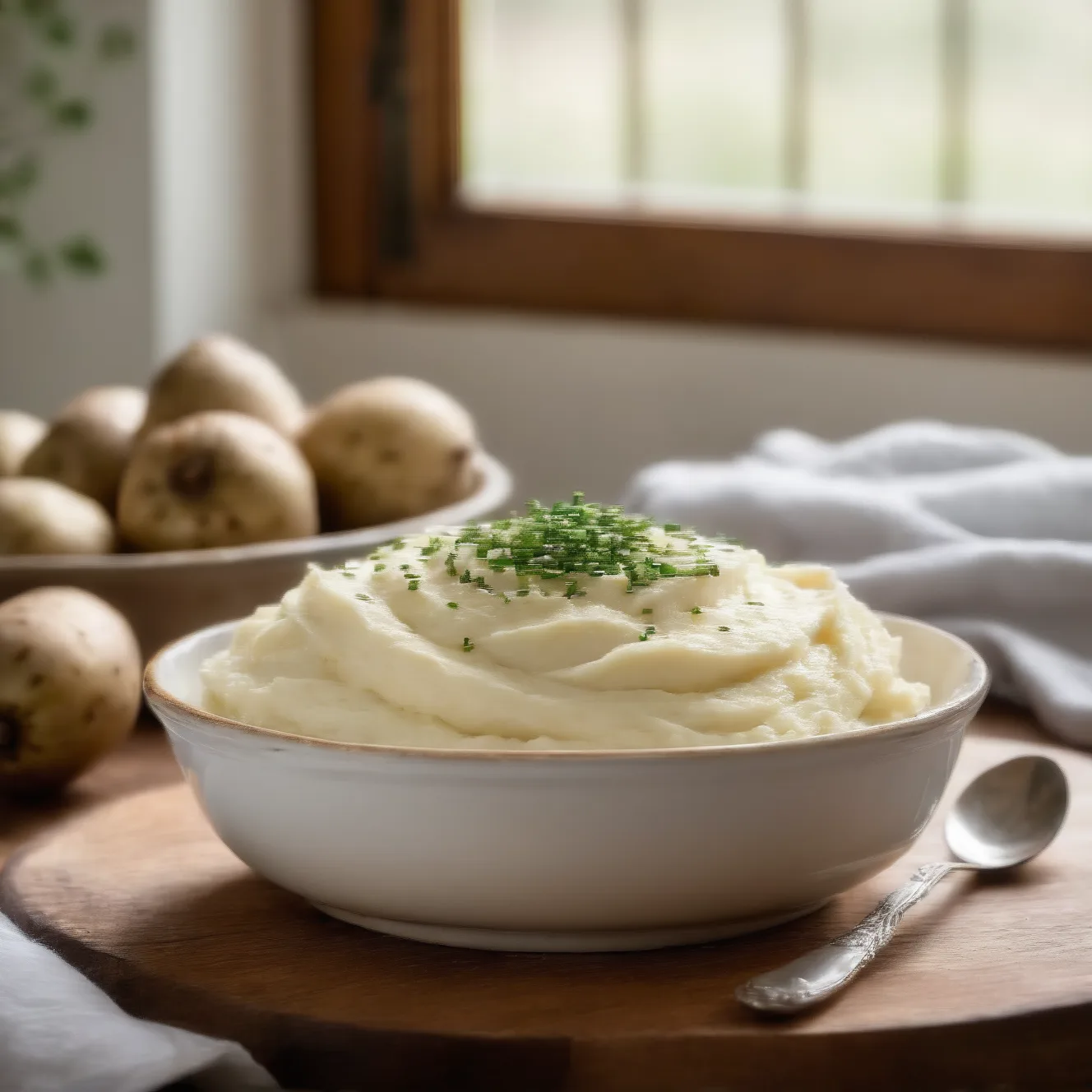
The rest of the Bob Evans plate: sausage gravy appears alongside Bob Evans-style mashed potatoes in their Farmhouse combinations β€” the two dishes come from the same comfort-food tradition and work well together for a full comfort-food dinner plate.


Make-Ahead and Reheating

Sausage gravy holds well in the refrigerator for 4 days and reheats reliably:

Stovetop (best): Warm in a saucepan over medium-low heat, stirring constantly, adding whole milk a tablespoon at a time to restore consistency. The starch tightens significantly when refrigerated β€” expect to add 3–4 tablespoons of milk per reheated cup of gravy.

Microwave: Use 50% power in 30-second increments, stirring between each. Full power overheats the edges while the center is still cold. Stir in a small splash of milk if the reheated gravy looks too thick.

Freezing is not recommended. Milk-based gravies separate on thawing β€” the fat breaks from the starch and you get a greasy, grainy texture that doesn’t come back together when stirred.


Scaling the Recipe

This recipe (1 lb sausage, 4 tbsp flour, 2 1/2 cups milk) serves 6 modest biscuit-and-gravy portions or 4 generous restaurant-style ones.

For a crowd (doubles cleanly): 2 lbs sausage, 8 tbsp flour, 5 cups milk. Use a larger pot or Dutch oven. Keep the same timing β€” the bigger batch takes about the same time to thicken.

For 2 people: Half the recipe. 8 oz sausage, 2 tbsp flour, 1 1/4 cups milk. Works fine. The smaller batch cooks faster β€” watch the thickness more closely and expect 4–5 minutes rather than 7–8.
Nutrition Facts

Per serving (6 servings)
Calories280
Total Fat20g
Total Carbs10g
Dietary Fiber0g
Sugars5g
Protein17g
Sodium580mg

* Estimated values based on standard recipe preparation. Actual values may vary.

πŸ₯—

Make It Healthier

Love Bob Evans Sausage Gravy but want a lighter version? Try these simple swaps:

  • βœ“Use 2% milk instead of whole β€” the gravy is slightly thinner but still rich. Skim milk produces a noticeably thinner, less satisfying result and isn't worth the tradeoff.
  • βœ“A 1-pound roll of Bob Evans Turkey Sausage works as a direct substitute β€” it renders less fat (add the 1 tablespoon butter), is leaner, and has a flavor close to the original.
  • βœ“Serve over a single biscuit instead of two and add a fried egg alongside β€” the same restaurant-breakfast feel with roughly 30% fewer calories per plate.
  • βœ“Swap in a lower-sodium breakfast sausage and omit any added salt β€” sodium is the biggest health knock on this dish (Bob Evans' own retail gravy runs about 900mg per 7-oz bowl), and a leaner, less-salted sausage brings it down meaningfully.

Equipment You'll Need

Large skillet or cast-iron pan (12-inch)

Wider pan = more surface area = better browning for the sausage and a more even roux. Cast iron holds heat well and is ideal for this recipe.

Silicone spatula or wooden spoon

For breaking up the sausage into crumbles as it cooks, and for stirring the roux and gravy

Whisk

For adding milk without lumps β€” crucial when the milk hits the hot fat

Frequently Asked Questions

What sausage does Bob Evans use in their sausage gravy?

Bob Evans uses their own Original breakfast sausage β€” the same product sold in stores as the Bob Evans Original Pork Sausage Roll. Bob Evans (the company) was founded specifically around their sausage recipe, so the restaurant's gravy and the retail product use the same base. If you can't find Bob Evans brand, look for a breakfast sausage with a sage-forward, moderately peppery profile. Jimmy Dean Original or Tennessee Pride are reasonable substitutes but tend to be less sage-heavy and slightly fattier; the gravy will still be good but slightly different.

Why is my sausage gravy lumpy?

Almost always cold milk added too fast. When cold milk hits hot fat and flour, the fat seizes around the milk proteins and creates clumps that don't dissolve easily. Two fixes: (1) use room-temperature milk β€” leave it on the counter for 30 minutes or microwave for 30 seconds before adding; (2) pour it in slowly while whisking constantly, not all at once. If your gravy already has lumps, keep whisking over medium heat β€” the heat and agitation usually smooth them out within 2–3 minutes. Serious lumps can be pressed through a fine mesh strainer as a last resort.

How thick should Bob Evans sausage gravy be?

Thick enough to coat the back of a spoon and hold a line drawn through it for 3–4 seconds before running. When ladled over a split biscuit, it should flow slowly around the biscuit halves, not pool and run off immediately, and not sit in a stiff mound. Bob Evans gravy on the restaurant side leans toward the thicker end β€” it doesn't collapse into liquid when it hits the biscuit. Remember that it thickens as it cools; pull it off heat slightly before it hits the consistency you want.

Can I use Bob Evans Sage Sausage instead of Original?

You can, and some people prefer it. Bob Evans Sage Sausage has a much more prominent sage flavor β€” the gravy will taste noticeably more herbaceous. The Original already has enough sage to give the gravy its characteristic flavor without dominating. The Sage variety tips into 'herb-forward' territory that some people love and others find too strong. If you like a more pronounced sage note, it's a good choice; if you want something closer to the restaurant version, Original is the right call.

Can I make Bob Evans sausage gravy ahead of time?

Yes, it reheats well. Store cooled gravy in an airtight container in the refrigerator for up to 4 days. Reheat over medium-low heat in a saucepan, stirring constantly, adding a splash of whole milk to loosen it back to the right consistency β€” it thickens significantly in the refrigerator. Microwave reheating works but tends to heat unevenly and can cause splattering; if using the microwave, use 50% power in 30-second bursts, stirring between each.

What does Bob Evans serve sausage gravy with?

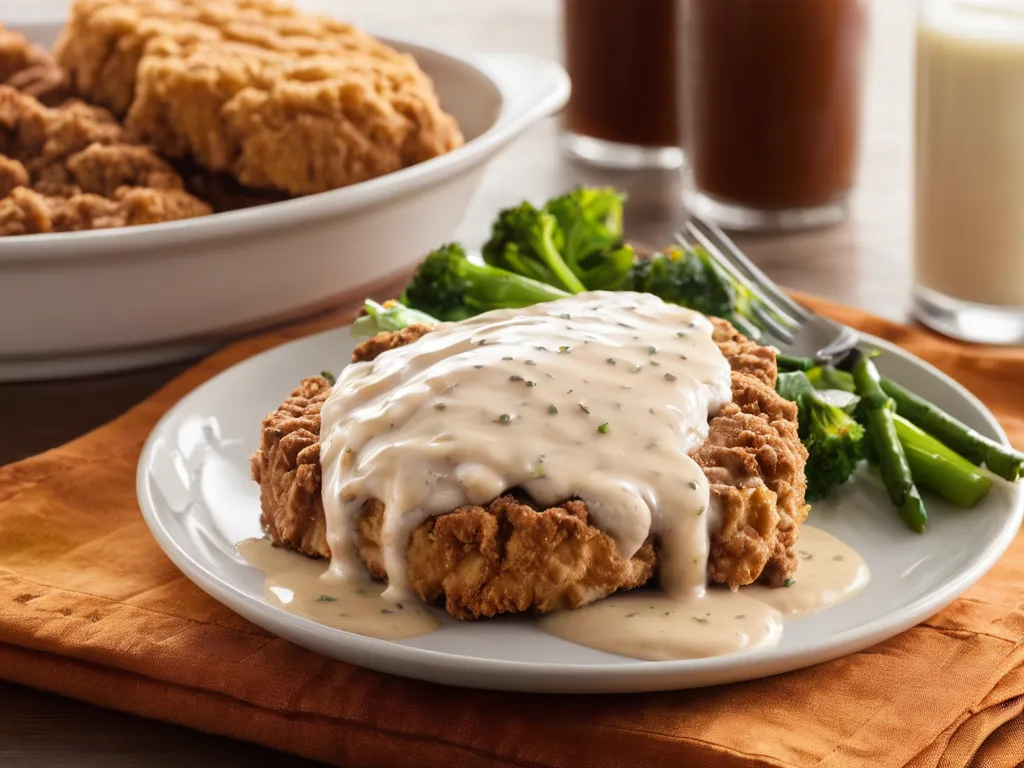
Bob Evans serves sausage gravy over their signature biscuits β€” made from scratch daily at Bob Evans restaurants. The most popular order is the Biscuits and Gravy plate: two large, flaky buttermilk biscuits completely covered in sausage gravy. It also appears as a topping on their Country Fried Steak, as a side with their Farmer's Choice platter, and as a component in their Farmhouse Bowl (biscuit, gravy, eggs, and sausage links). At home, the [Cracker Barrel-style biscuits](/blog/copycat-cracker-barrel-biscuits) or [KFC-style biscuits](/blog/copycat-kfc-biscuits) are both a good match.

How many calories are in Bob Evans sausage gravy?

Bob Evans publishes nutrition for its retail Original Pork Sausage Gravy: a 7-oz bowl is 245 calories with 908mg sodium, and a 13-oz bowl is 455 calories with about 1,686mg sodium. The restaurant's Biscuits and Gravy plate (two biscuits plus gravy) lands around 750–850 calories depending on portion. The homemade version from this recipe runs approximately 280 calories per serving (1/6 of the batch), but actual calories depend on how much gravy is ladled on β€” restaurant portions tend to be generous.

Why does my gravy taste bland compared to the restaurant?

Almost certainly the pepper. Bob Evans gravy has a pronounced black pepper flavor that catches most people off guard when they first try to replicate it at home. Standard sausage gravy recipes call for 1/4 or 1/2 teaspoon of pepper β€” that's not enough. You need 1 to 1.5 teaspoons for one pound of sausage to get the restaurant's peppery character. The other common issue is not browning the sausage long enough; underbrowning means less fond on the pan, which means a paler, milder gravy.

Love this recipe? Share it!

Shop the tools

Gear matched to this recipe's equipment list. We may earn a small commission if you buy through these links β€” at no extra cost to you.

As an Amazon Associate, Copycat Spices earns from qualifying purchases.

Free PDF: our 12 most-wanted copycat recipes β€” instant download.

Ratings & Reviews

β€”
No ratings yet

Rate this recipe

Click a star to rate

Leave a Review

0/500

CS

Copycat Spices Test Kitchen

Every recipe on Copycat Spices is developed and tested in our home test kitchen. We reverse-engineer beloved restaurant dishes and refine each one until the flavors and the instructions work reliably for home cooks of all skill levels.

Learn more about our mission →