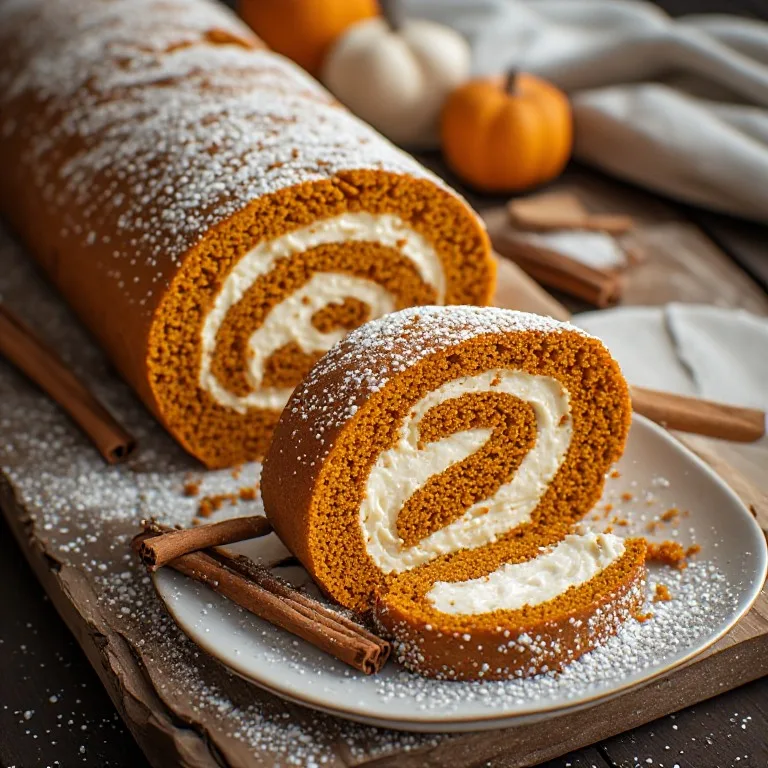

Libby’s Famous Pumpkin Pie is the back-of-can recipe that has been America’s Thanksgiving standard since the 1950s — eight ingredients, no mixer, and a two-stage bake that solves the custard problem most pumpkin pies run into.
The Two-Stage Bake
Most custard pies bake at a single low temperature. Pumpkin pie can’t, because the filling is half dense vegetable puree and half egg custard — a single moderate heat would set the edges while the thick center is still raw. The Libby’s formula solves this with a split: 425°F for the first 15 minutes to set the outer ring of filling quickly (which anchors the filling and prevents it from seeping into the crust), then 350°F for the rest of the bake to finish the center gently without scrambling the eggs.
Don’t skip the temperature drop. A full 65 minutes at 425°F produces a curdled, grainy filling; a full 65 minutes at 350°F with no initial blast produces a wet, under-set center.
The Knife Test
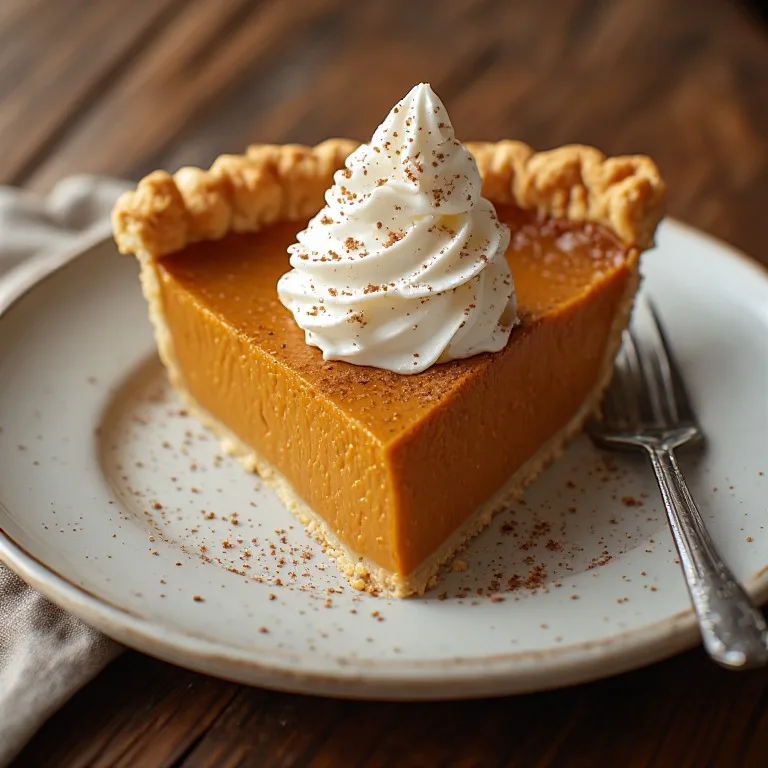
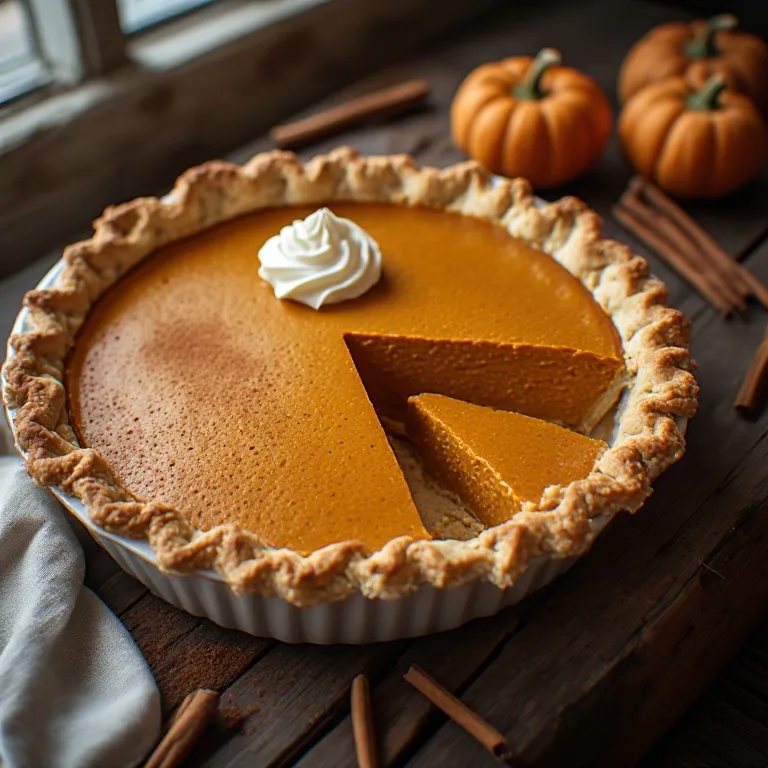
The doneness cue for pumpkin pie is the knife test: insert a clean paring knife about 2 inches from the edge of the crust — not in the very center. It should come out with no wet filling on the blade. The very center of the pie will still jiggle slightly when you nudge the pan. That’s correct. The center finishes setting during the 2-hour cooling period as the residual heat works through the custard. If you wait for the center to look fully set in the oven, you’ve overbaked it.
The other thing that matters: 2 full hours of cooling before slicing. Cut a warm pumpkin pie and you’ll get a soft, loose filling even when the bake was perfect.
Evaporated Milk vs. Condensed Milk
This trips up more people than any other part of the recipe, because Libby’s actually prints two different pies. The “Libby’s Famous Pumpkin Pie” — the classic that has run on the can since the 1950s — uses evaporated milk (unsweetened) plus ¾ cup of sugar. Around 2019, Libby’s also began promoting a “New-Fashioned Pumpkin Pie” built on sweetened condensed milk, which is roughly 45 percent sugar by weight and produces a sweeter, creamier filling. The two milks are not interchangeable — swap one for the other without adjusting and you’ll badly over- or under-sweeten the pie.
- Evaporated milk (the “Famous” recipe): Keep the full ¾ cup of added sugar. The filling is balanced and the spice flavors come through clearly. This is the version almost everyone means by “the Libby’s recipe.”
- Sweetened condensed milk (the “New-Fashioned” recipe): Drop the ¾ cup of added sugar — the condensed milk already carries it, and adding the full cup on top produces a filling that tastes like candy. Follow the specific can or recipe you’re working from, since the New-Fashioned version also changes the pumpkin and milk amounts.
If you’re unsure which milk you have, read the ingredient list: evaporated milk is just milk (sometimes a stabilizer); sweetened condensed milk lists sugar right at the top.
What’s Actually in the Can
Libby’s doesn’t use the orange Halloween pumpkin you see at farm stands in October. The can contains the Dickinson pumpkin — a tan, oblong, smooth-skinned variety of Cucurbita moschata that is botanically more similar to butternut squash than to carving pumpkins. Libby’s has grown the Dickinson under contract in Tazewell County, Illinois since acquiring the rights to the cultivar in 1929, and runs its cannery in Morton, Illinois — the village that calls itself the Pumpkin Capital of the World for exactly this reason.
The Dickinson pumpkin’s dense, low-moisture flesh is what gives Libby’s its consistent smooth texture. Fresh jack-o’-lantern pumpkin is watery and stringy by comparison. If you want to substitute a fresh pumpkin, use roasted butternut squash — puree it until completely smooth and strain it if it seems wet. Use 1¾ cups of puree in place of the 15-oz can.
Spice Upgrade (Optional)
One step the back-of-can recipe doesn’t mention: add the measured spices to a dry skillet over medium heat and stir for 30 seconds before mixing them into the sugar. Briefly toasting ground spices volatilizes the aromatic compounds and noticeably brightens the flavor. It’s the same principle as blooming spices in oil before a curry, just applied to a custard filling. It adds 60 seconds to prep and makes a real difference in the finished pie.
Make It the Day Before
Pumpkin pie is the Thanksgiving dessert that most rewards advance preparation. Bake on Wednesday, cool completely at room temperature for at least 2 hours, then refrigerate uncovered until the top is set and firm, then cover loosely with foil. The filling firms further overnight and the spice flavors deepen. Serve cold or at room temperature Thursday.
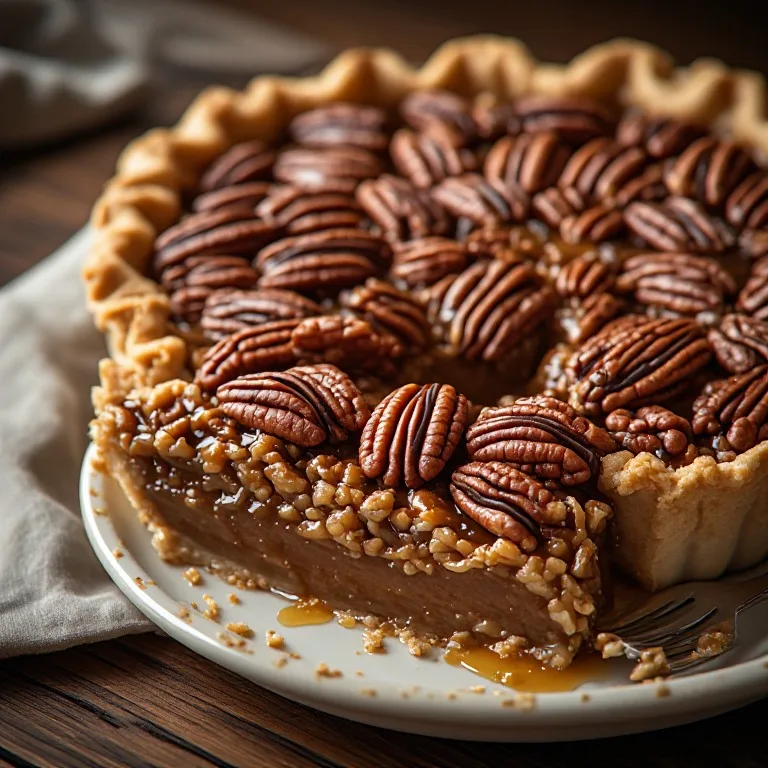
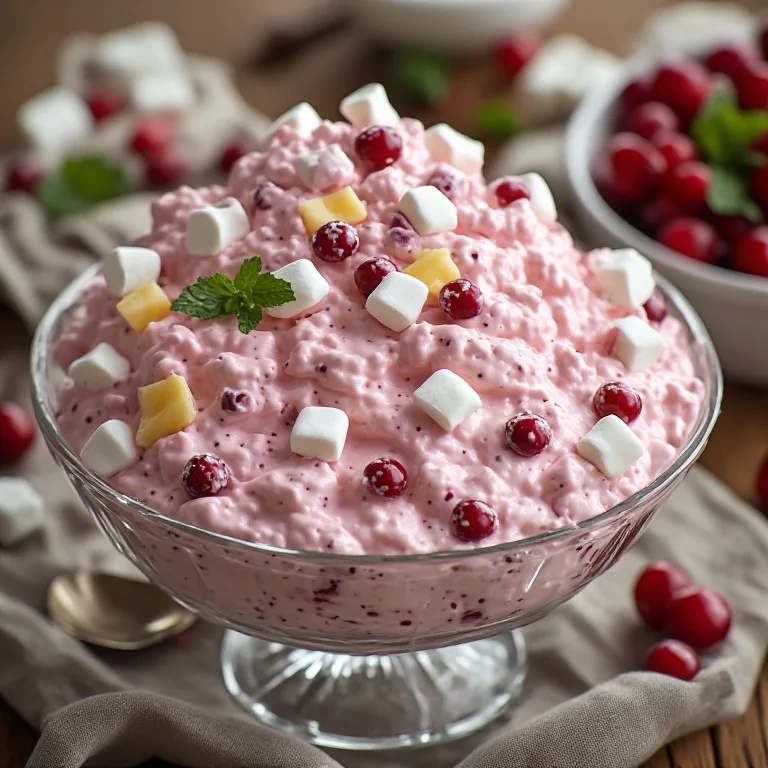
Unlike pecan pie (which stores safely at room temperature overnight), pumpkin pie’s egg-based custard needs refrigeration within 2 hours of cooling. If you’re serving the next day, pulling it from the refrigerator 30 minutes before slicing takes the chill off without making it warm. For the rest of the Thanksgiving table: Karo Classic Pecan Pie made the day before, King’s Hawaiian Rolls baked fresh the morning of, and cranberry fluff that comes together in 10 minutes.