
Pin It

King's Hawaiian Sweet Rolls

King's Hawaiian Sweet Rolls
Jump to Recipe
Prep 25 min Cook 18 min Serves 12 rolls
Quick answer: King's Hawaiian sweet rolls are the pillowy pull-apart dinner rolls with a subtle tropical sweetness — baked on every American Thanksgiving table since 1983. Total active time is about 35 minutes (25 min prep, 10 min bake-watch) plus 1.5–2 hours rising time. Makes 12 rolls for about $4 in ingredients; the 12-pack at the grocery store runs $5–6.

King's Hawaiian Sweet Rolls

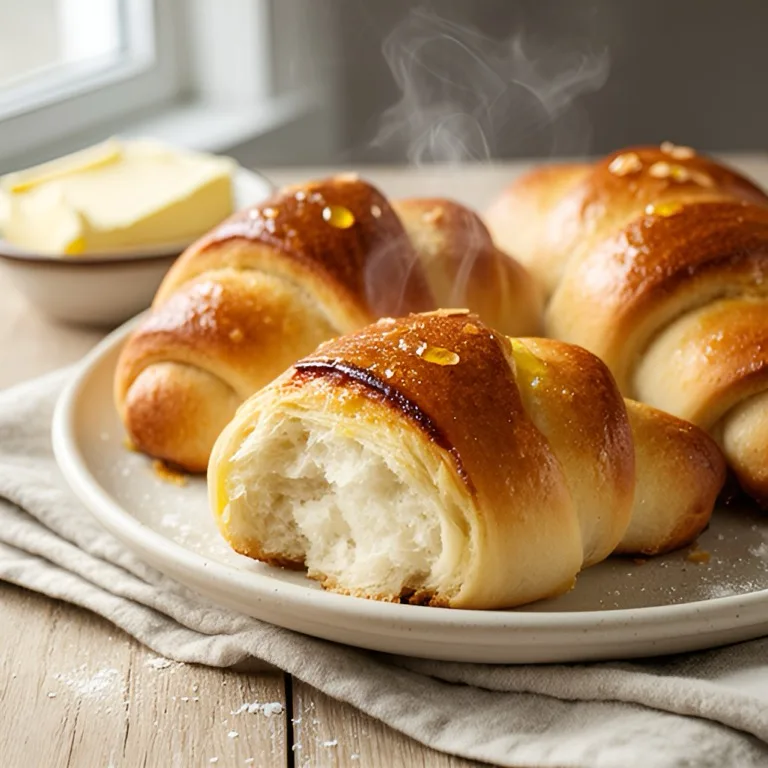
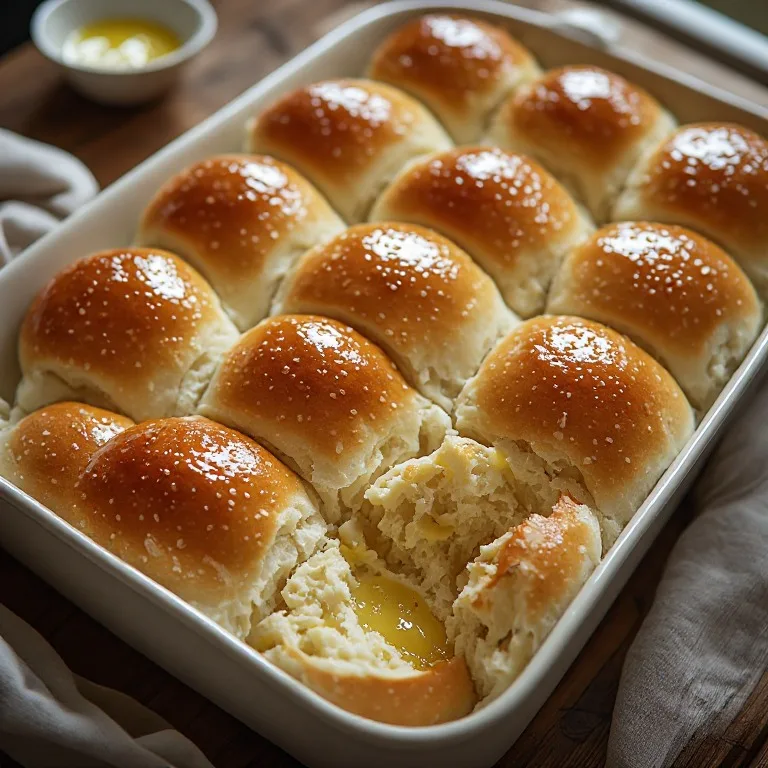
Copycat King's Hawaiian sweet rolls — the pillowy, pull-apart dinner rolls with their signature subtle sweetness. Made with pineapple juice, honey, and an enriched dough that bakes up cloud-soft. Step-by-step method for the exact texture King's Hawaiian is famous for.

Medium Prep: 25 min Cook: 18 min Total: 43 min12 rolls servings ~$3.15/serving
Prep25 min
Cook18 min
Total43 min
Servings
12
At home~$3.15/serving
vs
Restaurant~$14.17/serving
You save ~78%

The Story Behind the Recipe

Robert R. Taira opened Robert's Bakery in Hilo, Hawaii, in 1950 — the Hawaiian-born son of Japanese immigrants who graduated top of his baking class. Drawing on the Portuguese sweet bread tradition brought to the islands by 19th-century immigrant workers, Taira spent years perfecting a soft, enriched loaf that became a local obsession. In 1963, the bakery moved to King Street in Honolulu and was renamed King's Bakery; by 1977, Taira opened a 24,000-square-foot bakery in Torrance, California, naming it King's Hawaiian Bakery — and from there, the rolls went national.

The Original Hawaiian Sweet Dinner Roll format — the 12-pack pull-apart tray that fills every Thanksgiving table — was introduced in 1983 in response to customers asking for a shareable version of the round loaves. A 12-pack of rolls retails for about $5–6; a 12-count tray at the in-store bakery at a King's Hawaiian café runs $4.50 but you can only find those in locations near their Torrance headquarters. The ingredient list on the package shows enriched flour, sugar, liquid sugar, eggs, and yeast — no pineapple juice. The juice is a copycat community convention that closely approximates the rolls' subtle tropical sweetness in a home kitchen without the commercial liquid sugar King's uses. It works.

Nutrition Facts

Per serving (12 rolls servings)
Calories220
Total Fat5g
Total Carbs37g
Dietary Fiber1g
Sugars9g
Protein6g
Sodium190mg

* Estimated values based on standard recipe preparation. Actual values may vary.

Ingredients

Instructions

💡
Pro tip: This recipe tastes even better the next day. The flavors need time to meld together in the fridge.
❄️
Storage: Keeps in an airtight container in the fridge for up to 2 weeks. Freezer-friendly for up to 3 months.
🦃 Free Thanksgiving cookbook — download now The Copycat Thanksgiving Cookbook A ready-made, photo-illustrated PDF of our best thanksgiving copycat recipes — free to download, no building required. Pay what you want to support if you love it.

Free PDF — instant download. We'll also send new seasonal copycat recipes now and then; unsubscribe anytime. Or just download it →

King’s Hawaiian sweet rolls are the softest pull-apart dinner rolls in the grocery store — and the most searched copycat in the bread category every November. This recipe hits the signature cloud-soft crumb and gentle sweetness using pineapple juice, honey, and a fully-developed enriched dough.

The Key to the Texture

The rolls get their softness from two things working together: an enriched dough (eggs, butter, milk, and honey all slow gluten development and keep the crumb tender) and not over-flouring the dough. When the dough feels almost-too-soft, stop adding flour. It should be slightly tacky but clear the bowl — pulling back from the sides when the dough hook runs. Stiff dough makes rolls that taste right but chew like brioche. Soft dough makes rolls that pull apart with zero resistance, which is what you’re after.

Why Pineapple Juice Works

The actual King’s Hawaiian ingredient list uses liquid sugar (a commercial high-solids sugar solution) rather than pineapple juice. At home, pineapple juice approximates the subtle tropical sweetness and slight acidity that commercial liquid sugar introduces into the dough. Combined with honey — which provides both sweetness and a touch of floral depth — the result lands remarkably close to the original. You could skip both and use plain sugar, but the flavor would read as a generic dinner roll rather than the specific thing King’s Hawaiian tastes like.

The Second Rise in the Pan

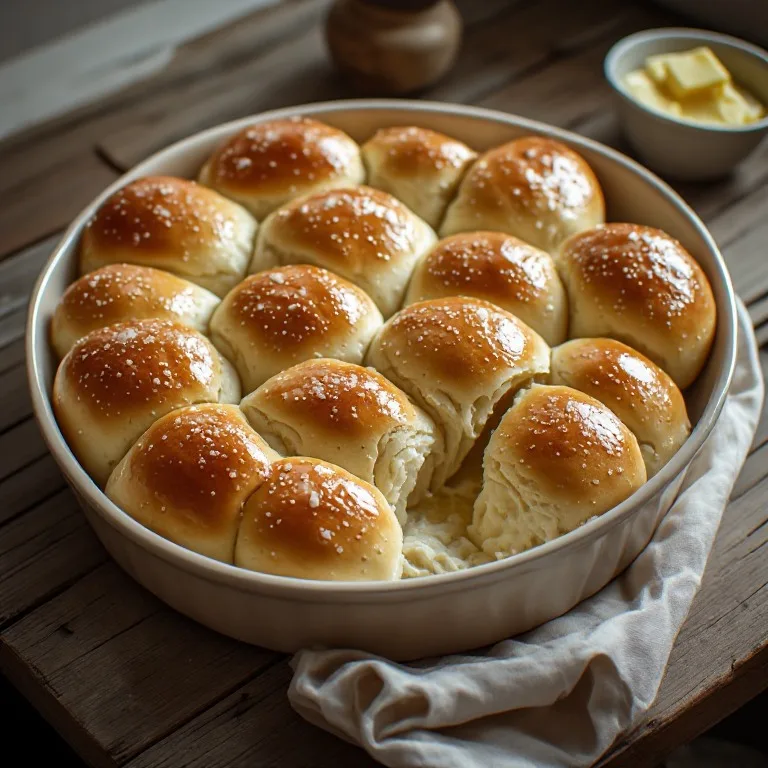
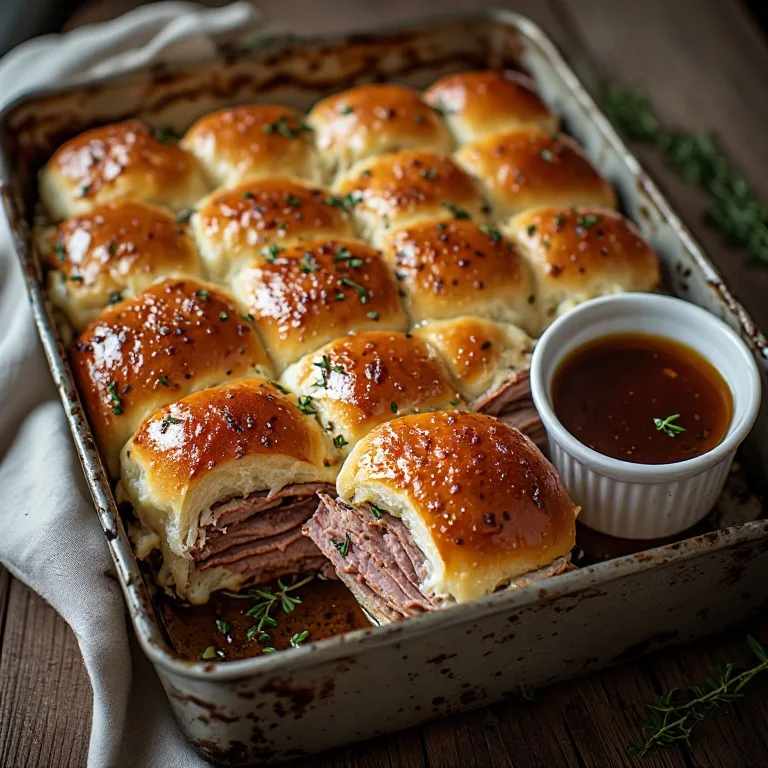
Arrange the 12 shaped rolls in a greased 9x13 pan, 3 across and 4 down, just touching. As they proof and bake, they push against each other — this keeps the sides soft (no hard crust forms where rolls meet) and creates the pull-apart seams. Don’t space them out. Crowded is correct here.

Turn the Rolls Into Sliders

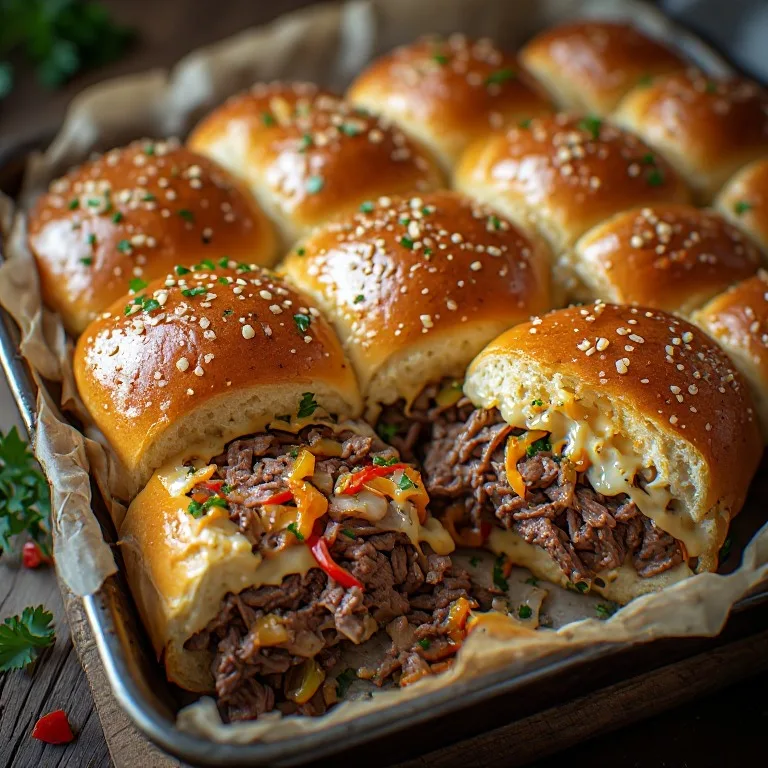
The reason to bake a batch rather than buy a bag: warm, same-day rolls make dramatically better sliders than store-bought. Slice the whole slab in half horizontally without separating the rolls, layer deli meat and cheese across the bottom, pour a butter-and-seasoning glaze over the top, and bake covered until the cheese melts. The sweetness of the roll against salty, savory filling is the entire appeal. Two popular versions use this exact method: roast beef French dip sliders and Philly cheesesteak sliders. If you want a crustier pull-apart roll for a steakhouse-style dinner instead, the Texas Roadhouse rolls are the move.

If Your Rolls Come Out Dense

Nine times out of ten, dense rolls trace back to too much flour. Enriched dough should feel softer and tackier than lean bread dough — if it’s smooth and easy to handle like pizza dough, you’ve added too much. Weigh if you can: 3 1/2 cups is about 440 grams, and more than 500 grams will tighten the crumb. The other two culprits are under-proofing (the rolls should visibly fill the pan and look puffy before baking) and killing the yeast with liquid hotter than 115F. When in doubt, let the dough rise longer rather than rushing it.
🥗

Make It Healthier

Love King's Hawaiian Sweet Rolls but want a lighter version? Try these simple swaps:

  • ✓Swap half the all-purpose flour for white whole wheat flour to add fiber without noticeably changing the texture.
  • ✓Replace the honey with 1/4 cup sugar to reduce sweetness slightly and cut about 15 calories per roll.
  • ✓Use 2% milk instead of whole milk — the difference in texture is minimal.
  • ✓Skip the butter brush and the rolls still taste great; it mainly adds richness to the top crust.

Frequently Asked Questions

Do King's Hawaiian rolls actually have pineapple juice in them?

The ingredient list on commercial King's Hawaiian rolls does not include pineapple juice — the sweetness comes from sugar and liquid sugar (a high-ratio corn-syrup-based sugar solution used in commercial baking). The pineapple juice in copycat recipes is a home-kitchen approximation: it introduces a subtle fruity sweetness and slight acidity that mimics the flavor profile of the commercial product. Honey does similar work. Both are copycat conventions, not secrets from King's original formula.

What makes King's Hawaiian rolls so soft?

Three things: enriched dough (eggs + butter + milk, all of which tenderize gluten), high sugar content (which slows gluten development and keeps crumb soft), and a commercial process that includes potato flour and ascorbic acid as dough conditioners. At home, fully kneading the dough (7 minutes by stand mixer or 10–12 by hand) and stopping short on flour — keeping the dough just-barely-tacky rather than stiff — replicates the cloud-soft texture. The second rise in the pan, where the rolls push against each other, also keeps the sides steamy and tender.

Can I make King's Hawaiian rolls ahead for Thanksgiving?

Yes — two methods. Refrigerator method: after shaping the 12 rolls in the pan, cover tightly and refrigerate for up to 16 hours before the second rise. The morning of Thanksgiving, pull from the fridge and let rise at room temperature for 1 to 1.5 hours until puffy, then bake as directed. Freeze method: fully bake and cool the rolls, then freeze in an airtight bag for up to 2 months. Day of: thaw at room temperature for 1 hour or warm at 300F for 8–10 minutes. The refrigerator rise also deepens the flavor through a slow ferment.

What are King's Hawaiian rolls good for besides dinner?

Pull-apart sliders are the most popular use — ham and Swiss, turkey, or roast beef French dip. The rolls' sweetness plays well against salty, savory fillings. Breakfast sliders with egg, cheese, and bacon are a close second. At the Thanksgiving table, they replace dinner rolls in most households — the soft texture soaks up gravy better than crustier rolls, and the sweetness pairs naturally with cranberry sauce. King's Hawaiian also sells slider-specific packs (12-pack rectangular tray meant to be cut in half and stacked) designed for this exact use.

Why do copycat King's Hawaiian rolls look different from the originals?

Two differences are hard to replicate at home. First, the originals are baked in rounds with 4 rolls per mini-pack (a 2x2 cluster), not a full 3x4 pan — the smaller cluster gives each roll more exposed sides and a slightly different crust. Second, commercial dough conditioners (potato flour, ascorbic acid) give the crumb an especially fine, uniform texture. Home versions baked in a 9x13 pan come out more rectangular and slightly rustic-looking but taste very close. If you want the round mini-cluster format, bake in a muffin tin or use 4-roll clusters in a quarter sheet pan.

Love this recipe? Share it!

Free PDF: our 12 most-wanted copycat recipes — instant download.

Made it? Buy us a coffee

Every recipe here is free, with no paywalls. If this one was a hit at your table, a small tip keeps new copycats coming.

$

King's Hawaiian is a trademark of its owner, used here only to describe the dish this recipe recreates. This is an independent copycat written in our own words — Copycat Spices is not affiliated with, endorsed by or sponsored by King's Hawaiian.

Ratings & Reviews

—
No ratings yet

Rate this recipe

Click a star to rate

Leave a Review

0/500

CS

Copycat Spices Editorial

Researched + fact-checked. Every recipe on Copycat Spices is built from published sources — official ingredient lists, brand-published recipes, interviews and food-science references — and fact-checked before it goes live, then written as clear, step-by-step instructions for home cooks of all skill levels.

Learn more about our mission →