

Pin It

Los Tacos No. 1 Adobada Tacos (The Famous NYC Taqueria, Made at Home)

Los Tacos No. 1 Adobada Tacos (The Famous NYC Taqueria, Made at Home)
Jump to Recipe
Prep 20 min + overnight marinade Cook 15 min Serves 4 (12 tacos)
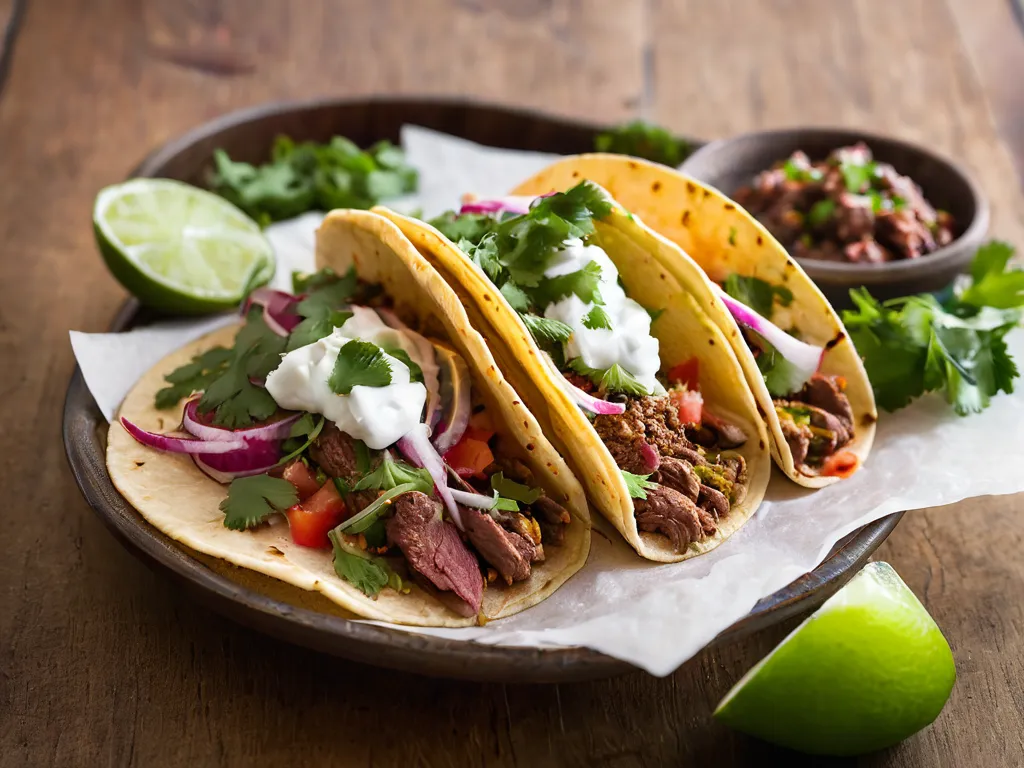
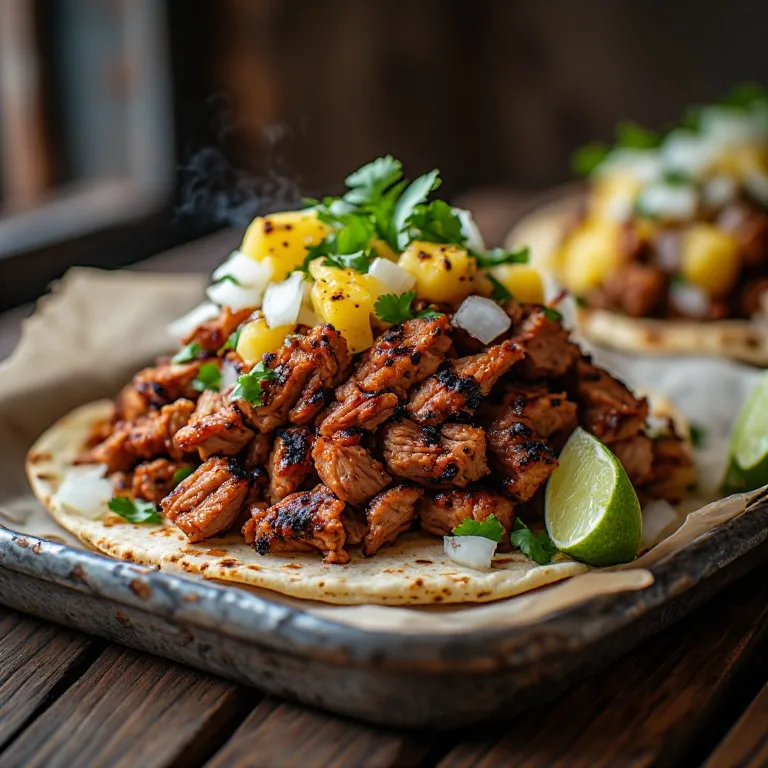
Quick answer: The night before: blend 3 dried guajillo chiles (stems and seeds removed, soaked 20 minutes in hot water), 1 tablespoon achiote paste, 4 garlic cloves, ½ cup pineapple juice, 2 tablespoons white vinegar, 1 teaspoon cumin, 1 teaspoon dried oregano, 1 teaspoon kosher salt, and ½ teaspoon black pepper until completely smooth. Slice 1.5 lbs of pork shoulder against the grain into ¼-inch planks. Toss the pork thoroughly in the marinade. Cover and refrigerate overnight — minimum 4 hours, 12 to 24 is better. To cook: set your broiler to high and position a rack 4 inches below the element. Spread the marinated pork in a single layer on a foil-lined rimmed baking sheet — do not crowd. Broil for 8 to 10 minutes, flipping once halfway, until the pork is deeply caramelized and charred in spots. While the pork broils, brush ½-inch pineapple rounds with neutral oil and char them on a dry cast-iron skillet over high heat, about 2 minutes per side. Chop the pork into coarse pieces. Char small corn tortillas directly over a gas flame, 15 seconds per side. Build the tacos: corn tortilla, chopped adobada pork, a chunk of grilled pineapple, a generous pinch of diced white onion, fresh cilantro, and a squeeze of lime. At Los Tacos No. 1, adobada tacos run $5–7 each in Manhattan. At home, 12 tacos for four people cost under $18.

Shop the tools

Gear matched to this recipe. These are Amazon affiliate links — we may earn a small commission if you buy, at no extra cost to you.

As an Amazon Associate, Copycat Spices earns from qualifying purchases. Product images are generic illustrations, not the exact item listed.

Los Tacos No. 1 Adobada Tacos (The Famous NYC Taqueria, Made at Home)

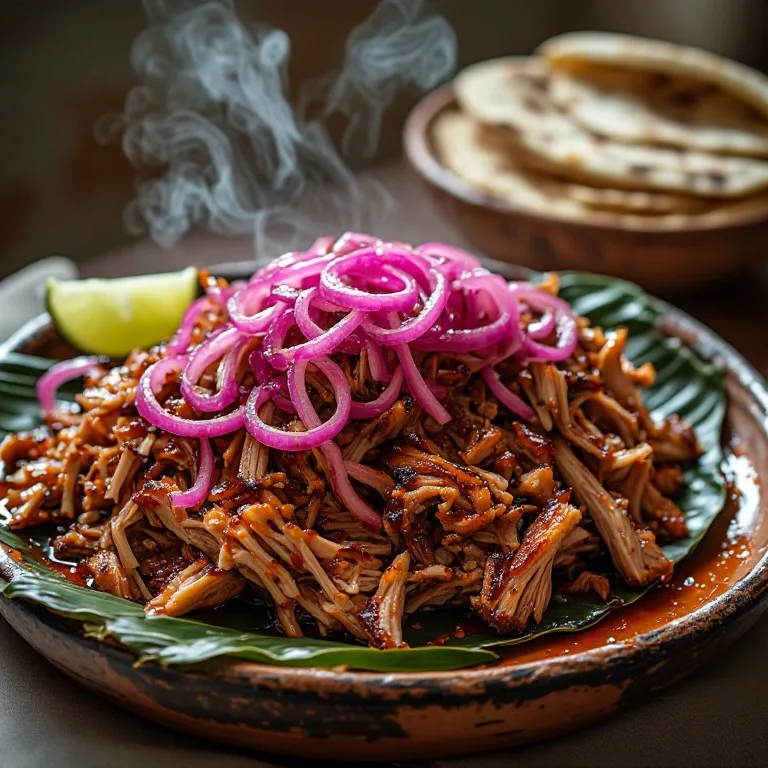
The famous Los Tacos No. 1 adobada tacos at home: pork shoulder sliced thin and marinated overnight in guajillo chiles, achiote, and pineapple, then broiled until charred and served on charred corn tortillas with grilled pineapple, white onion, and cilantro. At the restaurant, these tacos run $5–7 each. At home, you can make a dozen for under $18.

Easy Prep: 20 min + overnight marinade Cook: 15 min Total: 35 min4 (12 tacos) servings ~$4.50/serving
Prep20 min + overnight marinade
Cook15 min
Total35 min
Servings
4
At home~$4.50/serving
vs
Restaurant~$20.25/serving
You save ~78%

The Story Behind the Recipe

Los Tacos No. 1 began in 2013 as a taco stand inside Chelsea Market — a small counter tucked between the food vendors with no seats and lines out the door. The founders, originally from Tijuana, brought the taquero tradition of cooking pork on a vertical trompo spit to Manhattan. Word spread fast. New Yorkers who had never sought out tacos waited 20 minutes for one. By 2026 the concept had expanded to nine locations across Manhattan, but the menu has barely changed: handmade corn tortillas, four proteins, white onion, cilantro, and salsa. No cheese, no sour cream, no lettuce. At $5–7 per taco, a meal still costs $15–20 per person.

The adobada is their signature: pork shoulder marinated in a paste of dried guajillo chiles, achiote (the red seed paste from the annatto tree), pineapple, vinegar, and spice, then shaved from the trompo in thin, crispy-edged curls. The pineapple at the top of the spit drips sweet juice down the rotating meat as it cooks — that's what creates the caramelized edge that makes the taco. At home, the broiler replicates this: screaming high heat, thinly sliced marinated pork, caramelization that happens fast. The marinade takes ten minutes to blend; the overnight rest does the rest of the work. The technique that matters most is the same one they use: thin slices, maximum heat, move fast.

Nutrition Facts

Per serving (4 (12 tacos) servings)
Calories420
Total Fat16g
Total Carbs38g
Dietary Fiber4g
Sugars10g
Protein32g
Sodium720mg

* Estimated values based on standard recipe preparation. Actual values may vary.

Ingredients

  • Adobada marinade
  • Pork
  • Grilled pineapple
  • To assemble

Instructions

💡
Pro tip: This recipe tastes even better the next day. The flavors need time to meld together in the fridge.
❄️
Storage: Keeps in an airtight container in the fridge for up to 2 weeks. Freezer-friendly for up to 3 months.
🎃 Free Halloween cookbook — download now The Copycat Halloween Cookbook A ready-made, photo-illustrated PDF of our best halloween copycat recipes — free to download, no building required. Pay what you want to support if you love it.

Free PDF — instant download. We'll also send new seasonal copycat recipes now and then; unsubscribe anytime. Or just download it →

Copycat Los Tacos No. 1 Adobada Tacos (The Famous NYC Taqueria, Made at Home)

Los Tacos No. 1’s adobada taco is one of those dishes that convinces New Yorkers — people who normally eat $30 pasta and $22 burgers — to wait 20 minutes in a Chelsea Market hallway for a $6 taco. What makes it different from every other al pastor in the city is the char: pork shaved from a vertical trompo spit, with crispy caramelized edges, a bite of grilled pineapple, and nothing else getting in the way.

The home version gets there with a broiler and an overnight marinade. The trompo is a vertical rotating spit with a pineapple at the top — not something that translates to a home kitchen. But the broiler achieves the same result on thinly sliced marinated pork: screaming high heat, fast caramelization, charred edges. The marinade — guajillo chiles, achiote paste, pineapple juice, vinegar — does the real work overnight. The cooking takes 10 minutes.

What Makes Los Tacos No. 1’s Adobada Different

Most NYC al pastor is built on a Mexico City tradition: sweeter marinade, more heavily spiced, fine shavings from the spit. Los Tacos No. 1 uses the Tijuana style: tangier from the vinegar, more aggressively charred, chunkier pieces rather than translucent shavings. The pineapple is grilled separately and added as a charred chunk — caramelized, not raw. The tortillas are small, double-stacked, directly flame-charred. Onion and cilantro only — no cheese, no sour cream, no avocado. Clean.

The Overnight Marinade

The marinade has three jobs: color (achiote and guajillo together produce the characteristic deep red-orange), flavor (the dried chile, cumin, oregano, garlic base), and tenderization (the pineapple juice and vinegar break down the muscle fibers). After 12 to 24 hours in the marinade, the pork slices are deeply red, visibly softened, and ready to take on the char immediately when they hit heat.

Guajillo chiles — long, dark red, with a mild fruity heat — are the backbone. Achiote paste is the other essential ingredient. Together they produce the earthy, slightly floral depth that distinguishes this from a generic pork taco.

The Char Is Not Optional

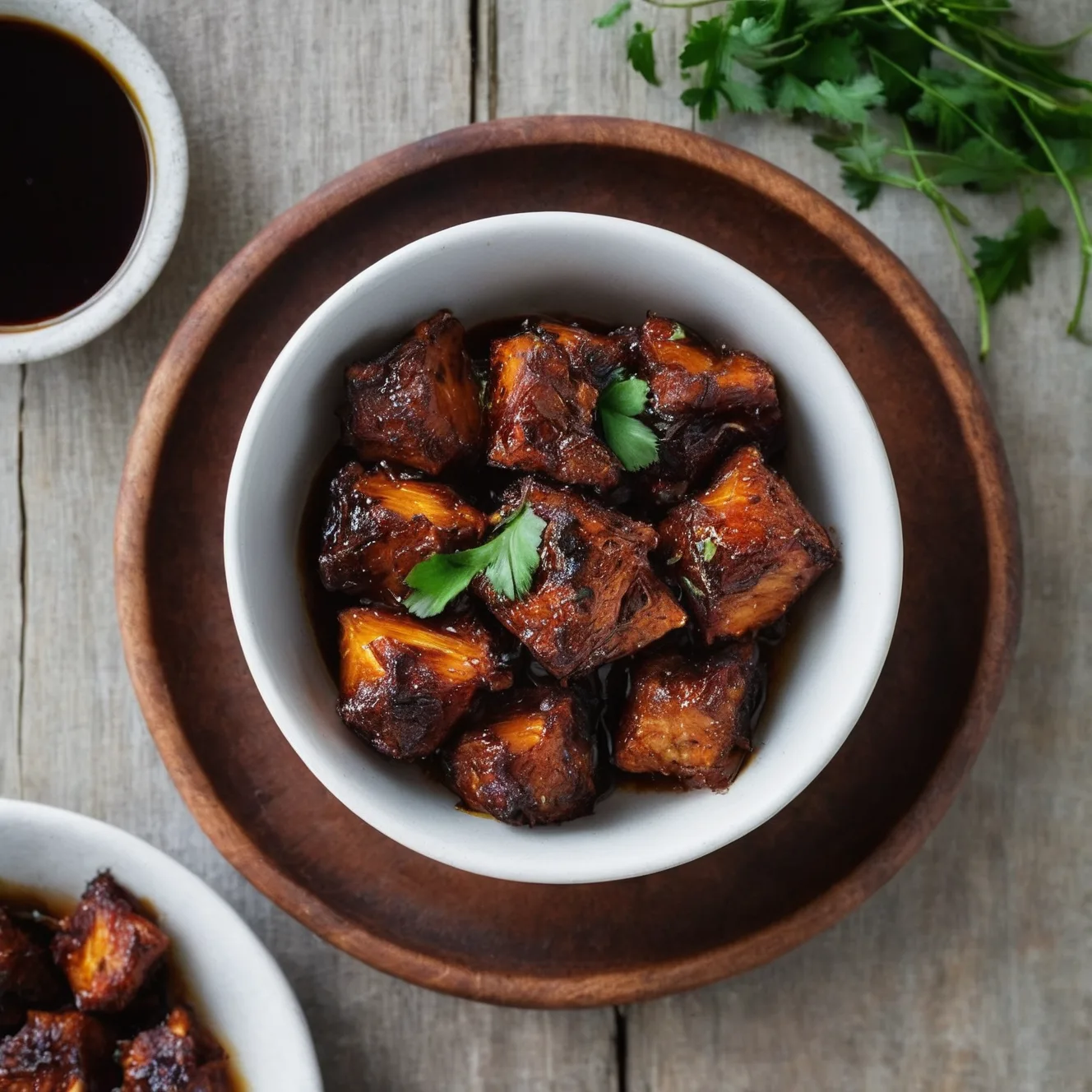
The char is the point. Adobada pork that is simply cooked through without browning is fine; adobada with caramelized edges and some dark-char pieces in the mix is what makes the taco worth waiting for. The marinade contains sugars (from the pineapple juice and the achiote paste) that caramelize under high heat and create a slightly sticky, intensely flavored crust. Under the broiler at high heat, this happens in 8 to 10 minutes. Do not let it steam — spread the pork thin, work in batches if needed, and let the broiler do its job.

Building the Taco

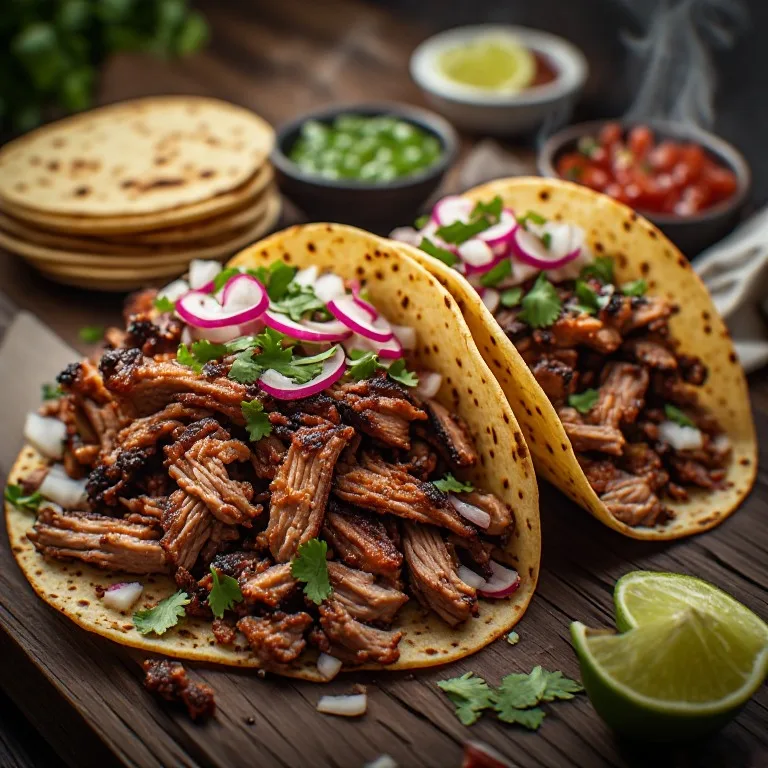
Los Tacos No. 1’s assembly: two corn tortillas (doubled, slightly offset from each other), a spoonful of chopped adobada, two or three chunks of charred pineapple, a pinch of white onion, cilantro, and lime. That’s it. Their green tomatillo salsa — tangy, slightly charred — goes on the side and gets spooned over. Making the salsa at home takes 15 minutes (see FAQ); Herdez Green Salsa is the store-bought benchmark and entirely acceptable.
🥗

Make It Healthier

Love Los Tacos No. 1 Adobada Tacos (The Famous NYC Taqueria, Made at Home) but want a lighter version? Try these simple swaps:

  • ✓Swap pork shoulder for skinless chicken thighs to cut fat by roughly a third — marinate and broil identically; thighs handle high heat well and stay juicy. Avoid chicken breast, which dries out under the broiler before charring.
  • ✓Reduce sodium to under 500mg per serving by cutting the marinade salt to ½ teaspoon and using a low-sodium achiote paste if available — the guajillo chiles and vinegar carry enough flavor at lower salt levels. Skip any added salt on the tortillas.
  • ✓Use a lettuce cup instead of corn tortillas (or serve the pork over cauliflower rice) to make this low-carb and gluten-free — the adobada pork and pineapple are the flavor core; the tortilla is a vehicle, not the point.
  • ✓Don't skip the charred pineapple topping — beyond flavor, it adds fiber and vitamin C for essentially no added fat, and its natural acidity balances the richness of the pork so you need less salt in the marinade. (Keep the marinade juice canned, though — fresh pineapple's active bromelain over a long marinade turns the pork mushy.)

Frequently Asked Questions

What is adobada, and how is it different from al pastor?

Adobada and al pastor are closely related but come from different regional traditions. Al pastor — 'shepherd style' — traces directly to Lebanese immigrants in Mexico City who adapted the shawarma spit to pork in the 1960s. The marinade is typically achiote-based with dried chiles and pineapple, and the spit is called a trompo. Adobada is the Tijuana and northern Baja California regional term for what is essentially the same preparation — pork marinated in a red chile adobo sauce and cooked on a spit. The Tijuana version tends to be more vinegar-forward and slightly less sweet than Mexico City al pastor, with a deeper, more heavily charred crust. Los Tacos No. 1, founded by Tijuana natives, calls their version adobada. The techniques overlap so completely that most Tijuana cooks use the terms interchangeably. The distinction that matters at home: Los Tacos No. 1's adobada is chunkier, more aggressively charred, and tangier than the sweeter CDMX al pastor you might find elsewhere.

What is achiote paste and where do I buy it?

Achiote paste (also sold as recado rojo) is made from ground annatto seeds — the brick-red dried seeds from the Bixa orellana tree, which give the marinade its characteristic brick-red-to-orange color — combined with dried oregano, cumin, black pepper, cloves, cinnamon, and vinegar, pressed into a firm block. It has an earthy, subtly floral flavor that is completely unlike anything else: mildly bitter, faintly sweet, and deeply colored. Without it, adobada loses its characteristic redness and much of its complexity. Achiote paste is sold in most Latin grocery stores, Whole Foods, Walmart (International aisle), and online — the most common brand is El Yucateco (in a brick with foil wrapping) and Goya. Do not substitute ground annatto seeds alone; the paste includes spices that a plain seed grind won't provide. If you genuinely cannot find it, 1 tablespoon of paprika plus ½ teaspoon of turmeric and ½ teaspoon of dried oregano gets you close on color and depth, though not the same.

My oven has no broiler — what other methods work?

The best home alternatives to the trompo are, in order: (1) High-heat cast iron or carbon steel skillet — heat an uncoated skillet over the highest flame your stove produces for 3 full minutes, add the marinated pork slices in a single layer without touching, and cook 2 to 3 minutes per side until deeply charred. This is faster than the broiler and produces more pronounced char on individual pieces. Work in batches — crowding steams the pork instead of searing it. (2) Outdoor charcoal grill over direct high heat — grill thin pork slices 2 minutes per side directly over the coals. Charcoal adds a subtle smokiness the broiler and skillet can't quite match. (3) Sheet pan in a screaming-hot oven at 500°F for 12 to 15 minutes — not as fast, but works for large batches. The broiler method in the recipe is the most convenient and produces excellent results without special equipment.

Why does the recipe call for pork shoulder rather than pork tenderloin?

Pork shoulder is the right cut for adobada. It contains more intramuscular fat and connective tissue than tenderloin, which keeps the meat moist and juicy under the aggressive heat of the broiler or spit. Tenderloin is a very lean, delicate muscle — it dries out quickly under high heat and produces stringy, dry tacos rather than the succulent, slightly fatty pieces that make the dish. Shoulder also has more flavor: the fat carries the marinade flavors deeper into the meat over the overnight rest, and the slight marbling produces the caramelized, slightly sticky char at the edges. If pork shoulder is unavailable, pork butt (which is actually the upper shoulder, confusingly) is identical. Bone-in or boneless both work — just remove the bone before slicing.

What tortillas should I use and how should I warm them?

Small corn tortillas are non-negotiable — Los Tacos No. 1 presses their own tortillas fresh. Look for 4-inch corn tortillas rather than the larger 6-inch version. The best brands widely available are La Tortilla Factory (San Jose, CA), Mi Rancho, Guerrero, and any locally made corn tortilla from a Mexican grocery store. Flour tortillas are wrong for this application — they're too soft and their flavor competes with the adobada. To char the tortillas the way Los Tacos No. 1 does: place each tortilla directly over a gas burner set to medium-high flame. Let it sit 10 to 15 seconds until it starts to blister and char slightly, then flip with tongs for another 10 seconds. The tortilla should have dark-brown spots on both sides but should still be pliable. Do not fully char them — they will break when folded. Double the tortillas per taco (two per filling) to prevent tearing, which is how taquerías assemble them.

Los Tacos No. 1 serves three salsas. Which should I make at home?

Los Tacos No. 1 serves green tomatillo salsa, red salsa, and a fiercer habanero option. The green tomatillo is the most important one for adobada — its brightness cuts the richness of the pork and echoes the acidity in the marinade. To make it: blister 6 tomatillos and 1 jalapeño directly over a gas flame or under the broiler until charred, about 8 minutes total. Let cool slightly, then blend with 2 garlic cloves, a small handful of cilantro, the juice of 1 lime, and ½ teaspoon of salt. The whole thing takes 15 minutes and keeps refrigerated for a week. A good store-bought tomatillo salsa — Herdez Green Salsa is the benchmark — works perfectly well if you are short on time. What to avoid: pre-made pico de gallo (too watery) and jarred red enchilada sauce (wrong flavor entirely).

How do I slice the pork thin enough without a deli slicer?

The goal is ¼-inch slices — thin enough to cook quickly and char at the edges, thick enough not to fall apart. Two tricks make this possible without special equipment. First, freeze the pork shoulder for 30 to 45 minutes until it is firm but not frozen through — firm meat slices clean; room-temperature pork is slippery and compresses under the knife. Second, cut against the grain. Identify which direction the muscle fibers run (you will see parallel lines across the surface of the meat), then cut perpendicular to those lines. Cutting with the grain produces long fibrous strips that are tough to bite; cutting against produces short fibers that are tender. A long sharp chef's knife or slicing knife works better than a shorter all-purpose knife — the long blade completes each cut in one smooth stroke without tearing.

Love this recipe? Share it!

Free PDF: our 12 most-wanted copycat recipes — instant download.

Made it? Buy us a coffee

Every recipe here is free, with no paywalls. If this one was a hit at your table, a small tip keeps new copycats coming.

$

Los Tacos No. 1 is a trademark of its owner, used here only to describe the dish this recipe recreates. This is an independent copycat written in our own words — Copycat Spices is not affiliated with, endorsed by or sponsored by Los Tacos No. 1.

Ratings & Reviews

—
No ratings yet

Rate this recipe

Click a star to rate

Leave a Review

0/500

CS

Copycat Spices Editorial

Researched + fact-checked. Every recipe on Copycat Spices is built from published sources — official ingredient lists, brand-published recipes, interviews and food-science references — and fact-checked before it goes live, then written as clear, step-by-step instructions for home cooks of all skill levels.

Learn more about our mission →