

Pin It

Cosme Duck Carnitas Tacos (The Famous ~$98 Dish, Made at Home)

Cosme Duck Carnitas Tacos (The Famous ~$98 Dish, Made at Home)
Jump to Recipe
Prep 15 min + 24 hr dry-cure Cook 3 hr Serves 4
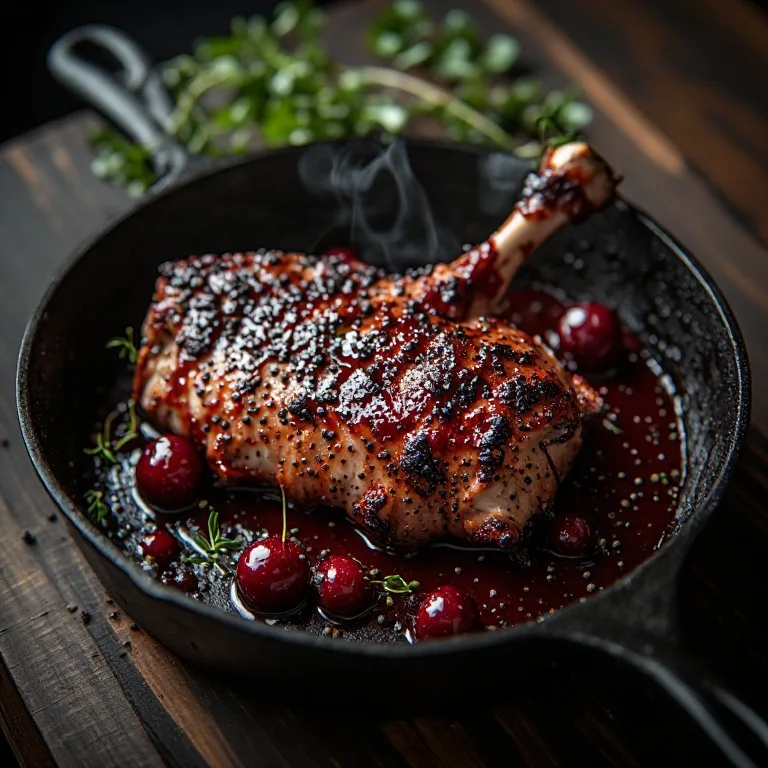
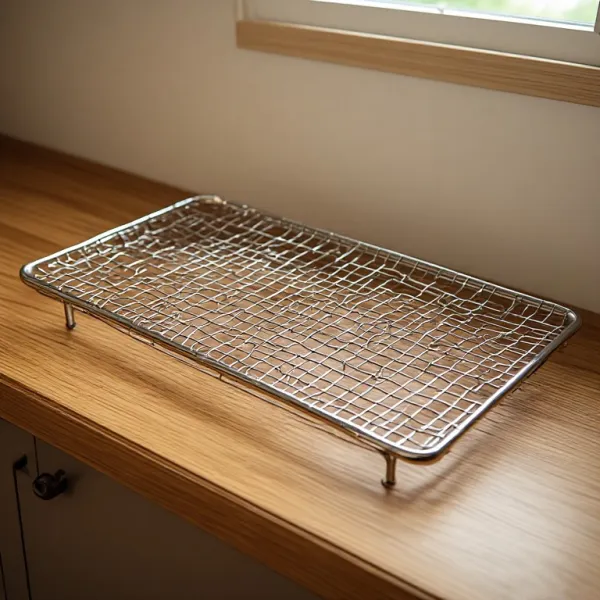
Quick answer: Pat 4 duck legs completely dry. Season all over with 2 teaspoons of kosher salt per leg, set on a wire rack over a sheet pan, and refrigerate uncovered for at least 12 hours — 24 hours is better. When ready to cook, set your oven to 300°F. Place the duck legs skin-side up in a cold heavy Dutch oven or wide braiser over medium-high heat. Sear without moving until the skin is deeply golden — about 8 minutes. Flip and sear the flesh side for 2 minutes, then remove. Add 1 quartered white onion, 1 dried ancho chile (stem and seeds removed), 1 dried guajillo chile (stem and seeds removed), 1 orange quartered with rind on, and 6 smashed unpeeled garlic cloves to the rendered duck fat in the pot. Cook 2 minutes, stirring. Nestle the duck legs back on top. Pour in half a can of sweetened condensed milk (7 oz), half a can of evaporated milk (6 oz), and half a bottle of Mexican Coca-Cola (6 oz). Add enough water to come about halfway up the duck legs — roughly 1 cup. Cover tightly and braise in the oven for 2.5 to 3 hours until the meat pulls cleanly from the bone. Remove the duck, let cool 15 minutes, then pull the meat off the bones in large shreds. Strain and reserve the braising liquid. Return a thin layer of the fat that rises to the top to a skillet over high heat and sear the shredded duck until crispy in spots, about 4 minutes. Serve in warm corn tortillas with thinly sliced radishes, diced white onion, and fresh cilantro. Cosme charges about $98 for its duck carnitas, served in a skillet for two. This recipe serves four for roughly $22 to $30 in ingredients.

Cosme Duck Carnitas Tacos (The Famous ~$98 Dish, Made at Home)

The famous Cosme duck carnitas tacos at home: the 24-hour air-dry that crisps the skin, Mexican Coca-Cola braised in duck fat, and the condensed-plus-evaporated milk combo that makes the meat impossibly silky. Cosme charges about $98 for the shareable duck. This recipe serves four for under $30.

Intermediate Prep: 15 min + 24 hr dry-cure Cook: 3 hr Total: 27h 15m4 servings ~$4.50/serving
Prep15 min + 24 hr dry-cure
Cook3 hr
Total27h 15m
Servings
4
At home~$4.50/serving
vs
Restaurant~$20.25/serving
You save ~78%

The Story Behind the Recipe

The famous Cosme duck carnitas tacos at home: the 24-hour air-dry that crisps the skin, Mexican Coca-Cola braised in duck fat, and the condensed-plus-evaporated milk combo that makes the meat impossibly silky. Cosme charges about $98 for the shareable duck. This recipe serves four for under $30.

Nutrition Facts

Per serving (4 servings)
Calories640
Total Fat32g
Total Carbs42g
Dietary Fiber4g
Sugars14g
Protein48g
Sodium720mg

* Estimated values based on standard recipe preparation. Actual values may vary.

Ingredients

  • Duck and dry-cure
  • Braise
  • To serve

Instructions

💡
Pro tip: This recipe tastes even better the next day. The flavors need time to meld together in the fridge.
❄️
Storage: Keeps in an airtight container in the fridge for up to 2 weeks. Freezer-friendly for up to 3 months.
🎃 Free Halloween cookbook — download now The Copycat Halloween Cookbook A ready-made, photo-illustrated PDF of our best halloween copycat recipes — free to download, no building required. Pay what you want to support if you love it.

Free PDF — instant download. We'll also send new seasonal copycat recipes now and then; unsubscribe anytime. Or just download it →

Copycat Cosme Duck Carnitas Tacos (The Famous ~$98 Dish, Made at Home)

Prep time: 15 min + 24 hr dry-cure Cook time: 3 hr Servings: 4

Cosme opened on East 21st Street in New York City in October 2014. It was Enrique Olvera’s first U.S. restaurant — the second outpost of a career that had already made Pujol in Mexico City one of the most respected tables in the world. New York had plenty of high-concept Mexican restaurants before Cosme. What Cosme did differently was apply fine-dining technique to the specific flavors of Mexican home cooking — dishes built on memory and mother’s recipes, executed with the rigor of a Michelin kitchen.

The duck carnitas tacos became the restaurant’s signature dish almost immediately. The creation belongs to Daniela Soto-Innes, Cosme’s former chef de cuisine, who went on to win the World’s Best Female Chef award from the World’s 50 Best Restaurants in 2019 at age 28 — the youngest person ever to receive it. Soto-Innes started with a carnitas recipe from her mother and asked: what if the pork were duck? The resulting dish requires four days of preparation, involves a braising liquid with 11 ingredients, and now runs about $98 — served in a cast-iron skillet with a stack of warm tortillas, meant to be shared by two. (It launched in the $60s and has climbed steadily; recent checks have it at $98 and, at some sources, into the low $100s.)

Getting a table at Cosme is difficult by design. The restaurant is small and perpetually booked. It has held a Michelin star, appeared on the World’s 50 Best Restaurants list, and counts among its regulars the kind of diners who are used to securing impossible reservations. The duck carnitas is a dish that most people who want it will never actually order. This recipe is the next-best option.

What Makes the Cosme Carnitas Different From Every Other Duck Recipe

Traditional Mexican carnitas — the pork kind — are braised in lard or vegetable fat until tender, then crisped in that same fat. The fat is the medium. Cosme’s duck carnitas follows the same logic (the braise is duck-fat-forward, essentially a confit), but the braising liquid Soto-Innes built around it is something else entirely: orange, dried ancho and guajillo chiles, onion, garlic, Mexican Coca-Cola, sweetened condensed milk, and evaporated milk, all combined and left to simmer overnight with the duck.

The condensed and evaporated milks are the dish’s signature and its most-copied detail. Most home recipes either skip them entirely or use one without the other. This misses the point. The condensed milk adds a caramelized sweetness — a subtle, almost burnt-milk character that develops over hours of slow cooking and rounds out the bitterness of the orange peel and dried chiles. The evaporated milk contributes concentrated dairy protein and fat that gradually emulsify into the braising liquid, producing a silkier consistency and a different kind of tenderness in the meat. Together, they are the reason Cosme’s carnitas tastes unlike anything else.

The Mexican Coca-Cola is not a gimmick. The U.S. formula uses high-fructose corn syrup; the Mexican formula uses cane sugar. In a long braise, HFCS can produce an off, slightly medicinal sweetness as it cooks down. Cane sugar caramelizes more cleanly, contributing a rounded sweetness that integrates with the orange, the chiles, and the dairy without competing with them.

The ~$98 Restaurant Dish vs. the Home Version
CosmeHomemade (4 servings)
Price~$98 for the shareable duck~$6 to $8 per person
ServesTwoFour
Prep lead time4 days24 hours
Active cook timeOvernight braise + morning crisping3 hours oven + 10 min crisping
CutWhole duck, deboned1 duck leg per person (4 legs total)
TortillaHouse-made blue cornStore-bought corn tortillas

The restaurant’s production scale — dozens of ducks hanging at once, overnight braising for a hundred-plus-cover service — compresses the home version significantly. For home cooking, duck legs replace whole ducks, a 3-hour oven braise replaces the overnight, and a 24-hour refrigerator dry-cure replaces the three-day hang. The flavor is close. The experience of tableside carving with habanero and salsa verde in a room full of beautifully dressed New Yorkers does not translate.

The Three Things Most Copycat Recipes Get Wrong

1. Skipping the dry-cure — or starting with wet duck

The restaurant hangs whole ducks uncovered in a refrigerator for three days before cooking. The purpose is purely textural: cold circulating air evaporates moisture from the skin, leaving a dry, tight surface that sears differently than wet skin. Wet skin steams in the pan before it can brown. Dry skin renders, crisps, and produces the crackle you see in the photos. At home, a minimum of 12 hours uncovered in the refrigerator — 24 hours is better — gets you 70 to 80 percent of the way there. Most home copycat recipes skip this step entirely and wonder why their skin is flabby.

2. Using regular Coke instead of Mexican Coke

Mexican Coca-Cola is sold at most Hispanic grocery stores, Trader Joe’s, Whole Foods, and many Walmart locations. It comes in a glass bottle and lists “sucrose” or “cane sugar” in the ingredients. The flavor difference in a three-hour braise is real: cane sugar caramelizes more cleanly and integrates with the orange and chiles more smoothly than the U.S. corn syrup formula. If Mexican Coke is genuinely unavailable, Boylan’s Cane Cola is a solid substitute. Regular Coke works but produces a slightly flatter result.

3. Missing the dual-milk combination — or using just condensed

Some copycat recipes use only condensed milk (too sweet, no tenderizing effect). Some use only evaporated milk (fine but flat). A few skip dairy entirely. The Soto-Innes braise uses both: condensed for sweetness and caramelized depth, evaporated for body and tenderness. They are not interchangeable. Check the can labels: condensed milk is very thick and sweet; evaporated milk is pourable and unsweetened. Substituting one for the other, or using American-style Carnation evaporated milk in place of condensed, produces a noticeably different dish.

How the Restaurant Prepares It

Understanding the restaurant’s process helps translate it correctly to home cooking. At Cosme:

  • Day 1 to 3: Whole ducks hang uncovered in the walk-in refrigerator. The cold dry environment pulls moisture from the skin.
  • Day 4 morning: Ducks are broiled under high heat — not seared in a pan but blasted with overhead infrared — until the skin starts to color. This step sets the exterior before it ever touches the braising liquid.
  • Day 4 afternoon/evening: The broiled ducks go into large hotel pans with the braising liquid (duck fat, onion, orange, dried chiles, garlic, Mexican Coke, condensed milk, evaporated milk) and simmer overnight in a low oven.
  • Day 5 morning: The first cooks to arrive debone and portion the cooked ducks. The meat is shredded and crisped to order in duck fat from the braising liquid.

The home version collapses the timeline but preserves the technique at each step: dry-cure, sear, braise, shred, crisp. What you are making is structurally identical; the difference is scale and lead time.

The Braise

The braising liquid looks improbable when you make it — a mixture of dark Coca-Cola, condensed milk, evaporated milk, orange quarters, and dried chiles does not look like something that will turn into a coherent sauce. It does. Over three hours at 300°F, the sugars caramelize, the chiles infuse, the orange peel contributes a slight bitter counterpoint, and the milks gradually integrate into the duck fat. What comes out of the oven is a mahogany-dark, intensely savory-sweet braising liquid that you should strain and save. It can be reduced into a sauce, used as the base for a duck soup, or stored in the refrigerator for a week.

The duck fat that rises to the top of the braising liquid when chilled is among the best cooking fats you will ever produce in your kitchen. Use it to roast potatoes, cook eggs, or sear anything that wants richness. Duck confit fat is sold for $15 to $20 per pound. You will produce three to four tablespoons from this recipe as a byproduct.

Serving at Home

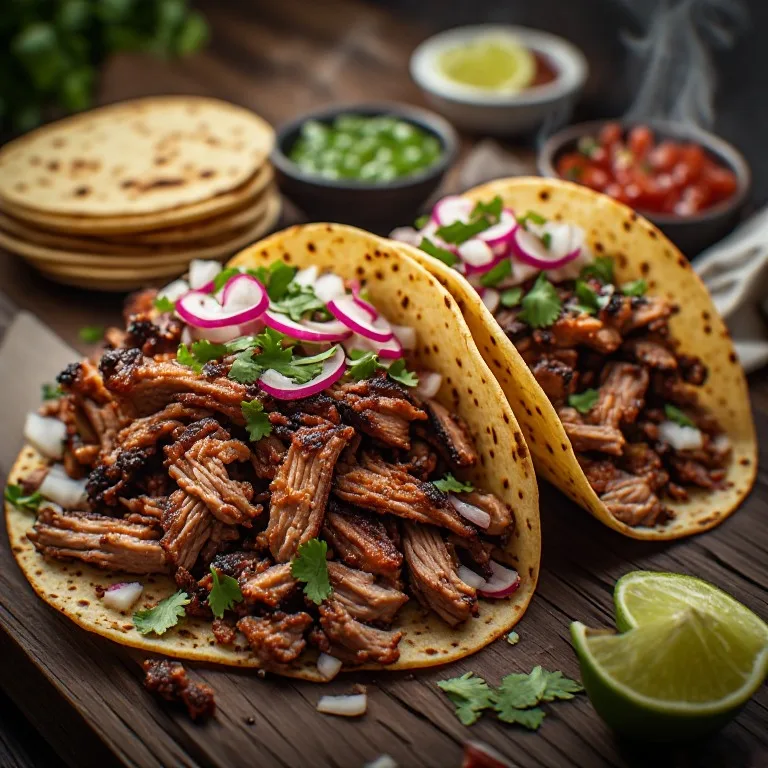
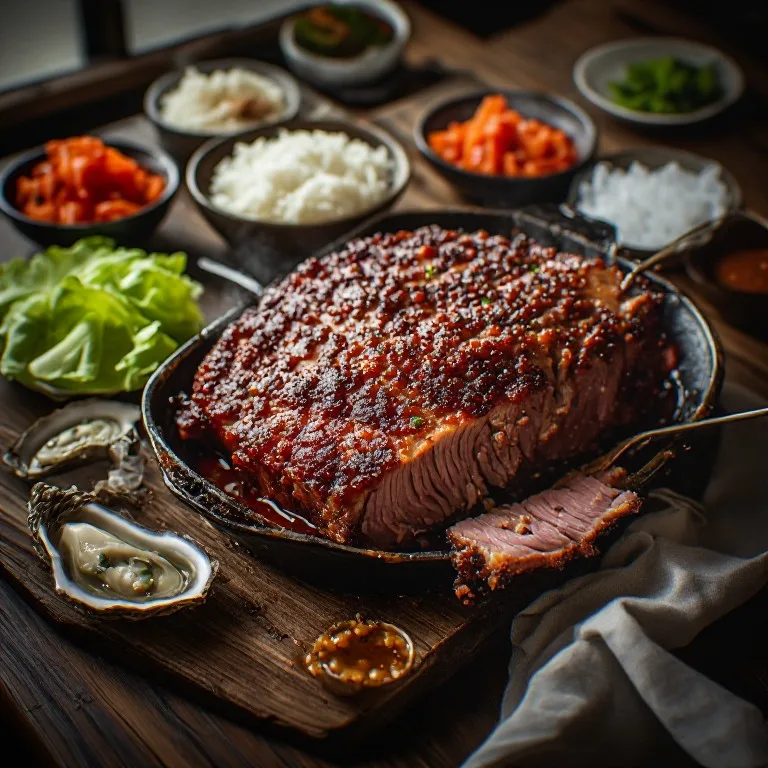
Cosme serves the duck carnitas tableside with house-made blue corn tortillas, thin radish slices, diced white onion, cilantro, habanero salsa, and salsa verde. The tableside presentation — a whole duck brought out in its skillet to share — is part of the restaurant experience and not something that translates to a home kitchen. What does translate is the assembly: warm tortillas (store-bought blue corn if you can find them), a generous pile of crisped shredded duck, a few paper-thin radish slices, a pinch of diced white onion, and cilantro. The cooling crunch of the radish against the hot, fatty duck is functional, not decorative.

A squeeze of lime is mandatory. Habanero salsa — El Yucateco or Valentina Extra Hot — does the work of the house salsa verde at a fraction of the effort.
🥗

Make It Healthier

Love Cosme Duck Carnitas Tacos (The Famous ~$98 Dish, Made at Home) but want a lighter version? Try these simple swaps:

  • ✓Remove the duck skin before shredding to cut about 120 calories and 14 grams of fat per serving. The braised meat itself is lean and the braising liquid keeps it moist without the skin. You lose the crispy textural contrast but not the flavor.
  • ✓Use smaller 4-inch tortillas (street-taco size) instead of standard 6-inch — this naturally controls portions and makes it easier to eat 2 tacos instead of 3. Pile the toppings generously; the radishes, onion, and cilantro add volume with essentially zero calories.
  • ✓Stretch 4 duck legs to serve 6 by adding black beans or charred corn as a base in each tortilla before the carnitas. The duck is rich enough that a smaller portion over a legume base is still satisfying.
  • ✓The braising liquid, once strained and chilled, produces a flavorful gelatin-rich stock — skim the fat and use it as the base for a duck consommé, a rice braise, or a quick duck soup with tortilla strips the next day.

Frequently Asked Questions

What is the difference between Mexican Coca-Cola and regular Coke, and does it really matter?

Mexican Coca-Cola is made with cane sugar; the U.S. formula uses high-fructose corn syrup. The difference in a braise is meaningful — cane sugar caramelizes more cleanly and deeply than HFCS, which can turn slightly bitter under prolonged heat. In a 3-hour duck braise, regular Coke can make the braising liquid taste slightly medicinal; Mexican Coke produces a richer, more rounded sweetness. You can find Mexican Coke at most Mexican grocery stores, Trader Joe's, Whole Foods, many Walmart stores, and some Costco locations. In a real pinch, Boylan Cane Cola or any other cane-sugar cola is a functional substitute. Regular Coke works but produces a noticeably flatter result.

Why condensed milk AND evaporated milk? Can I use just one?

The two milks do different things. Sweetened condensed milk adds sugar and a caramelized dairy richness that rounds out the braise and creates a faint, almost burnt-milk undertone as it cooks — this is what gives the Cosme carnitas their distinctive sweetness without tasting overtly sugary. Evaporated milk is unsweetened and concentrated; it contributes proteins and fat that tenderize the duck and emulsify the braising liquid into something silkier than a plain stock would produce. Using only condensed milk produces a result that is sweet but thin; using only evaporated milk is fine but flat. The combination is the Soto-Innes invention — it's what makes this dish different from any other duck carnitas.

Do I have to use duck legs, or can I use duck breasts?

Use duck legs exclusively. Duck breasts are a lean muscle that dries out under the long braising time — after 3 hours, a breast becomes stringy and chalky. Duck legs contain more fat, more connective tissue, and more collagen; under slow heat, the collagen converts to gelatin that bastes the meat from the inside as it braises. The result is meat that shreds into thick, silky ropes rather than dry fibers. Boneless duck breasts are also significantly more expensive per pound. Cosme uses whole ducks, but for home cooking, pre-cut duck legs give you the exact right cut without butchering a whole bird. Look for them at Whole Foods, D'Artagnan online, or Asian grocery stores.

Why does the recipe start with a cold pan for the sear?

Starting the duck legs in a cold pan and letting the heat rise gradually renders the thick fat under the skin far more completely than dropping the duck into an already-hot pan. A hot pan sears the outer skin before the fat beneath it has time to liquefy and escape — leaving a flabby, greasy layer under a brown crust. Starting cold gives the fat time to slowly melt and render out, producing skin that is genuinely crispy rather than just browned on the surface. This technique is standard for duck at the professional level and makes a material difference.

The dry-cure step takes 12 to 24 hours. Is there a shortcut?

A partial shortcut: if you're cooking the same day, pat the duck legs thoroughly dry with paper towels, then leave them uncovered on a rack at room temperature for 30 minutes before searing. The surface moisture will evaporate and the skin will sear better than wet duck straight from a package. But the overnight refrigerator cure is genuinely worth planning ahead for — it pulls moisture from deeper in the skin through osmosis and produces a different, crispier result than the quick-dry method. The Cosme production process hangs whole ducks in a walk-in refrigerator for three full days. The 24-hour home version is the closest practical analog.

Cosme charges about $98 for duck carnitas. How much does the home version cost?

Four duck legs (about 3 pounds) run $18 to $26 depending on the source — Whole Foods is around $7 to $8 per leg; Asian grocery stores are often $4 to $5 per leg. The rest of the ingredients (two chiles, one onion, one orange, a small can of condensed milk, a can of evaporated milk, one bottle of Mexican Coke) add another $6 to $8. Total cost is roughly $22 to $34 for 4 generous servings. Cosme's duck carnitas runs about $98 (it has climbed from the $60s over the years, and recent checks put it as high as the low $100s), served in a skillet meant for two. Making it at home for four costs less per person than a single restaurant order does for one — the saving covers a very good bottle of wine.

Love this recipe? Share it!

Free PDF: our 12 most-wanted copycat recipes — instant download.

Made it? Buy us a coffee

Every recipe here is free, with no paywalls. If this one was a hit at your table, a small tip keeps new copycats coming.

$

Cosme is a trademark of its owner, used here only to describe the dish this recipe recreates. This is an independent copycat written in our own words — Copycat Spices is not affiliated with, endorsed by or sponsored by Cosme.

Ratings & Reviews

—
No ratings yet

Rate this recipe

Click a star to rate

Leave a Review

0/500

CS

Copycat Spices Editorial

Researched + fact-checked. Every recipe on Copycat Spices is built from published sources — official ingredient lists, brand-published recipes, interviews and food-science references — and fact-checked before it goes live, then written as clear, step-by-step instructions for home cooks of all skill levels.

Learn more about our mission →