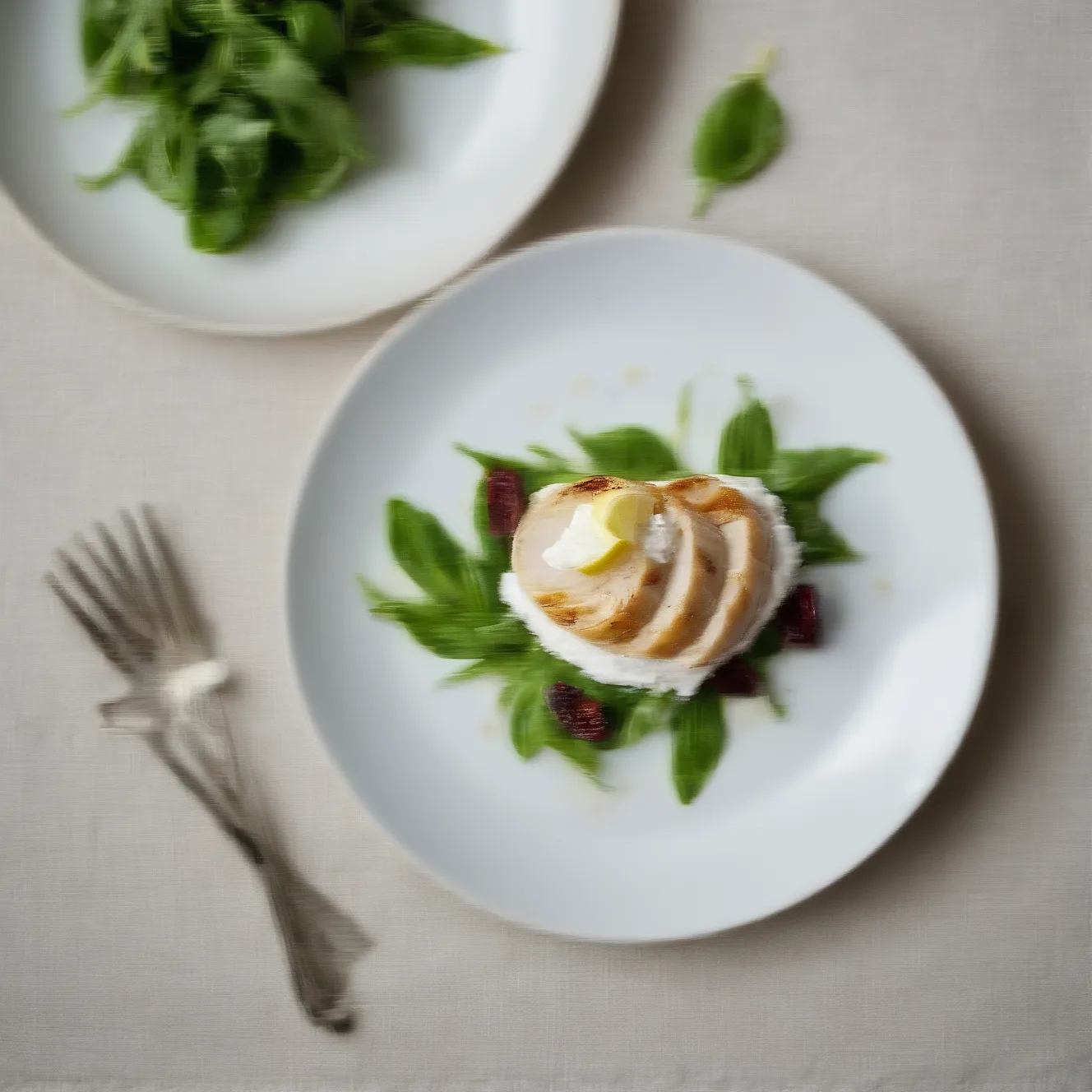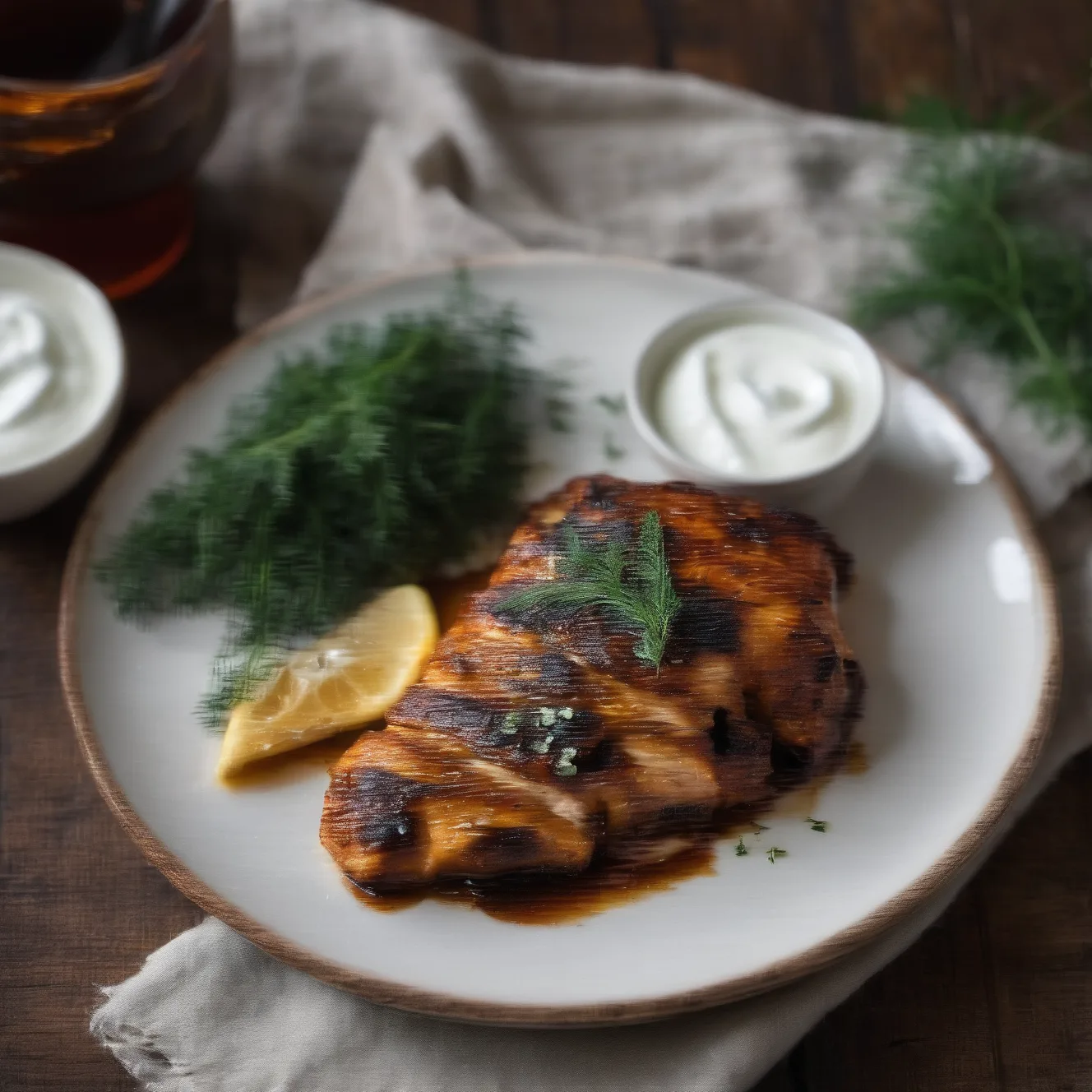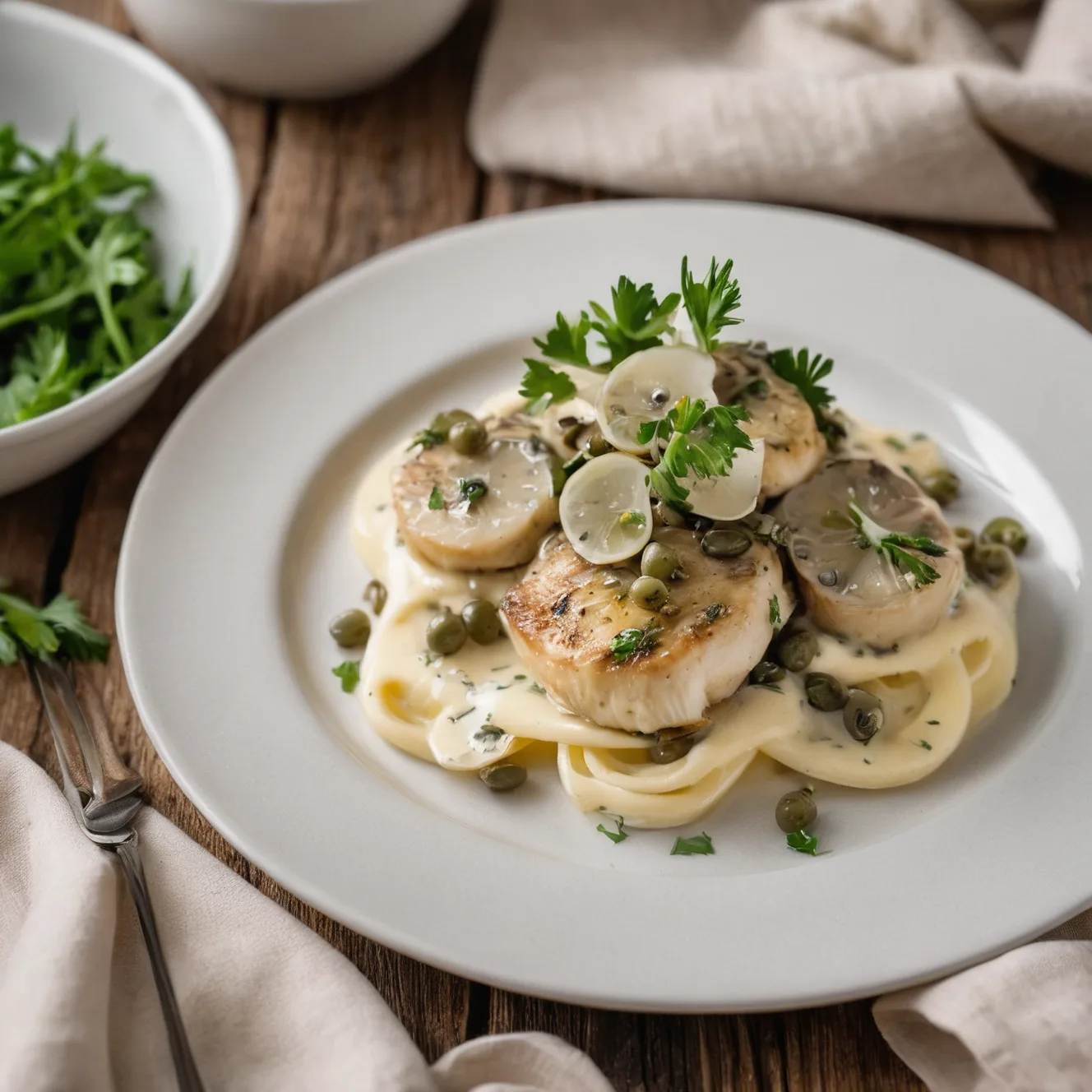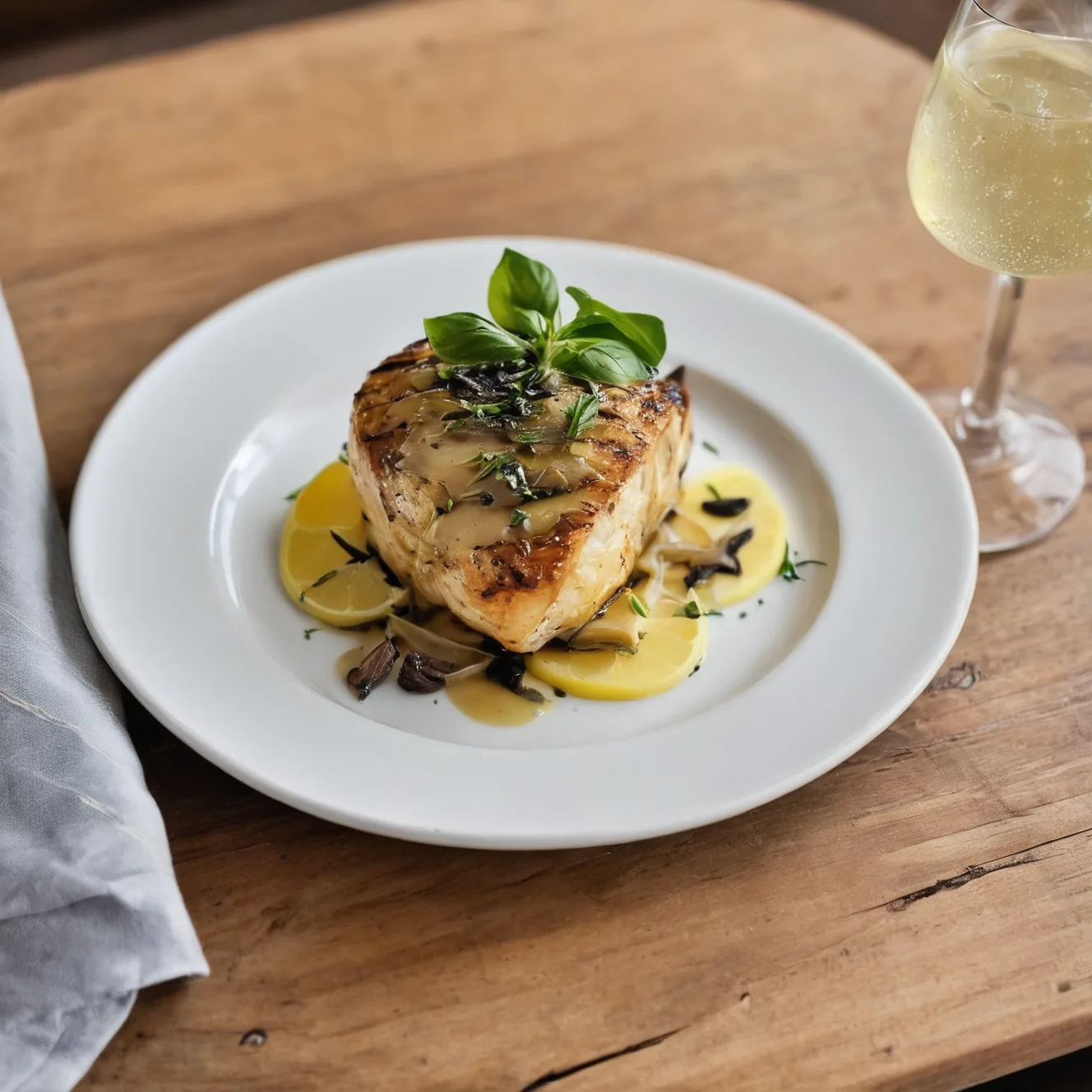
Carrabba’s Pollo Rosa Maria has been on the menu for years, but it rarely gets the detailed copycat treatment that Chicken Bryan does. Most copycat recipes online swap the Fontina for goat cheese and the mushrooms for sun-dried tomatoes — essentially making Chicken Bryan with a different name. The actual dish is distinct in both technique and flavor: the chicken is stuffed and grilled rather than plain-grilled, the topping is mushrooms (not tomatoes), and the overall flavor profile is richer and more savory rather than bright and tangy.
The sauce technique is identical to Chicken Bryan’s — which means if you’ve made one, you already know how to make the other. The real skill here is in the fold.
Why the Fold, Not the Pocket
Most stuffed-chicken recipes instruct you to cut a horizontal pocket into a thick breast and push the filling inside. That method is fussy: the breast wall is thin enough that it’s easy to cut through by accident, and the narrow opening makes it hard to distribute the filling evenly.
Carrabba’s uses a different method: pound the breast thin and fold it. The breast is pounded to an even half-inch, the filling is laid on one half, and the other half folds over like a book. This creates a large surface area of contact between the two halves — far more reliable than a narrow pocket opening. More importantly, you start the breast seam-side down on the grill. The initial sear welds the seam shut with heat before you ever flip it. By the time the first side is done, the filling is sealed in place and won’t escape when you flip.
The Right Fontina
Fontina is the one ingredient in this recipe where sourcing matters. Italian Fontina — specifically Valle d’Aosta Fontina — melts smoothly and has a genuine nutty depth. Most domestic “Fontina” is a different product: it ranges from acceptable to rubbery when heated, and several common brands turn slightly greasy inside a hot, enclosed breast.
Look for “Fontina d’Aosta” or “Fontina Val d’Aosta” on the label, or an Italian flag. If you can’t find it, Gruyère is the closest substitute in both melt behavior and flavor character. Avoid aged domestic Fontina (the wax-coated blocks) — the texture change under heat is noticeable.
What Most Copycat Recipes Get Wrong
Two errors appear in almost every Pollo Rosa Maria recipe online.
First, the wrong cheese. Because Chicken Bryan uses goat cheese and the sauce is similar, most copycat sites simply substitute goat cheese here too. But goat cheese is a surface topping that softens in place; Fontina is a melting cheese designed to create a molten interior. They behave differently and serve different purposes.
Second, the wrong topping. The dish uses mushrooms and basil in the lemon butter sauce — not sun-dried tomatoes. Sun-dried tomatoes are Chicken Bryan. Mixing them up is understandable since the sauce bases are identical, but the result is a different dish.
The Same Sauce, a Different Finish
The lemon butter sauce for Pollo Rosa Maria starts the same way as Chicken Bryan’s: aromatics in butter, white wine and lemon juice reduced by half, pan pulled off the heat, cold butter whisked in piece by piece off-heat until glossy and emulsified. The finishing step diverges: instead of sun-dried tomatoes and a larger basil chiffonade, the Rosa Maria sauce gets the sautéed mushrooms stirred in at the end, with a lighter basil touch.
The mushrooms absorb some of the butter and lemon, so by the time they’re folded into the sauce, they’re carrying the sauce flavor rather than sitting beside it. Every mushroom slice is fully coated when it hits the plate.
Cost Comparison
| Carrabba’s | Homemade | |
|---|---|---|
| Pollo Rosa Maria (per plate) | ~$26–27 | ~$7.50–8.50 |
| 4 servings | ~$104–108 | ~$30–34 |
| Savings | ~$70–75 |
The restaurant price runs roughly $4 higher than Chicken Bryan per plate — the prosciutto and Fontina stuffing accounts for most of that premium. At home, the same ingredients for 4 servings cost roughly the same as one restaurant order.
Getting It Right
- Pound to 1/2 inch, not 3/4. Thinner than Bryan because the breast needs to fold without cracking. A thick breast that cracks when folded means the filling escapes and the seam fails.
- Seam-side down first, don’t move it. Let the seam weld for 5 full minutes before checking. If it’s sticking, it’s not ready. Forcing it early breaks the seam.
- Mushrooms sear, not steam. Don’t crowd the pan. A crowded pan drops temperature and the mushrooms release water and steam rather than brown. Brown mushrooms have a deeper flavor and better texture in the finished sauce.
- Butter off heat, one piece at a time. Same as Bryan — this is a non-negotiable step. If the sauce breaks, a tablespoon of cold water whisked in off heat usually rescues it.
- Serve immediately. The Fontina inside stays molten for about 3 minutes after the breast comes off the grill. Serve quickly — by the time the plate is at the table and the first cut is made, the interior should still be creamy. If you’re making 4 portions on a home grill, stagger the starts so all four finish close together.
Variations
Spinach addition: Layer 2–3 fresh baby spinach leaves on top of the prosciutto before adding the Fontina. Spinach wilts into the filling during grilling and adds a slight vegetal counterpoint to the salty prosciutto. Keep the spinach to a thin layer — too much moisture steams the interior rather than letting the cheese melt clean.
Herb crust: After seasoning the outside with oregano and garlic powder, press a tablespoon of finely grated Pecorino Romano onto the exterior of each breast before grilling. It forms a light, crunchy crust on the grill surface that adds texture without competing with the mushroom sauce.
White truffle oil finish: After plating, add a few drops (no more than 1/4 teaspoon) of white truffle oil over the mushrooms before serving. Italian Fontina is a classic truffle pairing; a modest amount amplifies the earthiness of both the cheese and the mushrooms without overwhelming them.
Storage and Reheating
Store leftover stuffed chicken and any extra sauce separately in airtight containers for up to 3 days. Reheat the chicken at 350°F on a wire rack over a sheet pan for 10–12 minutes — low and slow preserves the Fontina interior rather than drying the breast out. The sauce solidifies when refrigerated (the butter firms); reheat gently in a saucepan over very low heat, swirling to re-emulsify, or microwave in 15-second bursts with a tablespoon of water added.
Do not freeze the stuffed breasts after assembly — prosciutto and Fontina both change texture when frozen raw, and the breast structure weakens on thawing.
Carrabba’s signature dishes share the same lemon butter sauce DNA — see Chicken Bryan for the sun-dried tomato and goat cheese version, and Carrabba’s Mezzaluna for the pasta that uses the same Italian-American flavor profile. For other stuffed-chicken and pan-sauce Italian-American dishes, see Olive Garden Chicken Marsala and Olive Garden Chicken Parm.