

Prep time: 10 min Cook time: 1 hr Servings: 6 (about 5 cups / equivalent to two 24-oz jars)
Rao’s marinara sauce is, in some ways, the strangest premium food product in the United States. It is pasta sauce from a 10-table restaurant in East Harlem that most people will never eat at, sold in a glass jar for $9 to $12 at grocery stores across the country, acquired by Campbell’s for $2.7 billion in 2024. The restaurant has 130 years of history and a reservation situation that is functionally impossible for the general public. The sauce has garlic, onion, olive oil, tomatoes, and basil. That is all. The gap between those two facts — the billions and the ingredients — is what this recipe is about.
Making it at home costs about $5 in ingredients and takes an hour. The technique is simple. The outcome is a sauce that is noticeably different from most things labeled marinara: rounder, less acidic, more cohesive, with an olive oil richness that you taste in the background of every bite.
The Tomato Question
The recipe has two possible shortcuts that will ruin it and one that will not.
The shortcuts that ruin it: using pre-crushed canned tomatoes instead of whole, and using domestic plum tomatoes instead of San Marzano. These are not equivalent swaps. San Marzano tomatoes grown in the DOP zone near Mount Vesuvius are different from domestic canned plum tomatoes in measurable ways — lower acidity, thicker flesh, fewer seeds, more natural sweetness. A sauce built from San Marzano tomatoes does not need sugar. A sauce built from more acidic domestic tomatoes often does, because you are trying to compensate. The recipe has no sugar in it. That only works if you start with the right tomatoes.
Look for cans labeled “DOP” — Denominazione di Origine Protetta — which certifies the tomatoes are from the protected growing region. Reliable brands include La Valle, Cento San Marzano (the green-and-gold can), Mutti Polpa San Marzano, and Bianco DiNapoli. They cost $3 to $5 a can, which is why this batch runs about $5 in ingredients.
The shortcut that works: the jarred Rao’s Homemade Marinara, used as a base for braising or quick weeknight pasta. It is made from the same quality tomatoes, has no added sugar or starch, and is one of the better commercial pasta sauces available. It is also $9 to $12 a jar. This recipe makes approximately two jars’ worth.
The Hand-Crush Method
Whole canned tomatoes are crushed by hand, not processed through a can or blender. This sounds like an affectation. It is not.
A mechanical crusher processes every tomato to the same texture. Hand-crushing is irregular: some pieces collapse into rough shreds, others stay in chunks, a few break almost completely. That variation produces a finished sauce with textural interest — pockets of concentrated tomato where an intact piece has simmered, surrounded by a liquid that has absorbed the diffused flavor of many pieces. A blended or food-processed sauce is uniform throughout. The Rao’s jar is rustic and slightly chunky; the from-scratch version is the same.
The hand-crush also gives you physical inspection of what goes into the pan. The hard core at the stem end of a tomato — pale, pithy, slightly bitter — comes off cleanly when you squeeze and tear the fruit. You feel it and discard it. A can opener does not.
The Onion Rule
The Rao’s method minces the onion fine and cooks it in olive oil for about 3 minutes. The published Rao’s recipe describes the endpoint precisely: cook the onion “until soft and just beginning to brown.” That phrase is the whole rule — soft and sweet, taken just to the edge of color, and stopped there. Not glassy-raw, and not deeply caramelized.
That narrow window matters. When onion softens in warm oil, it releases its sugars and aromatics into the fat that will carry everything else in the sauce. Take it too far into deep browning and the Maillard reaction produces caramelized, nutty compounds — excellent in a French onion soup, a beef braise, or a soffritto for a long-cooked ragu, but not what this sauce is doing. Rao’s marinara is built to let the quality of the San Marzano tomatoes come forward. The onion’s job is to add sweetness and body to the olive oil, not to stack its own roasted character on top of the tomatoes. So: soften it, take it just to the first hint of gold, and add the garlic. Three minutes over medium heat, stirring, is the target — not fifteen.
The Olive Oil Ratio
This recipe uses substantially more olive oil than most marinara formulas — 1/4 cup for two cans, which is roughly double what a basic tomato sauce recipe typically calls for. (The published Rao’s recipe uses 1/2 cup for four cans; this is the same ratio, scaled down.)
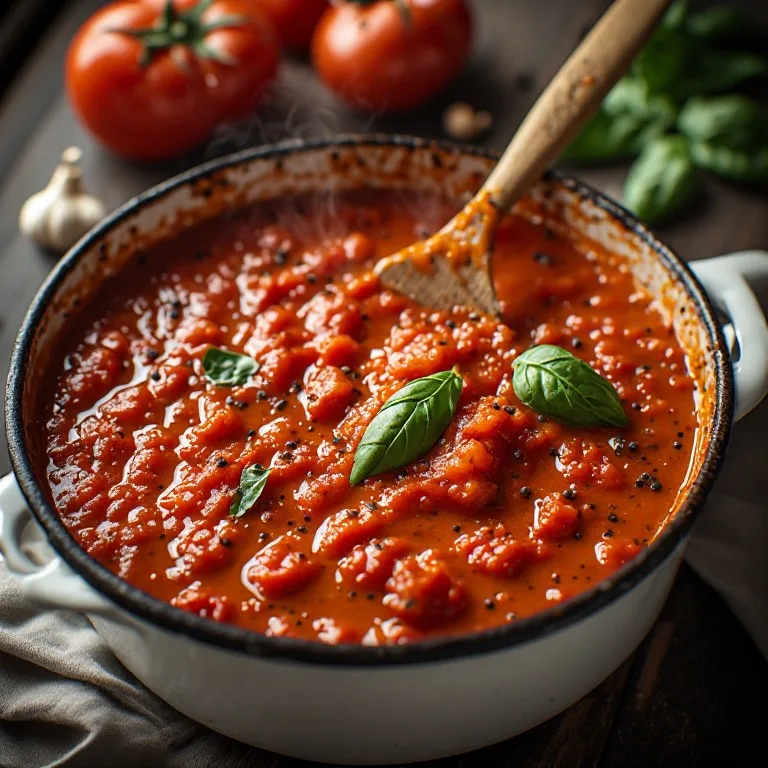
The reason is that olive oil is the carrier. The aromatic compounds from the garlic and onion are fat-soluble; they distribute through the sauce through the fat. The tomato’s own flavor compounds are water-soluble, distributed through the liquid. A sauce with more olive oil is richer and more cohesive because the fat and water are more evenly balanced. The finished Rao’s sauce has a visible sheen on the surface when you ladle it. That sheen is not an accident or a flaw. It is part of the texture.
Use a good extra-virgin olive oil — one that has actual olive flavor, peppery or grassy or fruity. A neutral vegetable oil or a cheap olive oil labeled “light” will produce a technically correct sauce that lacks the olive character that the recipe requires in that quantity.
The Restaurant’s Secret: Fatback
Some published versions of the Rao’s marinara include an ingredient most home cooks skip: fatback, or salt pork — a few ounces, rendered in the empty pan before the olive oil goes in, then discarded.
Rendered pork fat adds a faint savory depth to the sauce. It does not make the sauce taste like meat or like pork — it is a background note, similar to how cooking in lard affects baked goods or how butter enriches something without reading as butter. The restaurant likely uses it; the jarred sauce does not (it is labeled vegetarian and kosher). For a home cook making this sauce for the first time, skip it. The sauce is excellent without it. If you want to add it on a second batch, buy salt pork near the bacon and cured meats section of the grocery store, cut off 4 ounces, and render it in the dry pan for 4 to 5 minutes before proceeding.
The Hour
This is not a quick sauce. Most fast marinara recipes take 15 to 20 minutes. Rao’s simmers for a full hour, and the difference is audible: at 20 minutes, the sauce tastes like good canned tomatoes with garlic. At 60 minutes, it tastes like it has been cooked.
The hour allows the tomato pieces to break down and integrate with the oil and aromatics. The separate flavors — sweet tomato, sharp garlic, mellow onion — merge into something more unified. The color deepens from bright red toward red-orange. The texture tightens slightly as liquid evaporates. The acidity softens.
You do not need to stir it constantly. Every 10 to 15 minutes is enough. Partial cover keeps the heat in while allowing some evaporation. A rolling boil is too aggressive — medium-low heat and a steady, lazy bubble is correct.
What to Use It With
The obvious use is pasta, but the sauce’s clean, quality-tomato character makes it useful across more than that.
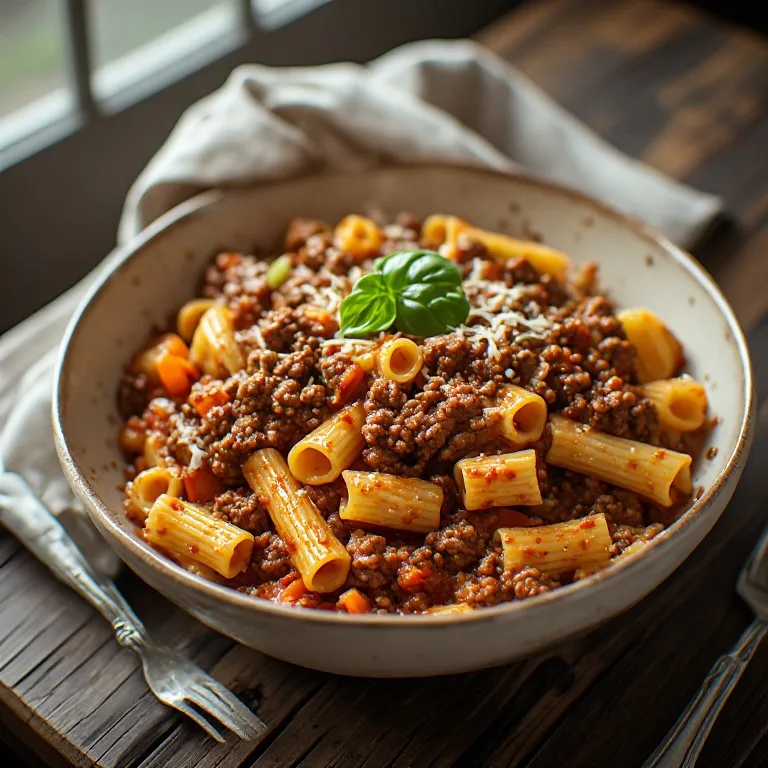
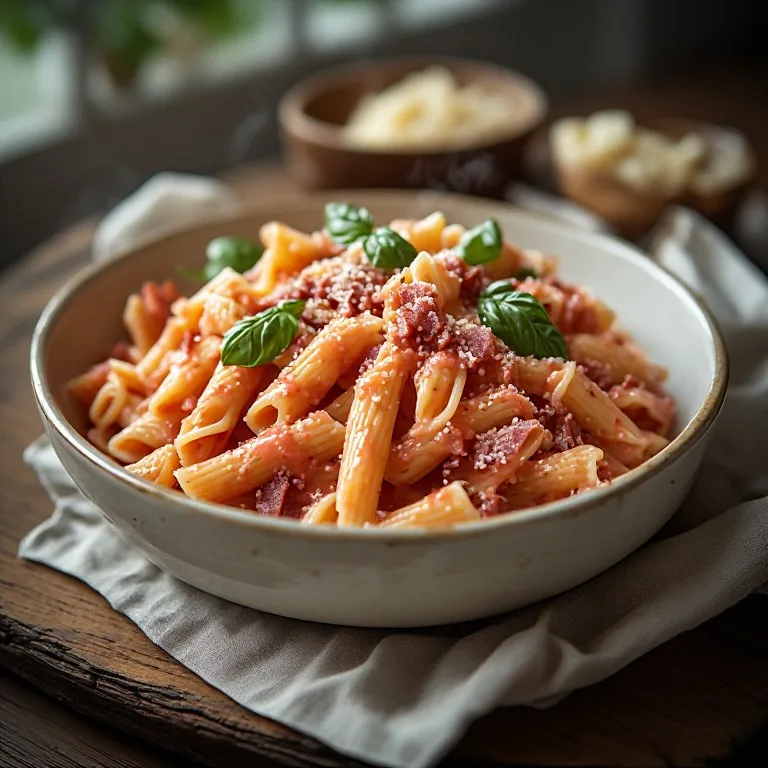
- Pasta: Any dried bronze-die pasta works well. Toss the cooked pasta directly in the warm sauce with a splash of pasta water, not the other way around.
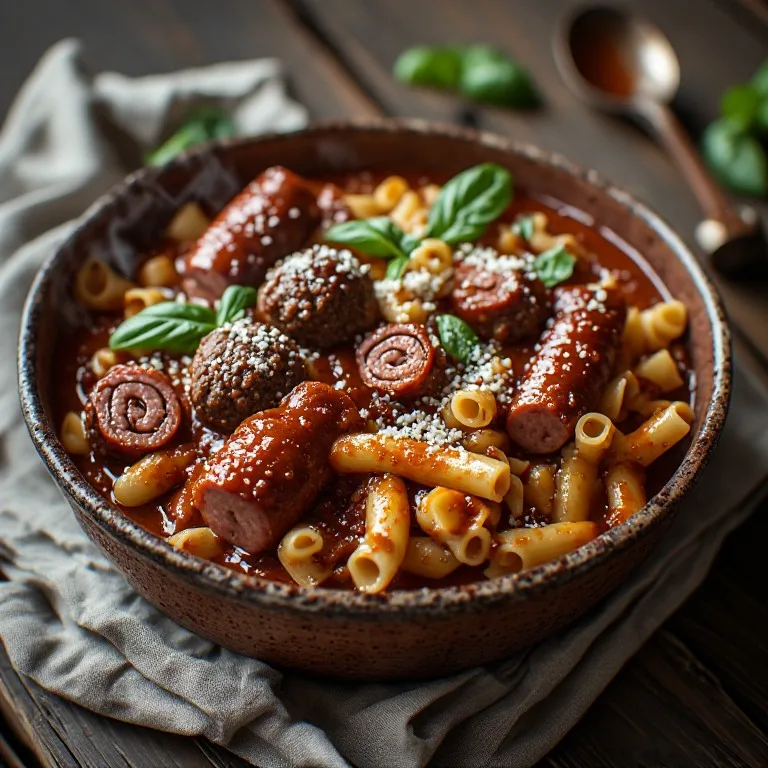
- Meatballs: The Rao’s meatballs (the recipe is on this site) are designed to braise in this sauce for 15 minutes after frying. The meatball and sauce are built for each other.
- Pizza: Used as-is for pizza, the sauce is a considerable upgrade from anything from a jar.
- Dipping: Rao’s bread dipped in Rao’s marinara is a cliché at the restaurant for good reason.
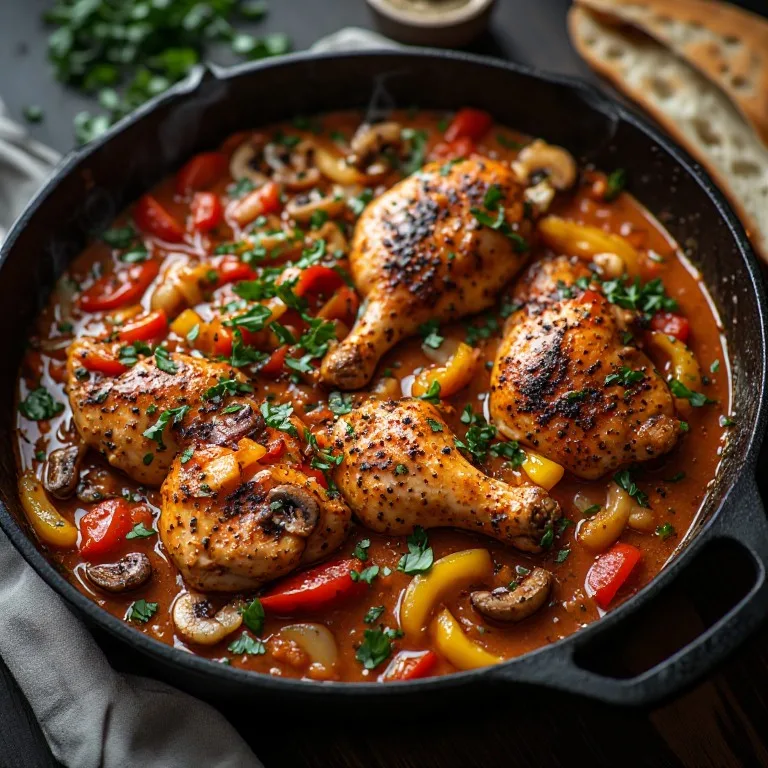
- Chicken Parmigiana: The sauce’s quality makes the dish proportionally better.
Make It in Advance
The sauce keeps well. Refrigerate in an airtight container for up to 5 days; the flavor actually improves over the first day or two as the components continue to meld. Freeze for up to 3 months. Thaw overnight in the refrigerator; reheat gently over medium-low heat, stirring occasionally, with a tablespoon of olive oil added if it seems tight.
Cost Comparison
| Rao’s jar | This recipe (5 cups / ~2 jars) | |
|---|---|---|
| Retail price | $9–12 per 24-oz jar | ~$5 total |
| Per serving | $1.50–2.00 | ~$0.85 |
| Ingredients | Quality tomatoes, oil, aromatics | Same ingredients |
| Wait time | None | 1 hour |
The argument for making it from scratch is less about cost and more about freshness and control. A jar of Rao’s Homemade is a very good shortcut. This recipe is the thing behind the shortcut.
More Famous NYC Italian-American Dishes
- Copycat Rao’s Famous Meatballs — the baseball-sized meatballs with up to two cups of water and a mandatory olive oil fry
- Copycat Rao’s Lemon Chicken — the other signature dish from the 10-table room
- Copycat Carbone Spicy Rigatoni Vodka — caramelized tomato paste, Calabrian chili, and heavy cream; $34 at the restaurant, $8 at home
- Copycat Lilia Mafaldine with Pink Peppercorn Sauce — the Williamsburg pasta that built a two-hour wait list
- Copycat Via Carota Insalata Verde — the most-ordered salad in New York City, deconstructed