Pin It

Copycat Outback Kookaburra Wings (Blue Cheese — Not Honey Mustard)

Copycat Outback Kookaburra Wings (Blue Cheese — Not Honey Mustard)
Jump to Recipe
Prep 15 min Cook 25 min Serves 4 (as an appetizer)
Quick answer: Outback Kookaburra Wings are bone-in chicken wings with a spiced flour coating — double-seasoned (poultry seasoning goes directly on the wings AND into the flour) and fried at 350°F until crisp. The sauce is deliberately thin: 4 tablespoons melted butter plus ¼ cup Louisiana hot sauce, tossed just before serving so the wings stay crispy. They are served with blue cheese dressing and celery, not honey mustard — that's Alice Springs Chicken. The standard appetizer order is ~12 wings at around $16–18 depending on location; the full order runs about 1,730 calories. A home batch of 2 lbs serves four as an appetizer for about $10–12.

Copycat Outback Kookaburra Wings (Blue Cheese — Not Honey Mustard)

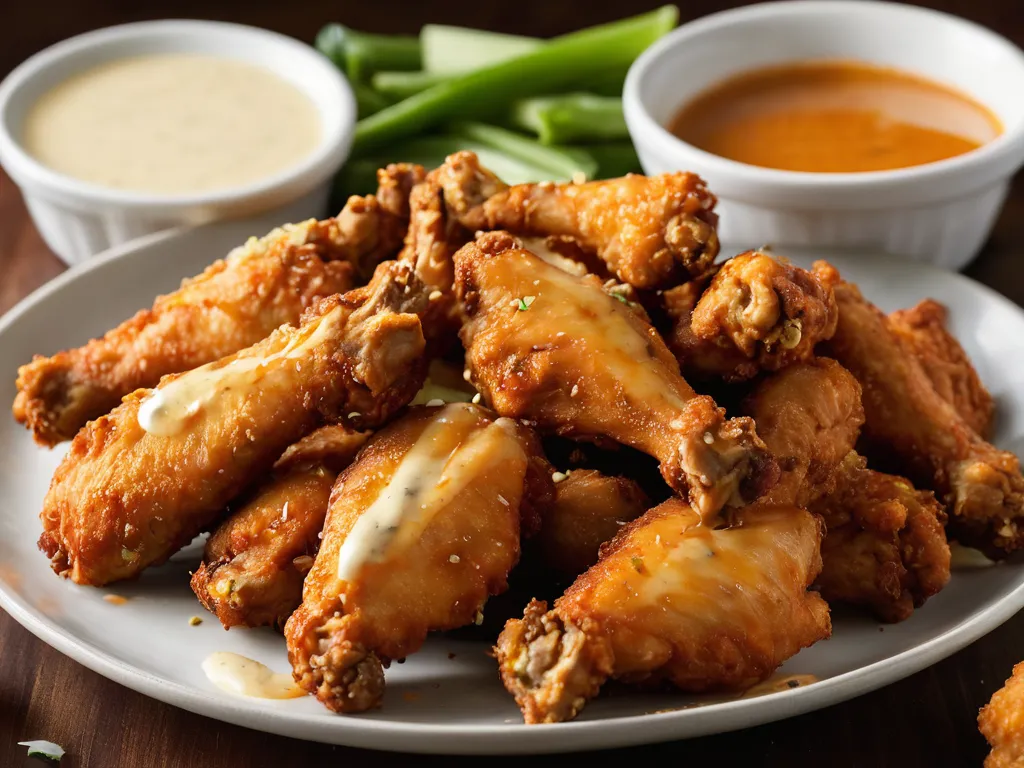
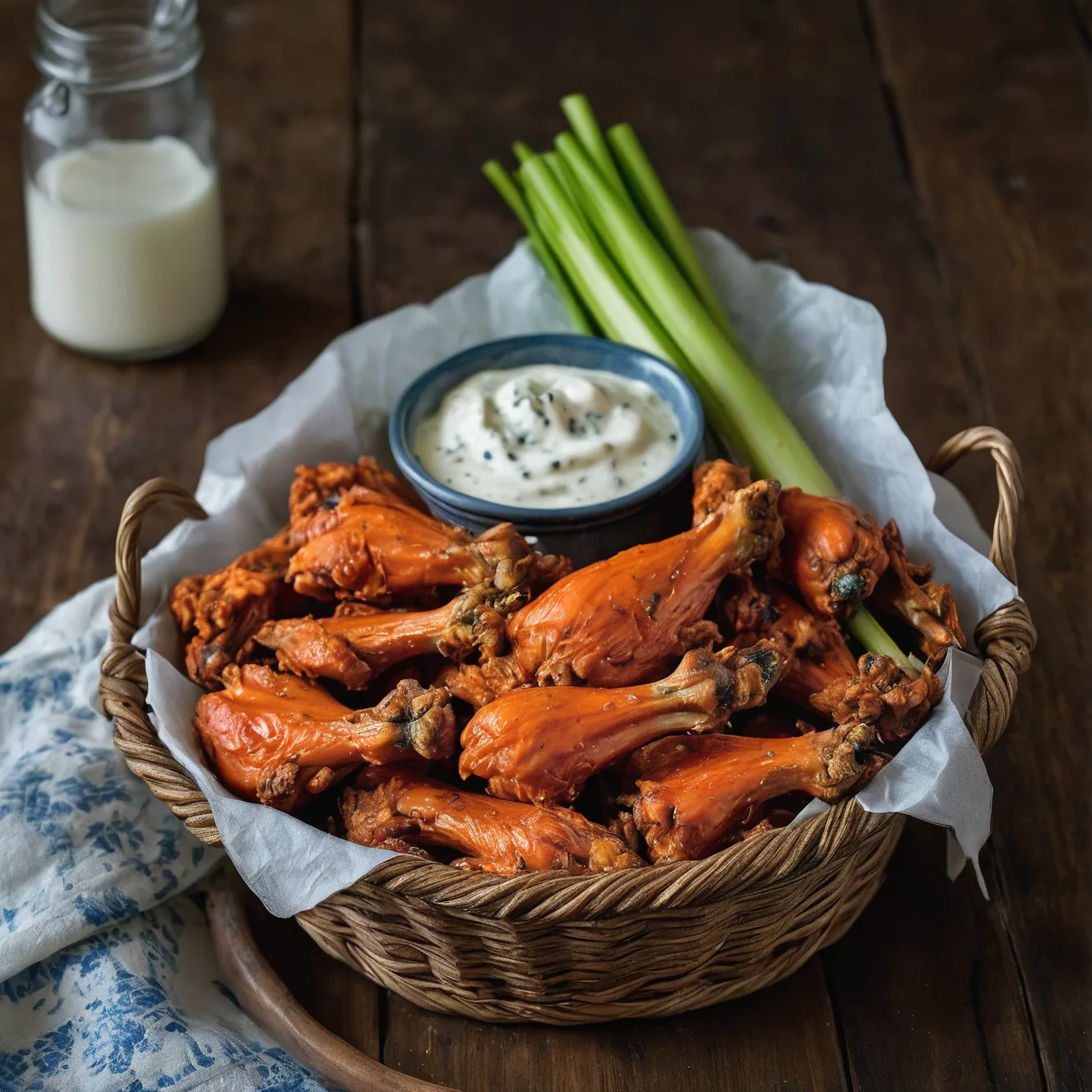
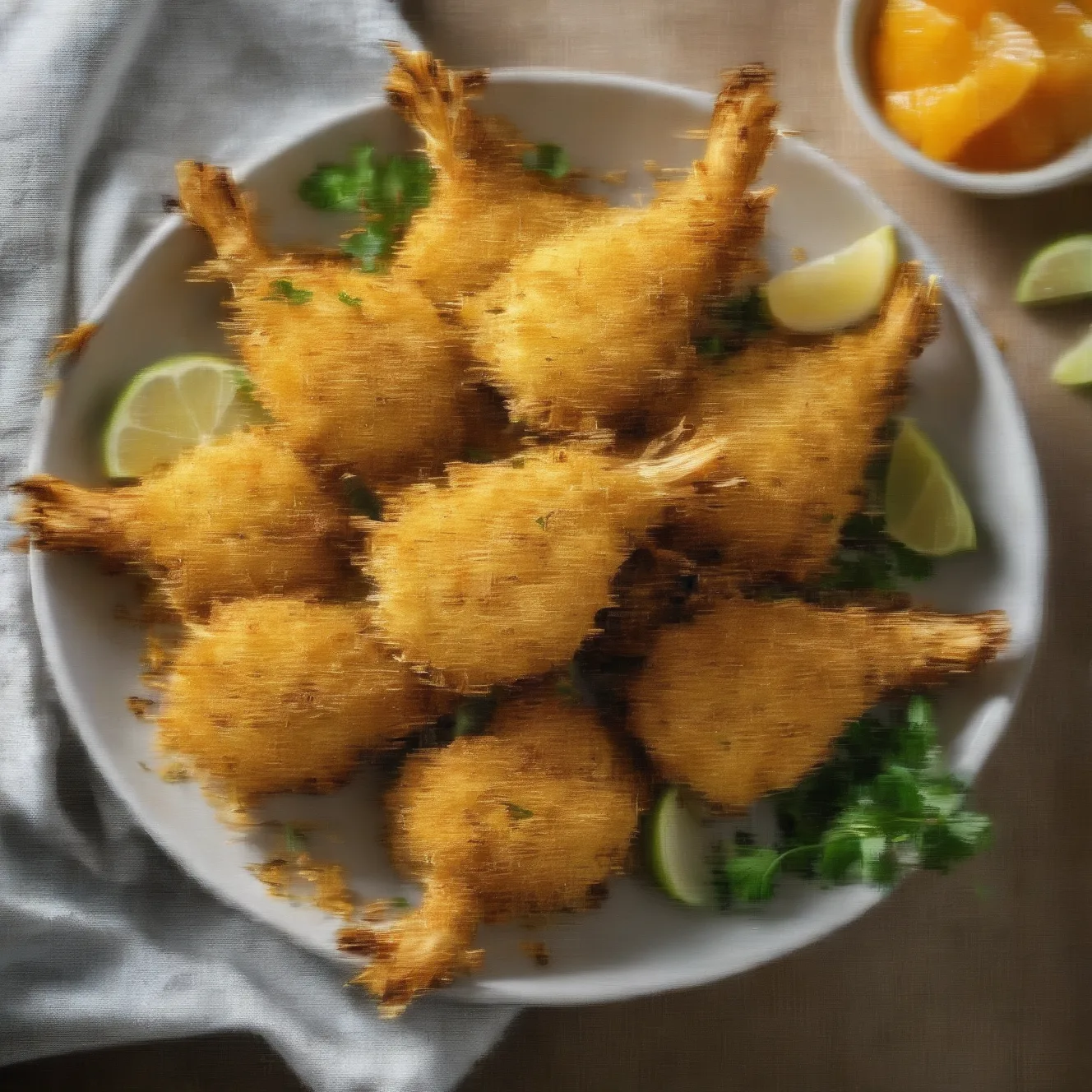
Outback's Kookaburra Wings at home: bone-in wings in a spiced flour coating with Parmesan powder, fried crisp and tossed in a thin butter-hot sauce. Served with blue cheese dressing and celery — not honey mustard. Three heat levels included.

Medium Prep: 15 min Cook: 25 min Total: 40 min4 (as an appetizer) servings ~$4.50/serving
Prep15 min
Cook25 min
Total40 min
Servings
4
At home~$4.50/serving
vs
Restaurant~$20.25/serving
You save ~78%

Ingredients

Instructions

💡
Pro tip: This recipe tastes even better the next day. The flavors need time to meld together in the fridge.
❄️
Storage: Keeps in an airtight container in the fridge for up to 2 weeks. Freezer-friendly for up to 3 months.
~250-450 cal/serving · Rich & Indulgent🔥

The Story Behind the Recipe

Outback calls these Kookaburra Wings and sells them at every location in mild, medium, and hot. The wings are bone-in — drumettes and flats — fried in a spiced coating and tossed in a thin butter-hot sauce. Blue cheese dressing and celery come alongside. That is the dish.

The honey-mustard question comes up every time. Outback’s honey mustard sauce is served with Alice Springs Chicken, where it functions as a marinade, glaze, and table condiment. It is not part of Kookaburra Wings. The two dishes share a kitchen, and the honey-mustard association from Alice Springs Chicken bleeds into how people remember the whole menu — but the wings are buffalo-style, blue cheese and celery, same as they have always been.

What makes these wings taste different from a standard bar order is two details: the double-seasoning technique and the thinness of the sauce.

The Double-Seasoning Technique

Generic bar wings are usually tossed in seasoned flour, fried, and sauced. That is one layer of flavor. Outback’s version uses two: poultry seasoning applied directly to the raw wing surface, then a second application of the same seasoning mixed into the flour dredge.

The first layer flavors the meat itself. The second layer flavors every bite of the crust. When you eat a double-seasoned wing, the seasoning is present in three places simultaneously — the meat, the coating, and (when sauced) the thin butter glaze. Single-seasoned wings taste like fried chicken with sauce on top. Double-seasoned wings taste integrated.

The other non-obvious ingredient in the coating: dry Parmesan powder, not freshly grated. The quantity is small enough that no one identifies it as cheese flavor, but the amino acids and salt in the powder add savory depth that straight flour cannot produce. Todd Wilbur’s research into the Outback recipe specifically identified this element. Use the shelf-stable shaker-can Parmesan (lower moisture, fries without scorching) rather than block Parmesan grated fresh.

The Thin Sauce Is Intentional

Most Buffalo-style wing sauces are thick — built up with additional butter, thickened by reduction, or stabilized with a small amount of starch. Outback’s sauce is thin by design: roughly equal parts melted butter and Louisiana hot sauce, poured on and tossed immediately.

A thin sauce serves a specific purpose. It coats the wing in a light, even layer that does not steam the crispy coating into mush. Wings in a thick sauce sit in a warm bath on the way to the table; wings in a thin sauce arrive with most of their crunch intact. The trade-off is that you have to serve them fast — they lose their texture within 5 minutes of being sauced.

Choosing Your Heat Level

All three heat levels use the same sauce formula with adjusted ratios:

LevelButterHot SauceCharacter
Mild6 tbsp2 tbspButtery, barely warm
Medium4 tbsp4 tbspStandard buffalo heat
Hot2 tbsp6 tbspGenuine heat, less buttery

The recipe above is medium. For mild, use 6 tablespoons butter and 2 tablespoons hot sauce — the sauce will be very buttery with just a background warmth. For hot, reverse the ratio and optionally add ¼ teaspoon cayenne directly to the sauce.

Louisiana hot sauce (Crystal or Frank’s RedHot) gives the correct thin, vinegar-forward result. Avoid thick buffalo sauces like Frank’s Buffalo Wing Sauce (which is pre-thickened) — they defeat the intentionally thin texture.

Keeping the Coating Crisp

Four things kill wing coating crispness:

Wet wings. Moisture on the surface of the raw wing steams the coating from inside during frying. Pat completely dry, and if time allows, refrigerate uncovered on a rack for 30 minutes before coating. The surface will feel almost papery — that is right.

Too much flour. Press the coating on, then shake off the excess vigorously. A thick flour coating turns gluey during frying rather than crispy. You want a thin, even coating that shows the wing surface through it in places.

Crowding the pot. Putting too many wings in the oil at once drops the temperature below 325°F, and the wings absorb oil and steam rather than frying. Fry in batches of 6–8 pieces maximum and let the oil recover to 350°F between batches.

Paper towels for draining. Paper towels trap the steam coming off the hot wing and soften the bottom of the coating within 30 seconds. Use a wire rack set over a baking sheet instead — the airflow underneath keeps the coating crispy on all sides.

Making the Blue Cheese Dip

Outback serves store-made blue cheese dressing alongside the wings. A quick homemade version that holds up better:

  • ½ cup mayonnaise
  • ¼ cup sour cream
  • 2 tablespoons buttermilk (or regular milk)
  • 3 oz crumbled blue cheese (Gorgonzola or Danish — not Roquefort, which is too intense)
  • 1 tablespoon white wine vinegar
  • ¼ teaspoon garlic powder
  • Salt and black pepper

Whisk together and refrigerate at least 30 minutes before serving. The dip improves significantly overnight as the blue cheese flavor mellows and the texture thickens. If using store-bought, Ken’s Steakhouse Blue Cheese or Marie’s Blue Cheese are the closest matches to the Outback style.

Tips & Variations
  • Resting the coated wings before frying is not optional. Five minutes on a rack lets the flour hydrate slightly and bond to the seasoned surface. Wings dropped immediately into oil after dredging shed coating during frying.
  • Oil temperature matters more than time. A 10-minute wing at 340°F and a 12-minute wing at 360°F may look identical but will taste different — the higher-temperature wing has a more developed crust. Use a thermometer rather than guessing.
  • The turmeric in the sauce is optional but effective. A pinch of turmeric turns the butter-hot sauce from orange-red to a slightly warmer golden color that matches the restaurant’s presentation. The quantity is too small to affect flavor.
  • Sweet BBQ variation: Outback also offers a Sweet BBQ Kookaburra Wings option — substitute the butter-hot sauce with 3 tablespoons melted butter + 3 tablespoons smoky barbecue sauce + 1 tablespoon honey. Toss to coat.
  • Buffalo Ranch variation: Another menu option — mix ½ packet dry Hidden Valley Ranch seasoning into the flour coating (reduce the poultry seasoning to 1½ tsp) and use standard buffalo sauce (butter + Frank’s). The ranch in the coating gives the wings a different savory base.
More Outback Steakhouse Copycat Recipes
  • Copycat Outback Bloomin’ Onion — the chain’s most famous appetizer: a whole sweet onion cut into petals, battered in seasoned flour, and deep-fried; plus the creamy horseradish-paprika bloom sauce
  • Copycat Outback Alice Springs Chicken — where the honey-mustard actually lives: marinated chicken breast topped with sautéed cremini mushrooms, crispy bacon, and melted cheese, finished under the broiler
  • Copycat Outback Gold Coast Coconut Shrimp — beer-battered jumbo shrimp rolled in sweetened coconut and fried; served with the creole marmalade dipping sauce
  • Copycat Outback Bread — the dark honey wheat table bread that starts every Outback meal; molasses and cocoa powder produce the signature color
See all Outback Steakhouse copycat recipes →

Nutrition Facts

Per serving (4 (as an appetizer) servings)
Calories640
Total Fat44g
Total Carbs18g
Dietary Fiber1g
Sugars0g
Protein42g
Sodium1380mg

* Estimated values based on standard recipe preparation. Actual values may vary.

🥗

Make It Healthier

Love Outback Kookaburra Wings (Blue Cheese — Not Honey Mustard) but want a lighter version? Try these simple swaps:

  • Bake at 425°F on a wire rack for 40–45 minutes instead of frying — saves about 150 calories per serving and still achieves a crisp coating with the double-seasoning.
  • Reduce the butter in the sauce to 2 tablespoons and increase hot sauce to 6 tablespoons — you cut about 100 calories per serving while keeping the same heat level and most of the flavor.
  • Use an air fryer at 400°F for 22–25 minutes flipping once — you get 80–90% of the crunch for about 60% of the oil calories.
  • Swap blue cheese dressing for Greek yogurt mixed with a splash of lemon, dill, and garlic powder — similar creamy/tangy profile at roughly 40% fewer calories.

Equipment You'll Need

Large heavy-bottomed pot or Dutch oven

Holds 3 inches of oil safely with room for splatter; cast iron or stainless both work

Clip-on or candy thermometer

Maintaining 350°F is the difference between crispy and greasy — don't skip it

Wire rack set over a baking sheet

For resting coated wings before frying AND draining after frying; paper towels steam the coating soft

Instant-read thermometer

Wings are done at 165°F internal; bone-in pieces are harder to judge visually

Frequently Asked Questions

Are Kookaburra Wings served with honey mustard or blue cheese?

Blue cheese dressing and celery — always. This is the most common misconception about Kookaburra Wings. Outback's signature honey-mustard sauce appears on Alice Springs Chicken (where the same sauce is used as a marinade, glaze, and table condiment), and some people assume it applies to all Outback appetizers. The menu specifically lists blue cheese dressing and celery as the Kookaburra Wings pairing. Honey mustard is a fine optional dip, but it is not how Outback serves them.

What is the difference between mild, medium, and hot Kookaburra Wings?

All three heat levels use the same thin butter-hot sauce formula — the heat is adjusted purely by changing the ratio of butter to hot sauce. Mild is butter-forward with just a hint of heat (roughly 3 parts butter to 1 part hot sauce). Medium is roughly equal parts (the standard recipe here). Hot reverses the ratio — more hot sauce than butter — and the kitchen may add extra cayenne to the coating. The coating itself and the blue cheese dip are identical across all three levels. Most people order mild or medium; the hot version is genuinely spicy, not just warm.

Why is the Kookaburra Wings sauce thin rather than thick like typical buffalo wings?

Most bar-style buffalo wings use a thick, vinegar-heavy sauce that coats the wing in a glossy layer. Outback's sauce is intentionally thinner — primarily melted butter emulsified with hot sauce and applied lightly. The thin sauce lets the crispy fried coating show through rather than softening it. This is a deliberate restaurant texture choice: the wing arrives at the table noticeably crispier than wings in a thick glaze because the coating has not had time to steam under a heavy sauce. When making these at home, resist the urge to reduce the sauce or add thickeners — the runny quality is correct.

What does 'double seasoning' mean in this recipe, and why does it matter?

Double seasoning means the poultry seasoning blend goes on the wing twice: once directly onto the raw wing surface and again mixed into the flour dredge. The first application flavors the meat itself and creates a seasoned base that sticks to the wing surface. The second application flavors the flour coating throughout, so every bite of crust carries the same poultry-seasoning profile. Wings seasoned only in the flour taste like fried chicken with sauce on top; double-seasoned wings taste like the seasoning is part of the wing itself. This layered approach is the technical difference between standard bar wings and Outback's version.

What is the Parmesan powder in the coating, and can I skip it?

The Parmesan powder is the technique Todd Wilbur's Top Secret Recipes research identified as the subtle savory differentiator in the Kookaburra Wings coating. You do not taste cheese — the quantity is too small for that — but the amino acids and salt in the powder add umami depth that straight flour and spices do not provide. Use dry grated Parmesan (the kind sold in a green shaker can, not freshly grated) because the low moisture content means it distributes evenly in the flour and fries without burning. Freshly grated Parmesan clumps and scorches at frying temperature. You can skip it, but the coating will taste slightly flatter.

Can I bake or air-fry these instead of deep-frying?

Yes, though the texture is different. For air fryer: arrange in a single layer and cook at 400°F for 22–25 minutes, flipping halfway through. Pat the wings completely dry and coat lightly with cooking spray before the flour dredge — the spray helps the coating crisp without oil. For oven baking: preheat to 425°F, place on a wire rack set over a baking sheet, and bake 40–45 minutes flipping once. The baked version will have a drier, crisper coating rather than the light golden crust of the fried version. Both alternatives are significantly lower in calories. Toss in the butter-hot sauce immediately before serving either way — the wings lose their crisp fast once sauced.

Love this recipe? Share it!

Free PDF: our 12 most-wanted copycat recipes — instant download.

Ratings & Reviews

No ratings yet

Rate this recipe

Click a star to rate

Leave a Review

0/500

CS

Copycat Spices Test Kitchen

Every recipe on Copycat Spices is developed and tested in our home test kitchen. We reverse-engineer beloved restaurant dishes and refine each one until the flavors and the instructions work reliably for home cooks of all skill levels.

Learn more about our mission →