


Pin It

Outback Chocolate Thunder from Down Under

Outback Chocolate Thunder from Down Under
Jump to Recipe
Prep 15 min Cook 30 min Serves 9
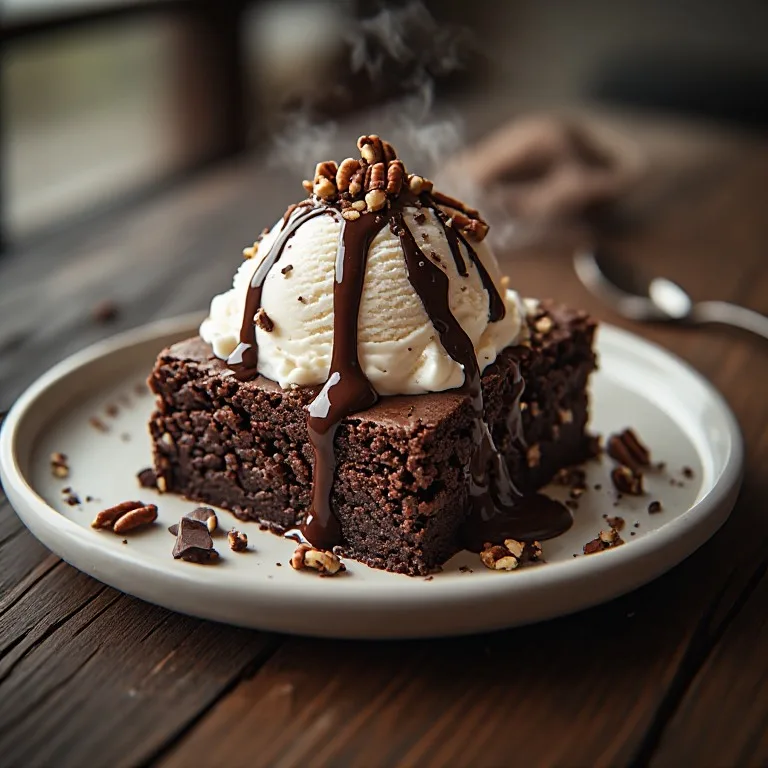
Quick answer: Outback's Chocolate Thunder from Down Under is a warm, dense pecan brownie (cocoa-based, with milk chocolate chip pockets and instant coffee baked in) served with vanilla ice cream, a warm chocolate fudge sauce, chocolate shavings, and whipped cream. The batter uses ½ cup butter, ½ cup cocoa powder, ½ cup flour, 1½ cups sugar, 2 eggs, 1 cup milk chocolate chips, ⅓ cup chopped pecans, and 2 teaspoons instant coffee granules. Bake in an 8x8-inch pan at 350°F for 28 to 30 minutes. Refrigerate the brownie, then microwave individual squares 40 to 45 seconds to get them hot before topping with ice cream, warm fudge sauce, chocolate shavings, pecans, and whipped cream.

Shop the tools

Gear matched to this recipe. These are Amazon affiliate links — we may earn a small commission if you buy, at no extra cost to you.

As an Amazon Associate, Copycat Spices earns from qualifying purchases. Product images are generic illustrations, not the exact item listed.

Outback Chocolate Thunder from Down Under

Copycat Outback Chocolate Thunder from Down Under — a dense pecan brownie made with cocoa powder, milk chocolate chip pockets, and instant coffee, topped with vanilla ice cream, warm chocolate fudge sauce, chocolate shavings, and whipped cream.

Easy Prep: 15 min Cook: 30 min Total: 45 min9 servings ~$4.50/serving
Prep15 min
Cook30 min
Total45 min
Servings
9
At home~$4.50/serving
vs
Restaurant~$20.25/serving
You save ~78%

The Story Behind the Recipe

Copycat Outback Chocolate Thunder from Down Under — a dense pecan brownie made with cocoa powder, milk chocolate chip pockets, and instant coffee, topped with vanilla ice cream, warm chocolate fudge sauce, chocolate shavings, and whipped cream.

Nutrition Facts

Per serving (9 servings)
Calories520
Total Fat27g
Total Carbs68g
Dietary Fiber3g
Sugars54g
Protein6g
Sodium200mg

* Estimated values based on standard recipe preparation. Actual values may vary.

Ingredients

  • For the Pecan Brownie
  • For the Warm Chocolate Fudge Sauce
  • For Assembly (per serving)

Instructions

💡
Pro tip: This recipe tastes even better the next day. The flavors need time to meld together in the fridge.
❄️
Storage: Keeps in an airtight container in the fridge for up to 2 weeks. Freezer-friendly for up to 3 months.
🎃 Free Halloween cookbook — download now The Copycat Halloween Cookbook A ready-made, photo-illustrated PDF of our best halloween copycat recipes — free to download, no building required. Pay what you want to support if you love it.

Free PDF — instant download. We'll also send new seasonal copycat recipes now and then; unsubscribe anytime. Or just download it →

Outback Chocolate Thunder from Down Under

Outback Steakhouse’s Chocolate Thunder from Down Under has been one of the restaurant’s most ordered desserts for decades. The concept is a brownie sundae, but the execution has specifics that make it genuinely different from assembling a brownie from a box and dropping a scoop of ice cream on it.

The technique matters more than the recipe: a refrigerator-cold brownie reheated 45 seconds becomes hot and molten in the center while staying structured enough to hold its shape on the plate. That’s the hot-cold contrast the dish is built around — and it’s not achievable with a fresh-from-the-oven brownie or a room-temperature one.

The Brownie: What Makes It Outback’s

Outback’s menu describes it as “an extra generous pecan brownie” — and the pecan is not just a garnish. The nuts are baked into the batter, distributed throughout so every bite has one, not scattered as an afterthought on top.

Three ingredients in the brownie separate it from a generic cocoa brownie:

Milk chocolate chips. Most brownie recipes use semi-sweet chips or no chips at all. Outback’s version uses milk chocolate, which is sweeter and lower in cocoa solids than semi-sweet. Folded into the batter, the chips melt into gooey pockets as the brownie bakes — not absorbed, but not raw either. When you microwave a cold square before serving, those pockets reheat to molten first, creating a brownie that’s simultaneously dense and fudgy throughout with occasional pockets of hot liquid chocolate.

Instant coffee. Two teaspoons of instant coffee granules or espresso powder is a small but consequential addition. Chocolate and coffee share flavor chemistry — both contain pyrazines, the aromatic compounds that create their respective roasted, complex characteristics. Adding coffee to a chocolate brownie amplifies the chocolate flavor by stimulating the same taste receptors, extending the length of the chocolate taste on the palate. The result is a brownie that tastes more intensely chocolatey than the recipe alone would predict. At this ratio, the coffee is not detectable as coffee — guests will notice the chocolate tastes deeper without identifying why.

Cocoa powder only (no melted chocolate in the base). This might seem counterintuitive for a rich brownie, but the combination of ½ cup cocoa powder with the milk chocolate chip pockets achieves a specific texture: the cocoa base gives the brownie structure and an intense, slightly bitter chocolate backdrop, while the milk chips provide sweetness and the molten pockets. A melted-chocolate base would make the brownie softer and more truffle-like; the cocoa base keeps it fudgy-dense, which holds up better to microwaving and supports the ice cream without collapsing.

The Fudge Sauce

Outback makes their chocolate sauce from scratch and staff report it’s similar to Hershey’s Hot Fudge Topping — a warm, pourable fudge sauce that drizzles rather than being thick enough to spoon. The homemade version (chocolate chips + heavy cream + butter) is excellent and simple; jarred hot fudge (Hershey’s, Smucker’s, or a premium brand) warmed to drizzling consistency is a perfectly acceptable shortcut.

The sauce should be actively warm when you plate — not cold from the jar, not boiling, but warm enough to thin out and flow across the plate. A small saucepan on the lowest heat setting holds it at the right temperature while you assemble.

Chocolate Shavings, Not Chips

The topping includes chocolate shavings or curls — not chocolate chips, not sprinkles. This is a texture distinction: shavings are thin, delicate, and melt almost immediately on contact with warm sauce or warm brownie. They add a visual finish and a passing chocolate note without adding the resistance of a chip or the artificial quality of a sprinkle.

Making shavings is simple: run a vegetable peeler along the flat side of a room-temperature chocolate bar (not cold — cold chocolate shatters). The curls collect on parchment paper. Refrigerate them until the moment of plating, because they melt quickly once shaved.

A good-quality bar works best — 60% to 70% cacao dark chocolate gives shavings with clean flavor and enough thickness to curl. Cheaper chocolate can be waxy or too soft.

Why Refrigerate, Then Microwave?

The serve technique is the most unusual aspect of the recipe — and the most important.

The problem with fresh brownie: A brownie straight from the oven is close to 200°F internally. It melts the ice cream in 30 seconds. The hot-cold contrast — which is the point of the dish — lasts for the first bite, then the ice cream becomes a soup.

The problem with room-temperature brownie: A brownie cooled to room temperature doesn’t have enough residual heat to create contrast. The ice cream sits next to it without softening, and the warm-cold dynamic is absent.

The refrigerator-then-microwave solution: A cold brownie (refrigerated overnight or at least 2 hours) microwaved 40 to 45 seconds on high has a very specific heat profile. The center gets genuinely hot and molten because the microwaves penetrate to the interior, while the surface — starting from refrigerator-cold — stays cooler. The result is a brownie that is hot inside, warm outside, and loses heat gradually rather than blasting it all at once. Plated immediately and topped with ice cream, it creates a sustained warm-cold contrast that lasts through most of the dessert.

The cold start also improves texture: overnight refrigeration sets the fat structure of the brownie, firming it from fudgy-soft to dense-fudgy. That firmer texture holds up to microwaving without turning gummy.

Assembly: Two Minutes from Cold to Table

Have everything staged before you start:

  • Chocolate fudge sauce warm in its pan
  • Pecan pieces in a bowl
  • Chocolate shavings on parchment in the refrigerator
  • Ice cream in the freezer, not yet scooped

Sequence:

  1. Microwave one cold brownie square 40 to 45 seconds
  2. While the brownie heats, scoop the ice cream
  3. Plate the hot brownie, immediately top with the ice cream scoop
  4. Drizzle warm fudge sauce generously — 2 to 3 tablespoons, enough to pool on the plate and run down the brownie
  5. Scatter a tablespoon of toasted pecan pieces while the sauce is warm
  6. Add chocolate shavings on top of the ice cream (they’ll soften quickly — add them last)
  7. Finish with whipped cream
  8. Move to the table immediately

The whole assembly is under 2 minutes. The first bite — hot brownie, cold ice cream, warm fudge sauce, crunchy pecan — is what the dish is designed for.

Variations

Sea salt finish. A pinch of flaky sea salt (Maldon or fleur de sel) scattered over the fudge sauce before the chocolate shavings is a modern addition that amplifies all the chocolate flavors and cuts through the sweetness. Not Outback’s version, but genuinely better.

Dark chocolate chips. Swap the milk chocolate chips for dark (60% cacao) for a less-sweet, more intensely bitter brownie. The pockets will be less sweet and the contrast with the vanilla ice cream will be sharper. Good for people who find the original too sweet.

Salted caramel drizzle. Add a drizzle of warm salted caramel sauce alongside the chocolate fudge sauce. The caramel amplifies the brownie’s sweetness and plays off the toasted pecans. Not traditional but excellent.

Extra pecans. Double the pecans in the batter (⅔ cup instead of ⅓) for a more pronounced nut flavor throughout. Toasting the pecans before folding them in — 8 minutes at 350°F — adds more flavor depth than raw pecans in the batter.

The Outback Context

Outback Steakhouse (founded 1988 in Tampa, Florida) built its brand around a loosely Australian theme and an American casual-dining format of large portions, big steaks, and shareable appetizers and desserts. The Chocolate Thunder from Down Under fits the brand’s portion philosophy exactly — it’s described as “extra generous” on the menu, sized for sharing at a table of two to four rather than as a solo dessert.

The name follows the same Australian-themed naming convention as the Bloomin’ Onion, Alice Springs Chicken, and Kookaburra Wings — dramatic names for straightforwardly American dishes in an Australian frame.

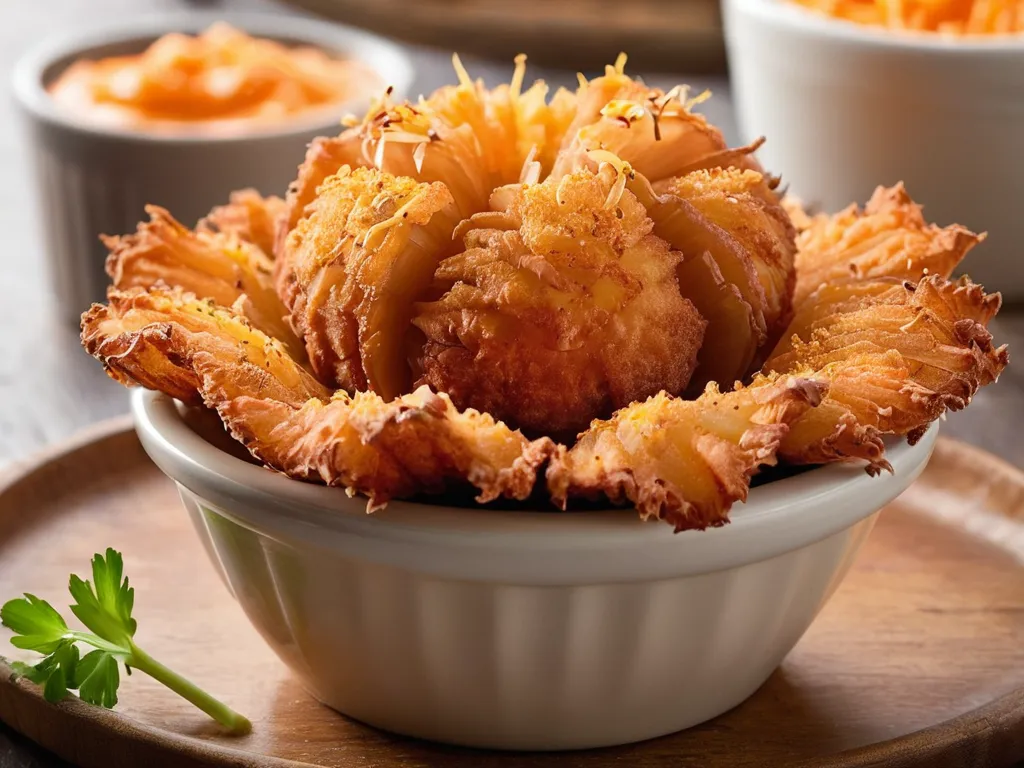
For other Outback dishes at home, see the copycat Outback Bloomin’ Onion with its bloom sauce, Outback Alice Springs Chicken for the honey-Dijon mushroom version, or Outback Kookaburra Wings. For other warm chocolate restaurant desserts, compare the Chili’s Molten Lava Cake — a very different technique (molten center versus fudgy brownie) with similar appeal.
🥗

Make It Healthier

Love Outback Chocolate Thunder from Down Under but want a lighter version? Try these simple swaps:

  • ✓Use a half-portion — one square cut in half — with a small scoop of ice cream for roughly 300 calories while still getting the full flavor experience.
  • ✓Use dark chocolate chips (70% cacao) in place of milk chocolate chips for a less-sweet brownie with more antioxidants and a deeper chocolate flavor.
  • ✓Skip the whipped cream — it adds approximately 50 calories per serving with minimal flavor impact compared to the fudge sauce and ice cream.
  • ✓Swap full-fat vanilla ice cream for a high-protein ice cream (Halo Top Vanilla Bean or similar) to reduce calories by 80 to 100 per scoop while keeping the warm-cold contrast.

Frequently Asked Questions

What is in Outback Chocolate Thunder from Down Under?

Per Outback's menu: 'An extra generous pecan brownie is crowned with rich vanilla ice cream, drizzled with our classic warm chocolate sauce and finished with chocolate shavings and whipped cream.' The brownie itself contains chopped pecans baked in plus milk chocolate chips that create gooey pockets throughout. On top: one large scoop of vanilla ice cream, a generous drizzle of warm chocolate fudge sauce, chocolate shavings or curls, more toasted pecan pieces, and whipped cream. The brownie is refrigerated after baking and microwaved to hot-and-gooey order, then plated — the hot-cold contrast between the warm brownie and cold ice cream is the defining experience.

Why does the recipe use instant coffee in a chocolate brownie?

Instant coffee is one of the distinguishing ingredients in the Outback brownie — it amplifies chocolate flavor without making the brownie taste like coffee. Cocoa powder's flavor profile overlaps heavily with coffee; adding a small amount of coffee to a chocolate recipe (2 teaspoons in this case) makes the chocolate taste more intensely like chocolate by stimulating the same taste receptors and extending the length of the flavor on the palate. At this ratio, no one will identify it as coffee; they'll just notice the brownie tastes more richly chocolatey than a standard recipe. Use instant espresso powder (Medaglia d'Oro or King Arthur) for the most neutral, clean amplification.

What makes this different from a regular brownie sundae?

Four things separate it from a generic brownie sundae: (1) The brownie itself has pecans baked in AND milk chocolate chips that create molten-like pockets throughout — it's not a smooth brownie; (2) Instant coffee deepens the chocolate flavor in a specific way you can't replicate by just adding more cocoa; (3) The serve-warm technique — the brownie is refrigerated after baking, then individual squares are microwaved 40 to 45 seconds to hot-and-gooey before plating — creates a genuinely hot-cold contrast that a room-temperature brownie with ice cream doesn't achieve; (4) Chocolate shavings (not chips, not sprinkles, but shaved curls) are on top, adding a light chocolatey texture distinct from the dense brownie and the fudge sauce.

Why refrigerate the brownie before reheating instead of just serving fresh?

This is the key technique for getting the Outback hot-cold contrast. A fresh-from-the-oven brownie is close to 200°F internally — it melts the ice cream into soup almost immediately and the contrast is over in one bite. A refrigerator-cold brownie microwaved 40 to 45 seconds heats to hot-and-gooey in the center while the surface stays cooler — hot enough to soften and go molten, but not so uniformly scorching that it destroys the ice cream on contact, so the warm-cold contrast lasts through the whole dessert. The cold start → hot finish technique also develops the brownie's texture: resting overnight in the refrigerator sets the fats and gives the brownie a firmer, denser crumb that reheats fudgier than a fresh brownie would.

Can I use regular hot cocoa mix instead of cocoa powder?

No. Hot cocoa mix is mostly sugar with a small amount of cocoa, milk solids, and often salt — substituting it throws off the entire sugar balance and introduces milk proteins that affect baking behavior. This recipe needs straight unsweetened cocoa powder (Dutch-process or natural). Dutch-process cocoa is preferred — it's darker, milder, and produces a richer color. If you only have natural (Hershey's Classic) cocoa, use it; the brownie will have a slightly more acidic chocolate flavor but will bake the same.

How do I make chocolate shavings at home?

Use a bar of good chocolate (dark or semi-sweet, 60%+ cacao) at room temperature — cold chocolate shatters, warm chocolate smears. Hold the bar in one hand and draw a vegetable peeler firmly across the broad flat side. The chocolate will curl into shavings or curls depending on the pressure. For small shavings, use light pressure. For longer curls, warm the chocolate bar briefly in your hands first (10 to 15 seconds) until just barely soft, then use the peeler with medium pressure. Collect the shavings on parchment paper and refrigerate until ready to use — they melt quickly at room temperature once shaved. Alternatively, Ghirardelli sells baking chips in a dark chocolate version that can be shaved; or use packaged chocolate curls from a baking supply store.

Can I make the brownie ahead of time?

Yes — and you should. The brownie is designed to be made ahead, refrigerated, and reheated to order. Bake, cool completely at room temperature (at least 1 hour), then wrap the pan tightly in plastic wrap and refrigerate up to 5 days. Individual squares can also be wrapped and frozen up to 2 months; thaw in the refrigerator overnight before microwaving. The chocolate fudge sauce refrigerates for up to 2 weeks; warm in a small saucepan or microwave in 20-second bursts. Toast the pecans up to 2 weeks ahead and store in an airtight container at room temperature.

Love this recipe? Share it!

Free PDF: our 12 most-wanted copycat recipes — instant download.

Made it? Buy us a coffee

Every recipe here is free, with no paywalls. If this one was a hit at your table, a small tip keeps new copycats coming.

$

Outback Steakhouse is a trademark of its owner, used here only to describe the dish this recipe recreates. This is an independent copycat written in our own words — Copycat Spices is not affiliated with, endorsed by or sponsored by Outback Steakhouse.

Ratings & Reviews

—
No ratings yet

Rate this recipe

Click a star to rate

Leave a Review

0/500

CS

Copycat Spices Editorial

Researched + fact-checked. Every recipe on Copycat Spices is built from published sources — official ingredient lists, brand-published recipes, interviews and food-science references — and fact-checked before it goes live, then written as clear, step-by-step instructions for home cooks of all skill levels.

Learn more about our mission →