Pin It

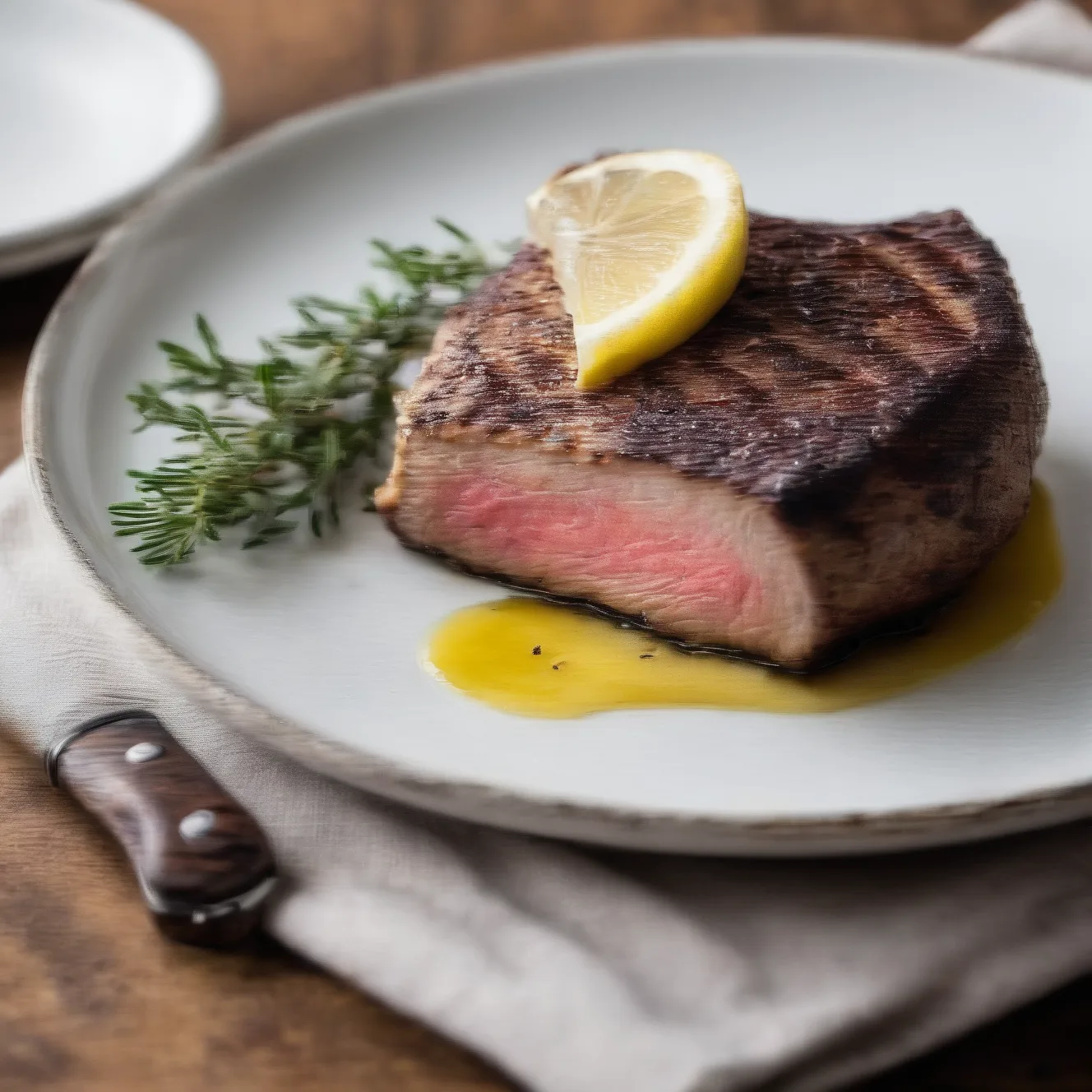
Copycat Outback Center-Cut Sirloin

Copycat Outback Center-Cut Sirloin
Jump to Recipe
Prep 10 min + 30 min resting Cook 15 min Serves 2
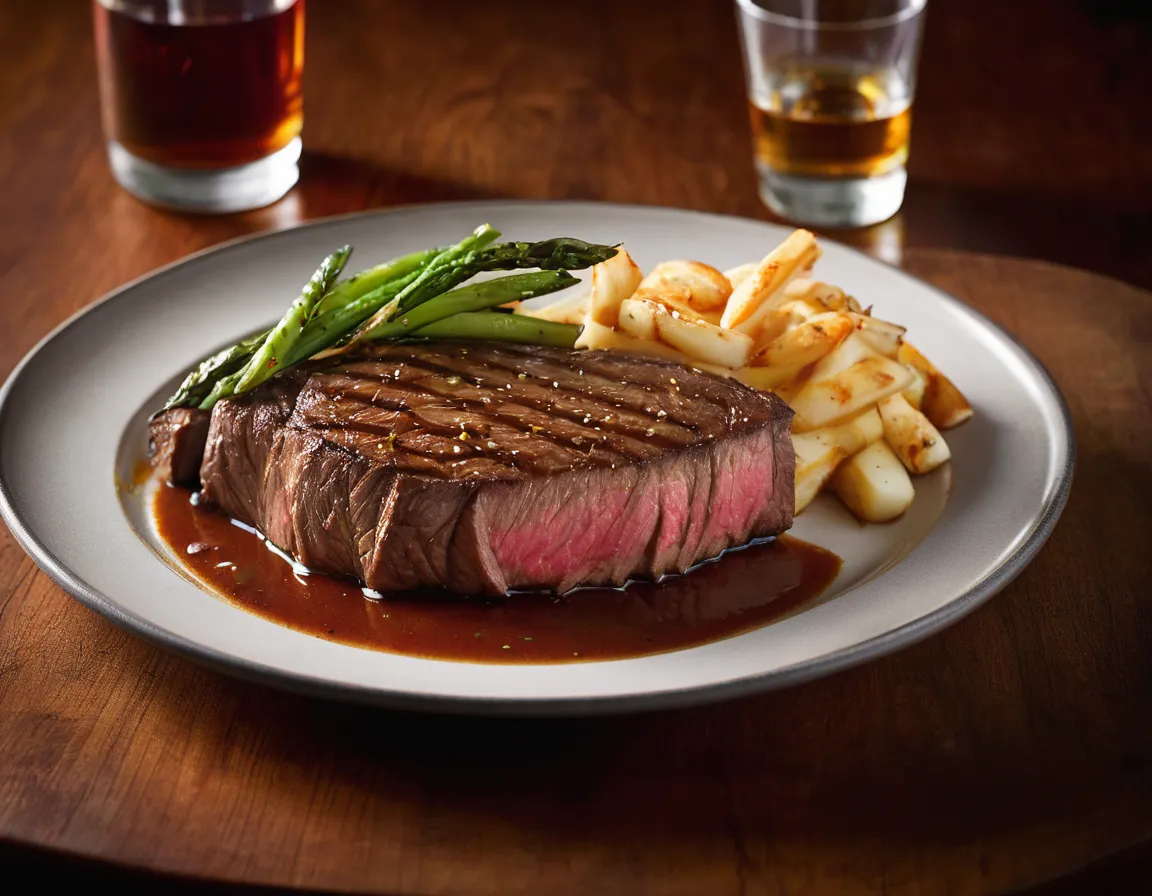
Quick answer: Outback's Center-Cut Sirloin is a fresh (never-frozen) top sirloin seasoned with a proprietary 17-spice rub and seared on a flat-top — not char-grilled. The distinguishing spices in every reliable copycat reconstruction are coriander and turmeric, which most home recipes omit; without them the blend reads as generic steak seasoning. Outback's training requires seasoning the steak from 6 inches above for even coverage. At home: top sirloin center-cut (not sirloin tip), cast iron skillet, high heat, season from a height. The 6-oz runs approximately 254 calories. Restaurant price runs roughly $16–19 (6 oz), $18–21 (8 oz), and $21–23 (11 oz) in 2026 — Outback prices by location, so check your local menu. Home cost for two 8-oz steaks: roughly $14–20 depending on sourcing.

Copycat Outback Center-Cut Sirloin

Outback's Center-Cut Sirloin uses a proprietary 17-spice rub made by a manufacturer — all copycat recipes are approximations, but the distinguishing spices vs. a generic steak rub are coriander and turmeric. This recipe also corrects the most common mistake: boneless sirloin is cooked on a flat-top, not a char-grill.

Medium Prep: 10 min + 30 min resting Cook: 15 min Total: 25 min2 servings ~$4.50/serving
Prep10 min + 30 min resting
Cook15 min
Total25 min
Servings
2
At home~$4.50/serving
vs
Restaurant~$20.25/serving
You save ~78%

Ingredients

💡
Pro tip: This recipe tastes even better the next day. The flavors need time to meld together in the fridge.
❄️
Storage: Keeps in an airtight container in the fridge for up to 2 weeks. Freezer-friendly for up to 3 months.
~300-500 cal/serving

The Story Behind the Recipe

The Two Things Most Outback Sirloin Copycats Get Wrong

Nearly every Outback sirloin copycat recipe gets two things wrong.

First, the seasoning. Outback uses a proprietary 17-spice rub sourced from a manufacturer — no copycat has the formula. The best reconstructions converge on a core of salt, paprika, black pepper, onion powder, garlic powder, and cayenne. But the two spices that make it taste like Outback rather than a generic steak house rub are coriander and turmeric. Coriander adds a warm, faintly citrus-earthy note. Turmeric contributes depth and gives the crust its characteristic golden-ochre color when it hits the hot pan. Most home recipes stop before these two. Skip them and the steak tastes like a seasoned-salt steak.

Second, the cooking method. Outback cooks boneless cuts — including the Center-Cut Sirloin — on a flat-top surface, not a char-grill. The char-grill is for bone-in cuts. Flat-top searing produces an even, all-over crust with no grill marks, no smoke, no char flavor. The most common copycat instruction (“fire up the outdoor grill”) creates a different dish. At home, the correct replication is a cast iron skillet at high heat — not the backyard grill.

The Seasoning Technique: 6 Inches, Not 2

Outback’s kitchen training specifies seasoning the steak from 6 inches above the surface — not hovering 2 inches away and dumping. At height, the spice blend fans out and coats the beef uniformly rather than landing in clumps on one spot. It is a small thing that produces a noticeably more even exterior crust. Mix your rub in a bowl, pinch-and-distribute from 5–6 inches above the steak on all sides before the steak goes in the pan.

Cut Selection Matters More Than It Looks

“Center-cut sirloin” means the mid-portion of the top sirloin — specifically not sirloin tip (a separate muscle from the round, much less tender) and not bottom sirloin (more fibrous connective tissue). Grocery store labeling is inconsistent. Look for packaging that says “top sirloin” explicitly, or ask the butcher for center-cut top sirloin. Anything labeled only “sirloin steak” without the “top” qualifier frequently means sirloin tip.

Thickness also matters: Outback’s 6-oz runs about 1 inch thick (center-cut); thinner steaks overcook before the sear finishes. If the steaks you find are thin (¾ inch), reduce the sear time by 90 seconds per side and check the thermometer early.


Optional Ale Marinade

Several copycat sources attribute a beer-based marinade to Outback’s kitchen — possibly used for other cuts. It adds depth to the sirloin without masking the dry rub:

Mix 1 cup quality ale (lager or amber, not heavily hoppy IPA), 2 teaspoons light brown sugar, ½ teaspoon seasoned salt, and ¼ teaspoon black pepper. Submerge steaks 1 hour in the refrigerator. Pat completely dry before seasoning with the spice rub. Do not skip the dry-off step — wet steaks after a marinade are worse for crust formation than dry steaks going in cold.

The ale marinade adds subtle malt depth and slightly more even browning. It is optional; the dry rub alone is excellent.


Comparison: Outback vs. LongHorn vs. Texas Roadhouse Sirloin
Outback Center-Cut SirloinLongHorn Renegade SirloinTexas Roadhouse Sirloin
CutTop sirloin center-cutTop sirloinTop sirloin
Cooking methodFlat-top sear (boneless)Fire grillWood-fire grill
Seasoning17-spice rub (coriander + turmeric)Prairie Dust (pepper + coriander + turmeric)House seasoning blend
Char/grill marksNo — even all-surface crustYes — fire grill marksYes — wood-fire marks
Smoke flavorNoModeratePronounced (hickory-mesquite)
6-oz price (2026)~$16–19~$15–17~$16–18
6-oz calories254~280~300

Outback’s sirloin is the flattest (literally and flavor-wise) of the three — the even crust without char lets the beef flavor and the spice rub carry the dish without smoke competing. LongHorn’s is bolder and char-forward. Texas Roadhouse is the most pronounced smoke flavor of the three.


Home Cost vs. Restaurant

Two 8-oz top sirloin center-cut steaks from a warehouse club (Costco, Sam’s Club) or a good supermarket butcher: roughly $14–20. The spice rub ingredients (if you don’t have coriander or turmeric) add under $3 the first time and last for dozens of batches. Total home cost for two: approximately $17–23 — compared to roughly $18–21 each (about $36–42 for two 8-oz) at the restaurant, before drinks, sides, tax, and tip. The ale marinade adds less than $1.
Nutrition Facts

Per serving (2 servings)
Calories290
Total Fat11g
Total Carbs2g
Dietary Fiber0g
Sugars0g
Protein43g
Sodium710mg

* Estimated values based on standard recipe preparation. Actual values may vary.

🥗

Make It Healthier

Love Outback Center-Cut Sirloin but want a lighter version? Try these simple swaps:

  • The 6-oz Outback Center-Cut Sirloin is one of the leaner casual-dining steaks at ~254 calories without sides — it holds up better than most cuts when you skip the finishing butter many copycat recipes add (and the restaurant does not use on this cut)
  • Skip the ale marinade if you want the cleanest calorie count — the dry rub alone produces an excellent result; the marinade adds depth but also ~30 calories from the brown sugar per steak
  • The right side choice matters more than the steak: the steamed broccoli or house salad at Outback are under 150 calories; the loaded mashed potato is ~350; the full side-by-side calorie count difference lives there, not in the steak itself

Equipment You'll Need

12-inch cast iron skillet

The flat-top equivalent — retains intense surface heat evenly; stainless steel also works; avoid non-stick at high searing temperatures

Instant-read thermometer

Required — sirloin goes from juicy to dry within 5–8°F; pull at 130°F for medium-rare

Wire rack over a sheet pan

For resting — resting on a flat surface steams the crust; a rack keeps it intact

Frequently Asked Questions

What cut of beef does Outback use for the Center-Cut Sirloin?

Top sirloin, center-cut — specifically the mid-portion of the top sirloin, not the sirloin tip (a different, less tender muscle from the round) and not the bottom sirloin (more fibrous connective tissue). At the grocery store, look for packaging that says 'top sirloin' explicitly, or ask the butcher for center-cut top sirloin steaks. Avoid anything labeled only 'sirloin steak' without the 'top' qualifier — that is frequently sirloin tip or bottom sirloin passed off as the same cut.

Is Outback's sirloin cooked on a grill or a flat-top?

Flat-top for boneless cuts — not the char-grill. Outback's training separates its steaks: boneless cuts like the Center-Cut Sirloin and filet are seared on a flat-top surface; bone-in cuts are char-grilled. This means the sirloin develops an even, all-surface crust with no grill marks, not a char-striped exterior. Most copycat tutorials say 'fire up the grill,' which produces a different result. At home, a cast iron skillet at high heat is the correct replication, not an outdoor grill.

What is in Outback's 17-spice rub?

The exact recipe is proprietary — Outback receives the rub from a manufacturer and does not publish the formula. The most reliable copycat reconstructions converge on: salt, smoked paprika, black pepper, onion powder, garlic powder, cayenne, coriander, and turmeric. The coriander and turmeric are the distinguishing ingredients that most generic steak rubs omit. Coriander adds a faintly warm, citrus-earthy note; turmeric contributes a subtle earthiness and the ochre-gold color the crust picks up. A rub built only from salt, pepper, garlic, and paprika will taste like seasoned salt, not like Outback's steak.

Why does Outback season the steak from 6 inches away?

Even coverage. Outback's kitchen training specifies holding the rub at 6 inches above the steak surface before releasing — at that height, the spices fan out and coat the beef uniformly rather than landing in clumps. Held too close, you get concentrated patches; held too far, you lose too much to the air. It's a small technique that produces a noticeably more evenly seasoned exterior. Replicate it at home by mixing the rub in a small bowl, then pinching and distributing it from 5–6 inches above the steak on all sides.

Is Outback's beef fresh or frozen?

Outback sources fresh, never-frozen beef — this is a genuine competitive differentiator that the company has maintained and marketed for decades. At home, this means buying from the butcher case, not the frozen section. The quality difference is most noticeable with sirloin: a previously frozen sirloin releases more surface moisture during searing, which steams the crust rather than building it. If you can only find frozen, thaw it overnight in the refrigerator and pat very dry before seasoning.

How does Outback's Center-Cut Sirloin compare to LongHorn's Renegade Sirloin?

Both are top sirloin center-cuts, but the spice profile and cooking method differ in a specific way: LongHorn uses Prairie Dust (black pepper and paprika in roughly equal measure, plus coriander and turmeric) on a fire grill, which means char, smoke, and grill marks. Outback uses its 17-spice rub on a flat-top, producing an even, all-surface sear without smoke or char flavor. The resulting taste is different despite both being 'seasoned sirloin' — LongHorn's reads bolder and smokier; Outback's is warmer and more evenly spiced. Neither is better; they are different approaches to the same cut.

What does the Outback Special combo include and how does it differ from ordering the Center-Cut Sirloin?

The Outback Special (around $13.99–14.99 in 2026, varies by location) is a value combo that bundles a 6-oz Center-Cut Sirloin with a side (Aussie Fries is the standard side) and a drink — typically your choice of a Coca-Cola beverage or a domestic draft. The steak itself is the same cut and preparation as the standalone Center-Cut Sirloin (which runs roughly $16–19 for the 6-oz without the combo). The Special is the most affordable way to get the sirloin with a full meal. If you want a larger cut (8-oz or 11-oz), you order the standalone menu item instead.

Love this recipe? Share it!

Free PDF: our 12 most-wanted copycat recipes — instant download.

Ratings & Reviews

No ratings yet

Rate this recipe

Click a star to rate

Leave a Review

0/500

CS

Copycat Spices Test Kitchen

Every recipe on Copycat Spices is developed and tested in our home test kitchen. We reverse-engineer beloved restaurant dishes and refine each one until the flavors and the instructions work reliably for home cooks of all skill levels.

Learn more about our mission →