

Copycat Panera Harvest Medley Chicken Salad
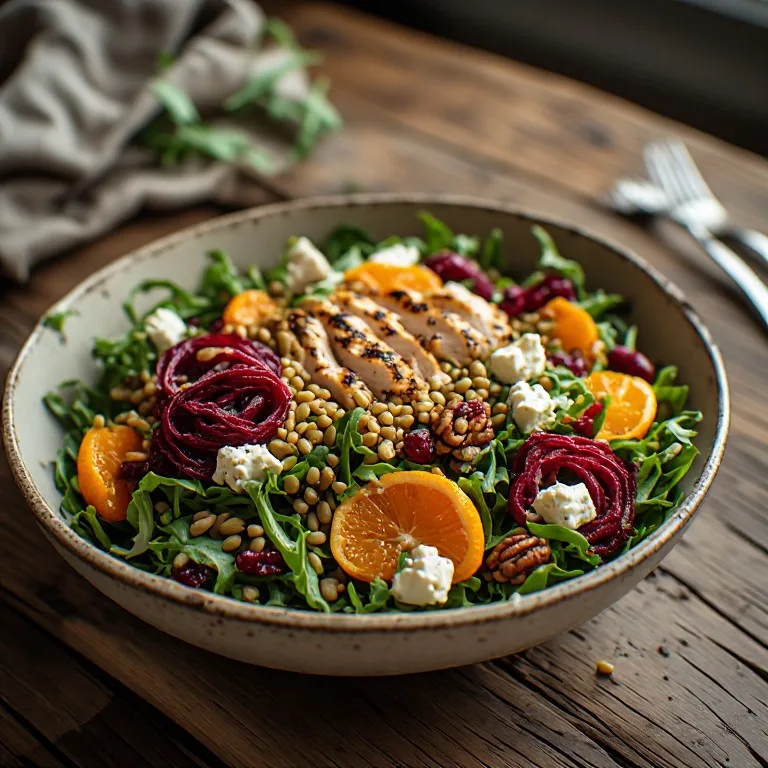
Panera launched the Harvest Medley Chicken Salad as part of its fall 2026 menu on September 2, 2026 — a seasonal salad built around a whole grain base, crunchy beet strips, and classic fall ingredients: mandarin oranges, cranberries, pumpkin seeds, and pecans over arugula in a balsamic vinaigrette. At the restaurant it runs around $12.99 for a whole salad (about 790 calories) and roughly $7.99 for a half, with pricing that varies by location. This home version costs about $4–5 per serving and produces a noticeably better result because the grain blend is freshly cooked, the beet strips stay crisp, and the pecans come off a hot skillet.
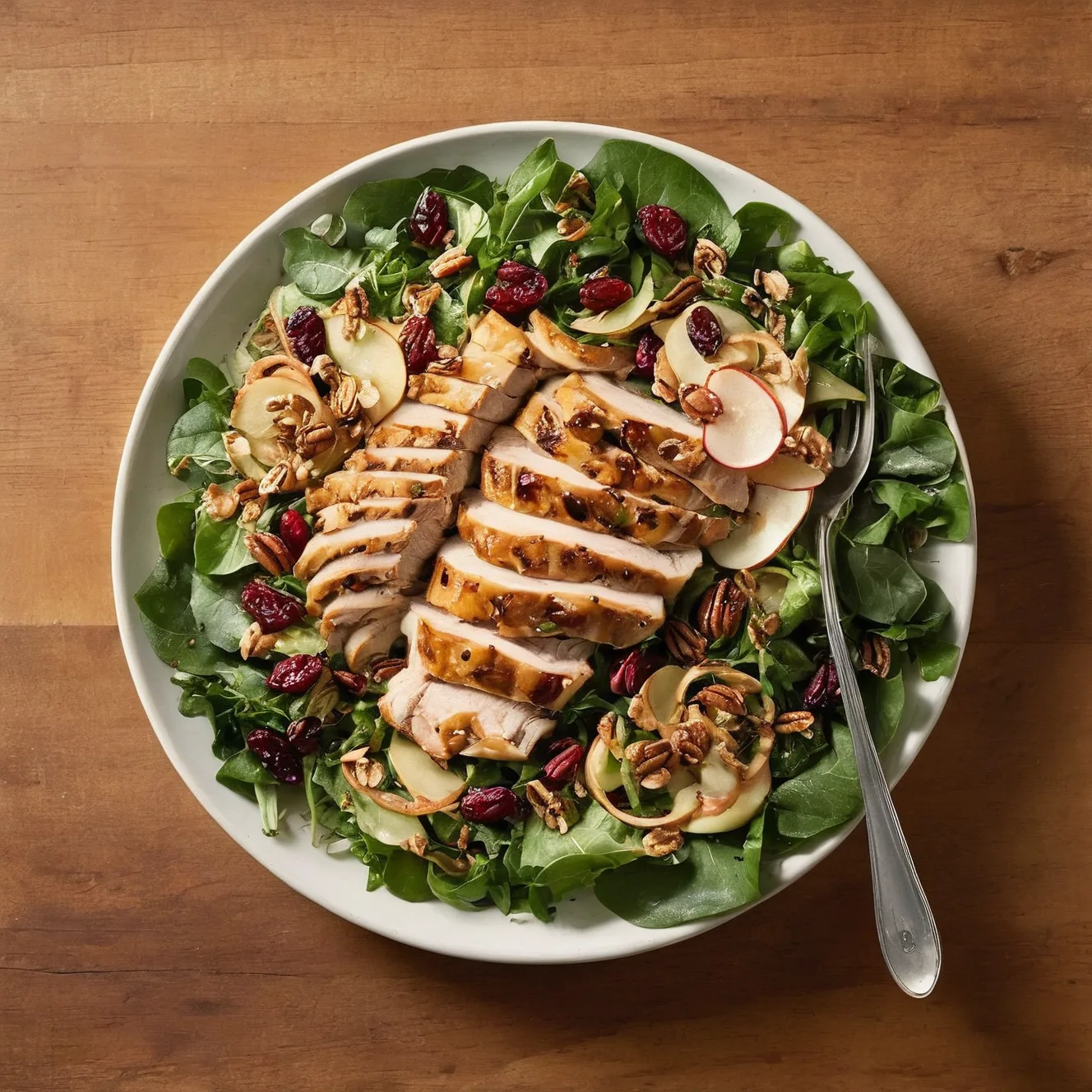
If you know Panera’s Fuji Apple Chicken Salad, this is its autumn sibling — where the Fuji Apple is sweet and bright with white balsamic and apple chips, the Harvest Medley is earthier and more substantial, built around farro, beets, and the deep tang of regular balsamic vinaigrette.
The Element That Makes This Salad: Crunchy Beet Strips
The beet strips are the one component home cooks are likely to get wrong. “Crunchy beet strips” does not mean fresh beet slices or roasted beet cubes — it means dehydrated beet chips cut into strips, the same category as the dehydrated apple chips in Panera’s Fuji Apple Salad.
The reason matters: fresh beets bleed. A red beet slice on a salad with mandarin oranges and feta will stain everything within minutes — the dressing turns pink-brown, the oranges absorb the color, and the whole salad looks like it was rained on. Fresh beets are also soft, which gives the salad a mushy moment rather than a crunch. Dehydrated beet strips solve both problems: they hold their color, they snap when you bite them, and they do not release moisture into the dressing.
You can buy dehydrated beet chips at Whole Foods, Trader Joe’s, and most natural-foods sections of larger grocery stores. Rhythm and Boulder Canyon both make them. Look for plain beet chips or lightly salted — avoid heavily seasoned varieties. To cut them into strips for the salad: simply break each round chip into 2–3 roughly rectangular pieces with your hands.
To make your own: slice a medium red beet paper-thin with a mandoline (1–2mm), toss with the thinnest possible film of olive oil and a pinch of salt, and arrange in a single layer on a parchment-lined baking sheet. Bake at 300°F for 40–50 minutes, turning once at the 25-minute mark, until completely dry. They crisp fully as they cool — remove them while they still flex slightly. Store in an airtight container and cut into strips right before serving.
Add the beet strips to the salad at the very last moment. Once they contact the dressed greens, they begin absorbing moisture and softening. The window between “crisp” and “soggy” is about 15 minutes.
The Whole Grain Blend: Farro and Wheat Berries
Panera lists a “whole grain blend” on this salad without publishing the exact grains. Farro and wheat berries are the closest home approximation — a firm, chewy pairing that fits a grain-forward fall salad and is what this recipe uses. The two grains have meaningfully different textures: farro is tender and nutty with a slight sweetness; wheat berries are firmer and more neutral, with a dense chew that holds up under dressing without going soft.
Farro and wheat berries have different cook times, so they need to be cooked separately:
- Pearled farro: 25–30 minutes with a 1:3 grain-to-water ratio (pearled cooks faster than semi-pearled or whole farro).
- Wheat berries: 45–60 minutes with a 1:4–5 grain-to-water ratio, uncovered. They should still have a firm, chewy bite when done — not mushy.
Both can and should be cooked in advance. The grain blend is the most time-consuming part of this recipe; made ahead, the rest of the salad takes 20 minutes. Refrigerated cooked grains keep for 4 days; they can be served cold, at room temperature, or microwaved for 60 seconds and scattered warm over the greens. Slightly warm grains soften the feta slightly and help the dressing cling — worth doing if you have the time.
If you can only find one grain: use farro alone, which is more widely available and has the more distinctive flavor. Do not substitute quick-cook farro — it is pre-steamed and yields a much softer texture that goes mushy under the dressing. Look for “pearled farro” (labeled as such) or “10-minute farro” if you want the faster version; avoid any product labeled “instant.”
Balsamic Vinaigrette: Standard, But It Has to Be Right
The balsamic vinaigrette here is not a complex dressing — but it needs to be balanced. Panera’s version is tangy and savory with a thin sweetness from honey, not sweet-forward like the white balsamic vinaigrette on the Fuji Apple Salad. The difference matters because this salad already has sweet elements (mandarin oranges, cranberries) that would collide with a sugary dressing.
The key to a properly balanced balsamic vinaigrette:
- Use a balsamic that is thick enough to coat a spoon — very young, watery balsamic will make the dressing thin and sharp. A basic mid-priced balsamic from the grocery store works well; you do not need aged balsamic, but you do need one with some body.
- Add red wine vinegar alongside the balsamic for brightness. Balsamic alone can taste flat and slightly sweet; a tablespoon of red wine vinegar cuts through.
- The Dijon mustard is not optional — it emulsifies the dressing so it clings to the greens instead of pooling at the bottom of the bowl.
- The shallot and garlic should be finely minced, not coarsely chopped. You want their flavor to be distributed through every bite of the dressing, not concentrated in occasional chunks.
Let the finished vinaigrette sit for 5 minutes before tasting — the shallot needs a moment to mellow into the acid. It should taste tangy, slightly savory, and just barely sweet with a garlic-shallot depth. If it tastes sharp and thin: add a small pinch of salt. If it tastes flat: add a few more drops of balsamic and red wine vinegar. If the garlic is too raw-tasting: let it sit another 5 minutes or strain it out and start with less.
Getting the Arugula Right
The salad base is half arugula and half mixed greens. Arugula is the dominant flavor — peppery, slightly bitter, genuinely distinctive. It is the right choice against the sweet mandarin oranges and cranberries because it provides counterpoint.
Baby arugula (the pre-washed version in the clamshell) is milder and more tender than wild arugula. For this salad, either works — baby arugula is gentler; wild arugula is more assertive. If you use only arugula (no mixed greens), the peppery flavor becomes very prominent. If you use only mixed greens (no arugula), the base tastes generic and the salad loses character. A 50/50 blend is the right balance.
Arugula wilts faster than romaine or spinach once dressed. Assemble and serve immediately — this is not a salad that holds for 30 minutes after dressing.
Assembling for Maximum Impact
Toss the greens with the dressing first before any toppings go on. Add 4–5 tablespoons of vinaigrette to the bowl and toss until every leaf is lightly coated — not wet, just glistening. Divide the dressed greens between four plates.
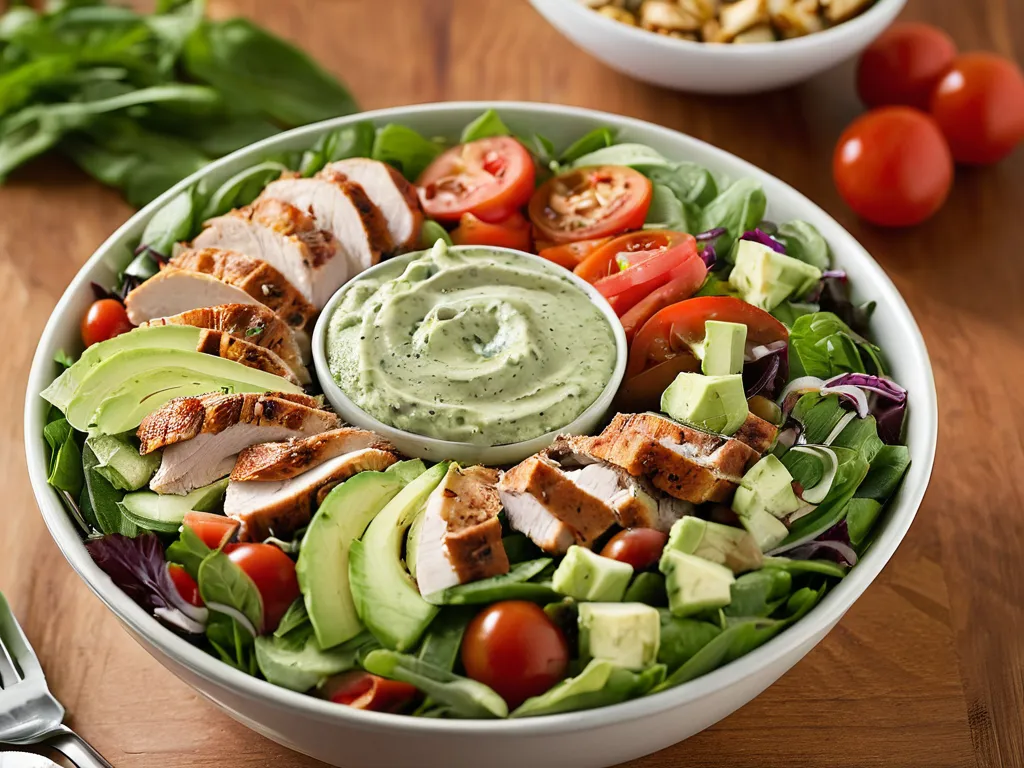
Then add each topping in distinct sections rather than mixing everything together: a scatter of grain blend, arranged chicken slices, mandarin orange segments in a cluster, feta crumbles spread across, cranberries scattered, pumpkin seeds and pecans distributed across the surface. This arrangement is how Panera presents the salad and it serves a purpose — with this many distinct toppings, mixing everything into the greens in the bowl would make each forkful random; arranged on top, you can compose each bite with a bit of everything.
The beet strips go on last, right before you carry the plates to the table.
Make It a You Pick Two
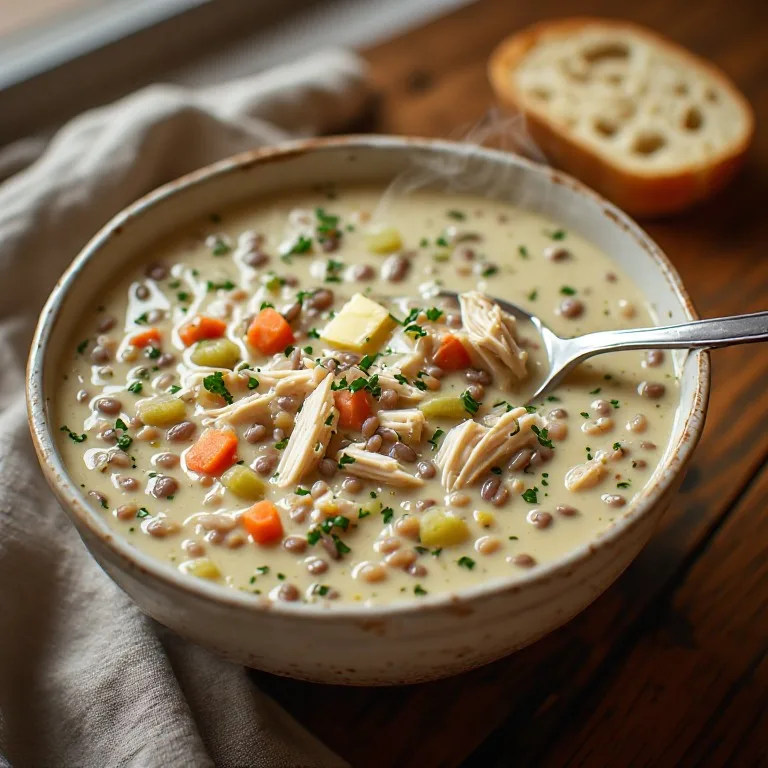
The Harvest Medley Salad’s natural pairing at Panera is with a bowl of fall soup. Two options worth knowing:
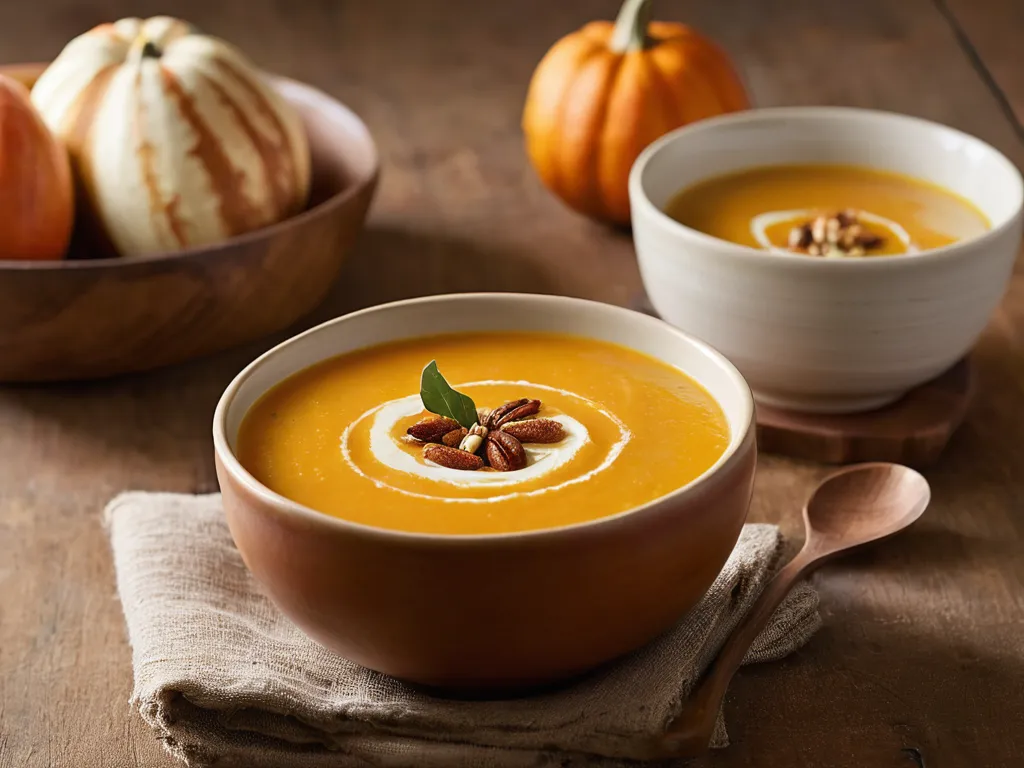
Autumn Squash Soup + Harvest Medley — the classic fall pairing. Butternut squash, apple juice, and cinnamon against the earthy balsamic-and-beet salad. Both seasonal, both restrained in sweetness, complementary without being redundant. See the copycat Panera Autumn Squash Soup.
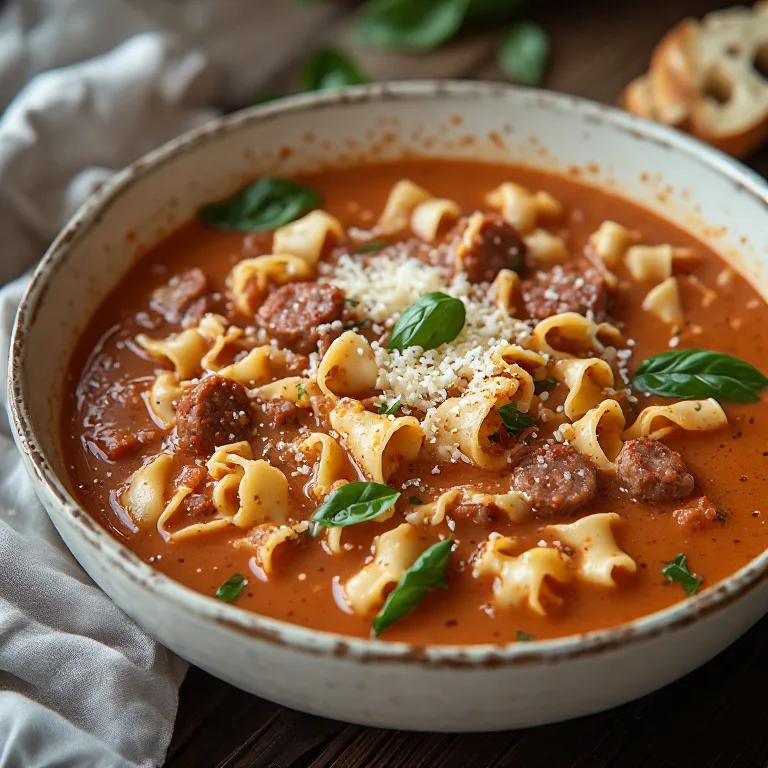
Three-Cheese Lasagna Soup + Harvest Medley — the most Panera-2026 combination possible. The Three-Cheese Lasagna Soup launched the same day as this salad — ricotta-tomato broth, Italian sausage, lasagna ribbons, Asiago. Serve a half Harvest Medley alongside a bowl of this soup and you have the complete fall 2026 Panera duo.