
Pin It

Pillsbury Crescent Rolls

Pillsbury Crescent Rolls
Jump to Recipe
Prep 25 min Cook 13 min Serves 8 rolls
Quick answer: Homemade Pillsbury crescent rolls use a soft enriched yeast dough folded twice with cold butter to create the same flaky layers as the tube version — baked at 375F for 11–13 minutes until deep golden brown. Total time is about 1 hour 45 minutes (30 minutes active). Makes 8 rolls for about $1.50 in ingredients; the tube at the store runs $3.50–4.50 for the same count.

Shop the tools

Gear matched to this recipe. These are Amazon affiliate links — we may earn a small commission if you buy, at no extra cost to you.

As an Amazon Associate, Copycat Spices earns from qualifying purchases. Product images are generic illustrations, not the exact item listed.

Pillsbury Crescent Rolls

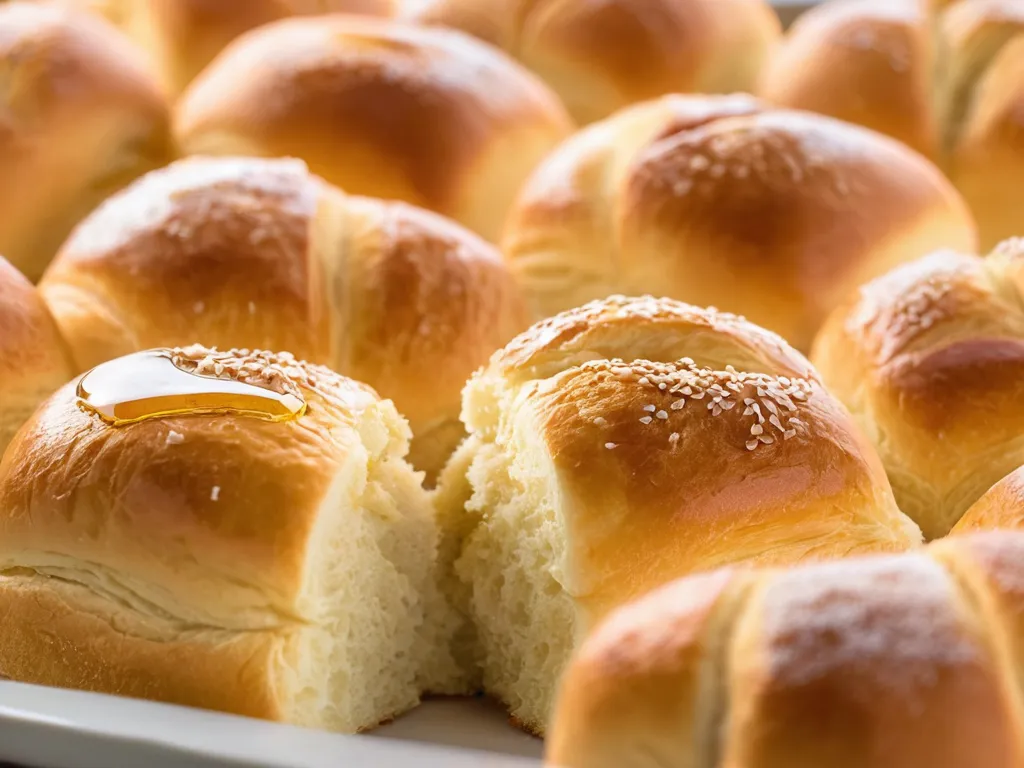
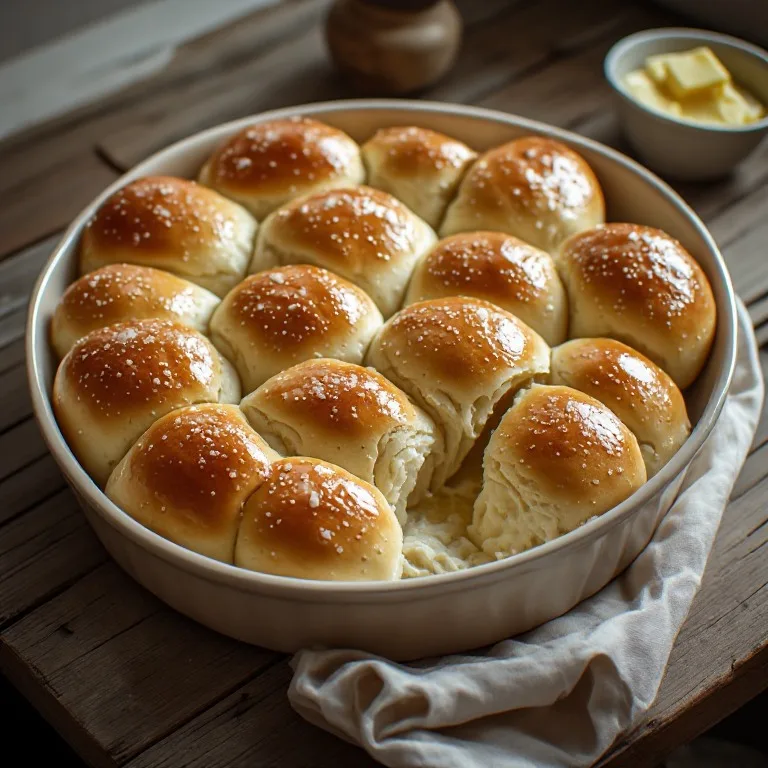
Copycat Pillsbury crescent rolls made from scratch — the buttery, flaky, pull-apart dinner rolls from the iconic pop-open tube. A simple enriched dough folded twice with cold butter gives you the same layered, golden-brown crescent the Doughboy has been selling since 1965. Ready in under 2 hours.

Medium Prep: 25 min Cook: 13 min Total: 38 min8 rolls servings ~$3.15/serving
Prep25 min
Cook13 min
Total38 min
Servings
8
At home~$3.15/serving
vs
Restaurant~$14.17/serving
You save ~78%

The Story Behind the Recipe

Pillsbury Crescent Rolls launched in 1965, developed by the company's test kitchens as part of a wave of refrigerated convenience doughs that transformed how American households baked. The genius was the packaging: a cardboard tube that popped open dramatically when you pressed the seam — a ritual so satisfying that Pillsbury built its entire Doughboy ("Poppin' Fresh") advertising campaign around the sound and the giggle. The rolls became the fastest path from refrigerator to dinner table for a homemade-tasting bread, and remain Pillsbury's best-selling refrigerated product — a fixture of American holiday tables, especially at Thanksgiving and Christmas.

A tube of 8 rolls retails for about $3.50–4.50 — roughly 50 cents a roll. Made from scratch, 8 rolls cost about $1.50 in ingredients ($0.19 each) and take under two hours including rise time. The version below uses a simplified lamination technique — cold butter folded twice into a yeast dough — to replicate the layered, flaky exterior and soft interior that defines the original. The pop-open tube uses a pressurized proofing environment that's impossible to replicate at home, but the dough itself is entirely reproducible.

Nutrition Facts

Per serving (8 rolls servings)
Calories190
Total Fat9g
Total Carbs22g
Dietary Fiber1g
Sugars3g
Protein4g
Sodium160mg

* Estimated values based on standard recipe preparation. Actual values may vary.

Ingredients

Instructions

💡
Pro tip: This recipe tastes even better the next day. The flavors need time to meld together in the fridge.
❄️
Storage: Keeps in an airtight container in the fridge for up to 2 weeks. Freezer-friendly for up to 3 months.
🦃 Free Thanksgiving cookbook — download now The Copycat Thanksgiving Cookbook A ready-made, photo-illustrated PDF of our best thanksgiving copycat recipes — free to download, no building required. Pay what you want to support if you love it.

Free PDF — instant download. We'll also send new seasonal copycat recipes now and then; unsubscribe anytime. Or just download it →

Pillsbury crescent rolls from scratch nail the same buttery, flaky exterior and soft interior as the pop-open tube — without the preservatives or the $4.50 price tag. The technique is a simplified lamination: two quick butter-folds into a yeast dough before shaping. Total active time is about 30 minutes.

Why the Butter Folds Matter

The “flaky” in Pillsbury crescent rolls comes from layered butter that steams apart in the oven. Without the folds, you get a soft dinner roll in crescent shape — still good, but not the thing. The folds take about 5 extra minutes of hands-on time and two short fridge rests, which is worth it.

The critical detail: the butter must stay cold between folds. If it starts to soften and smear into the dough, it absorbs rather than staying in discrete layers. You’ll see the difference immediately — cold butter stays as visible pieces; warm butter disappears into the dough. If you feel the butter softening as you roll, wrap the dough and refrigerate it for 15 minutes before continuing.

Getting the Dough Right

Crescent roll dough should be noticeably softer than pizza dough — almost too soft to handle cleanly. That’s correct. If it feels like Play-Doh just slightly too sticky to roll cleanly, you’re in the right place. Add more flour only if the dough is genuinely sticking to the surface, not because it feels uncomfortable. Over-flouring is the most common mistake and produces rolls that are tight and bready rather than soft and layered.

Shaping the Crescents

Roll the dough into a 12-inch circle, then cut it into 8 equal wedges with a pizza cutter. Start rolling each wedge from the wide outer edge toward the narrow point, stretching the dough very slightly as you go — that gentle stretch creates the spiral that separates the layers. Roll with moderate pressure, not tight, and curve the ends slightly inward to form the crescent shape. Place point-side down on the parchment sheet.

The proofed rolls should be visibly puffy before baking — noticeably larger than when you shaped them, and the dough should spring back slowly when you press it lightly with a finger. Under-proofed crescents bake up tight and dense. Puffy, slightly slow-springback means ready.

The Butter Brush Is Not Optional

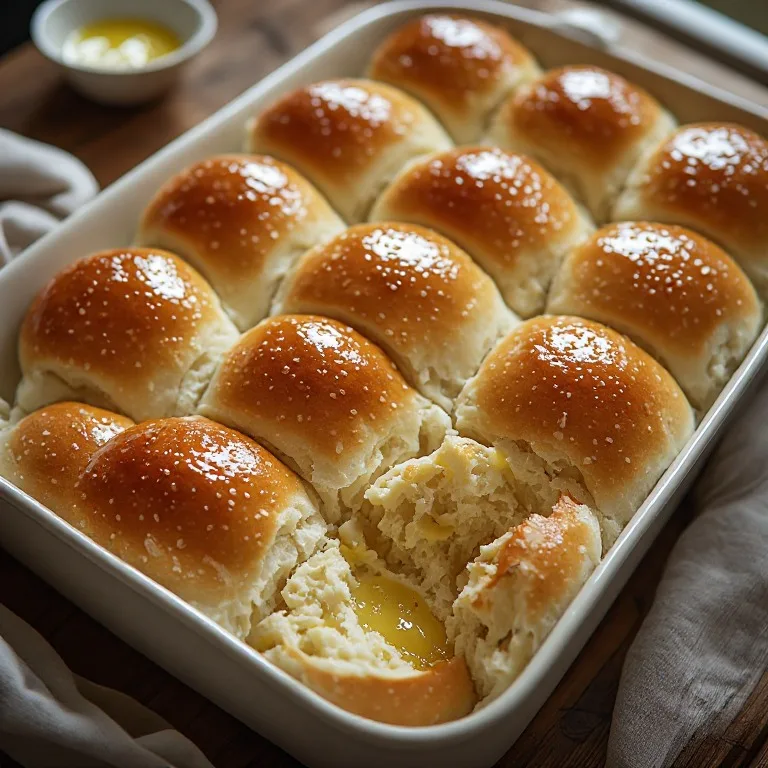
Brushing melted butter the instant the rolls come out of the oven is what gives them that glossy, just-from-the-tube top. It also seals in moisture. Do it while they’re still steaming. Cold rolls can’t absorb the butter the same way.

What to Make With Them

Beyond the dinner table, crescent roll dough handles most of the applications the tube version does — pigs in blankets, crescent ring dinners, and sweet Nutella-filled crescents. For Thanksgiving specifically, they work well alongside the Stove Top stuffing copycat and King’s Hawaiian rolls as an easy homemade bread option for the table. For a crustier, pull-apart option, the Texas Roadhouse rolls are the go-to.
🥗

Make It Healthier

Love Pillsbury Crescent Rolls but want a lighter version? Try these simple swaps:

  • ✓Use 2% milk instead of whole milk — the texture difference is negligible in a dough this enriched.
  • ✓Reduce butter in the folds to 4 tablespoons total (2 per pass) for a slightly less flaky but still tender result with about 25 fewer calories per roll.
  • ✓Skip the melted butter finish — the rolls still look great and you save about 20 calories per roll.
  • ✓Substitute half the all-purpose flour with white whole wheat flour for added fiber; the texture will be very slightly denser but still soft.

Frequently Asked Questions

How do I make homemade copycat Pillsbury crescent rolls?

Make a small enriched yeast dough (flour, milk, egg, butter, salt, sugar), let it rise 45–60 minutes, then perform two quick butter-folds by scattering cold butter cubes over rolled-out dough and folding like a letter. After a short chill between each fold, roll the dough into a 12-inch circle, cut into 8 wedges, roll each into a crescent, and bake at 375F for 11–13 minutes until deep golden brown. Total active time is about 30 minutes; rising and chilling add another 1 hour 20 minutes.

What makes Pillsbury crescent rolls flaky?

The lamination: cold butter folded into the dough creates distinct fat layers that steam and separate in the oven's heat, forming the flaky, slightly crispy exterior. Inside, the yeast dough stays soft and pillowy. Pillsbury achieves this in a pressurized tube; at home, two quick butter-folds give you the same structural effect without a 20-step croissant process. The key is keeping the butter cold between folds so it stays in discrete pieces rather than melting into the dough.

Can I make Pillsbury crescent rolls ahead for Thanksgiving?

Yes — two ways. Make-ahead shaped rolls: complete the recipe through shaping, cover the pan tightly with plastic wrap, and refrigerate overnight (up to 18 hours). Pull from the fridge, let them proof at room temperature 45–60 minutes until puffy, then bake as directed. Or bake the rolls fully, cool completely, and freeze in a zip-lock bag for up to 1 month. Reheat at 325F for 8 minutes directly from frozen. The make-ahead shaped version gives you the freshest results at the table.

What can I make with crescent roll dough?

Pigs in blankets (wrap mini hot dogs or smoked sausage in a triangle before rolling), crescent roll appetizers (brush the triangle with pesto and parmesan before rolling), Nutella crescents (spread a thin layer on the dough before rolling up), and crescent ring dinners (arrange rolls in an overlapping circle, fill the center with a savory filling, fold the points over the top, and bake). The dough handles both sweet and savory applications well because it's only mildly sweet and very buttery.

Why did my crescent rolls come out dense instead of flaky?

Two likely causes: the butter got too warm during the folds (warm butter absorbs into the dough instead of staying in layers — chill 20 minutes between folds without skipping), or the dough was over-floured (a stiff, floury dough has no room for the butter to create separation). The dough should feel soft and slightly tacky going into the folds. If the butter smears instead of staying in distinct pieces when you fold, refrigerate the dough immediately and try again once it's cold.

Love this recipe? Share it!

Free PDF: our 12 most-wanted copycat recipes — instant download.

Made it? Buy us a coffee

Every recipe here is free, with no paywalls. If this one was a hit at your table, a small tip keeps new copycats coming.

$

Pillsbury is a trademark of its owner, used here only to describe the dish this recipe recreates. This is an independent copycat written in our own words — Copycat Spices is not affiliated with, endorsed by or sponsored by Pillsbury.

Ratings & Reviews

—
No ratings yet

Rate this recipe

Click a star to rate

Leave a Review

0/500

CS

Copycat Spices Editorial

Researched + fact-checked. Every recipe on Copycat Spices is built from published sources — official ingredient lists, brand-published recipes, interviews and food-science references — and fact-checked before it goes live, then written as clear, step-by-step instructions for home cooks of all skill levels.

Learn more about our mission →