
Pin It

Pillsbury Christmas Shape Sugar Cookies

Pillsbury Christmas Shape Sugar Cookies
Jump to Recipe
Prep 20 min (plus 2-hr chill) Cook 12 min Serves 28–32 cookies
Quick answer: Cream ½ cup vegetable shortening, ¼ cup softened butter, and ¾ cup sugar until fluffy. Beat in 1 large egg, 2 teaspoons vanilla extract, ½ teaspoon butter extract, and ¼ teaspoon almond extract. Stir in 2 cups all-purpose flour, 2 tablespoons cornstarch, ½ teaspoon baking powder, and ¼ teaspoon salt until just combined. Divide the dough in half and shape each half into a smooth log about 1½ inches in diameter. Roll one log in red sanding sugar and one in green sanding sugar, pressing gently so the sugar adheres all around. Wrap each log tightly in plastic wrap and refrigerate at least 2 hours (or overnight — up to 3 days). When ready to bake, preheat the oven to 350°F. Slice the logs into ¼-inch rounds and place on parchment-lined baking sheets 1½ inches apart. Bake 12–14 minutes until the edges are just set but the centers still look barely done. Cool on the pan 5 minutes before transferring — they firm up as they cool. The shortening is the key: all-butter cookies spread and go crisp; the shortening-butter combination gives you Pillsbury's signature puffed, soft, non-spreading texture.

Shop the tools

Gear matched to this recipe. These are Amazon affiliate links — we may earn a small commission if you buy, at no extra cost to you.

As an Amazon Associate, Copycat Spices earns from qualifying purchases. Product images are generic illustrations, not the exact item listed.

Pillsbury Christmas Shape Sugar Cookies

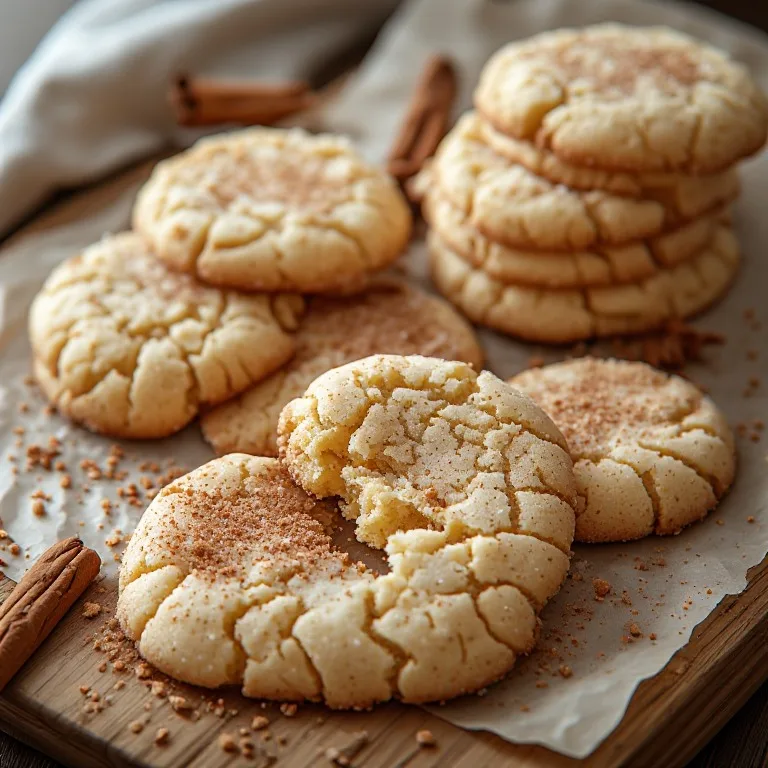
The copycat Pillsbury Christmas Shape Sugar Cookies — the iconic slice-and-bake refrigerator cookies with colored sugar edges and that signature soft, cakey interior. A 24-count package runs about $4.50; this recipe makes about 28–32 cookies for roughly $5–7 in ingredients. The one technique that matters: a small amount of vegetable shortening alongside real butter gives you the distinctive Pillsbury texture — cookies that hold their shape in the oven and stay soft for days, not crisp ones.

Easy Prep: 20 min (plus 2-hr chill) Cook: 12 min Total: 32 min28–32 cookies servings ~$4.50/serving
Prep20 min (plus 2-hr chill)
Cook12 min
Total32 min
Servings
28
At home~$4.50/serving
vs
Restaurant~$20.25/serving
You save ~78%

The Story Behind the Recipe

The refrigerated-dough tube that made Pillsbury famous wasn't actually a Pillsbury invention. A Louisville, Kentucky baker named Lively Willoughby patented the idea in 1931 — a cardboard tube lined to keep biscuit dough fresh — and Pillsbury entered the refrigerated-dough business in 1951 by acquiring Ballard & Ballard, which held the tube process. Pillsbury went on to engineer the spiral wraparound tube that pops open when you peel the label, and that satisfying pop became one of the most recognized sounds in the American kitchen. The company expanded into seasonal refrigerated cookie doughs in the 1990s, adding holiday Shape varieties with pre-stamped designs — Christmas trees, Santas, reindeer, snowflakes — to the lineup alongside the year-round sugar cookie rounds. For millions of families with children, the Ready to Bake Shape cookies became a genuine holiday ritual: no measuring, no rolling, no cookie cutters, just slice and bake. Pillsbury's parent company Pillsbury Co. was acquired by General Mills in 2001 for approximately $10.4 billion; the Doughboy mascot ("Poppin' Fresh") has been the brand's face since 1965. A 24-count package retails for about $4.50–5.00.

The signature Pillsbury texture — soft, slightly thick, barely cakey, with a subtle crispness only at the very edge — comes from two things the store product uses that most home recipes skip: vegetable shortening (not butter) and a small amount of modified starch. Shortening has a higher melting point than butter and contains no water; cookies made with shortening spread less in the oven and stay puffier and softer as they cool, rather than going crisp and thin. The flavor in the original is artificial vanilla plus butter extract — a combination that reads as "buttery and mild" rather than richly dairy, deliberately designed to stay consistent in a shelf-stable tube. This from-scratch version uses a combination of shortening (for texture) and real butter (for genuine flavor), which gets closer to the original than either ingredient alone. Cornstarch in the flour mix replaces the modified starch. The slice-and-bake log format — rolled in red and green sanding sugar before chilling — is the home equivalent of the factory-stamped shape, and it's more fun to make.

Nutrition Facts

Per serving (28–32 cookies servings)
Calories110
Total Fat5g
Total Carbs14g
Dietary Fiber0g
Sugars7g
Protein1g
Sodium55mg

* Estimated values based on standard recipe preparation. Actual values may vary.

Ingredients

  • For the dough
  • For coating the logs

Instructions

💡
Pro tip: This recipe tastes even better the next day. The flavors need time to meld together in the fridge.
❄️
Storage: Keeps in an airtight container in the fridge for up to 2 weeks. Freezer-friendly for up to 3 months.
🎃 Free Halloween cookbook — download now The Copycat Halloween Cookbook A ready-made, photo-illustrated PDF of our best halloween copycat recipes — free to download, no building required. Pay what you want to support if you love it.

Free PDF — instant download. We'll also send new seasonal copycat recipes now and then; unsubscribe anytime. Or just download it →

Pillsbury Christmas Shape Sugar Cookies

Prep: 20 minutes | Chill: 2+ hours | Bake: 12–14 minutes | Makes: 28–32 cookies

Pillsbury Ready to Bake Christmas Shape cookies run about $4.50 for 24 cookies. This recipe makes 28–32 for about $5–7 in ingredients — a similar per-cookie cost, but with real vanilla, real butter mixed in, and a dough that stores in your refrigerator for up to 5 days so you can bake a few batches over the whole holiday week.


The Two Things That Make It Pillsbury

1. Shortening, not all butter. The original product uses palm and palm kernel oil — commercial shortening. Shortening has a higher melting point than butter and no water content. When you bake a shortening-based cookie, the fat doesn’t melt and spread before the structure sets; the cookie stays puffed, soft, and pale. Substitute all butter and you get a delicious sugar cookie — a thinner, crisper, more golden one that’s nothing like Pillsbury. This recipe uses a 2:1 shortening-to-butter ratio: enough shortening to hold the shape and produce the soft bite, enough butter to actually taste good.

2. Butter extract. The Pillsbury flavor isn’t just vanilla — it’s vanilla plus a mild butter note that reads as “round and bakery-like.” Butter extract (Watkins or McCormick, baking aisle, ~$3) adds that quality in a quarter teaspoon. It’s subtle, but it’s what separates “homemade sugar cookie” from “tastes like Pillsbury.” If you can’t find it, the recipe still works; just add an extra ½ teaspoon of vanilla.


The Slice-and-Bake Log: Why It Works for Home Baking

The pre-cut refrigerator cookie format was invented partly for convenience and partly for consistent results. A chilled log of dough cuts cleanly into even rounds, bakes evenly, and produces cookies that hold their shape without requiring cold rolling, flour-dusted cutters, or re-chilling between cut sessions. The sanding sugar edge does triple duty: it looks festive, adds a slight crunch to the otherwise soft exterior, and forms a visual seam that distinguishes these as “holiday” cookies without any icing or decoration.

The method: shape → coat → chill → slice → bake. The chill is mandatory. Unchill the dough and the slices will be soft, will stick to the knife, and will spread in the oven before the structure sets. Two hours minimum; four is better. The logs keep refrigerated for 5 days and frozen for 3 months, so you can mix once and bake fresh batches at any point during the holiday season.


Baking Cue: What “Done” Looks Like

Pillsbury cookies are intentionally pale and soft — not golden, not crisp. The visual cue for done is subtle: the very outer edge of each cookie will look matte and set while the center still looks slightly shiny and underdone. That’s the moment to pull them. They’ll be soft to the touch for the first 5 minutes out of the oven; that’s expected. By the time they cool to room temperature (10–12 more minutes), they’ll be set to the characteristic Pillsbury softness — slightly springy, not doughy.

If they come out crisp or thin: the shortening ratio was off, or the dough wasn’t chilled enough, or you sliced too thick. If the centers stay doughy after cooling: the slices were too thick (closer to ½ inch than ¼ inch) or the oven runs cool. A ¼-inch slice at 350°F in a calibrated oven is the reference point.


Color Variations

The classic is red-and-green; you can use any sanding sugar color for any holiday:

  • Halloween: orange and black sanding sugar
  • Valentine’s Day: red and pink
  • Fourth of July: red, white (plain sugar), and blue
  • Mixed batch: split each log into thirds and coat with three colors for a rainbow assortment

Sanding sugar (large crystal) stays visible and crunchy on the edge; standard granulated sugar dissolves in the oven and disappears. Both work for the coating but sanding sugar is the one that looks like the store version.


Holiday Gift Packaging

These travel well and are a natural gift item. Let them cool completely, then layer in a holiday tin with parchment paper between layers. A tin of 24 cookies (one batch) looks like the store product but is noticeably fresher. Unfrosted, they’re shelf-stable in a tin for 5–7 days; no refrigeration needed for gifting over a weekend. For a hostess gift, a double batch (two red + two green logs) can yield 60+ cookies — enough for a tin to take and a bag to leave at home.


Related Holiday Baking

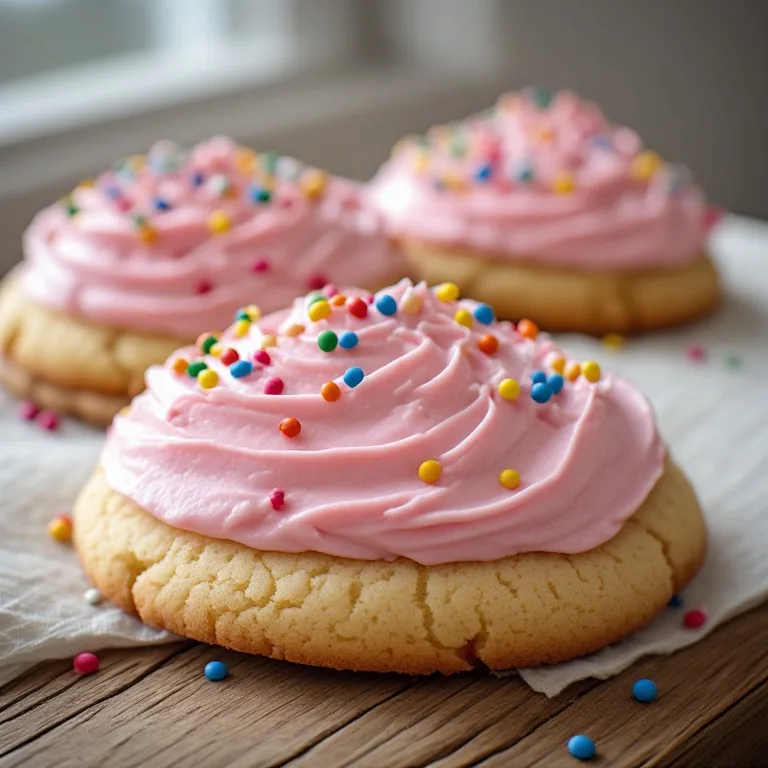
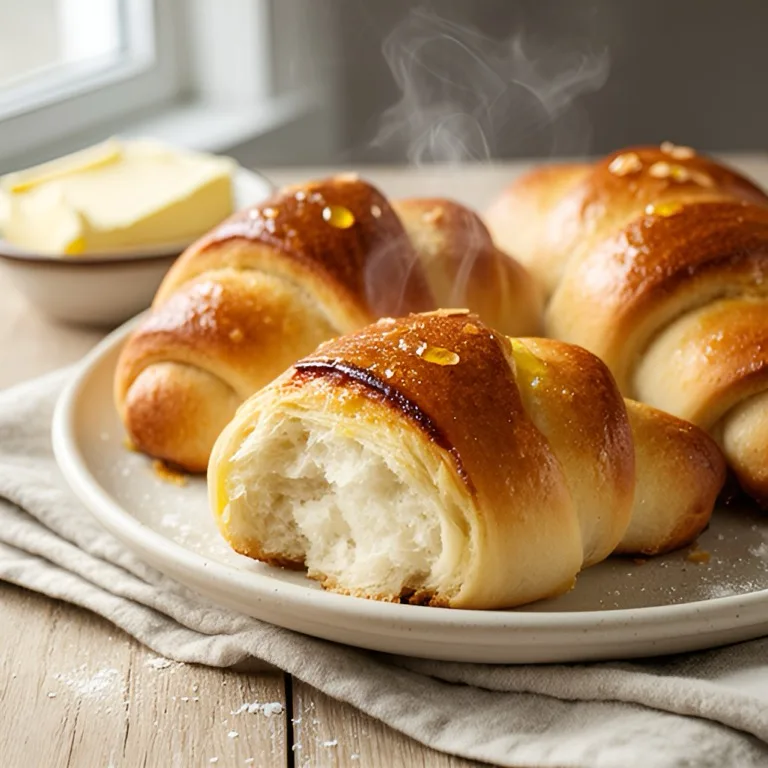
For more iconic Christmas sweets made from scratch: Lofthouse Frosted Sugar Cookies are the grocery-store bakery equivalent — thick, cakey, and frosted; Pillsbury Crescent Rolls cover the other half of the Doughboy’s holiday table contribution; Nestlé Toll House Chocolate Chip Cookies are the original American cookie the fridge-dough format adapted. Little Debbie Christmas Tree Cakes are the other December grocery-store tradition worth making at home.
🥗

Make It Healthier

Love Pillsbury Christmas Shape Sugar Cookies but want a lighter version? Try these simple swaps:

  • ✓Use ⅓ cup sugar instead of ¾ cup — Pillsbury cookies are genuinely sweet but the recipe holds together fine at about half the sugar with only a modest flavor change; saves about 15 calories per cookie and noticeably reduces the sweetness edge.
  • ✓Replace the ½ cup shortening with ½ cup coconut oil (solid, at room temperature) — coconut oil has a similar high melting point and produces nearly the same puffed, non-spreading texture as shortening, with no hydrogenated fat; use refined coconut oil if you don't want a coconut flavor.
  • ✓Roll the logs in turbinado sugar (raw sugar with large crystals) instead of colored sanding sugar — it has the same crunch and sparkle, less food coloring, and a slightly more complex caramel flavor than the neon holiday versions.
  • ✓Make smaller cookies by shaping the logs to 1-inch diameter instead of 1½ inches; bake for 10–11 minutes. The cookies come out bite-sized (about half the volume), so you can eat two and get roughly the same satisfaction for about 60–70% of the calories.

Frequently Asked Questions

What makes Pillsbury Christmas sugar cookies taste different from regular homemade sugar cookies?

Three things. First, the fat: Pillsbury uses vegetable shortening (palm and palm kernel oil), not butter. Shortening has a higher melting point and no water content, which means the cookies spread less and stay puffier — the Pillsbury texture is soft and slightly cakey, not crisp or thin. Most homemade sugar cookies use all butter, which spreads more and crisps up. Second, the starch: the original uses modified cornstarch, which tenderizes the crumb and slows staling. Cornstarch in this recipe does the same thing. Third, the flavoring: the store version uses vanilla plus butter extract — a mild, mellow sweetness that's different from the brighter taste of pure vanilla. If you've ever eaten a Pillsbury cookie and thought it tasted 'rounder' or 'more bakery-like' than your own recipe, the butter extract is part of why.

What is butter extract and where do I find it?

Butter extract is a concentrated flavoring made from real butter or imitation butter compounds — it adds a mild, sweet, buttery note without any actual fat. It's what gives store-bought cookies, frosting, and cake mixes their characteristic 'bakery' flavor. Look for it in the baking aisle near vanilla extract; Watkins and McCormick both make one that's widely available at grocery stores, Walmart, and Amazon. If you can't find it, the cookies still taste good — just use 2½ teaspoons of vanilla total instead of vanilla plus butter extract. The butter extract isn't the whole flavor profile, but it is what differentiates this recipe from a standard sugar cookie.

Can I use all butter instead of shortening?

You can, but the cookies won't taste or behave like Pillsbury. All-butter sugar cookies spread more in the oven (butter melts at a lower temperature and releases water as steam, which flattens the cookie), and they go from soft to crisp as they cool. You'll end up with a very good, buttery sugar cookie — just a different animal from the puffed, soft Pillsbury-style cookie. If you want to avoid shortening but still get some of the texture benefit, substitute the ¼ cup of butter with an additional ¼ cup of cream cheese (softened); it has a similar fat-to-water structure to shortening and produces a notably soft cookie without the processed flavor. The cream cheese version won't taste quite the same as Pillsbury but will be soft and hold its shape well.

How do I get the colored sanding sugar to stick evenly to the outside of the log?

Three steps: (1) Make sure the dough is slightly tacky, not too cold. Freshly mixed dough is perfect; if the dough was refrigerated before shaping, let it sit at room temperature for 5 minutes so the surface is just slightly soft. (2) Pour the sanding sugar in a thin line on a piece of wax paper, then roll the dough log over it rather than packing sugar onto the log — rolling distributes the sugar more evenly and presses it in gently. (3) After rolling, press the sides and ends gently with your hands to embed the sugar without brushing it off. Refrigerating immediately after coating helps the sugar set against the dough surface — by the time you slice, it will be firmly attached. If any spots are thin, dip those sections briefly in the sugar bowl before wrapping.

How thin should I slice the cookies, and what knife should I use?

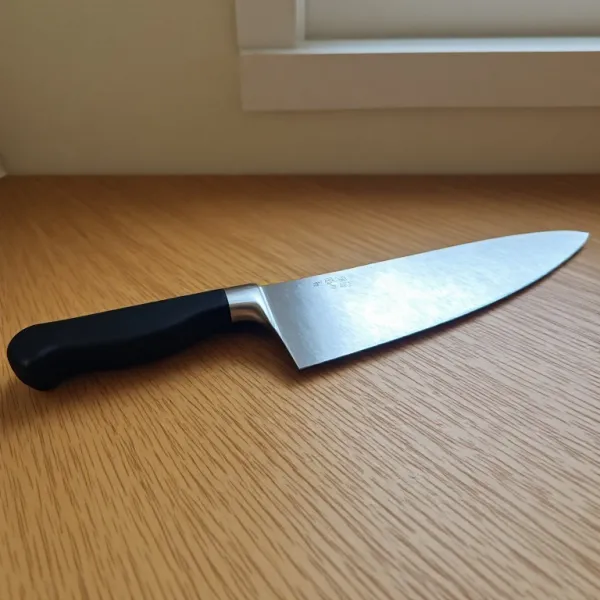
Slice them ¼ inch thick. Thinner (⅛ inch) and they bake too quickly into crispy wafers — not the Pillsbury texture. Thicker (⅜ inch or more) and the centers stay doughy before the edges are done. A ¼-inch slice is about the diameter of a pencil laid on its side — not a precise measurement, but easy to eyeball once you have the rhythm. Use a sharp chef's knife (not serrated) and one clean downward press per cookie — no sawing. A sawing motion scrapes the sanding sugar off the edges and distorts the circle shape. Wipe the knife clean every 6–8 slices so sanding sugar doesn't build up and pull the cookie sideways. If the log crumbles or breaks while slicing, it was too cold; let it sit at room temperature for 2 minutes and try again.

My cookies spread and went flat — what went wrong?

Almost always one of three causes: (1) Not enough shortening or too much butter. The shortening ratio is what prevents spreading; if you substituted more butter for the shortening, the cookies will spread. (2) The dough wasn't chilled long enough. An underchilled log means soft fat that melts immediately in the oven before the structure sets. Two hours is the minimum; overnight is better. (3) The baking sheet was warm from a previous batch. Always start with a cool pan; a hot pan starts melting the fat before the oven air does, causing spreading before the cookies set. If spreading is a persistent issue, add 1 extra tablespoon of flour to the dough — it stiffens the structure without meaningfully changing the flavor.

How long do the unbaked logs keep in the refrigerator, and can I freeze them?

Refrigerator: wrapped tightly in plastic, up to 5 days — the dough stays ready to slice and bake any time. This is the whole appeal of the refrigerated cookie format: mix once, bake in small batches all week. Freezer: up to 3 months. Wrap the plastic-wrapped log in a layer of aluminum foil (double wrap prevents freezer burn and protects the sugar coating). To bake from frozen: let the log thaw in the refrigerator overnight or at room temperature for 20–30 minutes, then slice and bake as directed. Don't bake from fully frozen — the outside cookies will brown before the centers defrost. Baked cookies keep at room temperature in an airtight container for 5–7 days.

Can I add icing or additional decorations on top?

Yes — and it's the easiest upgrade. The Pillsbury holiday shape cookies come with designs already baked in; at home, you add the decoration after baking. Wait until the cookies are fully cool, then pipe royal icing or use premade cookie icing tubes (Wilton makes them in red, green, and white) to add stars, stripes, dots, or outlines. Simple white royal icing with red or green sanding sugar on top is the quickest approach and looks cleanest. Alternatively, brush the tops lightly with corn syrup or simple syrup immediately after baking (while still warm) and press seasonal sprinkles or edible glitter directly into the surface — the surface is slightly tacky for about 30 seconds after the oven. For a minimal approach, the colored sanding sugar edge already gives the cookies their holiday identity without any additional decoration.

Love this recipe? Share it!

Free PDF: our 12 most-wanted copycat recipes — instant download.

Made it? Buy us a coffee

Every recipe here is free, with no paywalls. If this one was a hit at your table, a small tip keeps new copycats coming.

$

Pillsbury is a trademark of its owner, used here only to describe the dish this recipe recreates. This is an independent copycat written in our own words — Copycat Spices is not affiliated with, endorsed by or sponsored by Pillsbury.

Ratings & Reviews

—
No ratings yet

Rate this recipe

Click a star to rate

Leave a Review

0/500

CS

Copycat Spices Editorial

Researched + fact-checked. Every recipe on Copycat Spices is built from published sources — official ingredient lists, brand-published recipes, interviews and food-science references — and fact-checked before it goes live, then written as clear, step-by-step instructions for home cooks of all skill levels.

Learn more about our mission →