Pin It

Copycat Red Lobster Admiral's Feast (Fried Shrimp, Flounder, Clam Strips, and Bay Scallops)

Copycat Red Lobster Admiral's Feast (Fried Shrimp, Flounder, Clam Strips, and Bay Scallops)
Jump to Recipe
Prep 30 min Cook 25 min Serves 2
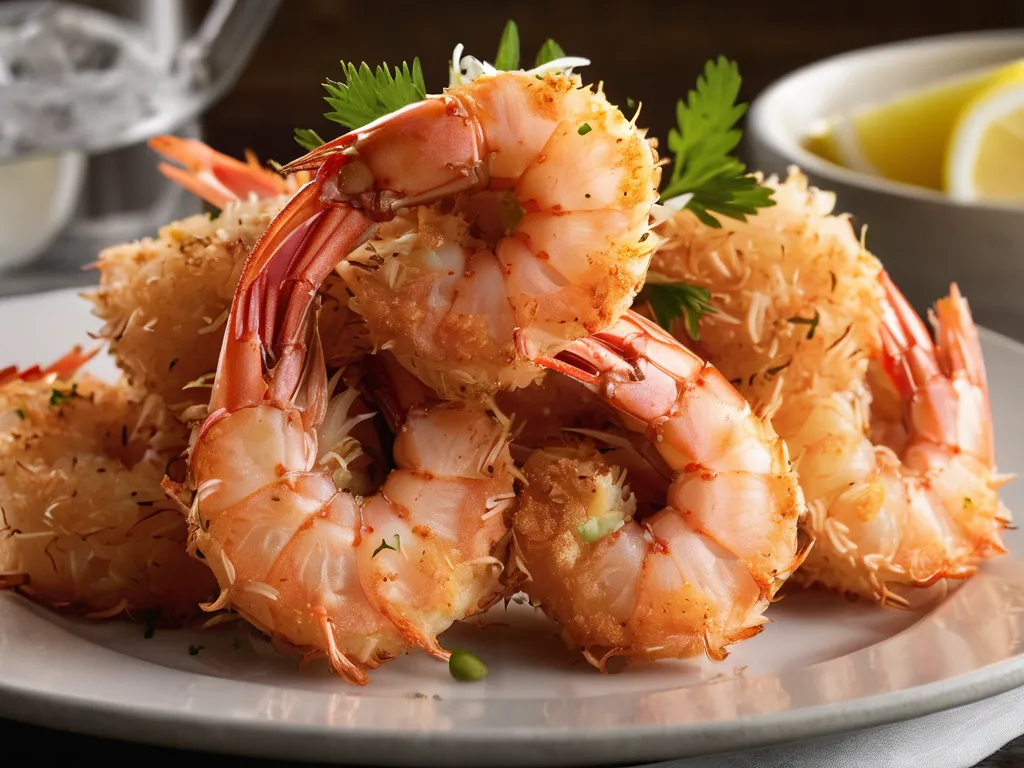
Quick answer: Red Lobster's Admiral's Feast is a fried seafood platter: Walt's Favorite Shrimp (butterflied and breaded), wild-caught flounder fillets, clam strips, and bay scallops, all fried to golden-brown and served with cocktail and tartar sauces. Restaurant price is $27.49 (August 2026); home version for two costs about $25, or roughly $13 per plate. Calories: approximately 1,670 per plate with sauces (before sides). Sodium: ~4,750mg. The biggest home-cook mistake is soggy fried seafood — avoid it by keeping a 250°F warming oven going and frying in the right order: flounder first, then shrimp and scallops, clam strips last.

Copycat Red Lobster Admiral's Feast (Fried Shrimp, Flounder, Clam Strips, and Bay Scallops)

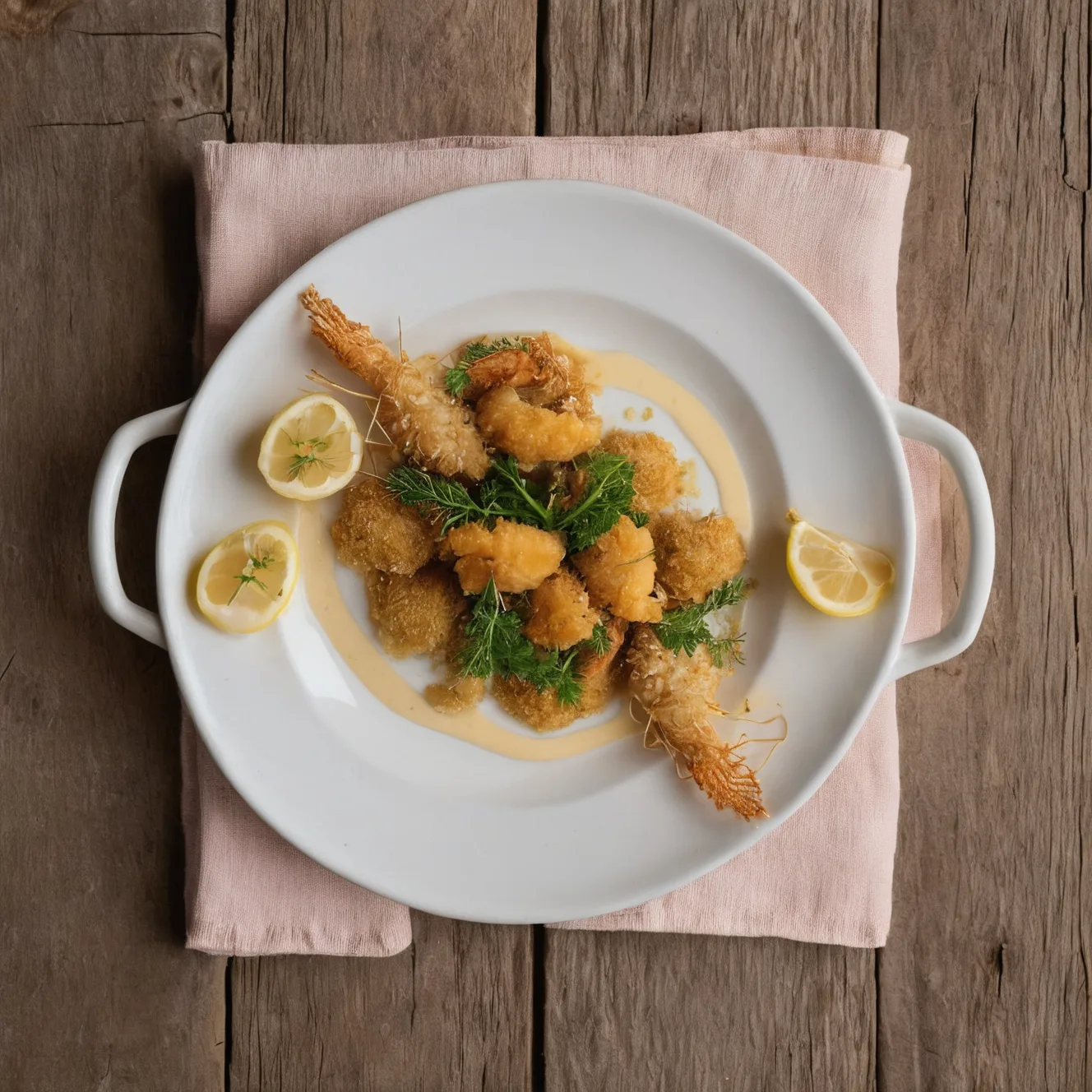
Red Lobster's Admiral's Feast is Walt's Favorite Shrimp, wild-caught flounder, clam strips, and bay scallops all fried golden-brown on one plate. The key to a crisp, non-greasy home version: 350°F oil, a warming oven at 250°F between batches, and frying the clam strips absolutely last.

Medium Prep: 30 min Cook: 25 min Total: 55 min2 servings ~$4.50/serving
Prep30 min
Cook25 min
Total55 min
Servings
2
At home~$4.50/serving
vs
Restaurant~$20.25/serving
You save ~78%

Ingredients

Instructions

💡
Pro tip: This recipe tastes even better the next day. The flavors need time to meld together in the fridge.
❄️
Storage: Keeps in an airtight container in the fridge for up to 2 weeks. Freezer-friendly for up to 3 months.
~300-500 cal/serving

The Story Behind the Recipe

Why the Admiral’s Feast Is Hard to Replicate at Home

The Admiral’s Feast is Red Lobster’s flagship fried platter: four different seafoods on one plate, all arriving hot and crispy. The restaurant has industrial fryers that maintain temperature precisely across a 50-gallon oil volume. At home, a standard pot of 3-inch oil loses temperature the moment cold seafood hits it — and if you’re not watching, the temperature drop turns a crispy crust into a greasy, soft one.

The solution is two things: a thermometer (not optional) and a strict frying order. Once you have both, this is a straightforward recipe with a spectacular result.


What Makes Each Component Different

Walt’s Favorite Shrimp has been on the Red Lobster menu since 1974 — one of the chain’s longest-running signature items. The defining technique is the butterfly cut: each shrimp is opened flat, which roughly doubles its surface area and creates a crispier-to-shrimp ratio than any other fried shrimp preparation. The brine step (chicken bouillon, 10 minutes) seasons the shrimp all the way through rather than just on the surface. The result is a shrimp that tastes seasoned even inside the breading.

Wild-caught flounder is the mildest fish on the plate — flaky white flesh that almost disappears into the crust. Red Lobster sources flounder that stays intact through the breading and frying process rather than flaking apart. For the home version, look for skinless flounder fillets at least ½ inch thick; thinner fillets cook before the coating has time to brown. Cut into two or three even pieces so they fry uniformly.

Clam strips are the underrated part of this plate. They are the muscular outer portion of the soft-shell clam, firmer than whole-belly clams, with a mild brine flavor that pairs naturally with tartar sauce. The key to great clam strips at home is double-drying: pat them dry before the dredge, and use evaporated milk in the egg wash (its lower water content means less steam inside the coating).

Bay scallops are the sweet note on the plate. They are naturally sweet compared to the brininess of the clams and shrimp — small, tender, and they cook in under 3 minutes. Do not substitute sea scallops without halving them first; a whole sea scallop will be overcooked on the outside and undercooked inside by the time the crust is ready.


The Oil Temperature Rule

Every step of this recipe is in service of one goal: keeping the oil at 350°F.

When you add cold, wet seafood to hot oil, the temperature drops — sometimes by 20–30°F in a home pot. At 330°F, the breading absorbs oil instead of crisping. At 320°F, the seafood steams from the inside and the crust never sets properly. At 310°F, you are making soggy fried seafood and there is no recovery.

Between each batch: remove the food, return the oil to 350°F (takes 2–3 minutes on medium-high), and only then add the next batch. A candy or deep-fry thermometer with a clip is the right tool — clip it to the side of the pot so you can read it continuously.

Never fry more than 4–5 pieces at a time in a standard Dutch oven. Crowding causes a larger temperature drop and prevents even browning.


The Warming Oven

A 250°F oven on a wire rack keeps fried seafood hot without continuing to cook it. The wire rack matters — a flat plate traps steam underneath and softens the bottom of the crust within 3 minutes.

Flounder can hold at 250°F for up to 12 minutes with minimal quality loss. Shrimp and scallops hold for 8–10 minutes. Clam strips should not go into the warming oven at all — they should be the last thing you fry and the first thing you plate.


The Sauces

Red Lobster serves both cocktail sauce and tartar sauce with the Admiral’s Feast — they are assigned to different seafoods. Cocktail sauce is the traditional pairing for shrimp (the horseradish heat cuts through the richness). Tartar sauce goes with the flounder and clam strips (the pickle and dill acidity complements white fish and clams).

The bay scallops are sweet enough to eat without sauce, but a small dip in cocktail sauce is the classic choice.

Homemade versions of both sauces take 3 minutes each and are noticeably better than anything from a jar. Make them 20–30 minutes early so the flavors have time to meld.


Cost Breakdown
ItemApprox. cost
Jumbo shrimp (10 count)$6
Flounder fillet (8 oz)$5
Clam strips (6 oz, frozen)$4
Bay scallops (4 oz)$4
Panko, flour, seasonings, eggs$3
Ketchup, horseradish, mayo, pickles$2
Oil (partial use)$1.50
Total (2 plates)~$25.50
Per plate~$13

The Admiral’s Feast runs $27.49 at the restaurant as of August 2026 (before sides, tax, and tip). The home version delivers comparable flavor for roughly half the cost per plate, with full control over oil freshness and seasoning.


More Red Lobster Recipes to Try

See all Red Lobster copycat recipes →
Nutrition Facts

Per serving (2 servings)
Calories1670
Total Fat96g
Total Carbs134g
Dietary Fiber4g
Sugars8g
Protein58g
Sodium4750mg

* Estimated values based on standard recipe preparation. Actual values may vary.

🥗

Make It Healthier

Love Red Lobster Admiral's Feast (Fried Shrimp, Flounder, Clam Strips, and Bay Scallops) but want a lighter version? Try these simple swaps:

  • Sodium is approximately 4,750mg per plate — more than double the daily recommended limit — primarily from the breading seasoning, frying salt, and the cocktail and tartar sauces. At home: use unseasoned panko and control the salt in the dredge (one 1-teaspoon addition to the flour station covers all four seafoods); make both sauces from scratch using low-sodium ketchup and avoid adding salt to the tartar mayo base. These adjustments can bring sodium closer to 2,500–3,000mg.
  • For an oven-baked version that cuts calories by roughly 35%: bread all four seafoods as directed, place on a wire rack set over a baking sheet, spray liberally with olive oil spray on both sides, and bake at 425°F for 12–15 minutes (flipping once at 8 minutes). The result is less uniformly golden than deep-frying but still produces a credible crust. Flounder and shrimp benefit most from this method; clam strips are harder to crisp in the oven.
  • Air-fryer version: works well for shrimp and flounder. Set to 400°F and cook in a single layer (no crowding) for 8–10 minutes, flipping once. Clam strips and bay scallops are harder to do in an air fryer because they're small and tend to fall through the basket or cook unevenly. Use the air fryer for the shrimp and flounder; pan-fry the clams and scallops in a shallow 1-inch of oil to keep them manageable.

Frequently Asked Questions

What is in Red Lobster's Admiral's Feast?

The Admiral's Feast contains four types of fried seafood: Walt's Favorite Shrimp (butterflied, breaded, and fried — the same shrimp that has been on the Red Lobster menu since 1974), wild-caught flounder fillets, clam strips, and bay scallops. All four are breaded and fried golden-brown, then served with cocktail sauce and tartar sauce alongside your choice of two sides. It is one of Red Lobster's Signature Feasts — the category of larger combination platters.

What is Walt's Favorite Shrimp?

Walt's Favorite Shrimp is one of Red Lobster's original menu items, introduced in 1974. The shrimp are butterflied — cut along the back, opened flat, and pressed lightly so they lie wide instead of curled — which creates a larger surface area for the breading and a crispier result per shrimp. They are brined briefly in a seasoned liquid (chicken bouillon-based brines are the most widely cited approach), then dredged through flour and breadcrumbs and fried for about 2 minutes. The butterflied shape and the light, even breadcrumb coating are the two signature details.

Why does homemade fried seafood get soggy?

Soggy fried seafood has two causes: oil that is too cool, or moisture that is not properly managed after frying. When oil is below 340°F, the breading absorbs oil rather than crisping immediately — the result is greasy and soft. Once properly fried, breaded seafood starts to lose crispness when placed on a plate that traps steam underneath. The solution: maintain 350°F oil throughout (check between batches; oil temperature drops each time you add cold food), and drain fried pieces on a wire rack — never a flat plate — in a 250°F oven while you finish the rest.

In what order should I fry the four seafoods?

Fry flounder first (it takes the longest and holds warmth well in the oven), then shrimp and scallops together if your pot is wide enough, and clam strips absolutely last. Clam strips are the most moisture-sensitive — they lose their crunch fastest in a warming oven, so they should go from the fryer to the plate with no wait. Flounder can hold at 250°F on a rack for 10–12 minutes with minimal quality loss.

Can I use sea scallops instead of bay scallops?

You can, but bay scallops are the better choice for this dish and what Red Lobster uses. Bay scallops are small (about the size of a marble) and cook through in 2–3 minutes of frying. Sea scallops are much larger — fried whole they take longer and the exterior can overbrown before the center cooks. If you only have sea scallops, slice them in half horizontally (into two discs) before breading to approximate the size and cook time of bay scallops.

What is the difference between clam strips and whole-belly clams?

Clam strips are made from the tough, muscular outer portion of the soft-shell clam — the part surrounding the whole belly. They have a firmer texture, milder flavor, and hold up to breading much better than whole-belly clams. Whole-belly clams (the 'whole belly' style common in New England) include the soft, tender stomach sac, which has a stronger flavor but is more delicate and easier to overcook. Red Lobster uses strips, not whole-belly. For this recipe, use frozen clam strips (readily available at most grocery stores), thawed and patted very dry before breading.

How do I make the cocktail sauce and tartar sauce?

Quick cocktail sauce: stir together ½ cup ketchup, 2 tablespoons prepared horseradish, 1 tablespoon fresh lemon juice, 1 teaspoon Worcestershire sauce, and a few drops of hot sauce. Taste and add more horseradish if you want more heat. Quick tartar sauce: stir together ½ cup good mayonnaise, 2 tablespoons sweet pickle relish (drain off excess liquid), 1 tablespoon finely minced dill pickle, 1 tablespoon fresh lemon juice, and ½ teaspoon dried dill. Both improve if refrigerated for at least 20 minutes before serving.

What sides go with the Admiral's Feast?

Red Lobster lets you choose two sides. The most popular combinations: coleslaw and hush puppies, coleslaw and baked potato, or mashed potatoes and broccoli. Coleslaw is the best pairing for a fried platter — the cold, acidic slaw cuts through the richness and cleanses the palate between bites of different seafood. If you want to add hush puppies, make them before the seafood (they hold at 250°F without losing much quality) since they use the same frying oil.

Love this recipe? Share it!

Shop the tools

Gear matched to this recipe's equipment list. We may earn a small commission if you buy through these links — at no extra cost to you.

As an Amazon Associate, Copycat Spices earns from qualifying purchases.

Free PDF: our 12 most-wanted copycat recipes — instant download.

Ratings & Reviews

No ratings yet

Rate this recipe

Click a star to rate

Leave a Review

0/500

CS

Copycat Spices Test Kitchen

Every recipe on Copycat Spices is developed and tested in our home test kitchen. We reverse-engineer beloved restaurant dishes and refine each one until the flavors and the instructions work reliably for home cooks of all skill levels.

Learn more about our mission →