

Pin It

Ruth's Chris Potatoes au Gratin (The Sizzling Cast-Iron Version, Made at Home)

Ruth's Chris Potatoes au Gratin (The Sizzling Cast-Iron Version, Made at Home)
Jump to Recipe
Prep 25 min Cook 65 min Serves 8
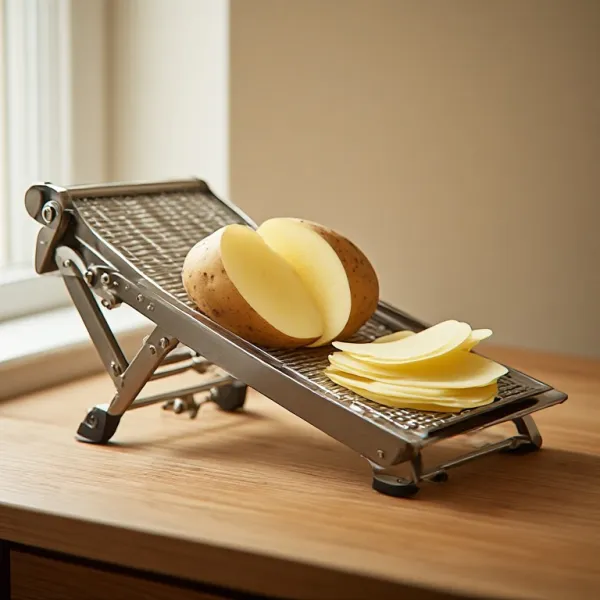
Quick answer: Preheat oven to 350°F. Infuse the cream: combine 2 cups heavy cream, 3 cloves minced garlic, 1 teaspoon fresh thyme (or ½ tsp dried), 1 teaspoon fine salt, ¼ teaspoon black pepper, and a pinch of freshly grated nutmeg in a small saucepan. Heat over medium until steaming and fragrant, about 3 to 4 minutes — do not boil. Remove from heat and steep 5 minutes. Thinly slice 2½ lbs Yukon Gold potatoes to ⅛ inch on a mandoline (do NOT use Russets — they turn grainy and fall apart). Generously butter a 2-quart baking dish, a 9×13-inch pan, or two 6-inch cast-iron skillets. Shred 6 oz Gruyère and 2 oz sharp white cheddar together. Build two layers: arrange half the potato slices in overlapping shingle rows, pour half the infused cream evenly over the top, and scatter one-third of the cheese mixture over the potatoes. Repeat with remaining potatoes, remaining cream, and cover the surface completely with the remaining cheese. Dot with 1 tablespoon cold butter cut into small pieces. Cover tightly with foil. Bake covered at 350°F for 45 minutes. Remove foil and bake 20 to 25 minutes longer, until the cheese topping is deep golden-brown and bubbling at the edges, and a knife inserted at the center slides through with no resistance. If the cheese browns quickly but potatoes need more time, cover loosely with foil and reduce heat to 325°F. Rest 10 minutes before serving — the cream thickens into a sauce that holds the layers as it cools slightly. For the sizzle effect Ruth's Chris is famous for, transfer portions to pre-heated 6-inch cast-iron skillets for the last 5 minutes of baking. A single individual portion at Ruth's Chris runs $14 to $17 depending on location. This recipe makes 8 sides for about $18 total — roughly $2.25 per serving.

Shop the tools

Gear matched to this recipe. These are Amazon affiliate links — we may earn a small commission if you buy, at no extra cost to you.

As an Amazon Associate, Copycat Spices earns from qualifying purchases. Product images are generic illustrations, not the exact item listed.

Ruth's Chris Potatoes au Gratin (The Sizzling Cast-Iron Version, Made at Home)

Ruth's Chris Potatoes au Gratin made at home: thinly sliced Yukon Golds layered in garlic-thyme-infused heavy cream with Gruyère and sharp white cheddar, baked golden in a cast-iron skillet. The sizzling steakhouse side at about $4 a serving instead of $16.

Medium Prep: 25 min Cook: 65 min Total: 1h 30m8 servings ~$4.50/serving
Prep25 min
Cook65 min
Total1h 30m
Servings
8
At home~$4.50/serving
vs
Restaurant~$20.25/serving
You save ~78%

The Story Behind the Recipe

Ruth's Chris Steak House was founded in 1965 when Ruth Fertel, a 38-year-old divorced mother of two with no restaurant experience, mortgaged her house for $22,000 to buy a steak restaurant in New Orleans. She rebuilt it twice — once after a fire, once after Hurricane Katrina — and grew it into one of the best-known fine-dining steakhouse brands in the country, now with more than 150 locations. The restaurant is defined by one presentation signature: almost every dish arrives on a 500°F sizzling plate or cast-iron skillet, creating the table-side drama that customers remember as long as the food itself. Their Potatoes au Gratin, listed under "Potatoes" on the menu at $14 to $17 per individual portion, is one of the most-requested copycat recipes the chain produces — a Gruyère and white cheddar gratin in heavy cream that has become a Thanksgiving and holiday standard at home cooks' tables across the country.

Two techniques separate the restaurant version from most home gratins. First, infuse the cream with garlic and thyme before assembling the dish — not after. Pouring cold cream over raw potatoes means the garlic sits mostly in the bottom layer; pre-steeping ensures the flavor permeates every slice. Second, use Yukon Gold potatoes, not Russets. Russets absorb liquid aggressively and break down into a grainy, mealy texture by the time the cream thickens. Yukon Golds hold their shape through the full bake while fully absorbing the cream, producing the distinct, fork-tender layered texture that makes a proper gratin.

Nutrition Facts

Per serving (8 servings)
Calories460
Total Fat34g
Total Carbs26g
Dietary Fiber3g
Sugars2g
Protein12g
Sodium590mg

* Estimated values based on standard recipe preparation. Actual values may vary.

Ingredients

  • For the garlic-thyme cream
  • For assembly

Instructions

💡
Pro tip: This recipe tastes even better the next day. The flavors need time to meld together in the fridge.
❄️
Storage: Keeps in an airtight container in the fridge for up to 2 weeks. Freezer-friendly for up to 3 months.
🦃 Free Thanksgiving cookbook — download now The Copycat Thanksgiving Cookbook A ready-made, photo-illustrated PDF of our best thanksgiving copycat recipes — free to download, no building required. Pay what you want to support if you love it.

Free PDF — instant download. We'll also send new seasonal copycat recipes now and then; unsubscribe anytime. Or just download it →

Ruth’s Chris Potatoes au Gratin (The Sizzling Cast-Iron Version, Made at Home)

Ruth’s Chris’s potatoes au gratin arrives in a sizzling cast-iron skillet: Yukon Gold potatoes layered in heavy cream infused with garlic and thyme, blanketed in Gruyère and sharp white cheddar, baked until the cheese forms a deep golden crust. At the restaurant, a single individual portion runs $14 to $17. This recipe makes eight generous sides for about $18 total.

The two techniques most home versions miss: (1) pre-infusing the cream with garlic and thyme before assembly — not pouring them raw into the layers — so the flavor permeates every slice, not just the bottom; and (2) using Yukon Gold potatoes instead of Russets, which absorb the cream without breaking down into the mealy texture that makes most home gratins disappointing.

Why Pre-Infuse the Cream?

Most home potatoes au gratin recipes call for mincing garlic and scattering it between potato layers, or sprinkling dried herbs over the top. The problem: garlic placed raw between layers releases its flavor only in the immediate area, concentrating pungently at the bottom and staying muted near the top. Herbs scattered on the surface never penetrate the layers below.

Pre-infusing means heating the cream with garlic, thyme, salt, pepper, and a pinch of nutmeg for three to four minutes — just until steaming and fragrant, never boiling — then letting it steep for five minutes off the heat. When you pour that cream over the potato layers, every slice gets the same flavor. The garlic mellows from sharp and raw to rounded and savory. The thyme becomes a background note rather than a dominant flavor. The result is a gratin that tastes balanced and complete rather than layered in separate flavor zones.

This technique is the most common gap between restaurant au gratin and the home version. It adds eight minutes to the recipe and changes the dish.

The Potato Matters: Yukon Gold, Not Russet

Russet potatoes absorb liquid aggressively and are high in starch — qualities that make them excellent for mashed potatoes, where you want the potato to fall apart and take on the butter and cream. In a gratin, the same properties work against you: Russets soak up the cream, bloat, and eventually collapse into a dense, grainy layer rather than a fork-tender slice. By the time the cream has thickened around the potato, the potato itself has lost its structure.

Yukon Gold potatoes are medium-starch and waxy. They absorb the cream at a slower rate that keeps pace with the cream thickening, so by the time the dish is done, the potatoes and the sauce have reached the right consistency at the same moment. Each slice is fully tender but intact — you can see the distinct layers when you scoop out a portion, and they hold together on the plate.

If Yukon Golds are unavailable, red potatoes (also waxy and medium-starch) work well. White or “all-purpose” potatoes behave more like Russets and are not recommended.

The Cheese: Why Two Kinds

Gruyère is the classic au gratin cheese for a specific reason: it melts smoothly and evenly without releasing the oily pools or grainy clumps that sharper, drier cheeses produce at high heat. It also forms the golden-brown crust (the literal meaning of “gratiné”) more reliably than most alternatives. The flavor is mildly nutty and slightly sweet — rich without being assertive.

Sharp white cheddar is added in smaller proportion for brightness and sharpness. Without it, a pure Gruyère gratin can taste flat and one-note. The white cheddar’s acidity provides contrast. Avoid yellow cheddar — the added coloring affects the appearance without improving flavor, and yellow cheddar can turn greasy at oven temperatures.

Both cheeses should be shredded fresh from the block. Pre-shredded cheese is coated with anti-caking agents (usually potato starch or cellulose) that prevent the cheese from melting into a smooth, fluid layer. A box grater takes three minutes and produces a noticeably better result.

The Cast-Iron Sizzle Effect

Ruth’s Chris serves nearly every dish on a 500°F sizzling plate or cast-iron skillet — it’s the restaurant’s defining table-side experience. For potatoes au gratin, replicating this at home:

Method 1 (finish in cast iron): Bake the gratin in a standard baking dish for the full time. While it rests, heat 6-inch cast-iron skillets in a 400°F oven for 20 minutes. Portion the finished gratin into the hot skillets — the cold gratin hitting the hot iron sizzles on contact. Serve immediately.

Method 2 (bake in cast iron): Build and bake the gratin directly in two 6-inch cast-iron skillets. Cover with foil and bake at 350°F for 35 minutes, uncover and bake 15 to 20 minutes until golden. The thinner layer in individual skillets may finish 10 minutes earlier than a full casserole — test with a knife at the 25-minute uncovered mark.

Make-Ahead for Thanksgiving

Potatoes au gratin is one of the most reliable make-ahead Thanksgiving sides because it holds well at two different stages:

Assembled, unbaked: Layer the potatoes, cream, and cheese in the dish; cover with plastic wrap and refrigerate up to 2 days. Remove 30 minutes before baking to take the chill off, then bake as directed, adding 5 minutes to the covered stage if the dish is still cold. This method produces the best cheese crust.

Fully baked and reheated: Bake completely, cool to room temperature, cover with foil, and refrigerate up to 3 days. Reheat covered at 325°F for 20 minutes, then uncover for 8 to 10 minutes to re-brown the surface. The reheated crust will be slightly less golden than fresh-baked — the cheese absorbs ambient moisture in the refrigerator — but the flavor and texture are intact.

For a Thanksgiving table where oven space is at a premium, option 2 (fully baked) is the better logistics choice: it requires only reheating time on the day, and the quality difference is minor.

Ruth’s Chris at Home vs. the Restaurant
Ruth’s ChrisHomemade
PresentationIndividual sizzling cast-iron skilletShared casserole or individual skillet
Price$14–$17 per side~$2.25 per serving
CheeseGruyère + white cheddarGruyère + white cheddar (matching)
Cream infusionPre-infused with garlic and thymePre-infused (this recipe)
Potato varietyYukon GoldYukon Gold (this recipe)

The dish is not difficult to replicate at home — the ingredients are supermarket staples and the technique is straightforward. Most home versions fall short because of two avoidable choices: using Russets instead of Yukons, and skipping the cream infusion step. Both are easy to get right.

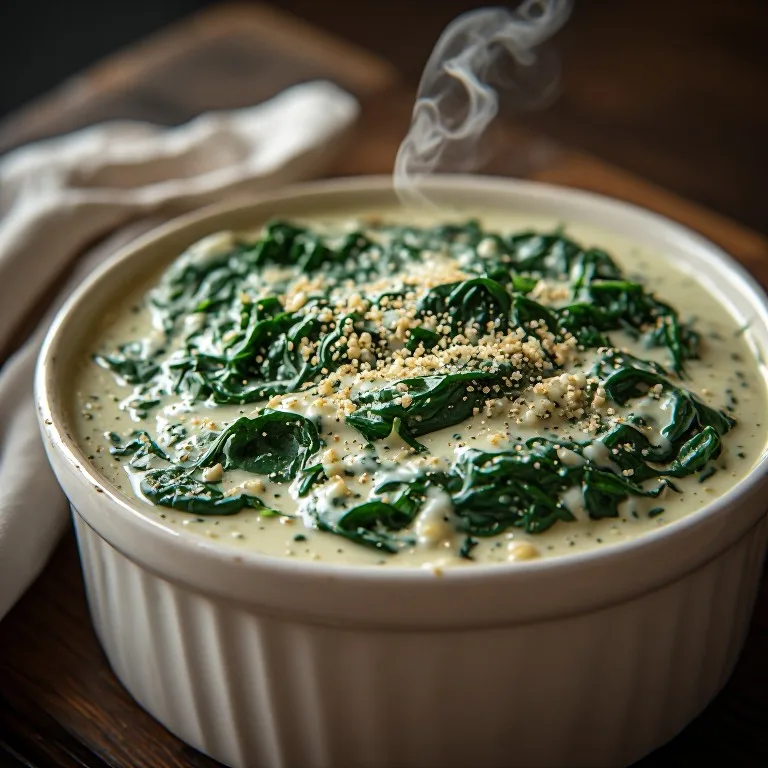
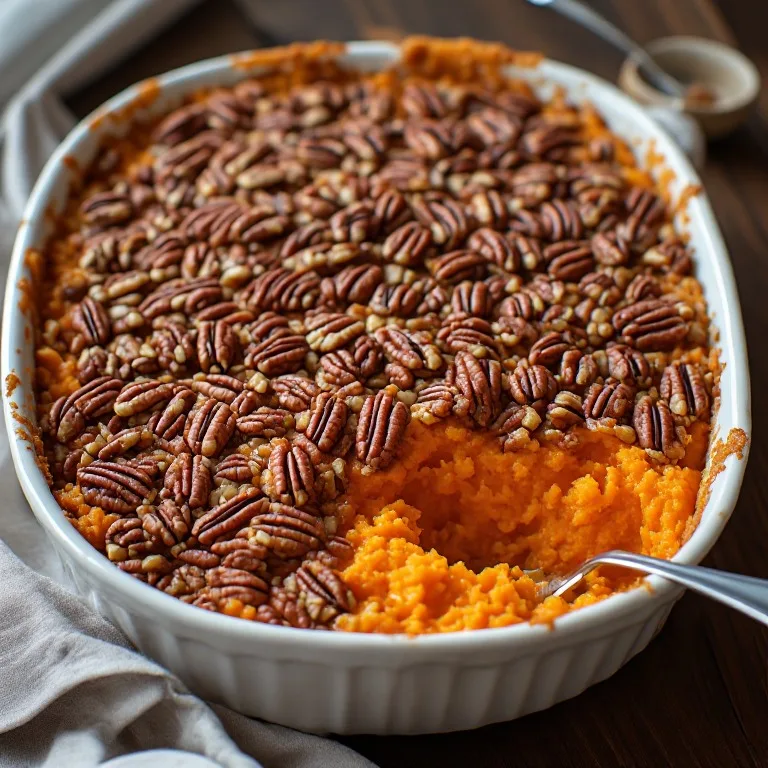
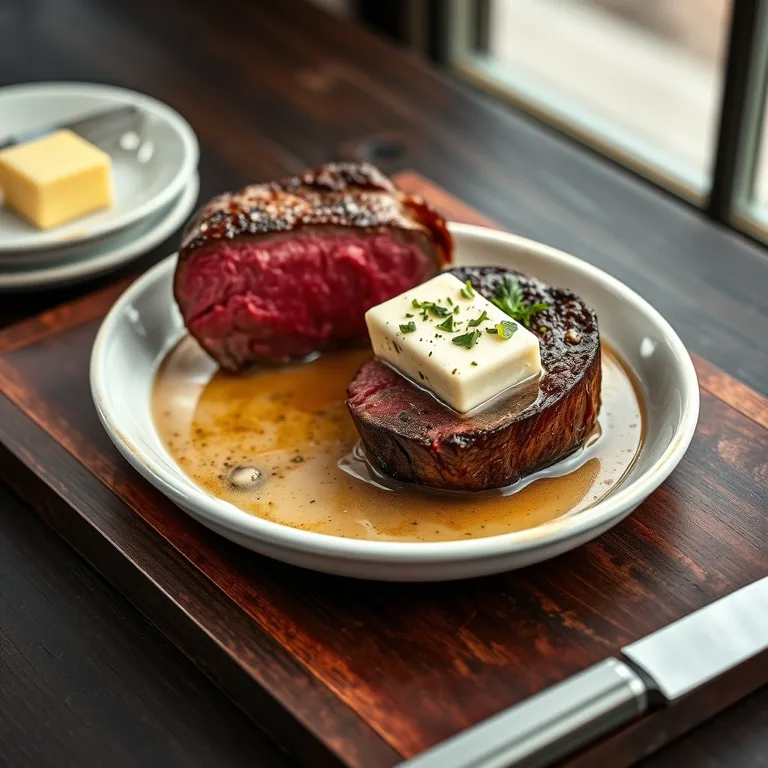
Serving this alongside the Ruth’s Chris Filet Mignon and creamed spinach builds the full steakhouse plate; pairing it with a Gordon Ramsay-style roast turkey and the Ruth’s Chris sweet potato casserole covers the holiday table — all at a fraction of the restaurant cost.
🥗

Make It Healthier

Love Ruth's Chris Potatoes au Gratin (The Sizzling Cast-Iron Version, Made at Home) but want a lighter version? Try these simple swaps:

  • ✓Substitute 1 cup of the heavy cream with 1 cup whole milk — the gratin will be slightly thinner (the sauce won't hold as firmly) but still richly flavored. Saves about 80 calories per serving.
  • ✓Reduce the total cheese to 6 oz total (4 oz Gruyère + 2 oz white cheddar) — the crust will be thinner but the flavor is fully intact. Saves about 55 calories and 4g fat per serving.
  • ✓Add 1 cup of thinly sliced leeks to the potato layers — they soften completely during the bake and add a mild onion flavor that stretches the dish further. Leeks contribute almost no calories but add fiber and nutrients that the all-potato version lacks.
  • ✓Use ghee instead of butter to dot the top — same fat content but ghee's higher smoke point keeps the surface from burning during the uncovered bake, which is useful if your oven runs hot.

Frequently Asked Questions

What cheese does Ruth's Chris use in their potatoes au gratin?

Gruyère is the primary cheese — it melts smoothly, contributes a nutty richness, and forms a golden-brown crust without releasing the oily pools that other cheeses do. Sharp white cheddar is added in a smaller amount for brightness and sharpness; it prevents the dish from tasting flat or one-dimensional. Avoid standard yellow cheddar, which has added coloring and a less complex flavor. If you can't find Gruyère, Swiss cheese works as a substitute — the flavor is milder but structurally similar. Fontina is another excellent substitution and melts even more smoothly than Gruyère.

Why Yukon Gold potatoes instead of Russets for au gratin?

Russet potatoes are high-starch and absorb liquid aggressively, which sounds desirable but creates a problem in a gratin: by the time the cream thickens and the potatoes are fully tender, Russets have turned granular and mealy, sometimes falling apart into mush. Yukon Golds are medium-starch and waxy — they absorb the cream slowly and hold their structure, producing distinct, fork-tender layers that stay intact when served. The flavor is also richer: Yukons have a naturally buttery taste that amplifies the cream and cheese. Red potatoes also work well if Yukon Golds are unavailable; avoid white potatoes, which behave similarly to Russets.

Can I make this ahead for Thanksgiving?

Yes — and it reheats better than most gratins. Two methods: (1) Assemble but don't bake — layer the potatoes, cream, and cheese in the dish, cover with plastic wrap, and refrigerate up to 2 days. Remove 30 minutes before baking to take the chill off, then bake as directed (add 5 minutes if still cold). This produces the best cheese crust. (2) Fully bake and reheat — bake completely, cool, cover with foil, and refrigerate up to 3 days. Reheat covered at 325°F for 20 minutes, then uncover for 8 to 10 minutes to re-brown the top. The reheated crust won't be as golden as fresh-baked — it absorbs moisture in the refrigerator — but the flavor and texture are fully intact. For a Thanksgiving table, option 1 is preferred for crust quality; option 2 is the better logistics choice if you need oven space on the day.

What is the difference between potatoes au gratin and scalloped potatoes?

The distinction comes down to cheese. Potatoes au gratin (from the French 'gratiné,' meaning to form a crust) contains cheese — typically Gruyère — layered into the dish and on top, producing the golden-brown crust the name refers to. Scalloped potatoes are traditionally made with only cream or béchamel sauce and no cheese, producing a softer, whiter dish with no crust. In American usage, the terms are used interchangeably so frequently that the distinction has largely collapsed — many recipes labeled 'scalloped potatoes' include cheese, and vice versa. Ruth's Chris's version is unambiguously au gratin: the cheese crust is the defining feature.

Do I need a mandoline to make this recipe?

A mandoline makes consistent ⅛-inch slices fast and produces the most uniform gratin. But a sharp knife works — aim for slices about as thick as a quarter, and err toward thinner rather than thicker. The main risk with knife-sliced potatoes is inconsistency: thicker slices near the center may still be firm when thinner ones at the edge are fully tender. If slicing by hand, sort your slices and use the thinner ones at the top layer where the heat and steam reach them last. If you have uneven results, a foil tent for the final 10 minutes of baking helps even out doneness.

How do I get the sizzle effect like at the restaurant?

Heat 6-inch cast-iron skillets in the oven at 400°F for 15 to 20 minutes until very hot. Remove the main gratin from the oven when it's done, let rest 5 minutes, then portion it into the hot skillets — the cold gratin hitting the hot iron produces the characteristic sizzle. Alternatively, bake the gratin in individual cast-iron skillets from the start: bake covered at 350°F for 35 minutes, uncover and bake 15 to 20 minutes until golden. The individual-skillet version replicates the exact presentation from the restaurant.

Why is my cream curdling or separating in the gratin?

Curdling usually has one of two causes: (1) the cream was brought to a full boil during infusion — heavy cream can separate if boiled hard; heat it only until steaming and fragrant (about 165°F), then remove immediately; (2) the oven temperature is too high — baking above 375°F causes the cream to separate as the fat and liquid proteins break apart. Stick to 350°F and bake covered for the first 45 minutes to trap steam and keep the temperature even inside the dish. If the cream still separates, a small addition of cornstarch (1 teaspoon dissolved in 1 tablespoon cold cream) added to the infused cream before assembly will stabilize it.

Love this recipe? Share it!

Free PDF: our 12 most-wanted copycat recipes — instant download.

Made it? Buy us a coffee

Every recipe here is free, with no paywalls. If this one was a hit at your table, a small tip keeps new copycats coming.

$

Ruth's Chris Steak House is a trademark of its owner, used here only to describe the dish this recipe recreates. This is an independent copycat written in our own words — Copycat Spices is not affiliated with, endorsed by or sponsored by Ruth's Chris Steak House.

Ratings & Reviews

—
No ratings yet

Rate this recipe

Click a star to rate

Leave a Review

0/500

CS

Copycat Spices Editorial

Researched + fact-checked. Every recipe on Copycat Spices is built from published sources — official ingredient lists, brand-published recipes, interviews and food-science references — and fact-checked before it goes live, then written as clear, step-by-step instructions for home cooks of all skill levels.

Learn more about our mission →