


Pin It

The Capital Grille Lobster Mac 'N' Cheese, Made at Home

The Capital Grille Lobster Mac 'N' Cheese, Made at Home
Jump to Recipe
Prep 20 min Cook 30 min Serves 6
Quick answer: Poach 4 cold-water lobster tails (5 oz each) in 1½ inches of simmering water for exactly 3 minutes until bright red. Cool, shell, and cut into 1-inch chunks — set one-third aside. Cook 1 lb campanelle pasta 3 minutes under al dente; drain and rinse cold. In a wide, heavy saucepan, bring 1 quart of heavy cream to a low simmer over medium heat. Whisk in 8 oz grated Havarti, then 8 oz grated Grana Padano, then 8 oz softened mascarpone, then 2 oz grated sharp white cheddar — add each cheese only after the previous one is fully melted. Reduce on low heat 5 minutes, stirring occasionally, until sauce coats the back of a spoon. Fold in the cooked campanelle and two-thirds of the lobster; season with salt. Transfer to a buttered 9×13-inch baking dish. Arrange the reserved lobster chunks across the top. Mix ½ cup Panko, ½ cup grated Parmesan, and 2 tablespoons melted butter; scatter evenly over the surface. Bake at 375°F for 10 to 15 minutes until the top is deep golden and the edges bubble. Rest 5 minutes before serving. Total home cost for 6 servings: roughly $35.

Shop the tools

Gear matched to this recipe. These are Amazon affiliate links — we may earn a small commission if you buy, at no extra cost to you.

As an Amazon Associate, Copycat Spices earns from qualifying purchases. Product images are generic illustrations, not the exact item listed.

The Capital Grille Lobster Mac 'N' Cheese, Made at Home

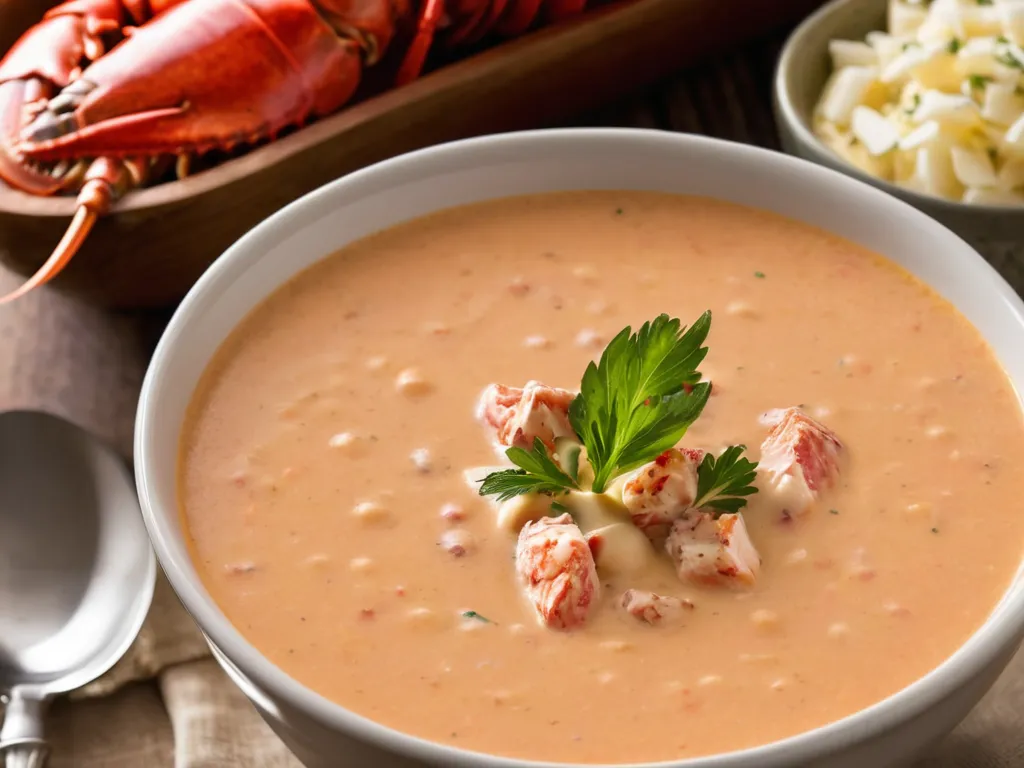
The Capital Grille's famous lobster mac 'n' cheese made at home: five cheeses (Havarti, Grana Padano, mascarpone, white cheddar, Parmesan) reduced into a silky cream sauce with no roux, campanelle pasta that traps every drop, and chunks of poached cold-water lobster throughout. $26 per serving at the restaurant; about $35 total at home.

Medium Prep: 20 min Cook: 30 min Total: 50 min6 servings ~$4.50/serving
Prep20 min
Cook30 min
Total50 min
Servings
6
At home~$4.50/serving
vs
Restaurant~$20.25/serving
You save ~78%

The Story Behind the Recipe

The Capital Grille's famous lobster mac 'n' cheese made at home: five cheeses (Havarti, Grana Padano, mascarpone, white cheddar, Parmesan) reduced into a silky cream sauce with no roux, campanelle pasta that traps every drop, and chunks of poached cold-water lobster throughout. $26 per serving at the restaurant; about $35 total at home.

Nutrition Facts

Per serving (6 servings)
Calories830
Total Fat57g
Total Carbs56g
Dietary Fiber3g
Sugars5g
Protein25g
Sodium1130mg

* Estimated values based on standard recipe preparation. Actual values may vary.

Ingredients

  • Pasta and protein
  • Five-cheese sauce
  • Panko crust

Instructions

💡
Pro tip: This recipe tastes even better the next day. The flavors need time to meld together in the fridge.
❄️
Storage: Keeps in an airtight container in the fridge for up to 2 weeks. Freezer-friendly for up to 3 months.
🎃 Free Halloween cookbook — download now The Copycat Halloween Cookbook A ready-made, photo-illustrated PDF of our best halloween copycat recipes — free to download, no building required. Pay what you want to support if you love it.

Free PDF — instant download. We'll also send new seasonal copycat recipes now and then; unsubscribe anytime. Or just download it →

The Capital Grille Lobster Mac ‘N’ Cheese, Made at Home

Prep time: 20 min | Cook time: 30 min | Serves: 6

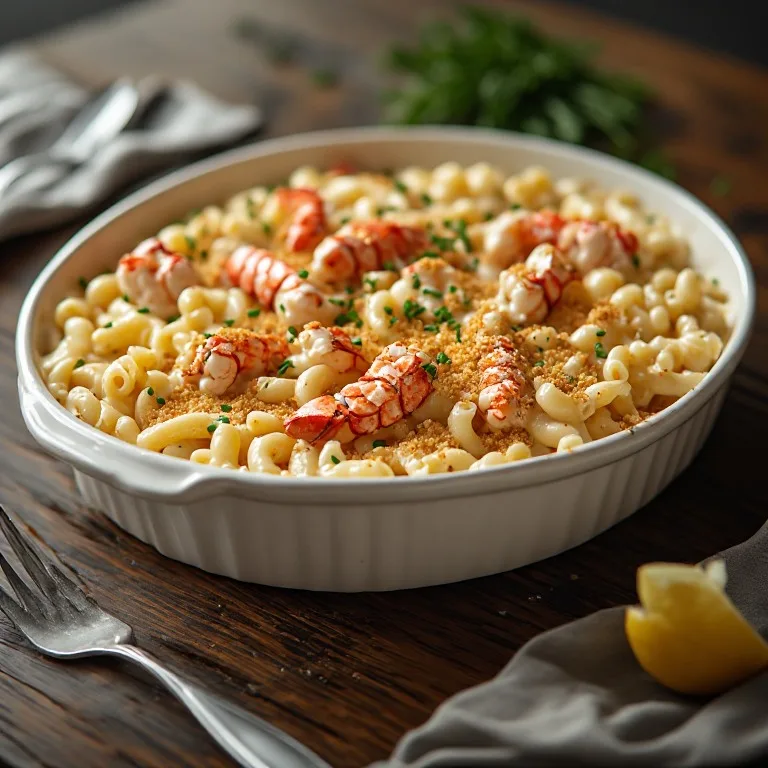
At Capital Grille, the lobster mac ‘n’ cheese arrives in a white ceramic casserole dish — $26 for a side, at a steakhouse where entrées run $55 to $85 and a dinner for two regularly clears $200. Tasting Table named it the best lobster dish at any steakhouse chain worth ordering. Reddit threads about it return consistently to one detail: “a special kind of crunchy, cracker-like topping that is absolutely delicious.”

Capital Grille is part of the Darden restaurant group, which also owns Olive Garden and Longhorn Steakhouse. That is not typically how you introduce a fine-dining dish, but it matters here because it explains why the lobster mac is reproducible at home in a way that an independent Michelin-starred restaurant’s signature dish often is not. Capital Grille cooks this dish across sixty-plus locations in the United States, which means the recipe is tightly standardized. What WPRI (the Providence ABC affiliate) got from Capital Grille’s kitchen, and what restaurant recipe reconstruction sites have corroborated independently, gives a clear and consistent picture: five specific cheeses, campanelle pasta, cream reduction with no roux, cold-water lobster tails, and a Panko crust with a very specific proportion of Parmesan and butter.

No Roux — and Why That Changes Everything

Most mac and cheese starts with a roux: butter and flour cooked together until the raw flour taste disappears, then cream or milk whisked in progressively until a thick, starch-bound béchamel forms. The roux makes the sauce stable, forgiving, and impossible to break. It also carries some of the flour’s weight — a slight pastiness, a different textural density, a sauce that can go gluey if it gets too thick.

Capital Grille builds the sauce differently. You start with a quart of heavy cream reduced at a gentle simmer, then whisk in four cheeses, one at a time, until each one melts into the cream before the next goes in. There is no flour. The sauce thickens through cream reduction and the proteins and fats from the cheese itself. The result is silkier, richer, and more direct in flavor — you taste cheese and cream, not cream suspended in a starch matrix.

The trade-off is finesse. A cream-reduction sauce breaks if you push it: hard boiling, reheating from cold, or excess oven heat can cause the fat and water to separate into a greasy, grainy mess. The technique requires low-and-slow attention and good timing. Keep the cream at a steady but not aggressive simmer. Add each cheese gradually, whisking until the previous addition disappears before the next goes in. Fold the pasta in while everything is still warm. None of this is technically difficult — it just requires paying attention.

The Five-Cheese Breakdown

The sauce uses four cheeses in different roles; a fifth goes into the Panko crust.

CheeseAmountRole in the Dish
Havarti8 ozThe melt base — Havarti is exceptionally fluid at cooking temperatures; it creates the silky pull that makes the sauce cohesive
Grana Padano8 ozNutty, salty backbone — similar to Parmigiano-Reggiano but more delicate; it provides depth without overpowering
Mascarpone8 ozRich fat base — mascarpone is essentially Italian cream cheese with a higher fat content; it gives the sauce its body and sheen
White cheddar2 ozSharpness and contrast — a small amount cuts through the richness; more would dominate
Parmesan½ cupThe crust — baked with Panko and butter at 375°F, it forms the crackly golden topping

If you cannot find Grana Padano, Parmigiano-Reggiano is the closest substitute — just slightly sharper. Standard domestic Parmesan is a third option. Havarti is widely available in the deli section of most supermarkets; do not substitute Swiss or provolone, which have different melt profiles and flavor directions. Mascarpone is in the cheese or international aisle of most grocery stores; full-fat cream cheese is a functional but noticeably inferior substitute (slightly grainy in the finished sauce). All four sauce cheeses should be freshly grated from a block — pre-shredded contains anti-caking agents that prevent clean emulsification.

Campanelle — the Pasta Shape That Changes Everything

Most copycat versions of this dish use elbow macaroni, cavatappi, or whatever pasta is on hand. Capital Grille uses campanelle specifically, and it is not interchangeable.

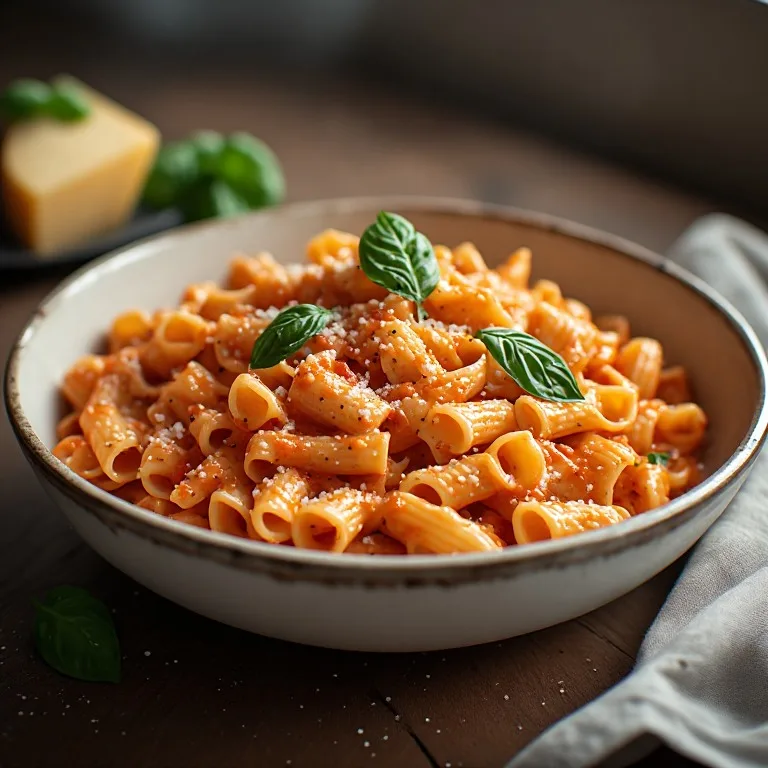
Campanelle (the name means “little bells” in Italian) is a flared, fluted pasta — it looks like a small flower or bell, with a ruffled open end and ridges running down the exterior. Sauce clings to the ridges and pools inside the funnel. When you fold the sauce into the pasta and the mixture goes into the oven, the pasta continues to absorb the cream mixture from the inside out. When you cut into a piece at the table, it releases the sauce it has captured. This produces a different eating experience than a hollow tube like rigatoni or a smooth curve like elbows — more sauce contact, more integrated flavor, a bite that gives rather than holds its shape.

Barilla makes campanelle widely available at most supermarkets. If you can only find cavatappi or rigatoni, use those — they have ridges and interior surface that comes close. Plain elbows are a last resort.

The 3-Minute Lobster Rule

Lobster is the easiest protein in this dish to ruin because of timing. The poach is only 3 minutes in simmering (not boiling) water — just enough to set the exterior bright red and start the interior cooking. The lobster finishes in the oven. If it goes in fully cooked, it emerges from 15 minutes at 375°F overcooked: rubbery, shrunken, and dry.

Three minutes at a gentle simmer produces lobster that is opaque at the edges but still translucent in the thickest center of each tail. That is correct. The visual cue is shell color: uniformly bright red across the entire surface, with no grey remaining. Grey means undercooked. If grey persists at 3 minutes, add 30 more seconds. If the meat is visibly curling or contracting before 3 minutes, pull it — it is already cooking fast.

Ice water after the poach is important. It halts cooking immediately and firms the meat enough to make shelling clean. Warm meat tears when you try to extract it from the shell; cold meat comes out in better pieces.

Cold-water tails — Maine, Atlantic Canada, or South African — are the right choice here. Their meat is firm, sweet, and lean. Warm-water tails from the Caribbean or South Asia are coarser and cheaper, but this dish does not benefit from the savings; the lobster is the headline and the quality shows.

The Panko Crust (and Why It Cracks)

Breadcrumb toppings on baked pasta often go soft — they absorb moisture from the casserole during baking and turn from crispy to dense. The Panko + Parmesan + butter ratio solves this in two ways.

First, Panko is larger and more irregular than standard breadcrumbs. Standard breadcrumbs are fine and consistent; they absorb liquid quickly and compress into a thin, chewy crust. Panko maintains its open, jagged structure in the oven, which means it toasts rather than absorbs — the crumbs stay crunchy even in a moist environment. Second, the Parmesan is doing structural work. At 375°F, Parmesan bakes into something between a cracker and a crust — it melts slightly, then dries and firms. When the ratio of Parmesan to Panko is right (equal parts by volume), the baked topping has both crunch from the Panko and a thin, lacquered crispness from the Parmesan. The Reddit description — “cracker-like” — is accurate. Do not press the topping down before baking; leave it loose so heat can circulate around the individual crumbs and each one can toast.

Pull the casserole at golden, not brown. The Parmesan burns at the darker end of the spectrum and goes bitter fast.

What It Costs
Capital GrilleHomemade
Per serving~$26 (side dish)~$6
Full batch~$156 for six orders~$35 total
Dinner per person$90–130 with entrée and wine—
Reservation requiredYes (popular; walk-ins inconsistent)No
Lobster typeCold-waterCold-water tails
Cheese blend5-cheeseSame

The $35 home version makes six generous portions — $5.83 each versus $26 each at the restaurant. The gap is not about ingredient cost; cold-water lobster tails and specialty cheeses are expensive. The gap is about overhead, labor, and the white-tablecloth margin. The dish itself does not require anything the restaurant has that your oven doesn’t.

Make-Ahead

Complete the recipe through Step 5 (pasta and two-thirds of the lobster folded into sauce, transferred to the buttered casserole dish, reserved lobster arranged on top). Do not add the Panko topping. Cover tightly with plastic wrap and refrigerate for up to 24 hours.

When ready to bake: remove from the refrigerator 30 to 40 minutes before putting it in the oven — a cold casserole going directly from fridge to 375°F will have a cold center while the edges and topping overcook. Add the Panko topping immediately before it goes into the oven. Add 5 minutes to the bake time to account for the starting temperature.

Leftovers: reheat covered at 325°F for 15 minutes, then uncovered for 5 minutes. The Panko topping won’t fully revive after refrigeration, but the sauce and pasta hold well for two days.

Variations

With truffle oil: Some versions of this recipe from Capital Grille kitchen sources include 1 to 2 teaspoons of white truffle oil folded into the finished sauce before the pasta goes in. It adds an earthy, woodsy depth that plays well against the richness of the five-cheese cream. Add it off-heat to preserve the aroma — truffle compounds volatilize at sustained high temperatures.

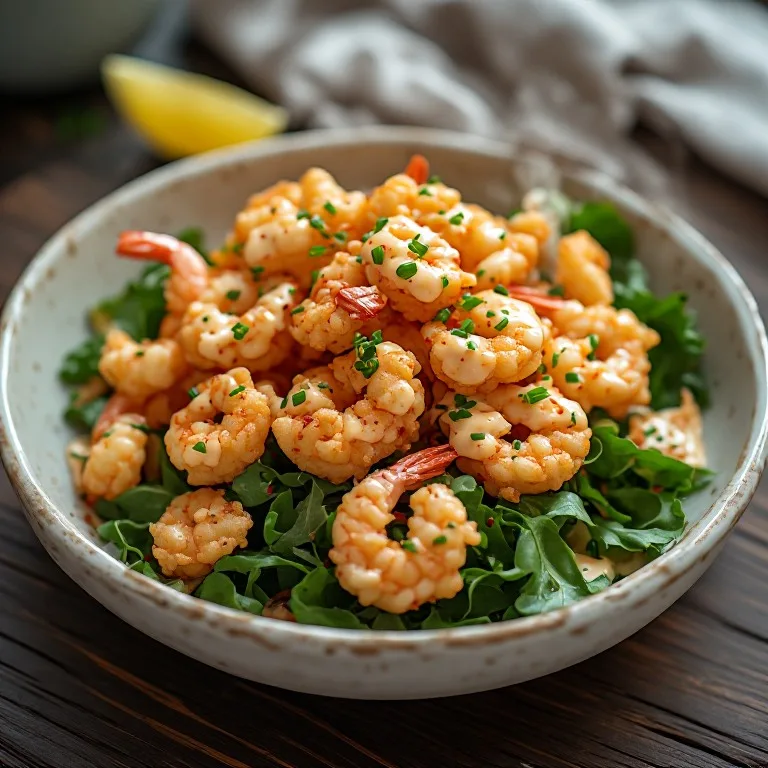
With shrimp: Substitute 1 lb large peeled shrimp, quickly sautéed in 1 tablespoon of butter for 2 minutes per side (pink throughout but not rubbery), for the lobster tails. The dish becomes substantially less expensive and changes character — shrimp is less sweet, slightly more mineral — but the five-cheese sauce is still the centerpiece and the result is very good.

Smaller sides: Baked in individual 6-oz ramekins (divide the assembled pasta evenly, top each with a pinch of Panko mixture), this becomes a formal first course or an elegant side dish for a dinner party. Reduce bake time to 8 to 10 minutes and watch the Panko closely.
🥗

Make It Healthier

Love The Capital Grille Lobster Mac 'N' Cheese, Made at Home but want a lighter version? Try these simple swaps:

  • ✓Substitute 2 cups of the heavy cream with whole milk — the sauce will be thinner and less rich but still cohesive, saving roughly 250 calories per serving. Add the milk slowly and keep heat lower to prevent curdling.
  • ✓Use 1 lb large shrimp (peeled, briefly sautéed) instead of lobster tails — brings the cost under $20 for the whole dish without dramatically changing the five-cheese sauce, which is the real centerpiece.
  • ✓Serve in 6-oz ramekins as a side rather than a full casserole portion — the dish is rich enough that a smaller serving alongside a simple salad or grilled protein is genuinely satisfying.

Frequently Asked Questions

Why does Capital Grille use campanelle instead of elbow macaroni?

Campanelle (sometimes called 'little bells' or 'gigli') is a flared, bell-shaped pasta with ruffled, ridged edges. Standard elbow macaroni has a smooth exterior and a simple tube — sauce pools in the bowl around it rather than clinging to the pasta itself. Campanelle's ridges on the outside hold sauce against the surface, and the funnel interior captures a pocket of sauce in every piece. When you fold the pasta into the cream sauce before baking, the campanelle absorbs some of that sauce through the ridges; when you cut into a piece at the table, the sauce inside releases. Every bite has more cheese contact than an equivalent bite from elbow mac. The shape also shows well — the ruffled edges and lobster chunks visible through the Panko topping produce a more elegant presentation than smooth tubes. Cavatappi (corkscrew) is a reasonable substitute; it has some ridges and a larger interior for sauce. Plain elbows work in a pinch but the texture and visual are noticeably different.

What makes this different from a standard roux-based lobster mac?

Most mac and cheese uses a béchamel base: butter melted, flour whisked in to form a roux, then milk or cream added slowly while whisking to build a thick, starch-bound sauce. The advantage of a roux is stability — it can be cooled, reheated, and it doesn't break under high heat. Capital Grille's version skips the roux entirely. You reduce straight heavy cream on low heat and whisk the cheeses in directly. The result is richer and silkier — no flour flavor, nothing that can taste pasty or thick in the wrong way. The trade-off is finesse: a cream-reduction sauce separates ('breaks') if you boil it hard, cool it completely, or overheat it during baking. Keep the heat low when building the sauce, get the pasta in while everything is still warm, and don't let the oven push past 375°F. If the sauce appears slightly grainy when the pasta comes out, it has broken from too much heat — that batch is recoverable only partly (add a splash of warm cream and whisk off-heat).

Can I substitute Parmesan for Grana Padano?

Yes, and most home versions use this swap. Grana Padano and Parmigiano-Reggiano are both hard Italian aged cheeses made in northern Italy by similar processes, but they have meaningful differences. Grana Padano has a milder, more delicate flavor and a lower price point (about half the cost of Parmigiano-Reggiano). Parmigiano-Reggiano is sharper, nuttier, and more complex. Capital Grille specifically uses Grana Padano — its more restrained flavor blends into the five-cheese sauce without dominating, which is the role it needs to play. If you use Parmigiano-Reggiano, the result is very good but slightly more assertive. Budget Parmesan (the generic domestic kind, not DOP) works adequately but produces a milder result with less depth. Do not use the pre-grated shelf-stable variety in the sauce — the anti-caking agents prevent it from melting smoothly. Pre-grated is fine in the Panko topping, where it bakes rather than melts.

Cold-water vs. warm-water lobster tails — does it matter?

It matters a lot, and the difference is worth understanding before you shop. Cold-water tails come from Maine, Atlantic Canada, or South Africa — they're from Homarus americanus (the American lobster) or similar cold-water spiny lobsters. The meat is firm, sweet, and relatively lean. Warm-water tails come from the Caribbean or South Asia; the meat is coarser, stringier, sometimes slightly mushy, and has more fat. Capital Grille uses cold-water lobster throughout their menu, and for a dish where lobster chunks are the centerpiece rather than a background flavor, the quality difference is significant. Cold-water tails are more expensive — expect $9-$14 each for 5-oz tails versus $5-8 for warm-water — but you're making a dish that would cost $26 per person at a fine steakhouse, so the upgrade is proportionate. Look for tails labeled 'Caribbean cold water' or 'South African' if Maine tails aren't available; South African cold-water lobster is a genuine, high-quality alternative.

Why poach lobster for exactly 3 minutes?

Lobster overcooks fast, and this particular dish has a built-in second cooking stage: 10 to 15 minutes in a 375°F oven after assembly. If the lobster goes into the casserole fully cooked, it comes out overcooked — rubbery, shrunken, and dry, which defeats the purpose of using expensive seafood. The 3-minute poach in simmering (not boiling) water gets the lobster to a state of being just cooked on the exterior and barely opaque in the thickest part of the tail, while the interior center is still slightly translucent. The subsequent oven time finishes it to perfectly opaque throughout. The visual cue is color: the shell should be uniformly bright red across the entire surface, with no remaining grey. If any grey persists at 3 minutes, add 30 seconds. If you see the tail meat starting to visibly curl or contract aggressively, it is overcooking — pull it. Immediately transfer to an ice bath (a bowl of water with ice cubes) to halt cooking and make shelling easier.

Can I make this ahead?

Partially. The best make-ahead approach is to complete everything through Step 5 (pasta and lobster folded into sauce, transferred to the casserole with lobster chunks on top) and refrigerate the assembled casserole, uncovered, for up to 24 hours. Do not add the Panko topping until immediately before baking — if you apply it early, it absorbs moisture from the casserole overnight and loses its crackle, becoming a dense, wet layer rather than a crispy crust. Pull the casserole from the refrigerator 30 to 40 minutes before baking to take off the chill; a cold casserole going into a hot oven will keep the center cold while the top and edges overheat. Add the Panko topping right before it goes in and bake as directed, adding 5 minutes to the total bake time to account for the starting temperature.

Is the truffle oil a real Capital Grille ingredient?

Some sources credit white truffle oil as part of the original Capital Grille recipe, specifically added to the cream sauce just before folding in the pasta. Other reconstructions of the dish omit it. Capital Grille has not published a definitive ingredient list confirming or denying truffle oil. The honest answer is: it may or may not be in the restaurant version, but adding a few drops of good white truffle oil to your home version works well. A small amount — 1 to 2 teaspoons in the finished sauce before the pasta goes in — adds an earthy depth that plays well against the richness of the five-cheese cream. The word 'truffle' on a bottle does not guarantee actual truffle content; most commercial truffle oils use synthetic 2,4-dithiapentane, which produces the truffle aroma. Real truffle oil made with actual truffle infusion exists but costs significantly more. Either works for this application. If you use it, add it off-heat to preserve the aroma — truffle compounds volatilize quickly at high temperatures.

How does this compare to Red Lobster's lobster mac in terms of technique?

They are very different dishes. Red Lobster's version uses a standard béchamel (butter + flour roux + cream/milk), a cheddar-dominant cheese blend, and macaroni pasta — the format is essentially a loaded Kraft mac with lobster added. It is more accessible, more familiar, and more forgiving to make. Capital Grille's version is structurally different: pure cream reduction (no flour), a five-specialty-cheese blend led by Havarti and Grana Padano, campanelle pasta specifically for sauce retention, and a deliberate layering of lobster (inside AND on top under the crust) rather than a simple stir-in. The flavor profile is more complex and less overtly 'cheesy' in the orange-cheddar way; the texture is silkier. Neither is better in an absolute sense — they are serving different purposes. Red Lobster's is an accessible comfort dish; Capital Grille's is a fine-dining side dish built around restraint and technique.

Love this recipe? Share it!

Free PDF: our 12 most-wanted copycat recipes — instant download.

Made it? Buy us a coffee

Every recipe here is free, with no paywalls. If this one was a hit at your table, a small tip keeps new copycats coming.

$

The Capital Grille is a trademark of its owner, used here only to describe the dish this recipe recreates. This is an independent copycat written in our own words — Copycat Spices is not affiliated with, endorsed by or sponsored by The Capital Grille.

Ratings & Reviews

—
No ratings yet

Rate this recipe

Click a star to rate

Leave a Review

0/500

CS

Copycat Spices Editorial

Researched + fact-checked. Every recipe on Copycat Spices is built from published sources — official ingredient lists, brand-published recipes, interviews and food-science references — and fact-checked before it goes live, then written as clear, step-by-step instructions for home cooks of all skill levels.

Learn more about our mission →