


Pin It

Ruth's Chris Filet Mignon — The Famous Sizzling Butter Steak, Made at Home

Ruth's Chris Filet Mignon — The Famous Sizzling Butter Steak, Made at Home
Jump to Recipe
Prep 15 min (plus 1 hr dry-brine) Cook 12 min Serves 2
Quick answer: Season two 8-oz USDA Prime filets generously with kosher salt at least 1 hour ahead (or overnight uncovered in the refrigerator) — the dry brine draws moisture out and pulls it back in, seasoning the meat throughout. Thirty minutes before cooking, put two oven-safe cast-iron plates or skillets in the oven at 500°F (260°C). Pat the steaks completely dry and let them sit at room temperature for 30 minutes. In a 12-inch cast-iron skillet over the highest heat your stove allows, heat 2 tablespoons of clarified butter (or ghee) until just beginning to smoke. Add the filets and sear 3 to 4 minutes on the first side without touching — a deep, even mahogany crust is the goal. Flip once. Sear 2 to 3 minutes on the second side. Add 2 tablespoons of whole unsalted butter to the pan and tilt the skillet to pool the butter; baste the top of each steak continuously with a spoon for 1 minute. For medium-rare, the internal temperature is 125°F — pull the steak 5°F below your target because the 500°F plate will continue cooking it at the table. Rest the steaks on a wire rack for 3 to 4 minutes. Meanwhile, use oven mitts to pull the preheated plates from the oven — they should be at or near 500°F. Place a pat of herb compound butter (softened butter, fresh thyme, garlic, parsley, salt) on each plate. Set the rested steaks onto the hot plates: they will sizzle loudly as the butter and meat juices hit the metal. Carry immediately to the table — the sizzle is the dish. The Ruth's Chris 8-oz filet is $52 to $80+ depending on location. An 8-oz USDA Prime filet from a good butcher or Whole Foods runs $18 to $24.

Ruth's Chris Filet Mignon — The Famous Sizzling Butter Steak, Made at Home

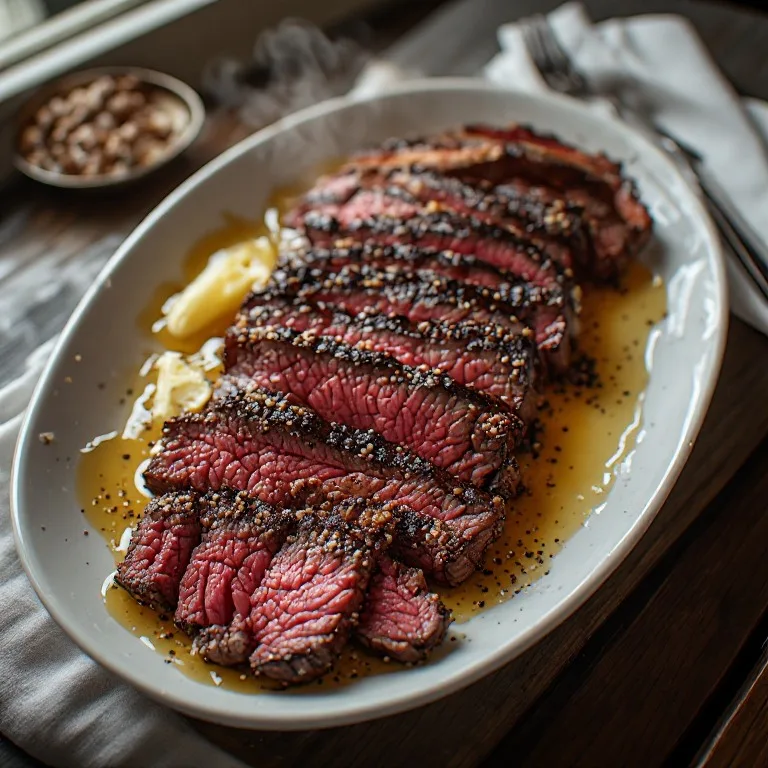
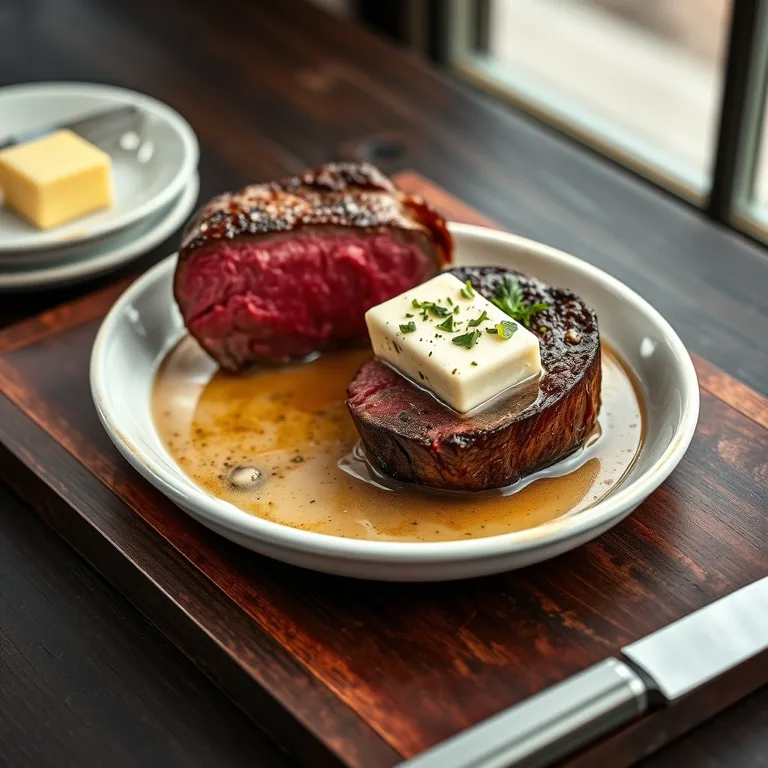
Ruth's Chris filet mignon made at home: USDA Prime beef seared in clarified butter, finished with herb compound butter on a 500°F cast-iron plate that keeps sizzling at the table. The restaurant charges $52–$80+. You'll spend about $22.

Intermediate Prep: 15 min (plus 1 hr dry-brine) Cook: 12 min Total: 1h 27m2 servings ~$4.50/serving
Prep15 min (plus 1 hr dry-brine)
Cook12 min
Total1h 27m
Servings
2
At home~$4.50/serving
vs
Restaurant~$20.25/serving
You save ~78%

The Story Behind the Recipe

Ruth Fertel was a divorced mother of two working as a lab technician at Tulane University in New Orleans when she saw a classified ad in 1965: "Steak House For Sale." She borrowed $22,000 and mortgaged her house to buy Chris Steak House — founded by Chris Matulich in 1927 — having never run a restaurant before. When a kitchen fire destroyed the building in 1976 and forced a relocation, she could no longer legally use the "Chris Steak House" name at the new address, so she added her first name: Ruth's Chris Steak House. Today the chain has over 150 locations worldwide. Fertel died in 2002; the chain she built does roughly $500 million in annual sales. A dinner for two with wine regularly exceeds $300.

The sizzling plate is not a gimmick — it is the mechanism. Ruth's Chris holds their ceramic plates in a 500°F oven through service; the actual restaurant technique is simple: 2 tablespoons of melted butter and a dusting of chopped parsley hit the hot plate just before the steak does. That contact between cold butter and 500°F ceramic is what creates the tableside sizzle. The steak keeps cooking as you eat. At home, a preheated cast-iron skillet replicates this almost exactly — and an herb compound butter is a popular enhancement that adds garlic and thyme to the original's simplicity. USDA Prime filet at a good butcher runs $18 to $24 for the cut that costs $52 to $80+ at the restaurant (prices vary significantly by location).

Nutrition Facts

Per serving (2 servings)
Calories680
Total Fat50g
Total Carbs1g
Dietary Fiber0g
Sugars0g
Protein54g
Sodium780mg

* Estimated values based on standard recipe preparation. Actual values may vary.

Ingredients

  • For the steaks
  • For the compound finishing butter (make ahead)
  • Equipment

Instructions

💡
Pro tip: This recipe tastes even better the next day. The flavors need time to meld together in the fridge.
❄️
Storage: Keeps in an airtight container in the fridge for up to 2 weeks. Freezer-friendly for up to 3 months.
🎃 Free Halloween cookbook — download now The Copycat Halloween Cookbook A ready-made, photo-illustrated PDF of our best halloween copycat recipes — free to download, no building required. Pay what you want to support if you love it.

Free PDF — instant download. We'll also send new seasonal copycat recipes now and then; unsubscribe anytime. Or just download it →

The Ruth’s Chris filet mignon arrives at the table on a 500°F sizzling plate, a pad of herb butter melting into the steak as it keeps cooking in front of you. The restaurant charges $52 to $80+ for an 8-oz filet depending on location (NYC and resort flagships run highest). At home, an 8-oz USDA Prime filet from a good butcher or Whole Foods runs $18 to $24 — and the technique is replicable with a cast-iron skillet and a thermometer.

The three things that make this work at home: USDA Prime beef (the marbling is the flavor), clarified butter for the sear (smoke point high enough for the temperature required), and a preheated cast-iron plate pulled from a 500°F oven — which is how Ruth’s Chris replicates the effect of their 1,800°F restaurant broiler.

The Dry Brine (Don’t Skip This)

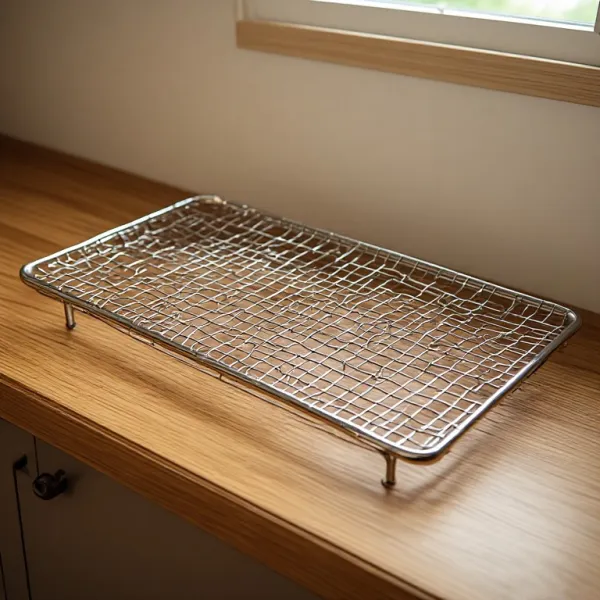
Salt the filets at least 1 hour ahead — overnight in the refrigerator is better. Use kosher salt, about ¾ teaspoon per side. Leave the steaks uncovered on a rack. The salt draws moisture to the surface in the first 20 minutes, then the meat reabsorbs it, carrying dissolved salt throughout the muscle. The result: evenly seasoned meat and a surface that sears rather than steams.

Do not add pepper during the dry brine. Pepper left on a steak for hours can develop a slightly harsh, acrid quality. Add it right before the steak goes into the pan.

The Compound Butter

Ruth’s Chris finishes every steak with herb compound butter placed on the hot plate — not on the steak, where it would run off before the crust can benefit. Their recipe is not published but is consistently described as: softened butter, fresh thyme, garlic, flat-leaf parsley, salt, and pepper.

Make it ahead. Roll into a log, refrigerate, and slice into rounds at service. It keeps for a week.

The 500°F Plate

This is what the dish is famous for. Put a cast-iron skillet in the oven at 500°F for 30 minutes before dinner. Use oven mitts rated for 500°F — standard mitts top out at 450°F. Set the plate on a folded kitchen towel on the table (cast iron at 500°F will burn most table surfaces). Place the compound butter on the plate, then the steak. It will sizzle loudly. That sizzle means the steak is still cooking — move immediately to the table.

What “Medium-Rare” Means on a Sizzling Plate

Pull the steak at 120°F, not 125°F. The 500°F serving plate carries over an additional 5 to 10°F while the steak sits at the table. Ruth’s Chris deliberately undershoots by this margin in the kitchen so guests receive a medium-rare steak instead of a medium one. Use a thermometer and insert it horizontally through the side of the steak to reach the center.

Sourcing USDA Prime

USDA Prime is graded by the USDA and represents the top 2 to 3 percent of all graded beef. It has significantly more marbling than USDA Choice (what most grocery stores carry). Sources for Prime filet mignon at home: Whole Foods Market carries Prime beef at most locations; Costco carries Prime tenderloin in bulk (buy the whole tenderloin and cut your own steaks for the lowest per-pound cost); a local butcher shop can order it. Online sources (Snake River Farms, Porter Road, Crowd Cow) ship Prime and American Wagyu nationwide. Do not use Select-grade beef for this recipe — the lower fat content produces a noticeably less flavorful result.

Restaurant vs. Home Cost
Restaurant (8-oz filet)Home
Beef$52–$80+$18–$24
Sides$12–$18 each$2–$4
Total for two (dinner)$180–$230+ before wine~$50

Ruth’s Chris wine markups are also substantial — a $30 bottle of Cabernet from a grocery store may be $80 to $100 on their list.

Build the Full Ruth’s Chris Meal

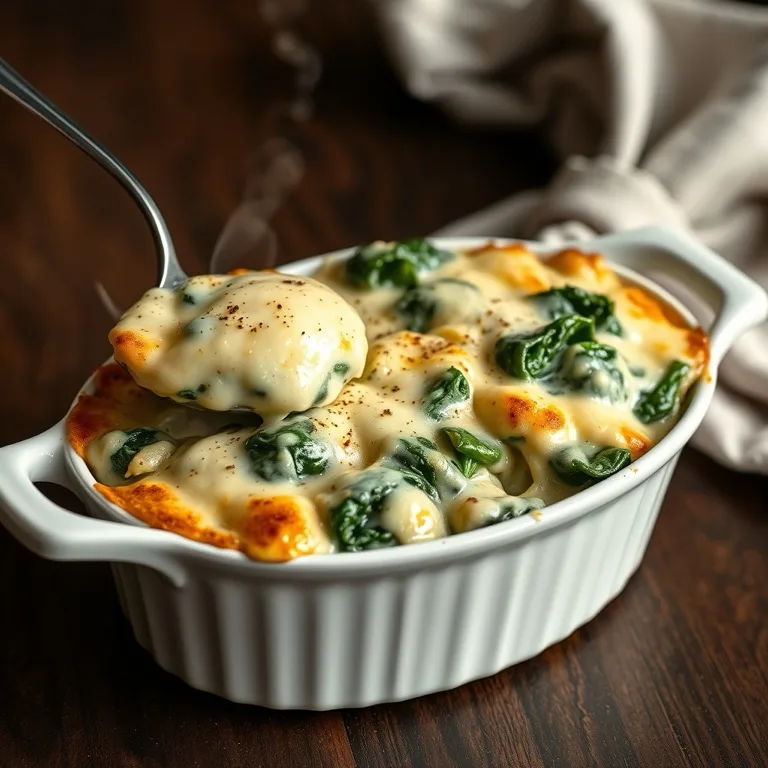
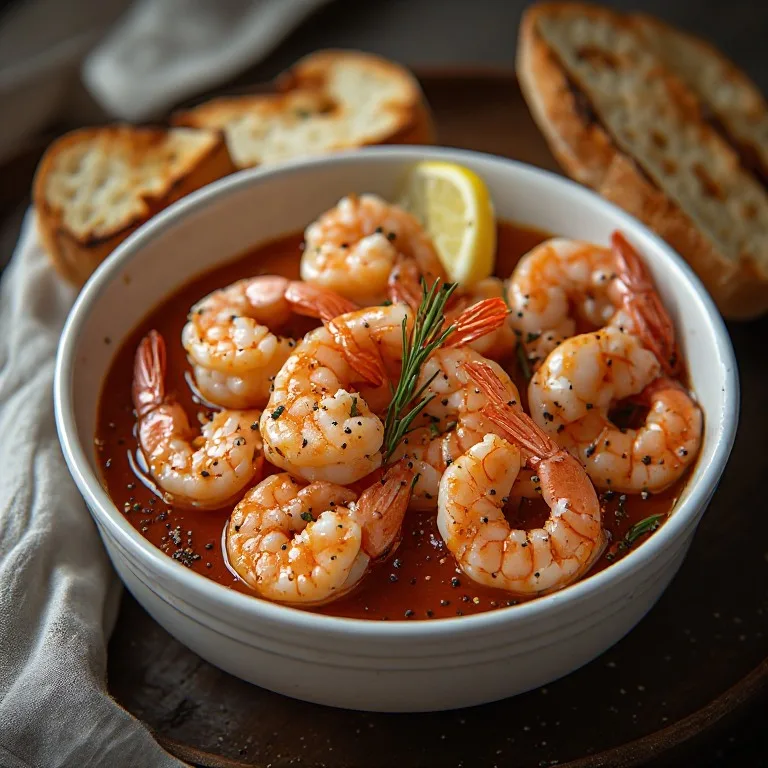
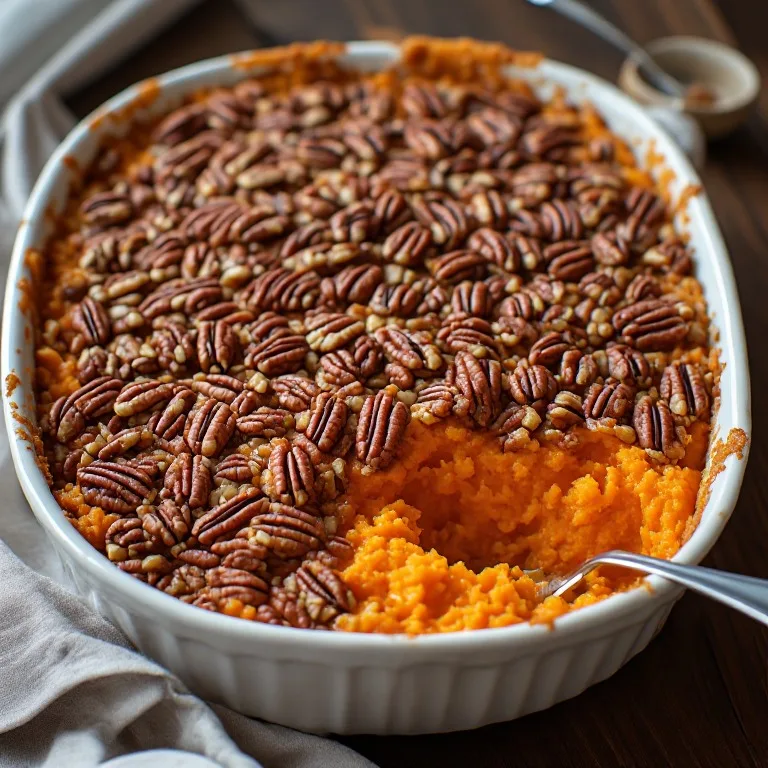
To recreate the whole table, pair the filet with two of the restaurant’s most-ordered sides: the copycat Ruth’s Chris sweet potato casserole with its brown-sugar pecan crust, and the copycat Ruth’s Chris New Orleans-style BBQ shrimp as a starter. For a different cut of steakhouse classic, the copycat Morton’s creamed spinach works alongside the filet just as well.
Frequently Asked Questions

What makes Ruth's Chris steak different from a steak cooked at home?

Three things set it apart. First, the beef grade: Ruth's Chris uses only USDA Prime, which accounts for roughly the top 2 to 3 percent of all graded beef in the United States. Prime beef has significantly more intramuscular fat (marbling) than the USDA Choice that most grocery stores carry. That marbling melts during cooking and bastes the meat from the inside. Second, the cooking heat: restaurant broilers fire at 1,600 to 1,800°F, which creates a crust so fast that the interior barely rises in temperature before the exterior is fully seared. Home stovetops produce roughly 500 to 600°F maximum surface temperature, so home cooks need a cast-iron skillet preheated screaming hot and clarified butter (which has a higher smoke point than whole butter) to get close. Third, the sizzling plate presentation: the 500°F plate continues cooking the steak at the table, so Ruth's Chris deliberately undercooks each steak by a few degrees before it leaves the kitchen. To replicate this at home, pull the steak 5°F below your target and transfer it to a preheated cast-iron plate or skillet straight from a 500°F oven.

What internal temperature is Ruth's Chris medium-rare, and how do I hit it on a 500°F plate?

Ruth's Chris recommends pulling their filets at 115 to 120°F for medium-rare — about 5°F below the standard 125°F target — because the 500°F sizzling plate carries over an additional 5 to 10°F during the 2 to 3 minutes the steak sits at the table before being eaten. At home, the same principle applies: pull the steak at 120°F from the pan and transfer it to a plate that has been preheating in a 500°F oven for 30 minutes. The carryover will bring the steak to approximately 125 to 130°F (medium-rare to the warmer side of medium-rare) by the time you take the first bite. Use a reliable instant-read thermometer — guessing doneness on a filet that cost $20 or more is not worth the risk. Insert the probe horizontally through the side of the steak rather than from the top to reach the geometric center without hitting the plate.

Why clarified butter for searing instead of regular butter or oil?

Clarified butter has had its milk solids and most of its water removed, raising its smoke point from roughly 350°F (whole butter) to approximately 450 to 480°F. At the temperature required to properly sear a filet — a cast-iron surface at or above 500°F — whole butter burns almost instantly, producing acrid black specks and bitter flavor on the crust. Clarified butter (or its fully anhydrous cousin ghee, which is even more shelf-stable and widely available) withstands those temperatures without burning. The saturated fat in clarified butter also conducts heat differently than refined vegetable oils: it produces a richer, deeper browning and a slightly more complex flavor on the crust. Pure ghee is a practical substitute for clarified butter and behaves identically in this application. A neutral high-smoke-point oil (avocado, refined grapeseed) works as a fallback but produces a less rich crust and less flavor.

What is Ruth's Chris compound butter, and what goes in it?

Ruth's Chris finishes their filets with a compound herb butter placed directly on the hot plate before the steak is set on it — not on the steak itself, which would run off during carving. The exact house recipe is not published, but the compound butter served at the restaurant consistently contains softened unsalted butter, fresh thyme leaves, finely minced garlic, chopped flat-leaf parsley, kosher salt, and freshly cracked black pepper. Some locations include a small amount of fresh chives. The ratios are conservative — this is a finishing butter meant to melt into the steak as a gloss, not a strong herb sauce. At home: combine 4 tablespoons softened unsalted butter with 1 teaspoon fresh thyme leaves, 1 small garlic clove very finely minced (or passed through a press), 1 tablespoon chopped flat-leaf parsley, ¼ teaspoon kosher salt, and a few grinds of black pepper. Roll into a log in plastic wrap and refrigerate until firm, then slice into ½-inch rounds for service. The butter can be made up to a week ahead.

Can I use beef tenderloin instead of a precut filet mignon, and does it taste the same?

Yes — filet mignon is simply the portioned individual steak cut from the beef tenderloin (the psoas major muscle, which runs along the spine and does very little work, making it the most tender cut on the animal). Buying a whole beef tenderloin and cutting your own steaks is almost always cheaper per pound than precut filets, especially for USDA Prime. A whole Prime tenderloin weighs 4 to 7 pounds and can be broken into 8 to 10 portions. The center cuts (the 'center-cut tenderloin' or 'chateaubriand' section) produce the most even, round steaks that match what you'd get at Ruth's Chris. Trim the chain muscle (the fatty strip running along the side) and the silver skin (thin white connective tissue on the exterior) before portioning. Steaks cut 1¾ to 2 inches thick give you enough height for a proper crust without the sear overcooking the center.

Do I need a cast-iron plate for the sizzle, or can I use something else?

A thick cast-iron skillet works identically — it is what most home cooks use and it holds temperature the same way as a dedicated plate. The key is mass: thin sheet pans cool too quickly to maintain the sizzle. A 10- or 12-inch cast-iron skillet preheated in a 500°F oven for 30 minutes reaches the same temperature as the plates used at the restaurant. Use the same skillet you sear in if you only have one, or use a second one dedicated to serving. Enameled cast iron (Le Creuset, Staub) works, but uncoated cast iron heats more evenly and gets hotter. Carbon steel pans are also appropriate and heat up faster. Whatever you use: use oven mitts rated for 500°F, put it on a folded kitchen towel on the table (to protect the surface), and carry it to the table with a warning — the sizzle noise and steam are real.

How do I dry-brine the filet and why does it matter?

Dry brining means salting the steak generously with kosher salt — about ¾ teaspoon per side for an 8-oz filet — and leaving it uncovered in the refrigerator for at least 1 hour, ideally overnight. The science: salt draws moisture to the surface of the meat within 15 to 20 minutes (this wet surface is why you should NOT cook the steak during this phase). Over the next 40 to 60 minutes, that salty surface moisture is reabsorbed back into the muscle fibers, carrying the dissolved salt with it. This seasons the meat throughout — not just on the surface — and the reabsorption also partially denatures some surface proteins, which improves the crust. When the steak comes out of the refrigerator for the final 30-minute rest at room temperature, pat it completely dry: the surface will be visibly tacky and nearly dry. This dry surface is what creates the Maillard crust. A wet steak steams rather than sears, and the difference in crust quality is large.

Love this recipe? Share it!

Free PDF: our 12 most-wanted copycat recipes — instant download.

Made it? Buy us a coffee

Every recipe here is free, with no paywalls. If this one was a hit at your table, a small tip keeps new copycats coming.

$

Ruth's Chris Steak House is a trademark of its owner, used here only to describe the dish this recipe recreates. This is an independent copycat written in our own words — Copycat Spices is not affiliated with, endorsed by or sponsored by Ruth's Chris Steak House.

Ratings & Reviews

—
No ratings yet

Rate this recipe

Click a star to rate

Leave a Review

0/500

CS

Copycat Spices Editorial

Researched + fact-checked. Every recipe on Copycat Spices is built from published sources — official ingredient lists, brand-published recipes, interviews and food-science references — and fact-checked before it goes live, then written as clear, step-by-step instructions for home cooks of all skill levels.

Learn more about our mission →