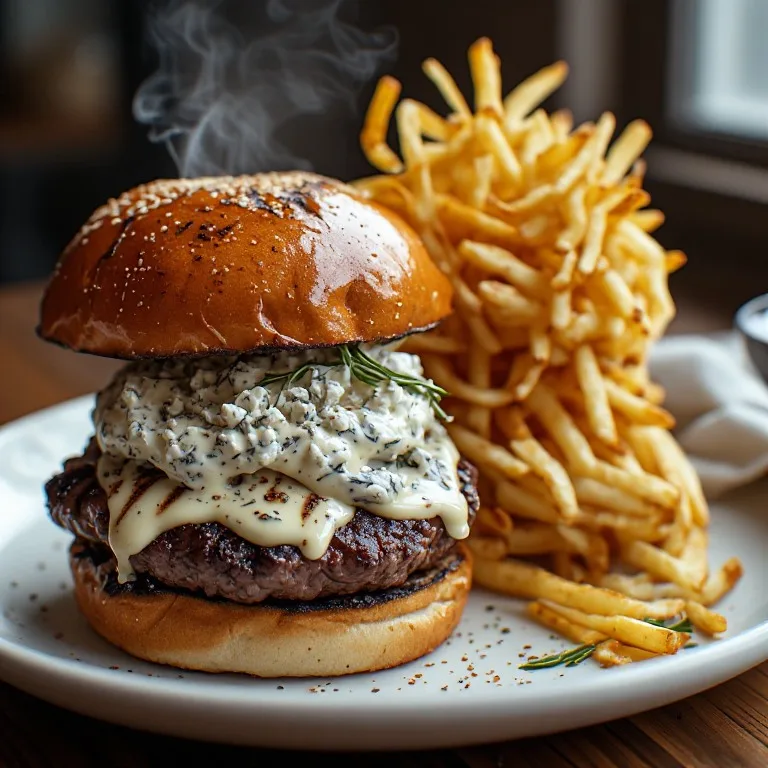



There is a restaurant dish so famous that when the restaurant closed, the first question every food writer fielded was not about the Roquefort burger or the deviled kidneys — it was about the gnudi.
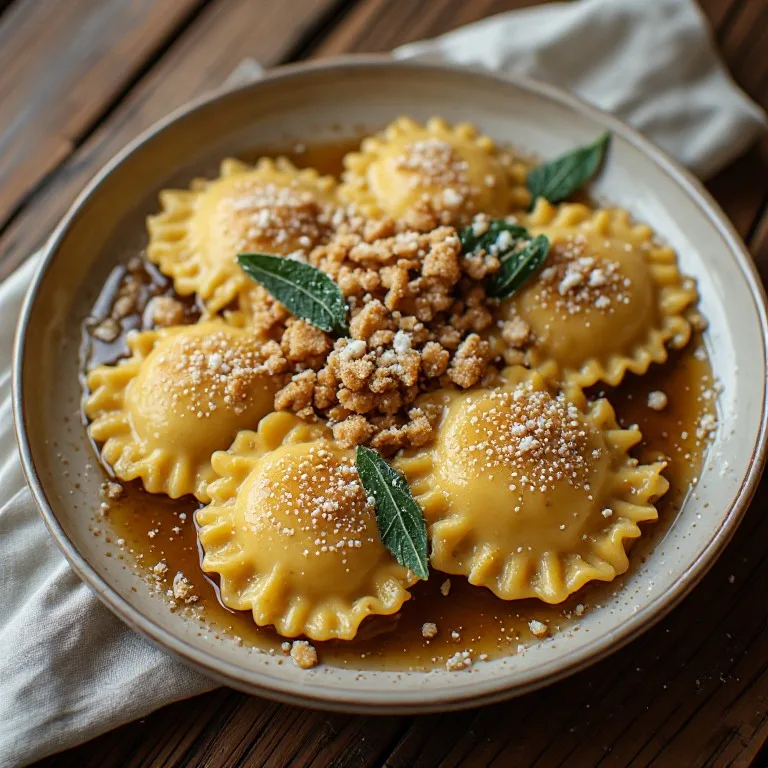
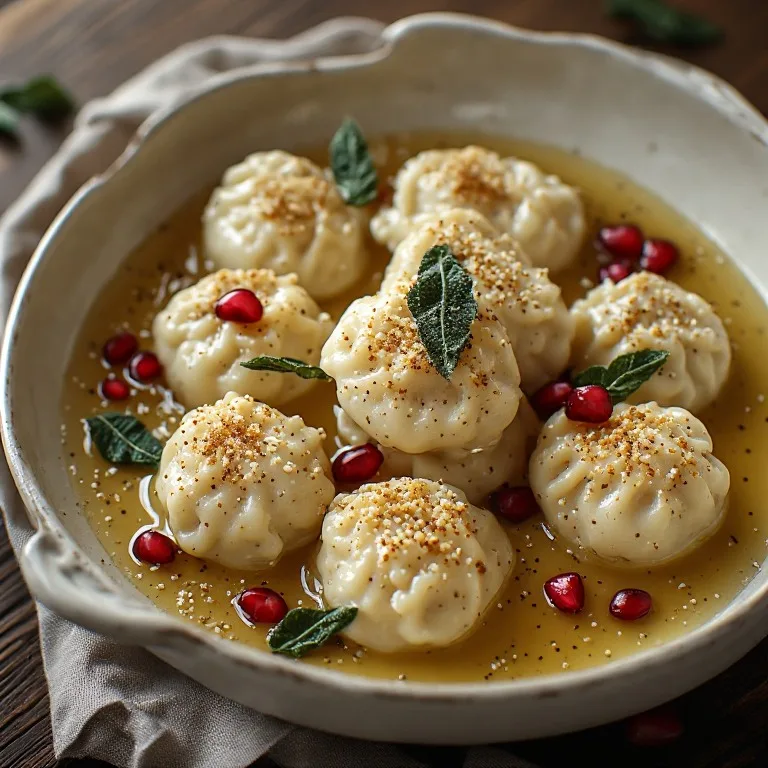
The Spotted Pig Gnudi were the most-searched-for recipe from any dish at April Bloomfield’s celebrated West Village gastropub. Pillowy ricotta-and-parmesan dumplings finished in hazelnut brown butter with crispy sage. They looked deceptively simple on the plate — six pale ovals in a shallow amber pool — but they tasted like nothing else: almost pure ricotta inside, holding their shape by what seemed like some improbable physics.
The physics is actually a 24-hour semolina rest. And once you know that, the whole recipe makes sense.
What Makes the Spotted Pig Gnudi Different
Most home gnudi recipes solve the falling-apart problem by adding flour directly to the ricotta dough. This works, but it produces something closer to gnocchi — denser, chewier, less delicate.
April Bloomfield’s gnudi contain no flour at all. Instead, the soft dumplings are rolled in fine semolina and rested on a semolina-dusted tray in the refrigerator for 24 to 48 hours. The semolina draws moisture from the ricotta surface and gradually forms a paper-thin protective skin — essentially the pasta wrapper the ricotta filling never had. The interior stays pure ricotta; the exterior holds.
The one rule: you cannot skip the rest. Twelve hours minimum, 24 is reliable, 48 is better. There is no shortcut. Make them the night before.
The Halloween Dinner Party Angle
This dish belongs at a Halloween dinner table. The gnudi arrive pale ivory and glistening in amber butter — and a handful of pomegranate arils scattered over each bowl transforms the plate visually: jewel-red against white against gold, without any forced decoration. The tartness of the pomegranate also cuts through the richness of the ricotta and brown butter in a way that feels genuinely considered.
It is also an ideal dinner-party dish: all the real work (draining, forming, resting) happens the day before. On the evening itself, the only active cooking is boiling water and browning butter — about 10 minutes of theatrical finishing while guests watch the sage sizzle in the pan.
More Famous Italian Restaurant Dishes to Make at Home
- Copycat Carbone Spicy Rigatoni — the other most-copied NYC Italian dish: the spicy vodka-cream rigatoni from Major Food Group’s Greenwich Village icon, a few blocks from where the Spotted Pig stood
- Copycat Lilia Mafaldine with Pink Peppercorn — Missy Robbins’ four-ingredient butter-emulsion pasta from Brooklyn’s Lilia, another restaurant famous for making one simple handmade shape unforgettable
- Copycat Rao’s Lemon Chicken — the impossible-to-book East Harlem institution’s signature, for a full Italian-American dinner alongside the gnudi