

Pin It

Rao's Lemon Chicken (The Famous One, Made at Home)

Rao's Lemon Chicken (The Famous One, Made at Home)
Jump to Recipe
Prep 15 min Cook 40 min Serves 4
Quick answer: Split 2 whole broiling chickens (about 2.5 to 3 lbs each) in half. Pat completely dry, season with salt and pepper, and broil skin-side up on a rack 4 to 5 inches from the element for about 30 minutes, turning once, until deeply golden and cooked through. While the chicken broils, make the lemon sauce: whisk 2 cups freshly squeezed lemon juice with 1 cup extra-virgin olive oil, 1 tablespoon red wine vinegar, 1.5 teaspoons minced garlic, 0.5 teaspoon dried oregano, and a pinch of salt and pepper until emulsified. When the chicken halves come out of the broiler, cut each half into about 6 pieces — leg, thigh, wing, and 3 small breast pieces. Arrange the cut pieces in a broiler-safe pan, pour the lemon sauce over them, and toss to coat every surface. Return to the broiler for 3 minutes, flip each piece, then broil 1 minute more. The sauce caramelizes against the hot cut surfaces and the edges char slightly. Remove from the broiler, scatter fresh flat-leaf parsley over the top, and serve immediately from the pan. At Rao's, the lemon chicken runs roughly $45 to $55. This batch feeds four for about $20 to $25.

Shop the tools

Gear matched to this recipe. These are Amazon affiliate links — we may earn a small commission if you buy, at no extra cost to you.

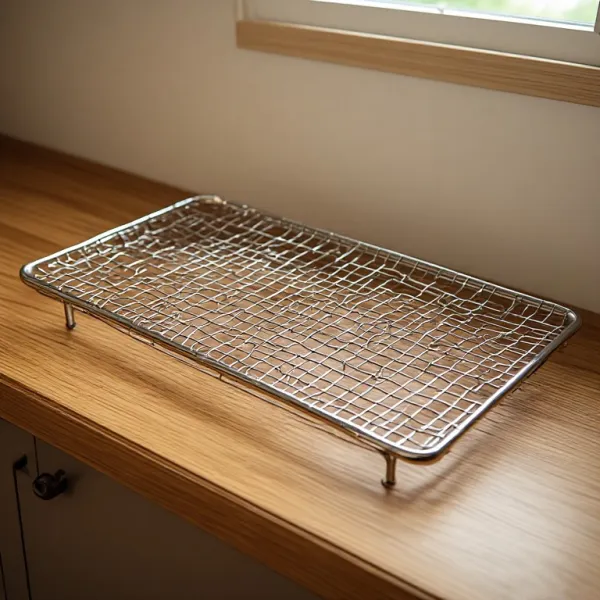
As an Amazon Associate, Copycat Spices earns from qualifying purchases. Product images are generic illustrations, not the exact item listed.

Rao's Lemon Chicken (The Famous One, Made at Home)

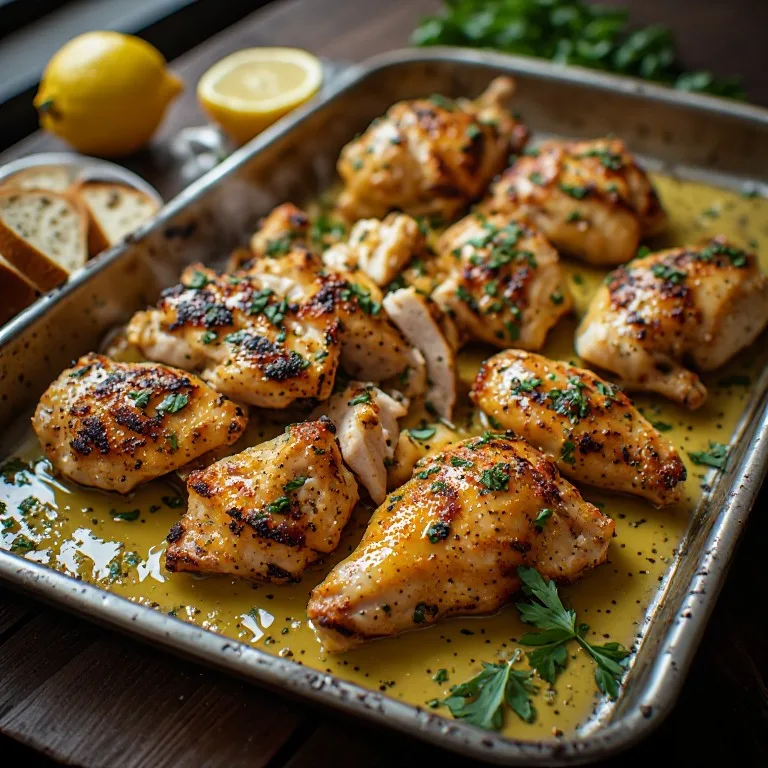
The famous Rao's lemon chicken, made at home: the two-stage broil (halves first, cut into pieces, sauce, back under the broiler) and the intensely bold 2-cup lemon sauce. Most copycat versions skip the second broil and end up with dressed chicken. This is the real technique.

Easy Prep: 15 min Cook: 40 min Total: 55 min4 servings ~$4.20/serving
Prep15 min
Cook40 min
Total55 min
Servings
4
At home~$4.20/serving
vs
Restaurant~$18.90/serving
You save ~78%

The Story Behind the Recipe

The famous Rao's lemon chicken, made at home: the two-stage broil (halves first, cut into pieces, sauce, back under the broiler) and the intensely bold 2-cup lemon sauce. Most copycat versions skip the second broil and end up with dressed chicken. This is the real technique.

Ingredients

  • Chicken
  • Lemon sauce
  • Finish

Instructions

💡
Pro tip: This recipe tastes even better the next day. The flavors need time to meld together in the fridge.
❄️
Storage: Keeps in an airtight container in the fridge for up to 2 weeks. Freezer-friendly for up to 3 months.
~300-500 cal/serving
🎃 Free Halloween cookbook — download now The Copycat Halloween Cookbook A ready-made, photo-illustrated PDF of our best halloween copycat recipes — free to download, no building required. Pay what you want to support if you love it.

Free PDF — instant download. We'll also send new seasonal copycat recipes now and then; unsubscribe anytime. Or just download it →

Copycat Rao’s Lemon Chicken (The Famous One, Made at Home)

Prep time: 15 min Cook time: 40 min Servings: 4 Difficulty: Easy

TL;DR: Two whole chickens split in half, broiled skin-side up for 30 minutes until deeply golden and cooked through, then cut into pieces, coated in a bold 2-cup lemon sauce with olive oil and a splash of red wine vinegar, then returned to the broiler for 4 more minutes to caramelize the sauce onto every cut surface. The sauce is intentionally intense — 2 cups of fresh lemon juice makes this dish aggressively bright, not subtly lemony. The second broil is the step most versions miss; it’s what creates the sticky, charred finish.

Rao’s opened in 1896 at 455 East 114th Street in East Harlem. It has 10 to 12 tables total. Seven of those tables are permanently held by regulars with standing weekly reservations — families who have held their spots for decades. The remaining seats represent the entire inventory available to everyone else. Getting in requires knowing someone who owns a table.

The lemon chicken is the most requested dish on the menu — it goes out to nearly every table that manages to sit down. It is also one of the more achievable dishes to replicate at home, once you understand that the key is technique rather than exotic ingredients. You need fresh lemons (a lot of them), good olive oil, and the discipline to do the two-stage broil instead of taking the shortcut.

The Two-Stage Broil

Most home versions of this dish roast or broil the chicken once, then pour a lemon dressing over it. The result is good chicken with a sauce — not Rao’s lemon chicken.

The restaurant technique involves two distinct broiling stages:

Stage one: Whole chicken halves broil skin-side up for about 30 minutes until fully cooked through and deeply browned. This develops the skin and cooks the interior.

Stage two: The cooked halves are cut into pieces — leg, thigh, wing, three breast sections per half — arranged in a pan, drenched in lemon sauce, and returned to the broiler for 3 minutes, flipped, then 1 minute more.

The second broil does something the first broil cannot: it caramelizes the sauce against the cut surfaces, the edges of the breast pieces, the exposed meat at the joint cuts. The heat chars the lemon-oil emulsion into the chicken rather than sitting on top of it. The result is sticky, slightly lacquered, with darkened edges — visually and texturally different from dressed chicken.

The step of cutting before saucing is essential. If you sauce the whole halves, only the skin gets the second-broil treatment. Cutting first multiplies the number of surfaces that contact the sauce and the heat.

Standard lemon chickenRao’s technique
BroilingOnceTwice (halves, then cut pieces)
When it’s cutServed in halves or pre-cut rawCut after the first broil, before saucing
When sauce is addedPoured over at the endCoated on, then broiled again
SauceLight drizzle or glaze2 cups lemon juice, drenched
FinishChicken with sauce on topSticky, charred, sauce caramelized into the meat

If you already spatchcock and broil whole birds, the first stage will feel familiar — see the viral spatchcock chicken method for the flatten-and-broil basics; Rao’s just cuts and sauces after.

The Sauce: 2 Cups of Lemon Juice

The sauce is where this recipe surprises people. Two cups of freshly squeezed lemon juice — roughly 10 to 12 lemons — is not a typo or an exaggeration. It is the correct amount, and it is why the dish tastes like it does.

The full sauce:

  • 2 cups fresh lemon juice
  • 1 cup good extra-virgin olive oil
  • 1 tablespoon red wine vinegar
  • 1.5 teaspoons minced garlic
  • 1/2 teaspoon dried oregano
  • Salt and pepper

The lemon-to-oil ratio is 2:1 — far more acidic than any standard dressing. The olive oil provides richness and body but does not tame the lemon; it carries it. The tablespoon of red wine vinegar (use red, not white) adds earthiness and body that the lemon alone lacks — it deepens the sauce without competing.

Fresh parsley goes on after the second broil, not in the sauce. Adding it before would burn it under the broiler.

The sauce will seem excessive when you pour it over the cut pieces — there will be extra pooling in the pan. This is correct. The caramelized pan sauce at the end is some of the best part of the dish; spoon it over every plate.

The Lemon Quantity

The biggest practical challenge is the lemons. Two cups of fresh juice requires significantly more than most people buy for a single recipe. Budget for 12 lemons, more if yours are small or under-ripe. Bottled lemon juice produces a noticeably flat, chemical-tasting result; this dish depends on the brightness of fresh juice. The lemons can be squeezed an hour ahead and held at room temperature.

A citrus press or electric juicer makes this practical. Rolling lemons firmly on the counter before cutting doubles the yield.

What You’re Replicating

Frank Pellegrino Sr. published the Rao’s Cookbook: Over 100 Years of Italian Home Cooking (Random House, 1998) with the full lemon chicken recipe. The cookbook is the source for the versions circulating on Food Network and in food publications — the technique and sauce proportions described here trace back to that text.

At the restaurant, the dish runs roughly $45 to $55. This batch costs about $20 to $25 in ingredients and takes 45 minutes start to finish. The home version won’t match the char of a 900°F professional salamander, but the technique gets you surprisingly close.

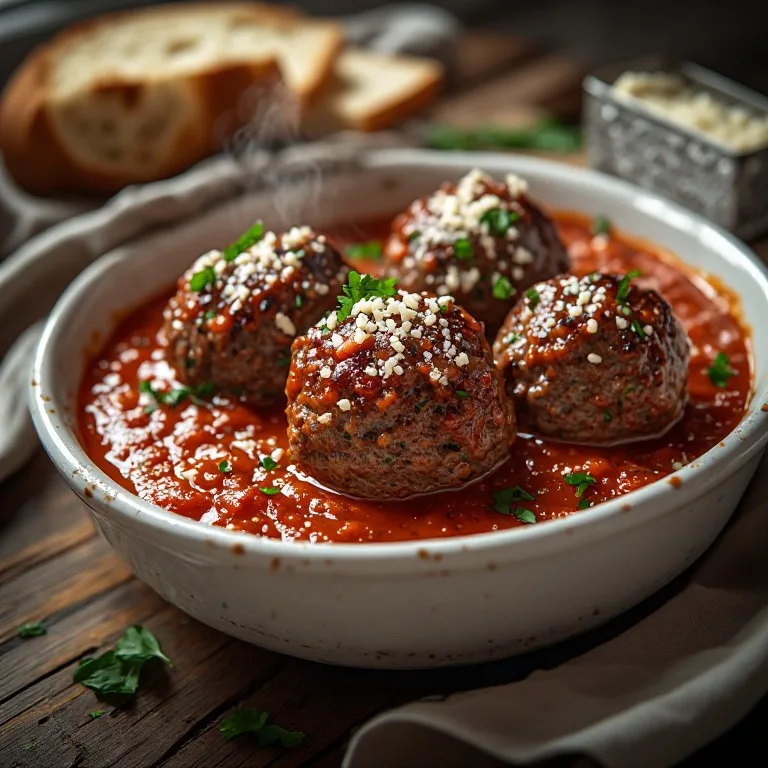
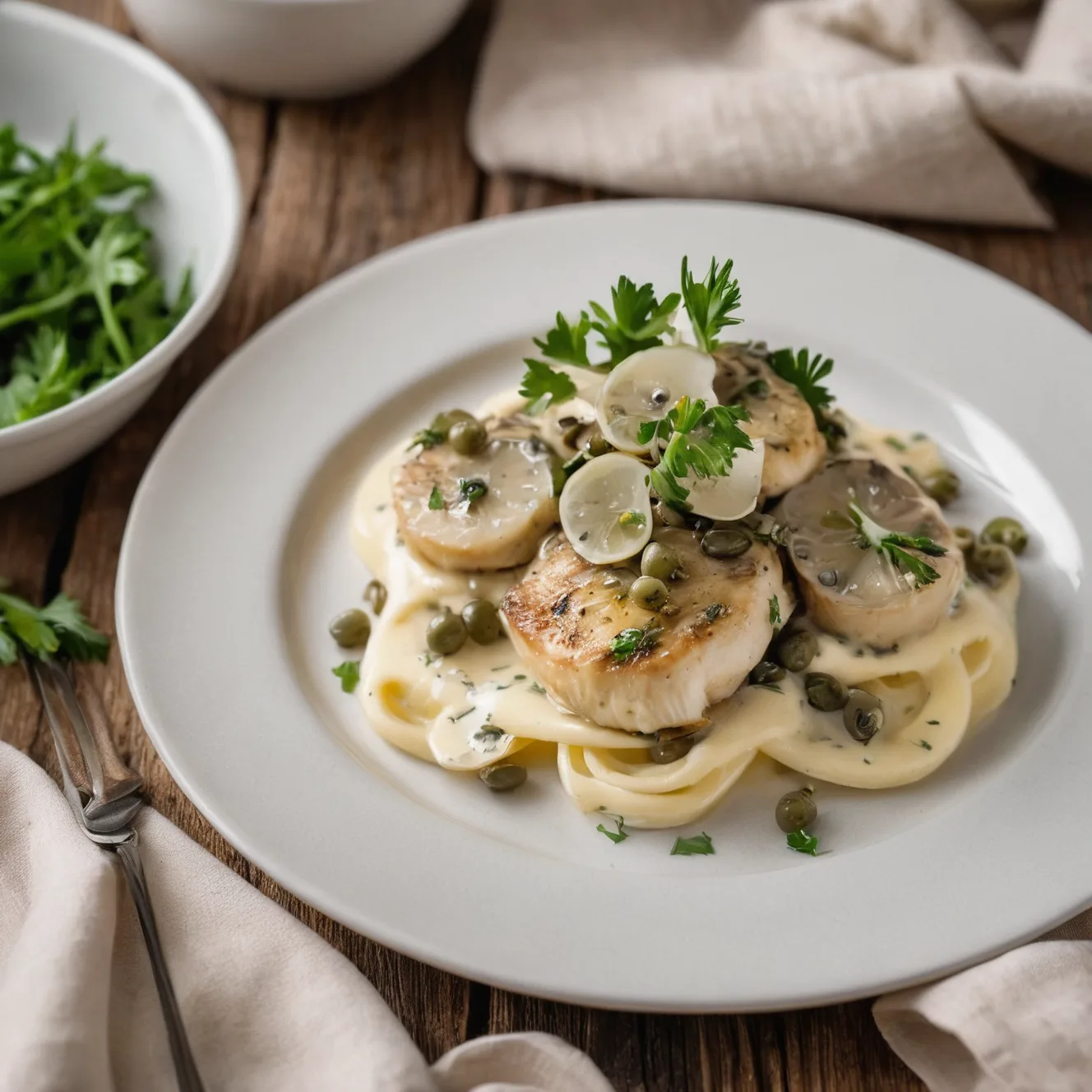
If you want the full Rao’s home dinner, pair this with the Rao’s meatballs — the other dish worth knowing from the same kitchen. For more classic Italian-American chicken dishes, the Cheesecake Factory chicken piccata and Maggiano’s chicken piccata are in the same lemon-forward family with different execution.
Frequently Asked Questions

What makes Rao's lemon chicken different from standard lemon chicken?

Two things most home versions miss. First, the two-stage broil: most copycat recipes roast the chicken and pour sauce over it at the end, producing dressed chicken. The Rao's technique broils the chicken twice — first as halves to cook through, then cut into pieces and sauced, then back under the broiler to caramelize the sauce onto every cut surface. The second broil is brief (about 4 minutes total) but it is what creates the sticky, slightly lacquered, charred-edge look you see in every photograph of this dish. Second, the lemon sauce uses 2 full cups of freshly squeezed lemon juice — significantly more than any similar recipe. It is deliberately bold and tangy, not a subtle glaze. Combined with a tablespoon of red wine vinegar for depth, it creates a sauce that reads as aggressively lemony but balanced by the cup of good olive oil carrying the flavor.

Why so much lemon juice — 2 full cups?

This is the most surprising element of the recipe to home cooks who expect a gentler dish. Rao's lemon sauce is meant to be intensely bright, almost assertively acidic, with a cup of olive oil providing richness and body to prevent it from being one-note. The 2:1 ratio of lemon juice to olive oil is far more acidic than a standard vinaigrette or pan sauce, and it works because it is coating already-cooked chicken (which absorbs it) and then hitting a very hot broiler, where the acids caramelize rather than taste raw. If you use less lemon juice, the sauce becomes pleasant but loses the characteristic sharpness that makes this dish identifiable. Two cups requires roughly 10 to 12 lemons — plan ahead and buy a bag, not a few individual lemons.

Why cut the chicken into pieces after the first broil and before the sauce?

Cutting after the first broil exposes new surfaces — the interior of the thigh, the cross-section of the breast, the cut side of the leg joint — that the sauce can penetrate and the second broil can caramelize. If you sauce whole halves, only the skin surface gets coated and charred; the chicken essentially sits under a lemon dressing. If you cut first and then sauce individual pieces, every exposed surface gets coated, and the 4-minute second broil chars the sauce directly into the meat and the cut edges. The result is sticky and charred rather than dressed. This step also serves the practical purpose of making the chicken easier to eat — Rao's serves it as individual portioned pieces, not halves.

What is the role of the red wine vinegar — it's only 1 tablespoon?

One tablespoon is enough to shift the flavor. In a sauce built from 2 cups of lemon juice, the red wine vinegar is not a competing acid — it is a flavor modifier. Lemon juice is bright and citrusy; red wine vinegar has body, earthiness, and a savory depth that lemon lacks. The tablespoon rounds the sauce so it doesn't read as purely citric, giving it a slight complexity that many people notice without identifying. Many copycat recipes leave the vinegar out entirely, or substitute white wine vinegar, which lacks the earthy character. It is worth having a bottle of red wine vinegar on hand specifically for this.

How do I get the skin properly crispy in a home broiler?

Home broilers top out at about 500°F to 550°F; Rao's uses a professional salamander that runs at 900°F or higher. You cannot fully replicate that, but you can get close by doing three things: preheat the broiler for at least 15 minutes (most home broilers take longer than people expect to reach full temperature), position the rack 4 to 5 inches from the element, and pat the chicken skin completely dry before broiling. Wet skin steams rather than crisps, even under direct heat. Bone-in, skin-on halves with dry skin at 5 inches from a fully preheated element will develop real browning and slightly charred edges in 30 minutes. The second broil (sauce on, 3 minutes + flip + 1 minute) adds additional char to the cut edges even if the skin is already fully crisped from the first broil.

How old is Rao's and why is it so hard to get a reservation?

Rao's was founded in 1896 at 455 East 114th Street at Pleasant Avenue in East Harlem — one of the oldest Italian restaurants in New York City. For much of its history it was a beloved local institution, not a destination restaurant. That changed in 1977 when New York Times critic Mimi Sheraton gave it a three-star review, and the phone never stopped ringing after that. The restaurant has roughly 10 to 12 tables, seven of which are permanently assigned to long-standing regulars who have first right of refusal every week — some families have held their tables for decades and pass them down. The remaining seats represent the total publicly available inventory. Getting in requires being invited by a table owner. Rao's has since opened locations in Las Vegas, Hollywood, and Miami Beach with normal reservation systems, but the East Harlem original remains effectively impossible for the general public.

Can I use chicken pieces instead of splitting whole birds?

Bone-in, skin-on chicken thighs and drumsticks work well and stay just as moist through the two-broil technique. If using pieces, the first broil may take slightly less time (20 to 25 minutes for thighs and drumsticks rather than 30 for halves); check earlier with a thermometer. Bone-in breasts work but dry out faster — watch them closely in the first broil and pull a minute or two early since they will continue cooking in the second stage. The key is that whatever cut you use should be bone-in and skin-on so it survives the second broil without drying out. Boneless chicken pieces would overcook significantly.

What should I serve with this?

The sauce is intensely lemony and acidic, so neutral starch is the best balance. Roasted potatoes are the classic pairing — they absorb the excess sauce and soften the brightness with starch. Simple sautéed green vegetables (broccoli rabe in olive oil and garlic, or green beans) complement without competing. Plain green salad with minimal dressing rounds out the meal without adding more acid. Crusty bread is essential for the pan sauce. Avoid cream-based sides or heavy pasta dishes that would fight with the lemon intensity.

Is there a cookbook version of this recipe?

Yes. Frank Pellegrino Sr. published the Rao's Cookbook: Over 100 Years of Italian Home Cooking (Random House, 1998) which includes the full lemon chicken recipe alongside the meatballs, marinara, and other signature dishes. It was one of the first places home cooks could access the original restaurant recipes, and the Food Network version widely circulated online traces directly to the cookbook. A second volume, Rao's Classics, followed in 2011.

Love this recipe? Share it!

Free PDF: our 12 most-wanted copycat recipes — instant download.

Made it? Buy us a coffee

Every recipe here is free, with no paywalls. If this one was a hit at your table, a small tip keeps new copycats coming.

$

Rao's is a trademark of its owner, used here only to describe the dish this recipe recreates. This is an independent copycat written in our own words — Copycat Spices is not affiliated with, endorsed by or sponsored by Rao's.

Ratings & Reviews

—
No ratings yet

Rate this recipe

Click a star to rate

Leave a Review

0/500

CS

Copycat Spices Editorial

Researched + fact-checked. Every recipe on Copycat Spices is built from published sources — official ingredient lists, brand-published recipes, interviews and food-science references — and fact-checked before it goes live, then written as clear, step-by-step instructions for home cooks of all skill levels.

Learn more about our mission →