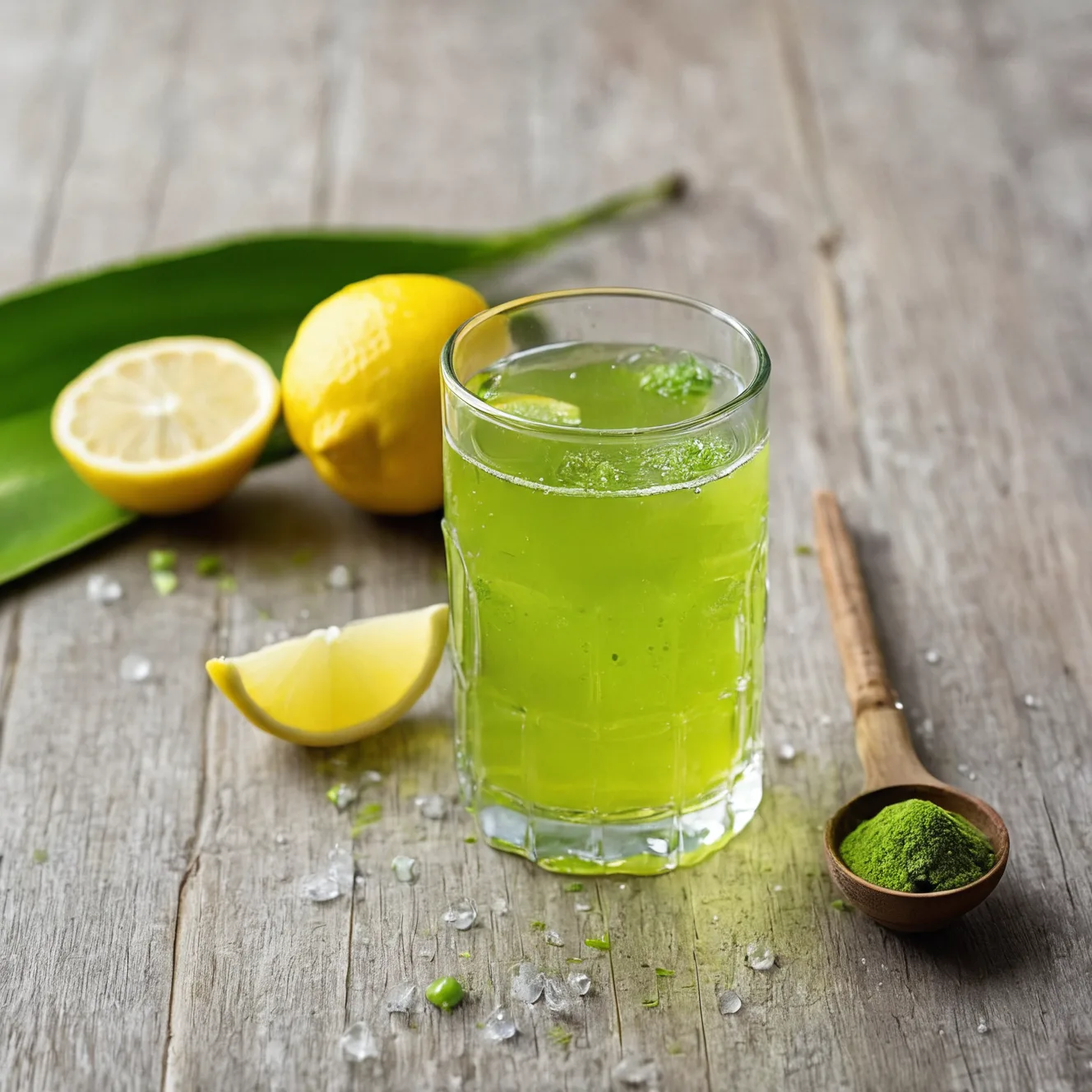
Copycat Starbucks Matcha Lemonade
Prep: 5 min | Serves: 1 (Grande / 16 oz) | Cost: ~$0.90 per drink
Starbucks discontinued the Iced Matcha Lemonade on March 4, 2025 — which means making it at home is now the only way to get the original drink. The good news: it’s one of the simplest things Starbucks ever made. Matcha paste, lemonade, ice, a quick shake. Five minutes, under a dollar.
This recipe recreates the actual Starbucks technique, including the shaking step that most copycat recipes omit. The shake is what chills the drink evenly, dilutes it to the right concentration, and creates the light froth that forms on top of the poured drink.
TL;DR
- Starbucks discontinued it March 4, 2025. This recipe is the only way to get it now.
- 2 tsp matcha bloomed in 2 tbsp 175°F water (whisk until smooth paste — no dry patches)
- Combine paste + 1 cup Simply Lemonade, shake over ice 10 seconds, pour over fresh ice
- 120 calories / 0g fat / ~80mg caffeine / naturally dairy-free
- No added syrup needed if using Simply Lemonade — the lemonade provides all the sweetness
Why Starbucks Discontinued It
Starbucks removed the Matcha Lemonade from the permanent menu on March 4, 2025 — one of 13 drinks cut that day (most of the rest were Frappuccinos), part of CEO Brian Niccol’s plan to shrink the menu roughly 30% by the end of 2025. The official reason: items that “aren’t commonly purchased, can be complex to make, or are similar to other beverages on the menu.”
Starbucks pointed customers to the Iced Green Tea Lemonade as the replacement. It’s not the same drink — that version uses Teavana jade citrus mint tea (spearmint + lemongrass), not matcha powder — but you can get close by customizing: ask for an “Iced Green Tea Lemonade with 2 scoops of matcha added.” Result varies by location.
For the exact original, the home version below is more reliable.
What Starbucks Put in the Matcha Lemonade
Three components, no dairy:
1. Matcha paste — matcha powder (Starbucks’ proprietary blend, shade-grown milled green tea) dissolved in a small amount of hot water. The pre-March 2025 formula used a pre-sweetened matcha blend (matcha + sugar); the home version uses unsweetened matcha plus lemonade to sweeten, which gives you more control.
2. Starbucks sweetened lemonade — their proprietary blend of water, lemon juice, liquid cane sugar, and lemon oil. Meaningfully sweeter than fresh-squeezed, which is why no additional classic syrup is added to the base recipe.
3. Ice — shaken in with the drink, then fresh ice in the glass.
A Grande (16 oz) was 120 calories, 27g sugar, 0g fat, and approximately 80mg caffeine. No milk. No cream. Naturally vegan.
The Bloom Step — The Only Technique That Matters
Matcha powder is hydrophobic. Pour it directly into cold lemonade and it beads on the surface and clumps into bitter green specks that never fully dissolve, no matter how long you stir. The bloom step solves this: whisk matcha into a small amount of hot water first to create a fully dissolved paste, then add the cold liquid.
Two things that ruin the bloom:
Water that’s too hot (over 185°F) scorches the amino acids and chlorophyll in matcha, turning the color yellowish-green and the taste harsh or metallic. The fix is easy: boil the kettle, let it sit for 2–3 minutes, then use it. A thermometer is helpful but not required.
Skipping the sift lets dry clumps through that harden on contact with water and never fully dissolve. Push the matcha through a fine mesh strainer first — 20 seconds that completely eliminates gritty texture.
After blooming, the paste should look glossy and smooth, with a slightly grassy-sweet smell. If it smells metallic or looks yellow rather than vivid green, the water was too hot.
The Shake Step — What Most Copycat Recipes Miss
Starbucks shakes the Matcha Lemonade the same way they shake their Peach Green Tea Lemonade and other tea-lemonade drinks. Shaking over ice accomplishes three things: it chills the drink faster than stirring, it dilutes it to the right concentration as the ice melts slightly, and it incorporates air that creates a faint froth on top.
Simply pouring the matcha paste over lemonade and stirring produces the same ingredients but a noticeably different texture. The shaken version is colder, more integrated, and has a smoother mouthfeel. Use a cocktail shaker or a 16-oz mason jar with a tight lid. Shake for 10–12 seconds over the sink until you’re confident of the seal.
Choosing the Right Lemonade
The lemonade is the only other variable in this recipe, so it matters.
Simply Lemonade (Original) is the closest match to Starbucks’ in-house lemonade blend. Both are sweetened (Simply uses sugar; Starbucks uses liquid cane sugar) and have a clean, moderately tart lemon flavor without artificial aftertaste. This is the one to use.
Minute Maid Original (refrigerated carton) works as a backup — slightly less lemon-forward but similar sweetness level.
Fresh-squeezed lemonade is more tart and less sweet than Starbucks’ version. If you go this route, add 1–2 teaspoons of simple syrup to bring the sweetness up. Juice one medium lemon (about 3 tablespoons), dilute with ½ cup cold water, and sweeten to taste.
Avoid: powdered mixes (Crystal Light, Country Time) — artificial sweeteners and artificial lemon flavoring don’t match the original’s lemon-forward profile.
Sweet vs. Not Sweet
The Matcha Lemonade as Starbucks served it was moderately sweet. The sweetness came entirely from the lemonade — unlike the Iced Matcha Latte, which gets 3 pumps of classic syrup added separately. Ways to adjust:
Sweeter: add ½–1 tsp simple syrup to the matcha paste before shaking. A pump of raspberry or vanilla syrup also works — see customizations below.
Half-sweet (lighter): use ½ cup lemonade + ½ cup cold water. At Starbucks, this was called “half-sweet” or “half lemonade.” Cuts sugar to about 13g and calories to about 80.
Unsweetened: use fresh-squeezed lemon juice + water with no added sugar. The matcha’s natural slight bitterness becomes more present but not unpleasant — closer to a traditional matcha drink with lemon.
Matcha Lemonade vs. Iced Matcha Latte — Head to Head
| Iced Matcha Lemonade (discontinued) | Iced Matcha Latte (still on menu) | |
|---|---|---|
| Base liquid | Sweetened lemonade | Milk (2% dairy default) |
| Flavor profile | Tart, citrusy, refreshing | Creamy, mellow, grassy |
| Calories (Grande) | ~120 | ~190 |
| Fat | 0g | ~5g (from milk) |
| Sugar | ~27g | ~25g |
| Caffeine | ~80mg | ~65mg |
| Dairy-free as ordered? | Yes | No (requires substitution) |
| Color | Vivid dark green | Lighter, milky green |
| Still on Starbucks menu? | No (discontinued March 2025) | Yes |
Same matcha. Different experience. The Lemonade version was the better hot-weather drink; the Latte is more satisfying when you want creaminess or something more substantial.
Popular Customizations
These were the most-requested modifications before discontinuation — all work in the home version:
Raspberry Matcha Lemonade — add 1 tablespoon of Torani Raspberry Syrup or stir 1 tablespoon of raspberry jam into the matcha paste before shaking. The raspberry plays well against both the matcha bitterness and the lemon tartness. This was one of the most popular TikTok customizations for this drink.
Vanilla Matcha Lemonade — add 1 tsp of vanilla simple syrup or ½ tsp vanilla extract to the matcha paste. Rounds out the bitter edge and adds a warm sweetness that makes the drink more approachable if you’re new to matcha.
Peach Matcha Lemonade — add 2 tablespoons of peach nectar (Kern’s or Jumex) to the lemonade before shaking. Creates a sweet-tart-peachy version that layered the matcha’s earthiness under the peach flavor. Popular before discontinuation as an unofficial menu hack.
Coconut Milk Float — after pouring the shaken drink into a fresh-ice glass, pour 2–3 tablespoons of coconut milk gently over the back of a spoon so it floats on top. The white layer over solid green is visually striking. The coconut mixes in as you drink through the straw.
Extra matcha — use 3 tsp instead of 2 for a deeper green color, more caffeine (approximately 120mg for a Grande-sized serving), and a more pronounced matcha flavor. Good if you like the drink but want it to taste less like lemonade-with-a-green-color and more like a genuine matcha drink.
Why the Color Is So Vivid
The Matcha Lemonade was the most visually striking drink on the Starbucks menu — a solid, saturated dark green that reads almost unnatural.
This is because matcha’s color comes from chlorophyll, which disperses fully into lemonade when properly dissolved. In the Iced Matcha Latte, dairy proteins scatter light and make the green appear lighter and more diluted — the same effect as mixing white into a paint color. Remove the dairy entirely and the chlorophyll is fully visible: the same amount of matcha, twice the visual saturation.
The color does fade as the ice melts and dilutes the drink. Stir before drinking if it’s been sitting. Fresh ice in the glass (not just the ice from shaking) keeps the color vivid longer.
Storage
A built Matcha Lemonade doesn’t store — ice melts, matcha settles, and the lemon goes flat within 20–30 minutes. Make it fresh and drink immediately.
What stores well: the matcha paste itself (without lemonade) keeps in a sealed container in the fridge for 2–3 days. Pre-bloom several servings at once and scoop 2 teaspoons of paste per glass when you want a drink. Add lemonade and shake to order.
Matcha powder stays fresh in a sealed tin, away from heat and light, for 6–12 months. Oxidized matcha turns yellow-green and tastes harsh; if your matcha isn’t vibrant green when you open the tin, it won’t produce the right color or flavor.
Choosing Matcha Powder
Culinary grade is the right choice for this recipe — designed for use in mixed drinks, baked goods, and lattes rather than for whisking alone in hot water. Deeper color, slightly more bitter on its own, but the flavor and color hold up under the lemonade. Price: $10–20 for a 30g tin. Good brands: Jade Leaf Organic Culinary Matcha, Encha Latte Grade, Ippodo Kan.
Ceremonial grade can be used but costs more for qualities (delicate umami, nuanced sweetness) that get partially masked by the lemon flavor. Worth it if you already have it; not worth buying specifically for this recipe.
Avoid: large canisters at grocery stores — they’re typically older stock that’s oxidized and stale, which produces yellow-green color and harsh, astringent flavor.
A 30g tin makes about 15 Grande-sized drinks at roughly $0.80–0.90 per serving for all ingredients combined.
More Starbucks Matcha Drinks
- Copycat Starbucks Iced Matcha Latte — the creamy milk-based version that’s still on the menu. Same matcha, different base. 190 cal / 65mg caffeine. Covers the January 2025 formula change from sweetened blend to pure matcha powder.
- Copycat Starbucks Matcha Crème Frappuccino — blended, no coffee, topped with whipped cream. The sweetest of the three Starbucks matcha drinks.
- Copycat Starbucks Iced Lavender Cream Oat Milk Matcha — oat milk base with a layered lavender cream topping. More complex than the standard lemonade or latte version.
More Starbucks Lemonade and Iced Tea Drinks
- Copycat Starbucks Iced Peach Green Tea Lemonade — Starbucks’ Iced Green Tea Lemonade with peach juice blend (the closest official current substitute for the Matcha Lemonade). Teavana green tea + lemonade + peach blend + ice. 130 cal / 25mg caffeine.
- Copycat Starbucks Pink Drink — acai refresher base with coconut milk instead of water. Non-dairy, visually striking, no coffee.
- Copycat Starbucks London Fog Tea Latte — Earl Grey + vanilla syrup + steamed milk. The tea-based latte for people who want something warm.
See all Starbucks copycat recipes →