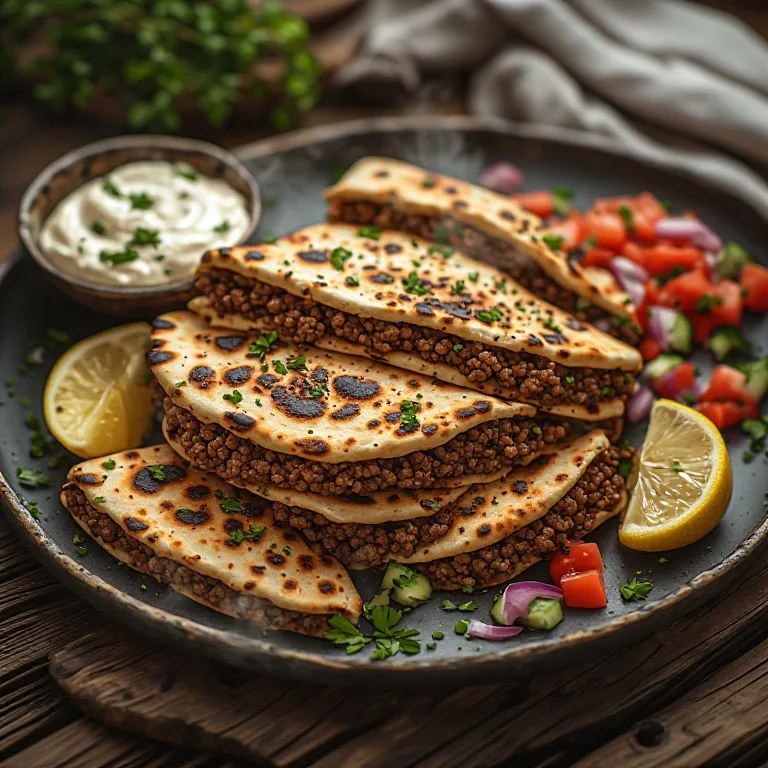



Arayes (pronounced ah-RAH-yes) is the Levantine street-food dish that took over TikTok in 2026 — and if you’ve seen the videos, you know exactly why. The sizzle when it hits the cast iron, the cross-section reveal of crispy charred bread split open over juicy, spiced meat: it’s the Middle Eastern equivalent of a quesadilla, executed with the warmth and aromatics of Lebanese kafta. Spiced ground meat pressed thin inside a pita pocket, brushed with olive oil, and cooked until the bread goes shattery and almost cracker-like on the outside while the filling stays juicy and fragrant. Twenty-five minutes from start to plate, one pan, no special equipment.
What Is Arayes?
“Arayes” (أرايس) translates to “brides” in Arabic — a name that’s widely attached to the dish, though the exact history of why is disputed. It’s a Levantine staple found across Lebanon, Palestine, Jordan, and throughout the broader Arab world, sold by street vendors alongside shawarma and falafel.
The filling is essentially Lebanese kafta — the same spiced ground meat mixture used in grilled kafta skewers — pressed into pita pockets and cooked until the bread crisps and the meat is done. Some families use all beef; many use half beef, half lamb. A few use all lamb for the most traditional flavor. The spice mix is the heart of it: cumin, coriander, allspice, cinnamon, and a hit of sumac.
What TikTok discovered is that arayes are stupidly easy to pull off at home. No skewers, no special technique, no waiting. Mix, stuff, brush, press, done.
The One Thing Most Home Recipes Get Wrong
Chopped onion instead of grated onion.
It seems like a small swap but it changes the texture of the finished dish entirely. Chopped onion stays in distinct pieces that steam separately from the meat as it cooks. Grated onion releases its liquid directly into the meat mixture — that juice distributes through every part of the filling, keeping it moist during the high-heat cook even without any added fat or binder.
Grate the onion on the large holes of a box grater, directly over the bowl, and catch every drop of juice. Mix it all in.
Why the Pita Gets Crispy (And How to Make Sure It Does)
Two things make arayes shattery-crisp instead of chewy-tough:
1. Olive oil — a lot of it. Brush both outside faces of each stuffed pita generously before it hits the pan. The oil conducts heat to the surface evenly and drives moisture out of the bread as it cooks, which is what makes the exterior crisp like a cracker while the interior stays slightly tender.
2. Pressing down. Use a heavy spatula or the bottom of another pan to press the arayes firmly against the cast iron or grill grates. Full contact = even browning. Any air pockets or curved spots stay pale and soft.
The Filling-Thickness Rule
Keep the filling no thicker than ½ inch from the inside of the bread. This is the single biggest failure point:
- Too thick: the pita chars before the meat inside reaches 160°F. You end up with burned bread and raw filling.
- Too thin: fine. The pita crisps faster but the filling still cooks.
When you press the filling in, push it flat so it’s in contact with both the top and bottom bread walls — not just sitting in the pocket like a sad lump. The meat needs to be conducting heat from both directions to cook through in 3–4 minutes per side.
The Spice Mix Explained
The mix here is built around the classic Levantine spice profile. One important note: because the filling layer is thin, you need more spice than you’d think — these aren’t quantities for a thick burger patty, they’re calibrated for a ¼-to-½-inch spread that needs to flavor every bite:
- Cumin — the earthy, smoky base
- Coriander — citrus-floral brightness that works with sumac’s tartness
- Smoked paprika — adds depth and a subtle char note (this is the non-obvious ingredient that serious recipes include)
- Allspice (7-spice/baharat) — the warm backbone that makes it taste distinctly Middle Eastern rather than generic seasoned meat
- Cinnamon — small amount, but essential; this is what distinguishes Levantine kafta from Turkish kofta or Moroccan kefta. Don’t skip it.
- Sumac — tart, lemony, slightly astringent; balances the fat. Add extra to the finished plate.
- Cayenne or Aleppo pepper — optional; Aleppo is fruitier and milder, cayenne is sharper.
7-spice shortcut: If you have Lebanese 7-spice (baharat) on hand, use 2 tsp of it in place of the allspice, reduce cumin and coriander to 1 tsp each, and add 2 tsp sumac. Simpler, still excellent.
Beef vs. Lamb: Which to Use
All beef (80/20): most accessible, slightly milder flavor, still excellent. This is what most people use in the US because good ground lamb isn’t always available.
Half beef, half lamb: the classic Lebanese approach. Ground lamb has a gamier, more mineral quality that makes the spices pop differently. If you can find it, it’s worth it.
All lamb: the most traditional, most aromatic version. Also has more natural fat, so it’s forgiving if you cook it a touch too long.
Do not use extra-lean beef (93% or leaner). The fat is what makes the filling stay juicy during the fast high-heat cook. This is not the dish for diet ground beef.
4 Ways Arayes Go Wrong
1. The filling steams instead of chars. Cause: the pan wasn’t hot enough before you added the arayes, or you crowded them. Fix: heat the cast iron over medium-high for 2 full minutes before adding anything, and cook in batches if needed.
2. The bread burns before the meat is done. Cause: filling too thick, or heat too high. Fix: keep the filling ≤ ½ inch and cook at medium-high, not screaming-high.
3. Dry, crumbly filling. Cause: chopped onion (not grated), or used extra-lean meat. Fix: grate the onion, use 80/20 beef or a beef-lamb mix.
4. Pita tears when you stuff it. Cause: stale/dry pita. Fix: use the freshest pita you can find, and open the pocket gently with your thumb rather than forcing it open with a knife. If pita is dry, mist it lightly with water and microwave for 10 seconds to make it pliable.
Variations
Cheese arayes: spread a thin layer of crumbled akkawi or halloumi (or fresh mozzarella) inside before adding the meat. As it cooks, the cheese melts into the filling. A Lebanese classic.
Chicken arayes: ground chicken with the same spice mix — works well, cooks faster (2–3 min per side). Add 1 tbsp olive oil to the filling to compensate for the lower fat content.
Lamb-only arayes: use 1 lb ground lamb with the same recipe. The fat renders out more during cooking so brush the outside with a little less oil.
Sumac-onion arayes: add a layer of thinly sliced white onion tossed in sumac and olive oil inside the pita before the meat. Adds tartness and crunch.
Oven method (no grill/cast iron needed): lay stuffed pitas on a rack over a baking sheet. Bake at 450°F for 10 minutes, flip, bake 5 more minutes. You won’t get the same char marks but the pita will still crisp up.
Serving Suggestions
Arayes are best served immediately — they lose their crispiness within a few minutes of coming off the heat. Set up a platter with:
- Toum (Lebanese garlic sauce) — the canonical pairing in Lebanon; find it at Middle Eastern grocery stores or make it from garlic + lemon + oil
- Tahini sauce (recipe above) — more widely available, works beautifully
- Tomato-cucumber salad — tomato + cucumber + parsley + lemon + olive oil + salt
- Labneh (strained yogurt with olive oil and za’atar) as a richer dip
- Extra sumac to sprinkle at the table
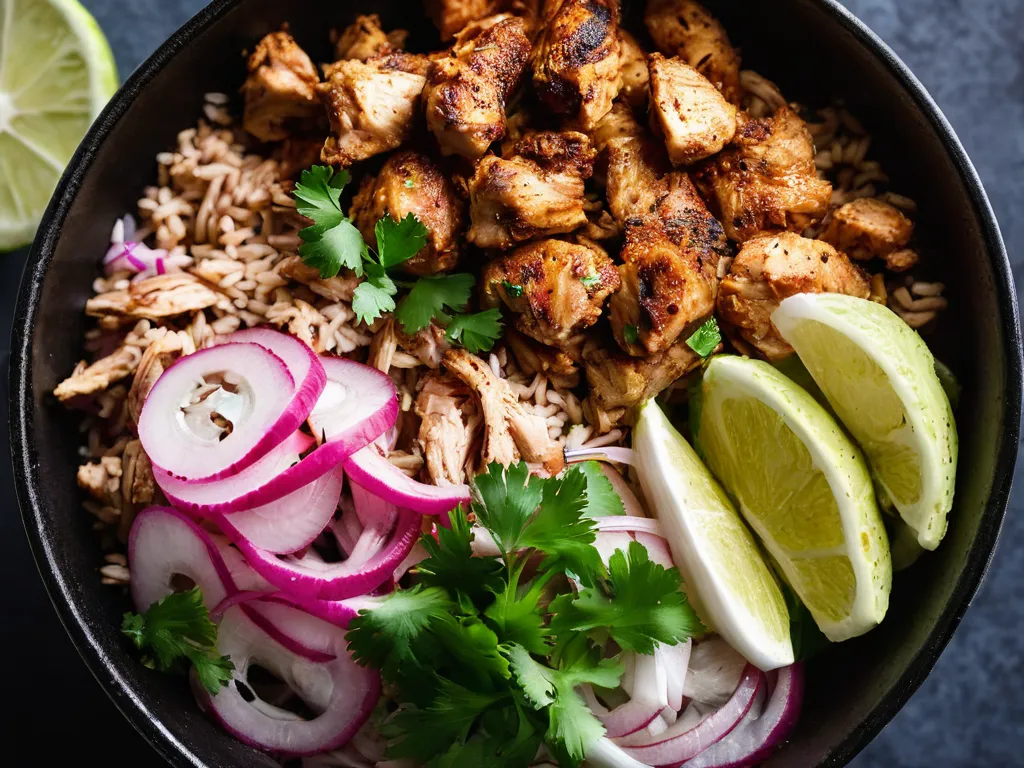
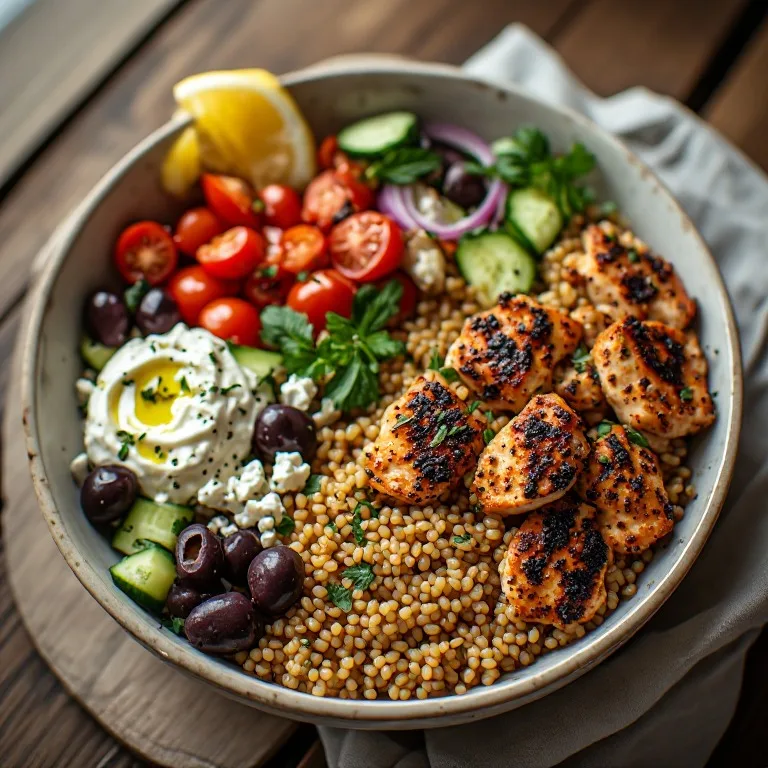
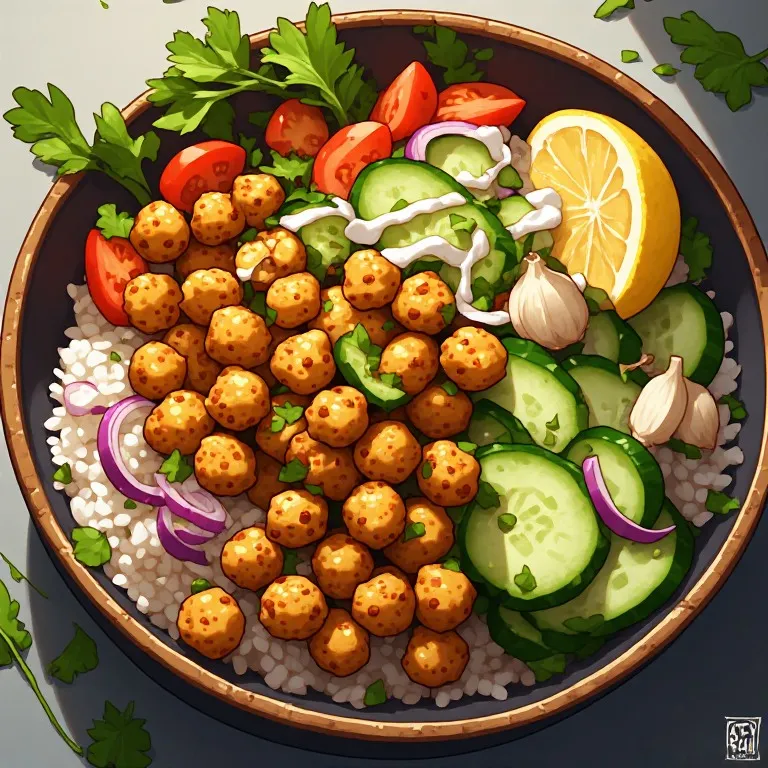
They work as a main dish (2–3 arayes halves per person) or as an appetizer or party snack (1–2 halves each). For a full Levantine spread, pair with chicken shawarma, a Mediterranean grain bowl, or a chickpea shawarma bowl.
Frequently Asked Questions
Can I make the filling ahead of time? Yes — the spiced meat mixture keeps refrigerated for up to 24 hours before stuffing and cooking. The spices actually bloom a bit as they sit, so make-ahead filling can taste even better than same-day. Do not stuff the pitas in advance — they’ll go soggy.
Can I freeze arayes? Yes, freeze them stuffed but uncooked. Lay on a parchment-lined sheet, freeze until solid, then transfer to a zip bag. Cook from frozen in a 400°F oven for 18–20 minutes, flipping once.
What pita should I use? The pocket-style pita (sometimes called “Arabic pita” or “sandwich pita”) — the kind with a hollow inside you can open. Not flatbread/lavash, and not Greek-style pita (which has no pocket). Larger pitas (7-inch) are easier to stuff without tearing.
My cast iron isn’t getting hot enough. Can I use a regular pan? A stainless steel skillet works fine at medium-high heat. Nonstick is not ideal because it can’t take the heat needed for a proper char — stick with stainless or cast iron.
Is sumac optional? It’s technically optional but it contributes the tartness that makes these taste authentically Levantine rather than just spiced hamburger in pita. If you can’t find sumac, add an extra squeeze of lemon juice to the filling and double the lemon in the tahini sauce.
What’s the difference between arayes and a kafta pita sandwich? A kafta sandwich has grilled kafta skewers placed inside a pita. Arayes have the raw meat pressed directly inside the pita and cooked as a unit — so the juices soak into the bread from the inside as it cooks, which is a completely different (and much more satisfying) texture.