


Viral TikTok Mediterranean Bowl — The Meal-Prep Bowl That Changed How People Cook
There are food trends that spike and collapse within a single news cycle, and then there are food trends that quietly reshape how millions of people think about cooking. The TikTok Mediterranean bowl is the second kind.
It went viral in 2023 and kept going, consistently appearing in meal-prep content, “what I eat in a week” videos, and healthy eating threads well into 2025. The reason it stuck while so many other trends faded: every single component of this bowl is better on days two, three, and four than it is on day one. The farro absorbs the olive oil and becomes nuttier. The tzatziki deepens. The marinated chicken slices cleanly from cold for quick assembly. In an era when people are desperate for food that doesn’t feel like a punishment to eat as leftovers, this bowl delivered.
The Viral Origin
The Mediterranean bowl’s TikTok life began with meal-prep creators — people building week-long food prep content who needed something that photographed beautifully, held up in containers, and tasted genuinely good at room temperature or slightly cold. Greek cuisine met all those requirements: it’s olive oil-based rather than cream-based (stays bright rather than congealing), its proteins are marinated with acid (which preserves them), and its grains and legumes are hardy.
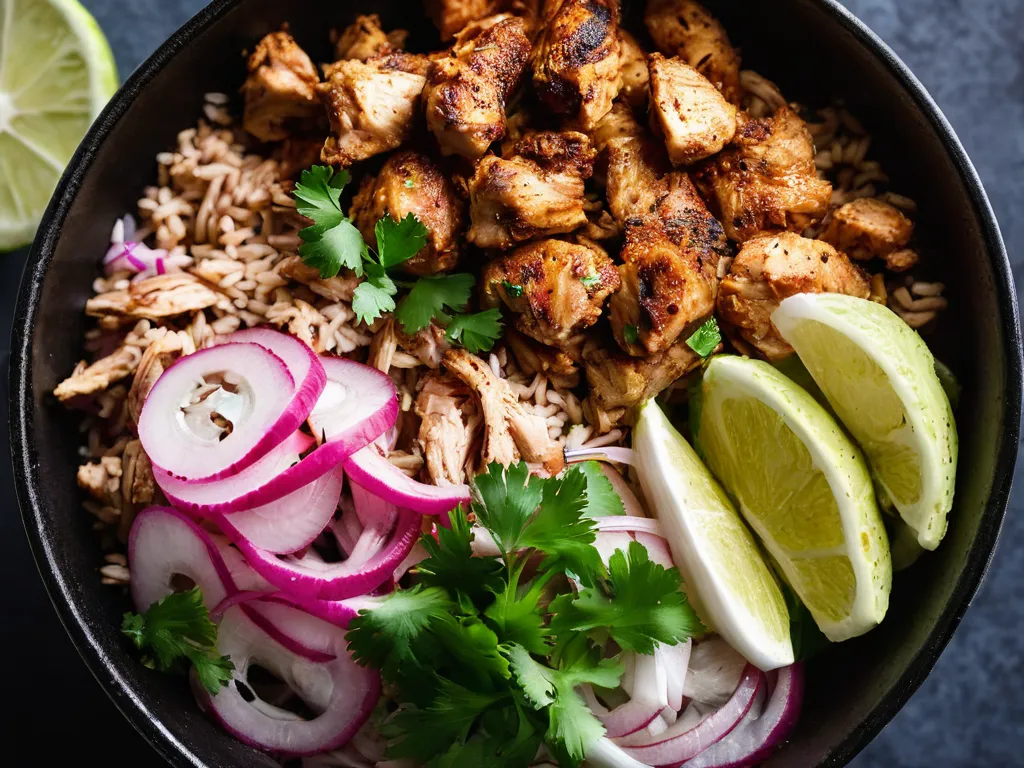
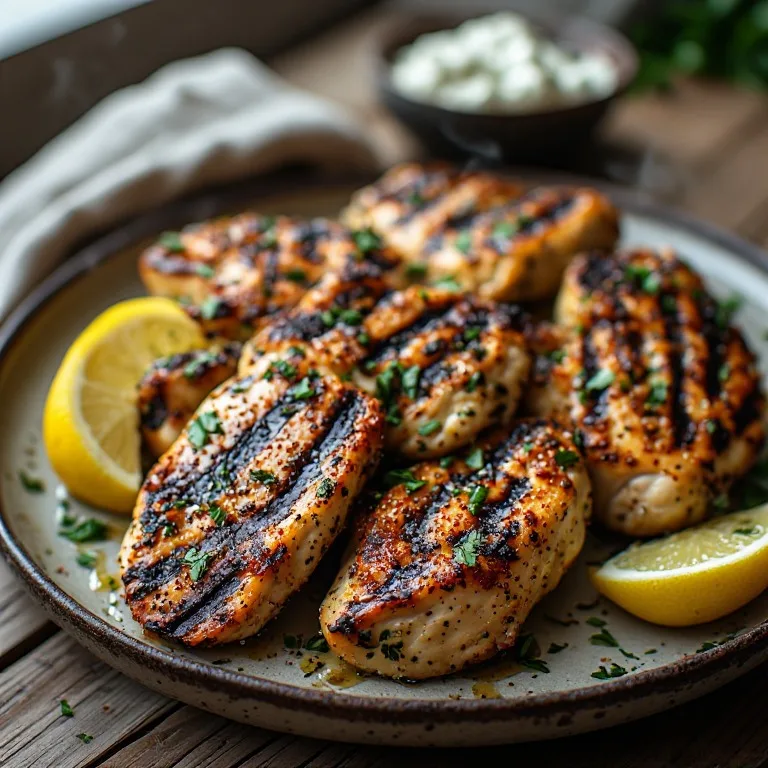
Creator after creator filmed the same Sunday ritual: marinating chicken in a lemon-oregano mixture, cooking farro in a big batch, making tzatziki from scratch, building colorful containers. The comments sections filled with people who had always found meal prep depressing — “I hate eating the same sad thing all week” — discovering that properly made Mediterranean bowls didn’t feel that way.
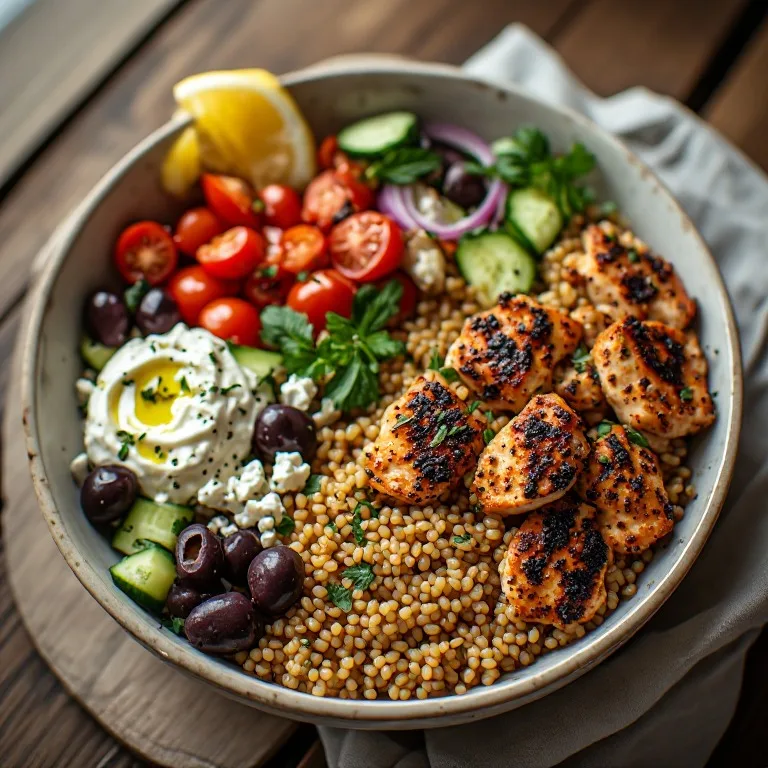
The key insight that spread through the comments and duets: it’s not one dish, it’s a component system. The bowl looks assembled and intentional because you build it fresh each day from pre-made parts. Nothing gets soggy sitting in a container because nothing lives on top of anything else until you eat it.
The Technique That Separates Good From Great
Two techniques in this recipe determine whether you get a restaurant-quality result or something that tastes like a mediocre take on Greek food.
The marinade time. Thirty minutes minimum, overnight preferred. The combination of lemon juice, olive oil, garlic, oregano, and cumin doesn’t just flavor the surface of the chicken — the acid begins to denature the proteins at the very outer layer, tenderizing the exterior and helping the char develop more evenly when the chicken hits a hot pan. A chicken thigh that’s marinated overnight will be noticeably more tender and have better char than one marinated for 15 minutes.
The tzatziki water removal. This is where home cooks lose the dish. Grated cucumber is almost entirely water, and that water will dilute your yogurt from a thick, creamy sauce into something thin and soupy that pools at the bottom of your bowl. Grate the cucumber, gather it in a clean kitchen towel, and squeeze — hard, for a long time, over the sink. You should extract 2–3 tablespoons of liquid. The cucumber that remains in the towel will be almost dry and will produce tzatziki with the right consistency: thick enough to stay where you put it on the bowl, creamy enough to act as a sauce.
Meal Prep and Serving Strategy
The Sunday prep flow for four people takes about 60–70 minutes total, but most of that time is hands-off:
Put the farro on first — it takes 30 minutes and needs no attention beyond a stir occasionally. While it cooks, make the tzatziki (10 minutes including squeezing) and the tomato-cucumber salad (5 minutes). Marinate the chicken if you haven’t already. When the farro is nearly done, cook the chicken in batches over high heat. Everything finishes within minutes of each other.
Store each component in its own container. Build bowls fresh at each meal from the cold components — it takes 2 minutes to assemble. The tomato-cucumber salad wilts after two days, so make half the batch fresh mid-week if you’re prepping for five days.
For serving temperature: farro and chicken are excellent at room temperature (better, actually, than straight from the refrigerator). Pull everything out of the fridge 15 minutes before building your bowl if you have the time.
Three Variations to Keep the Format Fresh
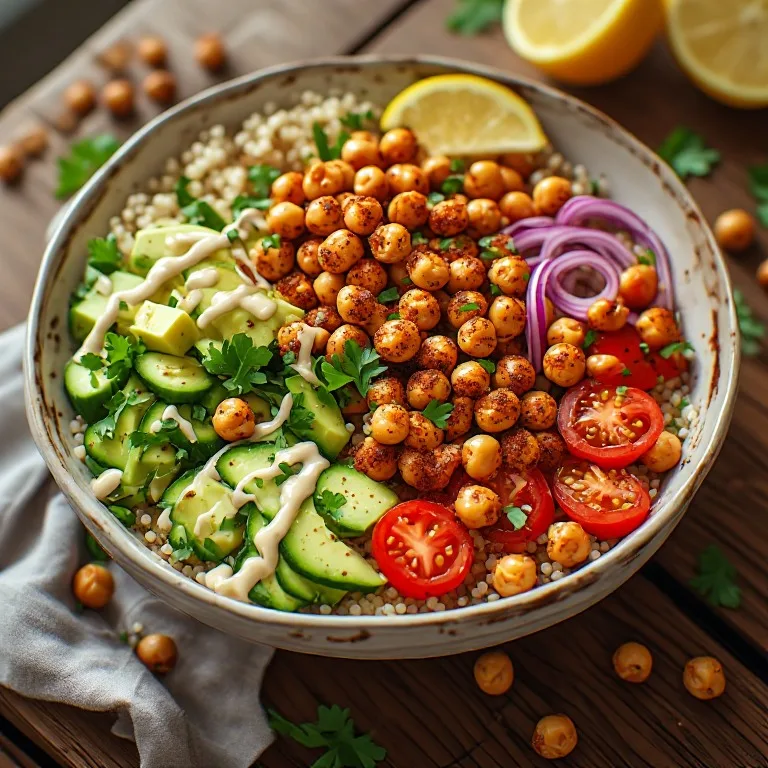
Fully vegan Mediterranean bowl. Replace the chicken with roasted chickpeas seasoned with the same spice blend (cumin, smoked paprika, oregano, olive oil, salt — 425°F for 25 minutes). Replace feta with a drizzle of tahini thinned with lemon juice. Replace tzatziki with a cashew-based version: soaked raw cashews blended with lemon, garlic, dill, and water to a yogurt-like consistency. Every component has an equal that holds up to 5 days of meal prep.
Salmon shawarma bowl. Marinate salmon fillets in the same Greek marinade for 15 minutes (not longer — acid will begin to cure the fish). Sear skin-side down in a hot cast iron skillet for 4 minutes, flip for 2. The salmon breaks into chunks over the farro and mingles with the tzatziki differently than chicken — richer, more forgiving. Add capers to the tomato salad to cut through the fattiness.
Low-carb cauliflower farro. Process raw cauliflower to rice-like crumbles and sauté over medium-high heat with olive oil for 6–8 minutes until golden and beginning to brown. Season with salt and a squeeze of lemon. It doesn’t replicate the chew of farro, but it absorbs the tzatziki and olive oil in a similar way and cuts about 140 calories per bowl. Keep all other components identical.
The Mediterranean bowl works because it was designed — even if not intentionally — as a system rather than a single recipe. Once you understand the components and why each one matters, you’ll start riffing on it automatically.