What Is a Bento Cake, and Why Is TikTok Obsessed With It?
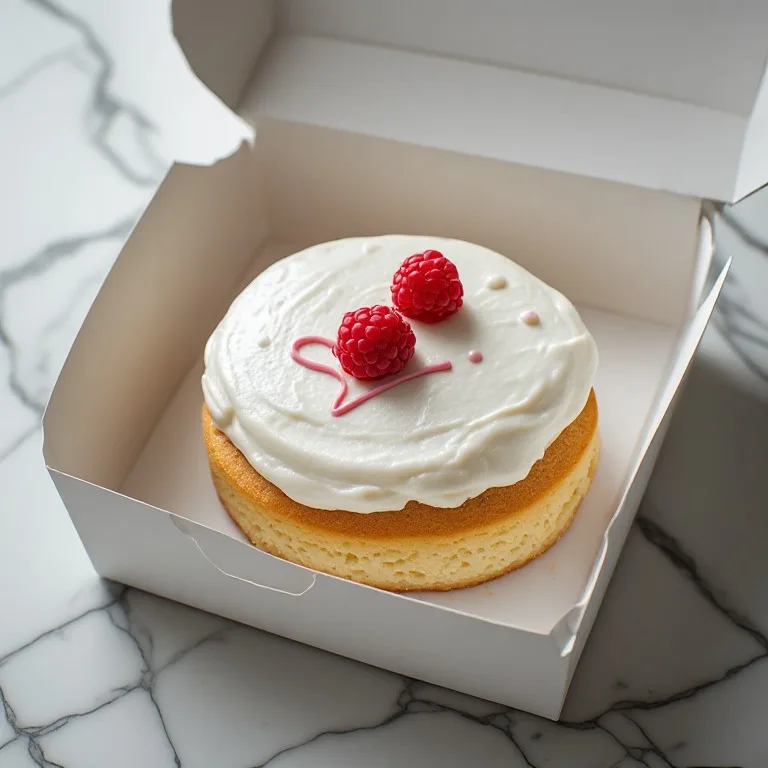
A bento cake — known in Korean as 도시락 케이크 (dosirak keikeu, literally “lunchbox cake”) — is a 4-inch single-serving layer cake packaged in a small takeout box. It originated in South Korean cafes, where it became the go-to format for personal celebrations: one person’s birthday cake, a gift with a handwritten message piped in frosting, something too personal to share with a table.
The format hit TikTok and has never really left. The appeal is obvious once you see it: a tiny perfect cake in a white box, minimally decorated, with a short message or a simple design. It looks expensive and artisanal. It takes 25 minutes to bake and costs about $3 in ingredients.
What TikTok understood before anyone else is that the format is the product. The box is part of the gift. The portion size means no cutting, no serving, no knife — you open the box and eat with a fork directly from the container. It’s a cake that requires no decision-making about how much to take.
The #bentocake hashtag has hundreds of millions of views. But the actual technique is surprisingly approachable.
The Difference Between a Bento Cake and a Regular Cake
Three things set a bento cake apart from a standard layer cake:
Size. A 4-inch diameter cake is roughly the footprint of a large apple. This isn’t a mini-cupcake — it’s a proper two-layer cake with structure and height, just scaled to one person. The small scale means the batter volume is tiny, bake time is short, and the cooling window matters more.
Decoration philosophy. Bento cake decoration is intentionally minimal: a short piped text, one cluster of fruit or a couple of edible flowers, a flat frosted exterior. The aesthetic is Korean cafe minimalism, not American birthday cake maximalism. If you’re piping elaborate flowers and rainbow swirls, you’ve left bento cake territory.
The box. A bento cake in a bag on a plate is just a small cake. In its white box, it’s a gifted moment. The packaging is structural to what the trend actually means.
The 3 Failure Modes
Most bento cake disasters trace back to three things:
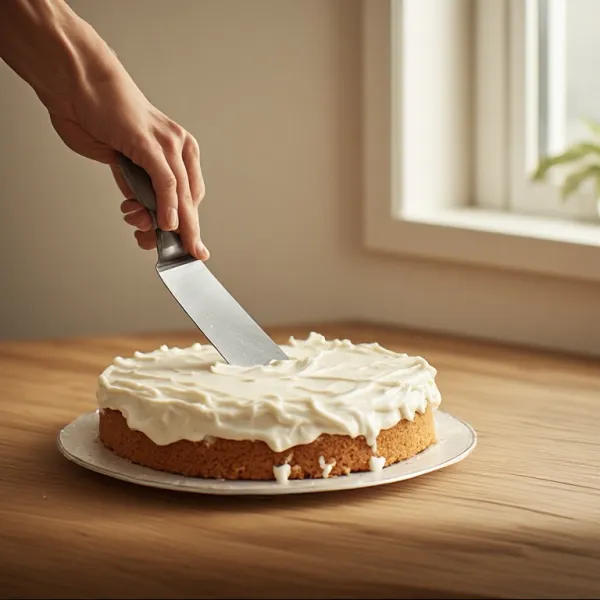
1. Frosting a warm cake. Whipped cream starts to melt above 45°F. If your cake is even slightly warm from the oven, the frosting will slide, weep, and eventually pool at the base. Cool the cake fully — to room temperature, then 30 minutes in the fridge if you want insurance — before any frosting touches it. This is the #1 mistake beginners make.
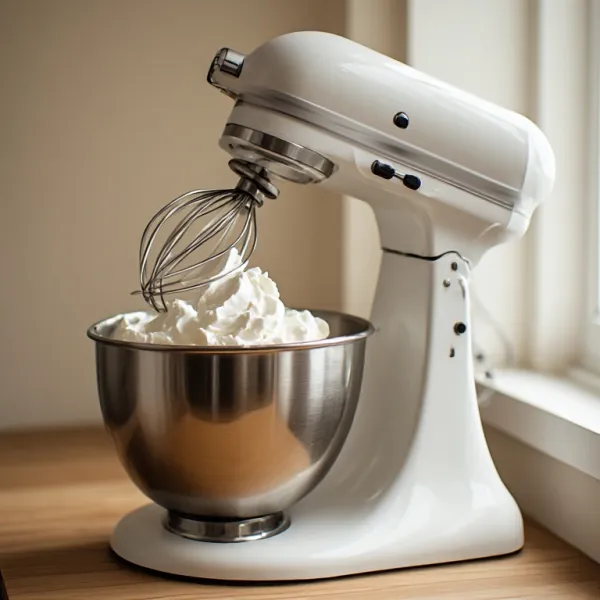
2. Over-whipping the cream. The window between medium-stiff peaks (what you want) and grainy butter (what you don’t want) is about 30 seconds on a stand mixer. Watch the texture, not the timer. The moment the frosting holds a shape cleanly and looks glossy, stop. Grainy, curdled cream cannot be fixed — you’d need to start over.
3. Not accounting for frosting height when sizing the box. This isn’t a baking failure, but it kills the presentation. Frosting adds roughly ¼ to ½ inch on each side of the cake and up to ¾ inch on top with a decoration. Measure your box before you start decorating, not after. A box that won’t close over a piped message is a box you’re replacing at the last minute.
Making the Sponge: Low and Slow
The recipe above uses a creamed-butter method rather than a whipped-egg chiffon because it’s more forgiving at the small 4-inch scale. Chiffon (which relies on whipped egg whites folded into the batter) is lighter and more delicate but requires precise folding technique — one deflation and the structure collapses. For a first bento cake, the creamed-butter sponge gives you a consistent crumb every time.
The key variable is oven temperature. 325°F instead of 350°F gives you a flat top rather than a dome, which means no leveling, less waste, and cleaner layers. The extra few minutes of bake time at lower heat is worth it.
The sponge will look tiny in the pan. This is correct. The batter for a 4-inch cake is about ½ cup — roughly what you’d pour into two cupcake liners. Trust the process.
The Simple Syrup Soak: Why Bakeries Do This
The simple syrup brush is optional but worth the 5 minutes it adds. Baked sponge loses moisture quickly, especially in a 4-inch small format where the surface-area-to-volume ratio is higher than a large cake. A light brush of cooled simple syrup on the cut layers keeps the crumb moist for hours and adds a slight sweetness without heaviness.
Korean cafes almost universally use a milk soak (2 tablespoons whole milk + 1 teaspoon sugar) on their bento cake layers rather than a sugar syrup — the fat in the milk adds a richness the straight-sugar syrup doesn’t. Both work. Use what you have.
Whipped Cream vs. Buttercream: The Real Trade-off
Korean bento cakes almost always use whipped cream frosting. It’s lighter, less sweet, and produces the clean white exterior that defines the aesthetic. But whipped cream has a short window — it starts to weep and lose shape within 2 to 4 hours at room temperature and needs refrigeration.
Use whipped cream if: the cake is being made and eaten same-day, the recipient has it refrigerated, or you want the authentic Korean cafe texture and appearance.
Use buttercream (powdered sugar + butter) if: the cake needs to survive 24+ hours, travel without refrigeration, or you’re shipping it. Buttercream holds shape in warm rooms, doesn’t weep, and stores refrigerated for 3–4 days with no texture loss.
The stabilized whipped cream (cream cheese added before whipping) is the middle ground — it holds 4–6 hours refrigerated and travels better than plain whipped cream without the richness of full buttercream. This is the version most home bakers use for bento cakes they’re gifting.
Decoration: Less Is More, Every Time
The aesthetic rule for bento cakes is that you should be able to read the whole cake in two seconds. One message. One design element. One accent color at most.
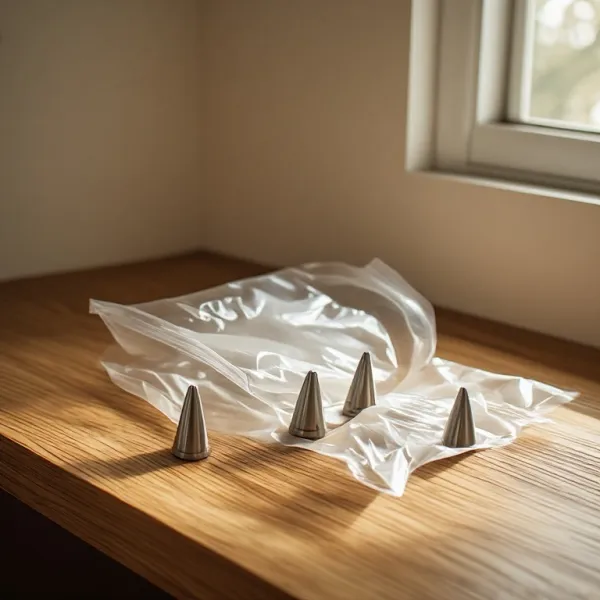
A round piping tip (#3 or #4) is the right tool for lettering — it produces clean, even lines at the small scale. Practice writing the message on parchment first before you write it on the cake; the frosting pressure and movement take one or two tries to get consistent.
Common bento cake messages: “Happy Birthday,” a name, “Congratulations,” “I love you,” simple hearts or stars, a date. The message is always short because the canvas is small.
For color: gel food coloring tints frosting without adding liquid (liquid food coloring thins the whipped cream and can destabilize it). A single pastel tint for the outer frosting, white for the piped message, or all-white with a single colored detail — all are correct bento cake aesthetics.
Variations
Chocolate bento cake: Replace 10g of flour with 10g of Dutch-process cocoa. For the frosting, add 1 tablespoon of cocoa powder sifted into the powdered sugar before whipping, or skip it and layer the chocolate sponge with plain white whipped cream for the contrast.
Matcha bento cake: Replace 5g of flour with 5g of culinary-grade matcha. The frosting can match with a pinch of matcha whisked into the cream, or stay white for visual contrast against the green crumb.
Strawberry shortcake style: Fill between the layers with whipped cream and thin-sliced fresh strawberries. Garnish the top with a single whole strawberry and a dusting of powdered sugar. This is the most popular bento cake format in Korean cafes.
Brown butter sponge: Brown the 50g of butter in a small saucepan until golden-nutty (3–4 minutes over medium heat), let it cool to solid at room temperature, then use as you would softened butter in the recipe. The browned milk solids give the sponge a toffee-hazelnut undertone that pairs well with a vanilla or chocolate frosting.
Sheet-pan batch method: Scale the recipe by 4x, bake in a quarter sheet pan at 325°F for 18–22 minutes, then cut individual 4-inch rounds with a ring cutter. You get 3–4 bento cake bases from one bake session. Wrap and freeze the ones you’re not using immediately — they keep frozen for 1 month and thaw in the fridge overnight.