Pin It

Viral TikTok Gochujang Caramel Cookies (Swirled, Spicy-Sweet, Deeply Addictive)

Viral TikTok Gochujang Caramel Cookies (Swirled, Spicy-Sweet, Deeply Addictive)
Jump to Recipe
Prep 25 min Cook 13 min Serves 24 cookies
Quick answer: Make the caramel swirl: stir together 1 tablespoon softened butter, 2 tablespoons packed light brown sugar, and 1 heaping tablespoon (about 20g) gochujang until smooth. Set aside. Beat 7 tablespoons (99g) very soft unsalted butter with 1 cup (200g) granulated sugar until light (reserve a little extra granulated sugar for rolling). Add 1 large room-temperature egg and 1 teaspoon vanilla — beat 1 minute. Fold in 1½ cups (195g) all-purpose flour, ½ teaspoon baking soda, ¾ teaspoon kosher salt, and ¼ teaspoon cinnamon until just combined. Drop the gochujang caramel over the dough in 3 to 4 spaced-out blobs. Fold 3 to 4 times — just enough to create visible orange-red swirls without fully mixing. Chill 1 hour. Roll tablespoon-and-a-half portions in granulated sugar, place 2 inches apart on parchment, and bake at 350°F for 11 to 13 minutes until edges are golden and the tops show cracks. Flaky salt immediately after. Rest 10 minutes. Makes 24 cookies.

Shop the tools

Gear matched to this recipe. These are Amazon affiliate links — we may earn a small commission if you buy, at no extra cost to you.

As an Amazon Associate, Copycat Spices earns from qualifying purchases. Product images are generic illustrations, not the exact item listed.

Viral TikTok Gochujang Caramel Cookies (Swirled, Spicy-Sweet, Deeply Addictive)

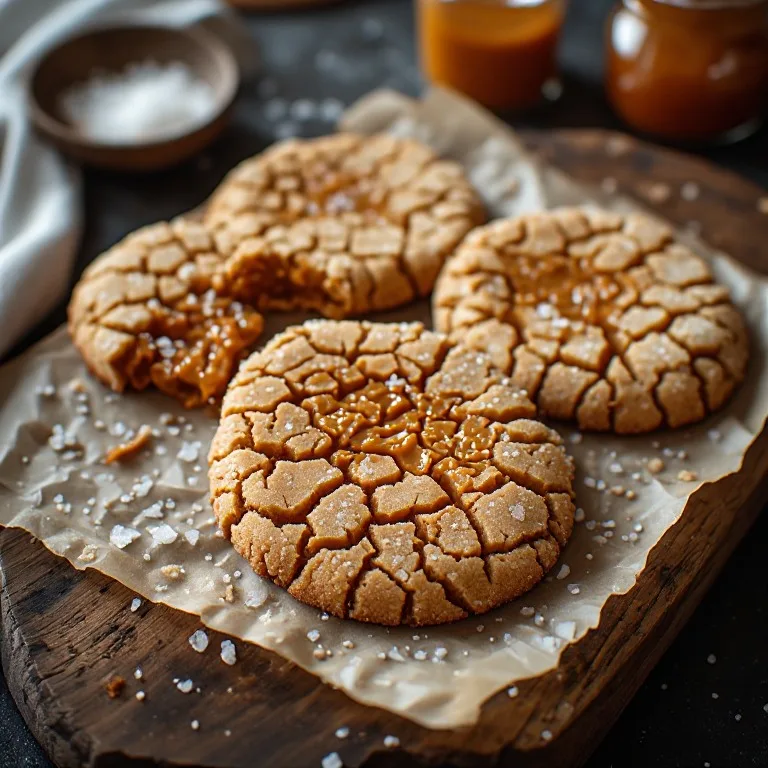
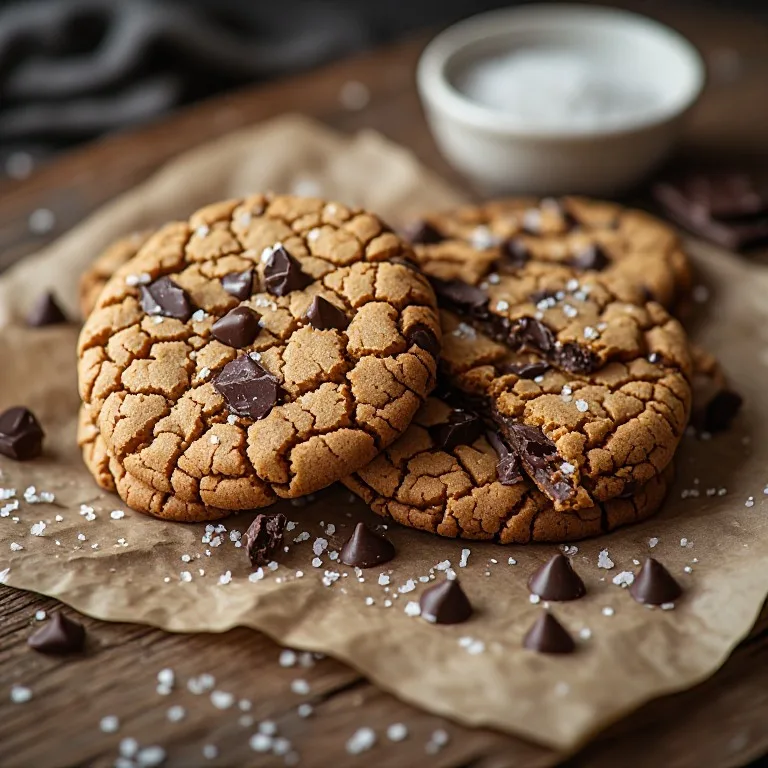
The viral TikTok gochujang caramel cookies: a butter-sugar cookie dough swirled with a gochujang-brown-sugar caramel that caramelizes into deep amber ribbons in the oven. Sweet, spicy, fermented, and surprisingly complex — this is the cookie that made everyone trust TikTok's weirdest baking ideas.

Easy Prep: 25 min Cook: 13 min Total: 38 min24 cookies servings ~$4.50/serving
Prep25 min
Cook13 min
Total38 min
Servings
24
At home~$4.50/serving
vs
Restaurant~$20.25/serving
You save ~78%

The Story Behind the Recipe

Eric Kim's gochujang caramel cookies for NYT Cooking landed in late 2022 and became one of the most-shared baking recipes on TikTok over the following two years. The hook was purely visual: a butter-sugar cookie dough marbled with vivid orange-red swirls of gochujang paste and brown sugar. Before baking, the cookies look almost unsettling — a normal dough interrupted by streaks of Korean chili paste. After baking, those streaks have caramelized into deep amber ribbons, and the flavor is nothing like what the color implies. The gochujang adds warmth, fermented depth, and umami without delivering the sharp chile punch viewers expected. Creators filmed their first bites and posted them as "I can't believe this works" content; the recipe accumulated hundreds of millions of views and sparked a wave of gochujang-in-baking experiments across TikTok.

Gochujang is the only specialty ingredient — a tub costs $4 to $8 at most supermarkets' international aisle and makes 10 to 12 batches of cookies (you use less than 2 tablespoons per batch). Everything else is pantry staples. A full batch of 24 small cookies runs under $8. The marbling technique is the key step: you want distinct swirls, not a uniform orange dough. Spoon the caramel over the dough in 3 to 4 blobs and swirl it in with just 3 to 4 strokes so you can still see clear ribbons of paste before baking — they caramelize into distinctive amber streaks in the oven. Over-mixed dough bakes up uniform-colored and loses the visual payoff that made this recipe viral.

Nutrition Facts

Per serving (24 cookies servings)
Calories112
Total Fat4g
Total Carbs17g
Dietary Fiber0g
Sugars10g
Protein1g
Sodium95mg

* Estimated values based on standard recipe preparation. Actual values may vary.

Ingredients

  • For the gochujang caramel swirl
  • For the cookie dough

Instructions

💡
Pro tip: This recipe tastes even better the next day. The flavors need time to meld together in the fridge.
❄️
Storage: Keeps in an airtight container in the fridge for up to 2 weeks. Freezer-friendly for up to 3 months.
🎃 Free Halloween cookbook — download now The Copycat Halloween Cookbook A ready-made, photo-illustrated PDF of our best halloween copycat recipes — free to download, no building required. Pay what you want to support if you love it.

Free PDF — instant download. We'll also send new seasonal copycat recipes now and then; unsubscribe anytime. Or just download it →

The TikTok version of this recipe runs on a simple visual premise: what happens when you swirl Korean fermented chili paste into a cookie? Eric Kim’s NYT Cooking recipe answered that with a before-and-after that was impossible to scroll past. Before baking: a normal butter-sugar dough interrupted by vivid orange-red ribbons of gochujang. After baking: deep amber swirls caramelized into the surface, with a flavor that’s sweet, warmly spiced, fermented, and nothing like what those raw streaks suggest. The “I can’t believe this works” TikTok format, combined with a genuinely excellent cookie, accumulated hundreds of millions of views and sparked a wave of gochujang-in-baking experiments that’s still running.

The full technique is in the Quick Answer above. Here’s what to understand about each critical step.

The Two-Component Technique

This recipe has two separate parts: a vanilla sugar cookie dough and a gochujang caramel swirl mixed independently and marbled in. Most versions people try at home get this wrong by simply stirring gochujang into the dough. The result tastes fine but looks uniform orange-tan and loses the visual contrast that made the recipe viral. The original keeps them separate deliberately: the swirl needs to stay concentrated in distinct ribbons so it caramelizes into deep amber in the oven while the surrounding cookie dough stays pale gold.

Make the swirl first — just gochujang, softened butter, and dark brown sugar stirred together until smooth. Keep it at room temperature so it stays pliable. The butter in the swirl helps it marble cleanly rather than clumping into isolated spots.

The 3-to-4-Fold Rule

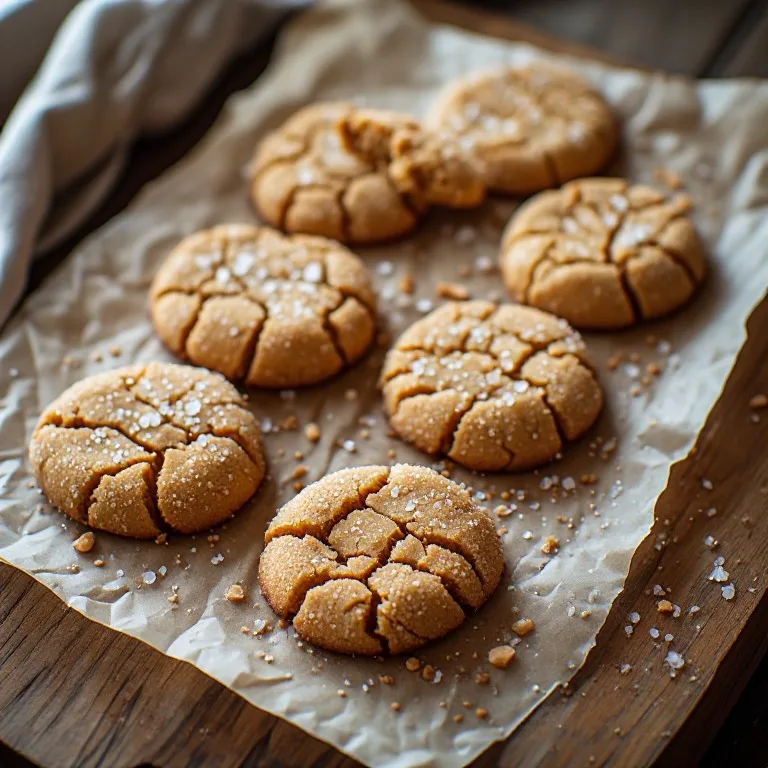
When you add the swirl to the dough, fold 3 to 4 times. No more. This is the most important instruction in the recipe, and the one most bakers skip past. The visual you want before refrigeration is a dough that looks like marble rye: distinct orange-red ribbons running through pale dough. Over-folded means uniformly orange — the caramelized swirl effect disappears in the oven and you lose the concentrated pockets of fermented caramel. Under-folded means large blobs that can burn at the cookie edges. The right count produces ribbons about the width of a finger.

What Gochujang Actually Tastes Like in a Cookie

The most common question is whether these are actually spicy. At one heaping tablespoon across 24 cookies, the heat is subtle — a slow warmth that builds over several bites, not an immediate punch. The dominant note isn’t heat; it’s fermented depth, the same quality that makes soy sauce and aged cheese taste “savory.” In a sweet context, that depth makes the brown sugar and butter taste more caramel-like than they would without it — the same way flaky salt makes caramel taste sweeter by providing contrast.

First batch: use 1 heaping tablespoon. Adjust from there.

The Butter Temperature Rule

“Very soft” means you can press a finger into the butter without resistance — not melted, but soft enough that it beats into a fluffy mass in 2 to 3 minutes. Cold butter won’t incorporate air; the resulting cookies bake flat and dense. If you forgot to take the butter out, cut it into tablespoon pieces and microwave at 50% power in 5-second bursts until just barely soft. Eric Kim’s recipe recommends beating by hand for the most defined crinkles, but a mixer works if your butter is soft enough.
🥗

Make It Healthier

Love Viral TikTok Gochujang Caramel Cookies (Swirled, Spicy-Sweet, Deeply Addictive) but want a lighter version? Try these simple swaps:

  • ✓Cut the granulated sugar in the dough to ¾ cup (150g) — the cookies stay plenty sweet, spread a little less, and the gochujang-caramel ribbons read more clearly against a slightly less-sweet base
  • ✓Use ¾ teaspoon gochujang in the swirl instead of 1 tablespoon to make the caramel milder and more caramel-forward, with the fermented heat barely detectable
  • ✓The dough freezes well as rolled, sugar-coated balls — freeze flat on a sheet pan, then bag once frozen; bake straight from frozen at 350°F for 14 to 15 minutes so you can make 6 at a time
  • ✓Add 1 teaspoon of white miso to the caramel swirl alongside the gochujang — deepens the fermented umami note without increasing heat, a popular variation for people who find even 1 tablespoon of gochujang assertive

Frequently Asked Questions

What are the viral TikTok gochujang caramel cookies?

The viral TikTok gochujang caramel cookies are a butter-sugar cookie by Eric Kim of NYT Cooking that went viral in late 2022 and dominated TikTok baking content through 2024. The cookie has two components: a standard vanilla sugar cookie dough and a separate gochujang caramel swirl made from gochujang (Korean fermented red chili paste), butter, and dark brown sugar. The swirl gets marbled into the dough just 3 to 4 folds before baking, leaving visible orange-red ribbons. In the oven, those ribbons caramelize into deep amber streaks, and the flavor is sweet, warmly spiced, slightly fermented, and addictive in a way no ordinary cookie achieves.

Does gochujang make the cookies spicy?

At one heaping tablespoon in 24 small cookies, the heat is subtle — a slow warmth that builds over 2 to 3 bites rather than an immediate punch. People who try these cookies often describe the flavor as 'caramel with something interesting' before they identify it as spice. If you want clear, identifiable heat, use 1.5 tablespoons in the caramel swirl. If you want the fermented depth without any heat, reduce to 1 teaspoon and add ½ teaspoon of white miso to fill the umami gap. The capsaicin in gochujang is significantly milder than a fresh chile because fermentation partially breaks down the heat compounds.

What gochujang brand works best for cookies?

CJ Haechandle Gochujang (the red tub, widely available at H-Mart and most supermarkets) and Sempio are the two most recommended brands — both are medium-heat, well-fermented, and have the slightly sweet finish that makes them work in baking. Avoid gochujang labeled 'extra spicy' for your first batch; start with standard gochujang and adjust from there. Do not substitute gochujang sauce (the squeezable condiment bottles) — they contain added vinegar and sweeteners that change the dough texture and flavor profile. Paste only.

Why is it called 'caramel' cookies if there's no poured caramel?

The 'caramel' refers to what happens to the gochujang-brown-sugar swirl during baking. The brown sugar in the swirl caramelizes in the oven heat, turning from deep red-orange to amber-brown streaks that look and taste like a caramel marble. The swirl also includes butter, so it behaves like a baked caramel — pliable when warm, slightly firm when cool, with a toffee-like sweetness that contrasts the gochujang's heat and fermentation. You're biting into a cookie with caramelized patches of fermented paste, and the combined effect reads distinctly as 'caramel' even though no candy thermometer was involved.

How much should I fold the caramel swirl into the dough?

3 to 4 folds maximum — you want distinct, visible orange-red ribbons running through the dough before it goes in the refrigerator. The goal is a marbled effect, not a uniform color. Over-folded dough bakes up uniformly orange-tan with no visual drama and the caramel flavor distributes so evenly that the concentrated-swirl effect disappears. Under-folded dough (1 or 2 folds) leaves large blobs of pure paste that can burn at the edges. Aim for ribbons the width of a finger running through the dough in loose swirls.

Can I make gochujang caramel cookies ahead of time?

Yes, and they're better for it. The dough keeps refrigerated for up to 3 days — the flavors deepen as the gochujang and brown sugar integrate into the butter. You can also freeze the dough as scooped, sugar-coated balls for up to 2 months; bake straight from frozen at 350°F for 14 to 15 minutes. Baked cookies stay soft for 3 to 4 days at room temperature in an airtight container; the gochujang warmth mellows slightly over time, which many people prefer.

How are gochujang caramel cookies different from gochujang chicken or pasta?

In savory cooking, gochujang is used in larger quantities as a marinade and sauce base — its heat, fermented sweetness, and umami pair naturally with fats and proteins. In cookies, you're using a concentrated swirl (about 20g total) to create a caramelized marble in a sweet dough. The fermented depth that makes gochujang chicken umami-rich is the same quality that makes these cookies taste unlike any other cookie. The difference is concentration and role: savory dishes feature gochujang as a dominant flavor; these cookies feature it as an accent that amplifies the caramel notes of butter and brown sugar.

What happens if I mix the gochujang fully into the dough instead of swirling it?

The cookies still taste good, but the visual effect and textural contrast disappear. Fully mixed gochujang distributes heat and color evenly, producing a uniformly orange cookie with mild warmth throughout. You lose the caramelized amber swirls and the contrast of biting into a pocket of concentrated caramelized paste versus plain cookie. The viral appeal is specifically the marbling — bakers filming their raw dough with orange swirls, then the baked cookie with amber ribbons — and that only works if the swirl stays distinct. For consistent flavor throughout, full mixing is fine; for the TikTok recipe, swirl and stop at 4 folds.

Love this recipe? Share it!

Free PDF: our 12 most-wanted copycat recipes — instant download.

Made it? Buy us a coffee

Every recipe here is free, with no paywalls. If this one was a hit at your table, a small tip keeps new copycats coming.

$

Ratings & Reviews

—
No ratings yet

Rate this recipe

Click a star to rate

Leave a Review

0/500

CS

Copycat Spices Editorial

Researched + fact-checked. Every recipe on Copycat Spices is built from published sources — official ingredient lists, brand-published recipes, interviews and food-science references — and fact-checked before it goes live, then written as clear, step-by-step instructions for home cooks of all skill levels.

Learn more about our mission →