
Pin It

Viral TikTok Brown Butter Banana Bread — The 10-Minute Upgrade That Changes Everything

Viral TikTok Brown Butter Banana Bread — The 10-Minute Upgrade That Changes Everything
Jump to Recipe
Prep 20 min Cook 60 min Serves 10 slices (1 standard 9×5 loaf)
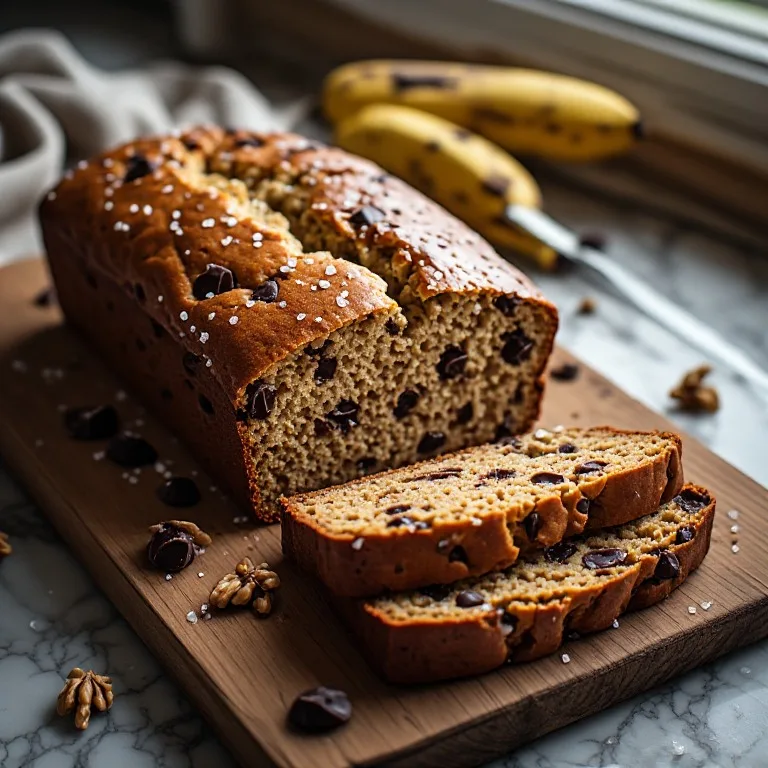
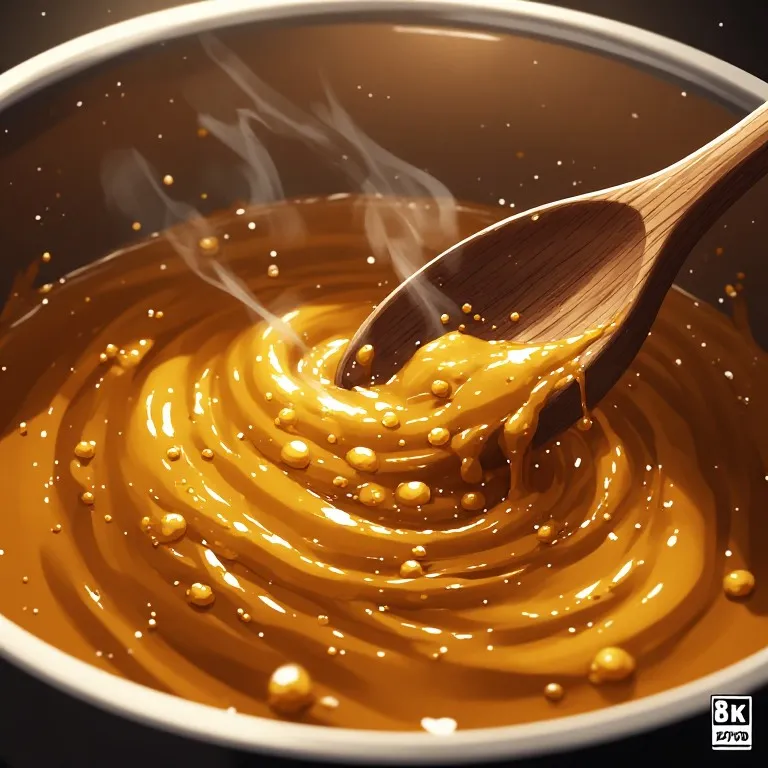
Quick answer: Melt 8 tablespoons (1 stick) of unsalted butter in a light-colored skillet over medium heat. It will foam, then the foam will subside, and amber specks will appear at the bottom — stir constantly at that point and pull off the heat the moment the color shifts from golden to medium brown and the butter smells like toasted hazelnuts, about 5 to 8 minutes total. Pour the brown butter into a large bowl and let it cool for 8 to 10 minutes — if it's still hot, it will scramble your eggs. Mash 3 very ripe bananas (blackened skin, not just spotty — black is better) into the cooled brown butter with a fork until mostly smooth; a few chunks are fine. Whisk in ¾ cup packed dark brown sugar, 2 large eggs, and 1½ teaspoons of vanilla extract until combined. Add 1½ cups all-purpose flour, 1 teaspoon baking soda, and ½ teaspoon fine salt directly to the bowl and fold with a rubber spatula just until no dry streaks remain — 10 to 12 folds, no more. Overworking the batter develops gluten and makes the loaf tough. Fold in ½ cup of chocolate chips or chopped walnuts if using. Scrape into a greased 9×5 loaf pan, smooth the top, and sprinkle with a thin layer of flaky salt. Bake at 350°F for 55 to 65 minutes until a toothpick inserted in the center comes out with just a few moist crumbs — no wet batter. The top will crack down the middle; that's correct and is what you want. Cool in the pan for 10 minutes, then transfer to a rack. Do not slice before it's mostly cool — the interior is still setting.

Shop the tools

Gear matched to this recipe. These are Amazon affiliate links — we may earn a small commission if you buy, at no extra cost to you.

As an Amazon Associate, Copycat Spices earns from qualifying purchases. Product images are generic illustrations, not the exact item listed.

Viral TikTok Brown Butter Banana Bread — The 10-Minute Upgrade That Changes Everything

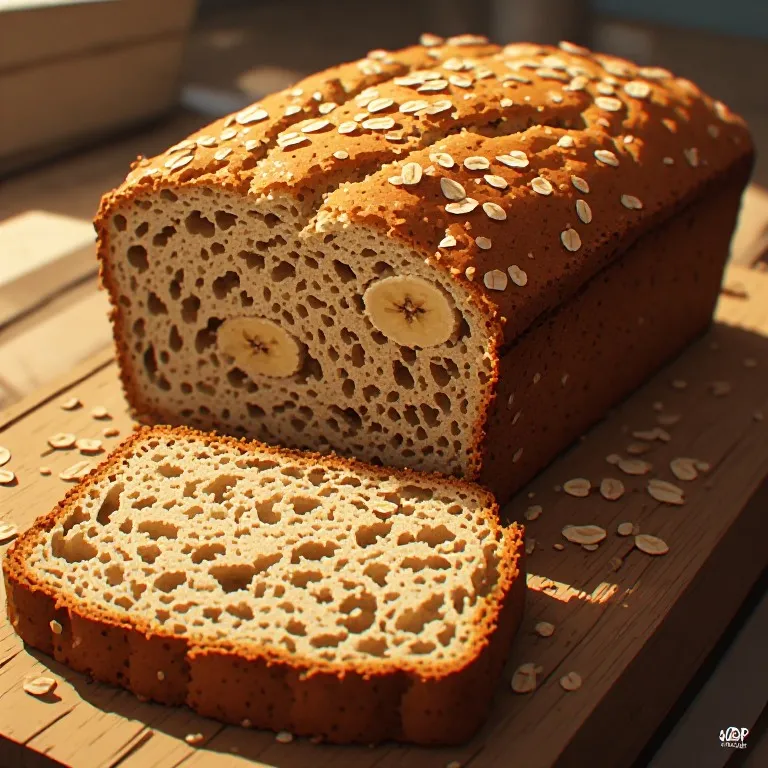
The brown butter banana bread blowing up on TikTok: one extra step transforms the nutty-sweet flavor of a classic loaf into something that tastes expensive and bakery-quality. One bowl, one loaf pan, the blackest bananas you have.

Easy Prep: 20 min Cook: 60 min Total: 1h 20m10 slices (1 standard 9×5 loaf) servings ~$4.50/serving
Prep20 min
Cook60 min
Total1h 20m
Servings
10
At home~$4.50/serving
vs
Restaurant~$20.25/serving
You save ~78%

The Story Behind the Recipe

The brown butter banana bread blowing up on TikTok: one extra step transforms the nutty-sweet flavor of a classic loaf into something that tastes expensive and bakery-quality. One bowl, one loaf pan, the blackest bananas you have.

Nutrition Facts

Per serving (10 slices (1 standard 9×5 loaf) servings)
Calories235
Total Fat9g
Total Carbs36g
Dietary Fiber1g
Sugars20g
Protein4g
Sodium195mg

* Estimated values based on standard recipe preparation. Actual values may vary.

Ingredients

  • Brown butter
  • Wet ingredients
  • Dry ingredients
  • Optional add-ins (pick one or mix)
  • Optional topping

Instructions

💡
Pro tip: This recipe tastes even better the next day. The flavors need time to meld together in the fridge.
❄️
Storage: Keeps in an airtight container in the fridge for up to 2 weeks. Freezer-friendly for up to 3 months.
🎃 Free Halloween cookbook — download now The Copycat Halloween Cookbook A ready-made, photo-illustrated PDF of our best halloween copycat recipes — free to download, no building required. Pay what you want to support if you love it.

Free PDF — instant download. We'll also send new seasonal copycat recipes now and then; unsubscribe anytime. Or just download it →

Viral TikTok Brown Butter Banana Bread

Banana bread is the recipe everyone already has. Brown butter banana bread is the reason #BananaBread keeps trending on TikTok anyway. The upgrade isn’t a new ingredient or a fancier pan — it’s cooking the butter for five extra minutes until the milk solids caramelize, then building the same one-bowl loaf around it. Bakers post the side-by-side, snap a slice apart on camera, and the comments fill with the same line: they can’t go back to plain.

The reason it works is that banana bread is soft, sweet, and one-note by nature — exactly the kind of batter that has room for the nutty, toffee-toasted complexity brown butter brings. You taste more depth in the finished loaf without adding anything to the shopping list.

Why It Went Viral

Plain banana bread doesn’t trend — it’s the most-made quick bread in America and there’s nothing to watch. Brown butter gave creators a visible, teachable transformation: the pale-to-amber color shift in the pan, the “watch it the whole time” tension, and a finished loaf that photographs darker and richer than the version everyone grew up with. The payoff is real rather than performative — unlike a lot of food trends, this one delivers a genuinely better loaf, which is why it keeps resurfacing instead of burning out.

The Two Things That Actually Matter

Nail these and the loaf is excellent; miss them and no amount of good butter saves it:

  • The bananas must be blackened, not just spotty. Black skins mean the starch has fully converted to sugar — sweeter, softer, more banana flavor, more moisture. Yellow-with-spots bananas make a noticeably flatter loaf. In a hurry, bake unpeeled bananas at 300°F for 15–20 minutes until the skins go black, then cool before mashing.
  • Fold, don’t stir. Ten to twelve strokes with a spatula, stopping the instant the dry flour disappears. Every stroke past that develops gluten and trades a tender, moist crumb for a dense, chewy one.
More Viral & Copycat Recipes to Try
  • Brown Butter Chocolate Chip Cookies — the same five-minute browning trick applied to the most-made cookie in America, with the gooey-center bake time dialed in.
  • Protein Banana Bread — 22g of protein per slice using blended cottage cheese, for when you want the same loaf with a macro upgrade.
  • Copycat Starbucks Banana Bread — the dense, walnut-loaded bakery-case slice, made fresh at home for about 35 cents a serving.
🥗

Make It Healthier

Love Viral TikTok Brown Butter Banana Bread — The 10-Minute Upgrade That Changes Everything but want a lighter version? Try these simple swaps:

  • ✓Replace half the all-purpose flour (¾ cup) with white whole wheat flour for added fiber without significantly changing the texture. White whole wheat has the same bran and germ as regular whole wheat but is milled from a lighter-colored variety of wheat — it's noticeably less dense and bitter than red whole wheat. Swap more than half and the loaf becomes noticeably denser.
  • ✓Reduce the brown sugar to ½ cup if your bananas are very black and sweet — deeply overripe bananas add significant natural sugar (a blackened banana can have nearly double the available sugar of a just-ripe one), so the total sweetness stays balanced at a lower added-sugar quantity. The texture will be slightly less moist.
  • ✓Use 4 tablespoons of brown butter and 4 tablespoons of full-fat Greek yogurt in place of the full stick of butter. The yogurt adds back the moisture the missing butter would have contributed, contributes protein, and cuts the fat content roughly in half per slice. The nutty depth from the brown butter comes from the ratio of milk solids to fat, not the total amount of butter — halving it still produces a noticeably brown-butter-flavored loaf.
  • ✓Skip the chocolate chips and add ¼ cup of unsweetened cacao nibs instead. Nibs have the chocolate flavor and the satisfying crunch without added sugar — they are essentially raw, unroasted cocoa beans broken into small pieces. The bitterness of nibs against the sweet, nutty bread is a good contrast.

Frequently Asked Questions

Why does browning the butter make banana bread taste so much better?

Regular melted butter adds fat, moisture, and a mild dairy flavor. Brown butter adds all of that plus a concentrated set of flavor compounds — diacetyl (buttery, almost caramel-like), pyrazines (nutty, toasty), and furans (similar to toffee) — that form when the milk solids in the butter undergo the Maillard reaction at around 250°F. These compounds don't exist in uncooked butter; they're created by the heat. In a banana bread batter that is already sweet and soft, this kind of nutty, toasty complexity is the exact contrast it needs. The result tastes like it has more depth and layers than a plain banana bread — not because you added anything, but because heat converted simple fat into a more complex flavoring agent. The extra time at the stove is about 8 minutes; the flavor difference in the finished loaf is significant.

What's the best way to ripen bananas quickly when mine aren't ripe enough?

Two methods that actually work. Oven method: place unpeeled bananas on a foil-lined baking sheet and bake at 300°F for 15 to 20 minutes until the skins turn fully black and the fruit inside softens to a mash. The heat converts starch to sugar the same way time and natural ripening do. Let them cool completely before mashing — hot bananas will also scramble your eggs. Microwave method: pierce the unpeeled banana several times with a fork, microwave on high for 30 seconds, check, and continue in 30-second intervals until the skin has blackened and the banana is soft when pressed. The sugar conversion is less complete than oven ripening, but it works in 2 to 3 minutes. Neither method produces the full complex flavors that weeks of natural ripening develops (natural ripening also converts flavor-contributing organic acids), but both are significantly better than using a yellow banana.

Can I use salted butter instead of unsalted?

Yes, with one adjustment: omit the ½ teaspoon of salt in the dry ingredients. The amount of salt in a standard stick of salted butter is close to what the recipe adds separately, so you avoid over-salting the loaf. The flaky salt topping is still worth adding. Some bakers prefer salted butter for banana bread specifically because the slight additional saltiness makes the sweet flavors pop — the contrast works in a sweet-dense bread the same way sea salt on a chocolate cookie works. If you keep both the salted butter and the full ½ teaspoon of added salt, the bread will be noticeably salty, which most people find unpleasant here.

Why does my banana bread sink in the middle after baking?

Three common causes, in order of likelihood. First: underbaked center. The outside looks done but the batter at the core was still wet when it came out — steam pressure from the wet center collapses the crumb as it cools. Always toothpick-test the very center, not just an inch in from the edge. Second: too much leavening or bananas. Extra baking soda creates excessive rise that the structure can't support — the bread domes high, then falls. This recipe is calibrated; do not add extra baking soda thinking it will make it fluffier. Too-large or too-many bananas add weight that the structure can't hold. Third: the oven door was opened before the crumb set, usually before the 45-minute mark. Wait until at least 50 minutes before checking. If you get a sunken loaf, it is almost always still edible — the texture at the sunken part will be dense and fudgy rather than light, which many people actually prefer.

What is the miso version and should I try it?

A separate TikTok trend within the brown butter banana bread phenomenon: add 1 to 2 tablespoons of white (shiro) miso paste to the brown butter while it's still warm in the pan, stirring to dissolve it. Miso contains glutamates — the same umami compounds in Parmesan and soy sauce — that in a sweet baked good function as a flavor amplifier and slight savory counterpoint. The result isn't salty or savory in a noticeable way; it just tastes more complex and slightly caramel-forward than the standard version. White miso is the mildest and sweetest variety; red miso would be too strong. Use 1 tablespoon for a subtle effect, 2 tablespoons for something you'll actually taste. If you're making the miso version, skip the chocolate chips — the miso and the chocolate are fighting for the same 'complex depth' slot.

Why does the top of banana bread crack?

The crack is structural and intentional — it's the hallmark of a properly risen quick bread. The batter pours into the pan as a dense, fluid mixture. In the oven, the exterior sets first (it's in contact with the hot metal sides) while the center is still liquid and continuing to rise from the baking soda's leavening action. The rising center pushes up through the partially set top crust, splitting it down the middle. This means the interior was wetter and more active than the exterior during baking, which is exactly what produces a moist, evenly baked loaf rather than one with a doughy center and dry edges. A banana bread that does not crack usually means the batter was overmixed (gluten development stiffened it too much to crack naturally) or the oven was too cool. Some bakers score the top with a buttered knife before baking to guide where the crack forms — purely aesthetic.

Can I make this into muffins instead of a loaf?

Yes. Use a standard 12-cup muffin tin greased or lined with paper cups. Fill each cup about ¾ full. Bake at 375°F (slightly higher than the loaf temperature — muffins need more initial heat to rise quickly) for 18 to 22 minutes until a toothpick comes out clean. The higher heat and smaller portion means they bake faster and develop better dome than at 350°F. The brown butter flavor comes through just as strongly in muffin form. Add the flaky salt topping to each one. The muffins are ready to eat 5 minutes after coming out of the pan — you don't need to wait for them to cool the same way as the full loaf.

Love this recipe? Share it!

Free PDF: our 12 most-wanted copycat recipes — instant download.

Made it? Buy us a coffee

Every recipe here is free, with no paywalls. If this one was a hit at your table, a small tip keeps new copycats coming.

$

Ratings & Reviews

—
No ratings yet

Rate this recipe

Click a star to rate

Leave a Review

0/500

CS

Copycat Spices Editorial

Researched + fact-checked. Every recipe on Copycat Spices is built from published sources — official ingredient lists, brand-published recipes, interviews and food-science references — and fact-checked before it goes live, then written as clear, step-by-step instructions for home cooks of all skill levels.

Learn more about our mission →