

Brown Butter — The 5-Minute Technique That Makes Everything Taste Restaurant-Worthy
It shows up in every other TikTok cooking video for a reason. A chef melts butter, stirs it for a few minutes, and suddenly the kitchen smells like hazelnuts and caramel and something fundamentally deeper than regular butter. The technique is called beurre noisette — brown butter — and it’s been a French kitchen secret for centuries. TikTok just democratized it.
The payoff is enormous relative to the effort. Three minutes of attentive stirring transforms a neutral fat into something with dozens of flavor compounds, and that transformation carries into every dish you add it to.
The Chemistry in Plain English
Butter is roughly 80% fat, 16% water, and 4% milk solids (proteins and lactose). When you melt butter over heat, the water boils off first — that’s the vigorous foam you see. Once the water is gone, the milk solids are left sitting in the hot fat, exposed to temperatures high enough to trigger two simultaneous reactions.
The first is the Maillard reaction: proteins browning and developing hundreds of new flavor compounds, including many of the same ones that make toasted bread, roasted coffee, and seared steak taste complex. The second is lactose (a sugar) caramelizing. Together they create over 100 distinct flavor compounds, including furaneol (caramel), diacetyl (butterscotch), and the methyl pyrazines responsible for that distinctive hazelnut note.
Regular melted butter has none of these compounds. Brown butter has all of them.
The Three Stages and What They Look Like
Knowing what to watch for removes all the guesswork.
Stage 1 — Melting and foam: The butter melts completely and begins foaming aggressively. The foam is steam from the water content. Keep the heat at medium and don’t rush this.
Stage 2 — Foam subsides, browning begins: As the water evaporates, the foam dies down and you can see the butter clearly. Small brown specks appear on the bottom of the pan. Start stirring continuously. The color moves from pale yellow to gold.
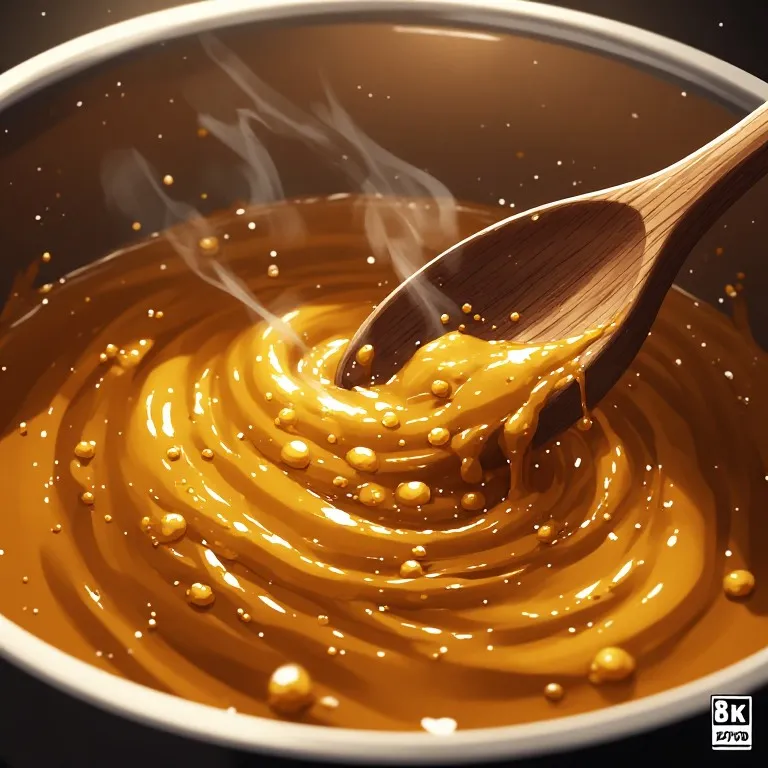
Stage 3 — Hazelnut stage: The specks deepen from gold to amber, the foam is nearly gone, and the smell shifts from neutral butter to a strong nutty aroma. This is your signal. Pull it off the heat and pour it into a waiting bowl RIGHT NOW. This stage lasts maybe 60 seconds before you cross into bitter, burned territory.
Why the Pan Color Matters So Much
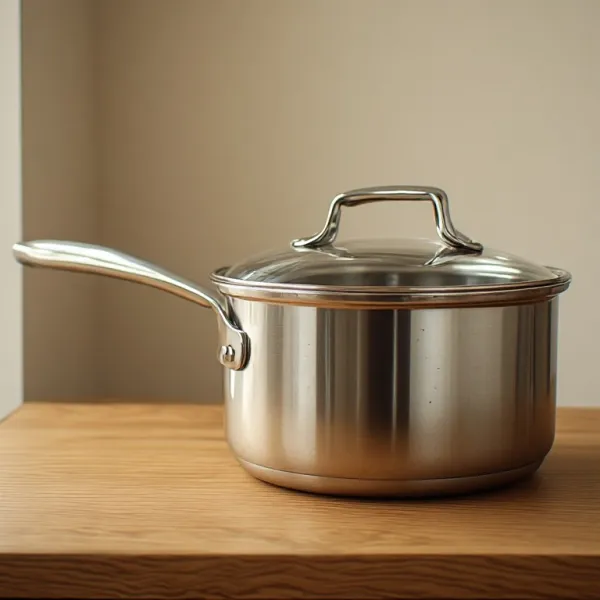
This is the most important piece of equipment advice you’ll ever get for this technique: use a light-colored pan. Stainless steel or enameled cast iron. Not dark nonstick, not a black skillet, not a dark anodized pan.
The milk solids that are browning are tiny. In a dark pan, they’re invisible against the dark surface until they’re burned. In a light pan, you can watch the color shift from pale to gold to amber in real time. The pan color is the difference between a technique you can execute reliably and one that’s a coin flip.
Common Mistakes (and They’re All About Timing)
Walking away. Brown butter demands your full attention for 5 minutes. That’s the entire ask. Set your phone down and watch the pan.
Heat too high. This happens fast enough at medium. High heat turns the window from 60 seconds to 15 seconds and most people miss it.
Leaving it in the hot pan. A cast iron skillet holds heat aggressively. Brown butter that hits the target while still in a hot cast iron will keep cooking for a full minute after you turn off the burner. Pour it out of the pan into a bowl to stop the process.
Using it in cookies without chilling the dough. Brown butter is liquid and warm. Substituting it 1:1 in a cookie recipe creates a flat, greasy cookie. Let it solidify in the fridge first, or account for the extra liquid by reducing by 1 tablespoon per stick.
Beyond the Basic Technique: The Variations That TikTok Made Famous
Brown butter sage sauce: Add fresh sage leaves to the hot brown butter right after pulling from heat. They’ll crisp up in seconds and turn into paper-thin, intensely fragrant chips. Toss with ravioli and grated parmesan.
Brown butter cookies: The technique is why Nick DiGiovanni’s and similar viral chocolate chip cookie recipes taste “different.” Browning the butter gives the cookie a toffee-caramel depth that regular butter simply cannot provide.
Brown butter finish: A small drizzle (half a tablespoon) over scrambled eggs, risotto, or roasted cauliflower at the very end of cooking is one of the highest-impact, lowest-effort upgrades in all of cooking. The flavor is concentrated enough that you need much less than you think.
This is a foundational technique. Learn it once, use it everywhere.