

Pin It

Viral TikTok Brown Butter Gnocchi (Crispy, No-Boil, 20 Minutes)

Viral TikTok Brown Butter Gnocchi (Crispy, No-Boil, 20 Minutes)
Jump to Recipe
Prep 5 min Cook 15 min Serves 2–3
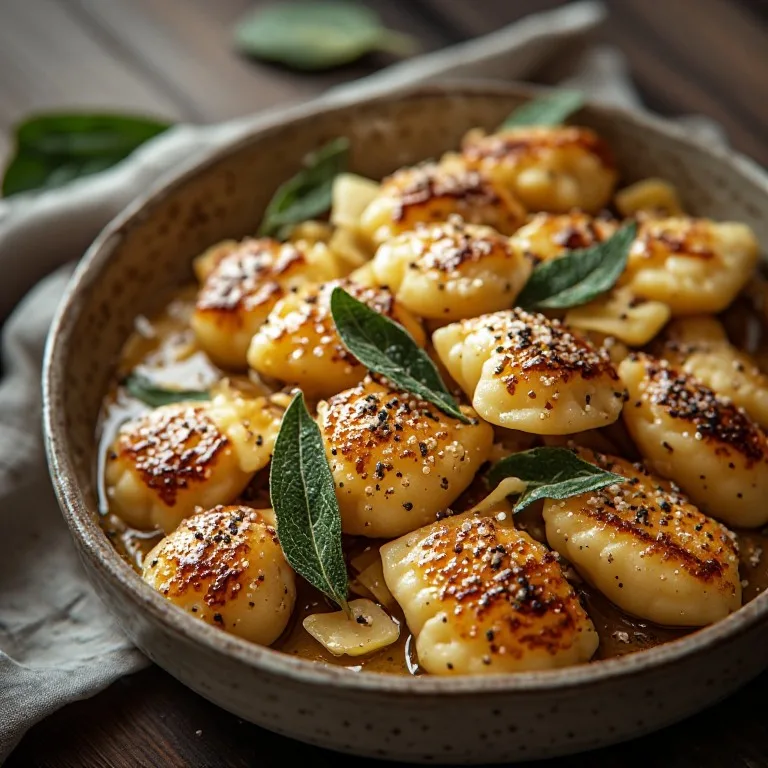
Quick answer: Heat a large stainless steel or cast iron skillet over medium-high for 2 minutes. Add 1 tablespoon of neutral oil, then add 1 lb of store-bought gnocchi in a single layer — do NOT boil first. Leave completely undisturbed for 2½ minutes until a deep golden crust forms on the bottom. Shake to flip and cook 1½ minutes more. Remove gnocchi to a plate. Reduce heat to medium. Add 4 tablespoons of unsalted butter. Cook, stirring occasionally, until the butter melts, foams, then goes quiet — the foam settles and milk solids on the bottom turn golden-brown with a toasted, hazelnut smell. This takes 3 to 4 minutes from melting. Add 12 to 15 fresh sage leaves all at once — they sizzle for 30 seconds until crispy. Scoop out with a spoon. Add 3 thinly sliced garlic cloves to the brown butter and cook 45 seconds until golden at the edges. Return gnocchi, toss to coat, season with salt, black pepper, and a pinch of nutmeg. Plate. Scatter crispy sage and freshly grated Parmesan over top.

Shop the tools

Gear matched to this recipe. These are Amazon affiliate links — we may earn a small commission if you buy, at no extra cost to you.

As an Amazon Associate, Copycat Spices earns from qualifying purchases. Product images are generic illustrations, not the exact item listed.

Viral TikTok Brown Butter Gnocchi (Crispy, No-Boil, 20 Minutes)

The viral no-boil gnocchi method: pan-fry store-bought gnocchi straight from the package for a crispy golden crust, then toss in nutty brown butter with crispy sage. Ready in 20 minutes.

Easy Prep: 5 min Cook: 15 min Total: 20 min2–3 servings ~$4.50/serving
Prep5 min
Cook15 min
Total20 min
Servings
2
At home~$4.50/serving
vs
Restaurant~$20.25/serving
You save ~78%

The Story Behind the Recipe

The viral no-boil gnocchi method: pan-fry store-bought gnocchi straight from the package for a crispy golden crust, then toss in nutty brown butter with crispy sage. Ready in 20 minutes.

Nutrition Facts

Per serving (2–3 servings)
Calories510
Total Fat26g
Total Carbs58g
Dietary Fiber3g
Protein14g

* Estimated values based on standard recipe preparation. Actual values may vary.

Ingredients

  • For the gnocchi
  • For the brown butter sage sauce
  • To finish

Instructions

💡
Pro tip: This recipe tastes even better the next day. The flavors need time to meld together in the fridge.
❄️
Storage: Keeps in an airtight container in the fridge for up to 2 weeks. Freezer-friendly for up to 3 months.
🎃 Free Halloween cookbook — download now The Copycat Halloween Cookbook A ready-made, photo-illustrated PDF of our best halloween copycat recipes — free to download, no building required. Pay what you want to support if you love it.

Free PDF — instant download. We'll also send new seasonal copycat recipes now and then; unsubscribe anytime. Or just download it →

The TikTok Technique That Changed Store-Bought Gnocchi

For most people, cooking gnocchi means boiling a pot of water, dropping in the little pillows, waiting for them to float, and then tossing with whatever sauce they had planned. The result is soft, tender, slightly sticky gnocchi — fine, but nothing that photographs or tastes like the golden, crispy version all over TikTok.

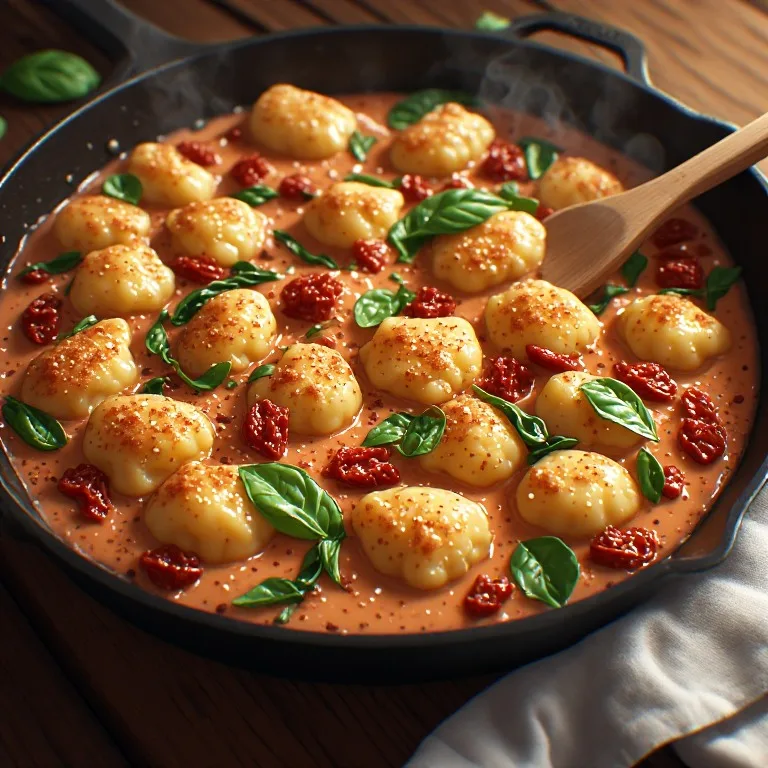
The discovery: store-bought gnocchi does not need boiling. Skip the water entirely, heat a dry stainless steel pan until shimmering, add a splash of oil, and lay the gnocchi flat. Leave them alone for 2½ minutes. What forms is a deep mahogany crust that crunches audibly when you bite through it — underneath, the interior is still fluffy and soft. The contrast is the entire point.

Brown butter with crispy sage is the perfect match: the butter’s nutty, toasted notes reinforce the Maillard crust on the gnocchi, and the fried sage adds a fragile, crackly texture that makes every bite different. The dish takes 20 minutes and uses six real ingredients.

The Three Failure Modes

1. Boiling first. The most common mistake. Boiling adds water to the surface of the gnocchi, and water is the enemy of crispness. A wet surface drops the pan temperature on contact, creates steam, and prevents the Maillard reaction that forms the crust. Store-bought gnocchi is already cooked — it needs heat to warm through, not a second cooking in water. Go straight from the package to the hot pan.

2. Under-browning the butter. Most people stop at golden butter. Brown butter — beurre noisette — is butter cooked past melting and foaming until the milk solids turn amber and the fat smells like hazelnut or toasted popcorn. That toasted smell is a signal: the milk proteins have undergone the Maillard reaction, producing hundreds of new flavor compounds that regular butter lacks. The difference in flavor between golden melted butter and true brown butter is large enough to taste in a single bite. Brown butter takes 3 to 4 minutes past melting. Pull it the moment the smell turns nutty — it goes from perfect to burnt in about 45 seconds.

3. Crowding the pan. A single pound of gnocchi barely fits in a 12-inch skillet in a single layer. In a 10-inch skillet, it crowds immediately and the gnocchi steam each other instead of frying. Each piece needs direct contact with the hot pan surface — that is the only surface that can produce a crust. When gnocchi are stacked or touching, the trapped steam between them keeps the surface wet. Cook in batches if your pan is smaller than 12 inches.

Why Stainless Steel or Cast Iron, Not Non-Stick

Non-stick pans have a working temperature limit — most PTFE-coated pans are rated to around 400–500°F before the coating degrades. That is below the surface temperature needed for deep gnocchi browning. The result with non-stick: pale golden gnocchi that tastes fine but does not have the dark crust and textural contrast that makes the TikTok version distinct.

Stainless steel and cast iron can reach and maintain higher surface temperatures. Both also build a better fond — the browned bits left in the pan after the gnocchi are removed that dissolve into the butter and deepen its flavor. That fond is part of the sauce.

If you only have non-stick: use it, accept slightly lighter browning, and extend the pan-frying time by 1 to 2 minutes per side.

Understanding Brown Butter (Beurre Noisette)

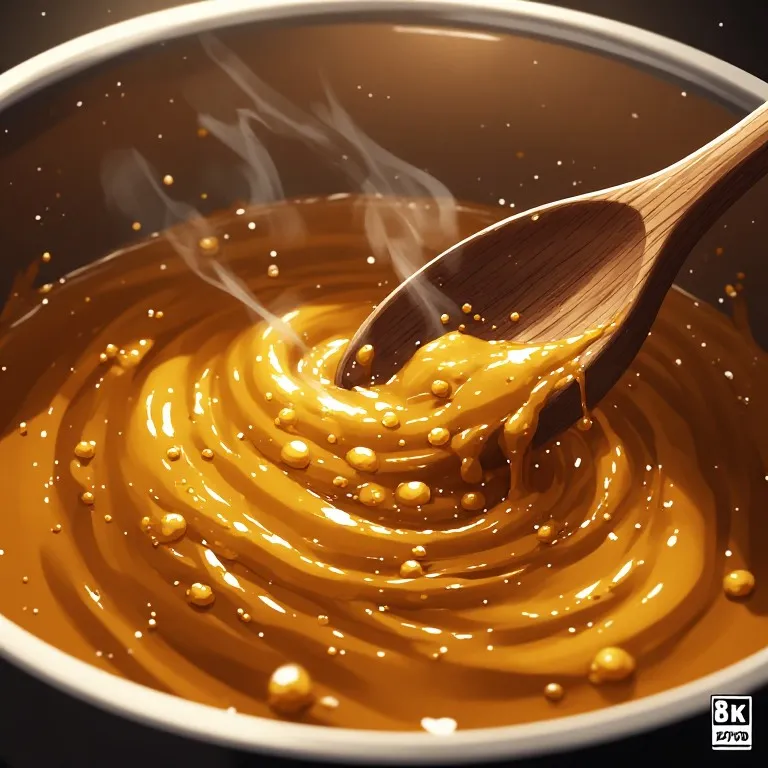
Brown butter is butter cooked until the water evaporates and the milk solids toast. The stages:

  • Melting (0–2 min): Butter liquefies, water begins evaporating. Smells like melted butter.
  • Foaming (2–3 min): The water evaporates aggressively, producing foam. The butter looks opaque and white-ish on the surface.
  • Subsiding (3–4 min): The foam quiets as the water is nearly gone. The butter clears. The milk solids settle to the bottom of the pan.
  • Browning (4–5 min): The milk solids at the bottom begin to color. First pale tan, then golden-amber. At golden-amber, the smell turns distinctly nutty — hazelnut, popcorn, toasted bread. This is the target. Pull the pan off the heat immediately.

The pan retains heat and will continue browning the butter for 15 to 20 seconds after you remove it from the flame. Tilt the pan to pool the butter and keep it moving to prevent hot spots from overcooking one part while the rest is still pale.

For a deep dive into the technique, including what to do with brown butter beyond gnocchi, see the brown butter technique guide.

Fresh Sage: The Herb That Crisps in Butter

Sage fried in butter is one of the oldest preparations in Italian cooking — native to Northern Italy’s burro e salvia tradition. The reason it works: sage has a relatively high oil content and low moisture compared to most fresh herbs. When it hits hot butter, the moisture flash-evaporates instantly and the leaf crisps in 30 to 45 seconds without absorbing much butter.

The result: a leaf that is papery, fragile, and intensely herbaceous — nothing like dried sage, which is dusty and sharp. It shatters when you bite through it.

Two rules: use fresh sage only (dried burns before it crisps), and remove the leaves the moment they stop sizzling (sizzle = moisture escaping; silence = moisture gone; continued heat after silence = burning).

Variations That Work

Lemon and caper. After returning the gnocchi to the pan, add 2 tablespoons of capers (drained, patted dry) and squeeze half a lemon over everything. The acidity cuts through the butter’s richness and the capers add a briny, savory note. Skip the Parmesan; finish with fresh parsley instead.

Mushroom and brown butter. Before adding the gnocchi for the first time, sauté 8 oz of sliced cremini or shiitake mushrooms in 1 tablespoon of butter over medium-high until deeply golden and most of their moisture has evaporated (about 8 minutes — don’t rush this). Set aside with the cooked gnocchi. Return both to the pan with the sage brown butter at the end.

Butternut squash. Toss 2 cups of ½-inch butternut squash cubes with 1 tablespoon olive oil, salt, and pepper. Roast at 400°F for 20 minutes until tender and caramelized at the edges. Fold into the gnocchi with the brown butter. The squash adds sweetness, color, and a seasonal fall quality that makes the dish feel like October.

Ricotta enrichment. For a creamier version: after tossing the gnocchi in the brown butter, pull the pan off heat and add 3 tablespoons of whole-milk ricotta. Toss gently — the residual heat melts the ricotta into the butter and coats each piece. The sauce goes from glossy-thin to slightly creamy. Finish with Parmesan and a pinch more nutmeg.

What Makes This Fall-Specific

Brown butter and sage together are the flavor combination most associated with autumn cooking — not because of any rule, but because both become richer at cooler temperatures and both pair naturally with fall produce: squash, sweet potatoes, and root vegetables all benefit from the same nutty, herby sauce. The dish also takes 20 minutes, which matters when you want something substantial but do not want to spend an hour at the stove after the weather has turned.

The gnocchi themselves feel heavier and more satisfying than pasta — denser, slightly chewy, with the potato base creating a filling quality that lighter pasta shapes do not have. A plate of this at the end of a cold fall evening is exactly the kind of meal people search for in September and October.

Storage and Reheating

Leftover gnocchi loses its crispness within about 20 minutes of being dressed. Store leftovers without the Parmesan in an airtight container for up to 3 days.

To reheat: spread the gnocchi in a single layer in a dry skillet over medium heat. Cook undisturbed for 2 minutes, then toss and cook 1 minute more. The original crust will not fully restore, but a fresh light crust will form. The brown butter absorbed into the gnocchi during the first cook will prevent them from drying out on reheat.

The sage does not keep well — it goes limp in the refrigerator overnight. Fry a fresh batch of sage for 30 seconds in 1 teaspoon of butter if you are reheating as a full meal.
Frequently Asked Questions

Why don't I boil the gnocchi first?

Boiling store-bought gnocchi before pan-frying defeats the point of pan-frying. The boiling water soaks into the surface of the gnocchi, making it wet. A wet surface cannot form a crust — instead, the moisture steams off in the pan, dropping the surface temperature and producing pale, gummy gnocchi that sticks to everything. The TikTok discovery that made this dish go viral is that store-bought gnocchi — refrigerated, shelf-stable, or vacuum-packed — is already cooked or semi-cooked in the production process. It does not need additional cooking. It needs heat only to warm through and crisp the surface. Going straight from package to dry hot pan skips the water-soaking step entirely and produces a crust in 2½ to 3 minutes.

What kind of gnocchi works best — refrigerated, shelf-stable, or vacuum-packed?

All three work for this technique. Refrigerated gnocchi (often found near fresh pasta) tends to be slightly more delicate — pat the surface dry before cooking. Shelf-stable gnocchi (aisle, shelf at room temperature, in a sealed bag) has the driest surface straight out of the package and crisps the most reliably. Vacuum-packed gnocchi (found near refrigerated pasta or at Italian specialty stores) is similar to refrigerated but usually denser. Avoid homemade gnocchi for this recipe — homemade gnocchi is softer and higher in moisture, and it tends to tear or stick during high-heat pan-frying. If you want to use homemade gnocchi, chill it for at least 30 minutes on a floured tray first to firm the surface.

My gnocchi is sticking to the pan and falling apart. What went wrong?

Three possible causes. First, the pan was not hot enough when the gnocchi went in — the gnocchi should sizzle sharply on contact; if it did not, the oil temperature was too low and the gnocchi began to cook by absorption rather than immediate searing. Second, you tried to move the gnocchi before the crust formed — sticking is normal in the first 2 minutes, and forcing them off early tears the surface. Third, the gnocchi had moisture on the surface — pat them dry before they go in the pan. If you are already partway through and gnocchi are tearing, reduce the heat slightly, stop stirring, and let any loose pieces stay until a light crust forms on their surface.

How do I know when the butter is browned and not burnt?

Brown butter passes through clear sensory stages. During melting and foaming, it smells like butter. As the foam quiets, it starts to smell nutty — like popcorn, hazelnut, or toasted bread. That nutty smell is the target. At the same time, the milk solids at the bottom of the pan transition from white to golden-amber. Those two signals arriving simultaneously (nutty smell + golden solids) mean the butter is done. Burnt butter smells sharp and slightly acrid rather than nutty, and the solids turn dark brown or black. Once you smell acrid, the butter is past saving — start over. Brown butter takes about 3 to 4 minutes from when the butter fully melts; the entire process from adding cold butter is about 5 minutes. Stay at the stove.

Can I make this ahead of time?

You can pan-fry the gnocchi up to 30 minutes ahead and hold them on a wire rack at room temperature — they will stay mostly crispy. Do not make the brown butter ahead: brown butter re-warmed from solid does not have the same character, and the sage will not re-crisp once it has sat. Make the brown butter and sage right before serving, then toss the gnocchi in the warm butter and plate immediately. Leftovers reheat reasonably well in a dry pan over medium heat — a minute per side restores some crispness. Microwaving produces soggy gnocchi.

I don't have fresh sage. What can I substitute?

Fresh sage is strongly preferred for this recipe — the whole point of frying sage in butter is the contrast between the crispy herb and the rich sauce, and dried sage crumbles rather than crisps. If you cannot find fresh sage: fresh thyme sprigs work well (fry for 30 seconds just as you would the sage), and fresh rosemary (2 to 3 sprigs, removed before plating) infuses the butter without being served as a crispy garnish. Dried herbs added to the butter tend to burn before the butter browns. Another option: skip the herb entirely and add 1 teaspoon of white miso to the butter after browning — stir until dissolved. It adds an umami depth and nuttiness that complements the Parmesan.

Love this recipe? Share it!

Free PDF: our 12 most-wanted copycat recipes — instant download.

Made it? Buy us a coffee

Every recipe here is free, with no paywalls. If this one was a hit at your table, a small tip keeps new copycats coming.

$

Ratings & Reviews

—
No ratings yet

Rate this recipe

Click a star to rate

Leave a Review

0/500

CS

Copycat Spices Editorial

Researched + fact-checked. Every recipe on Copycat Spices is built from published sources — official ingredient lists, brand-published recipes, interviews and food-science references — and fact-checked before it goes live, then written as clear, step-by-step instructions for home cooks of all skill levels.

Learn more about our mission →