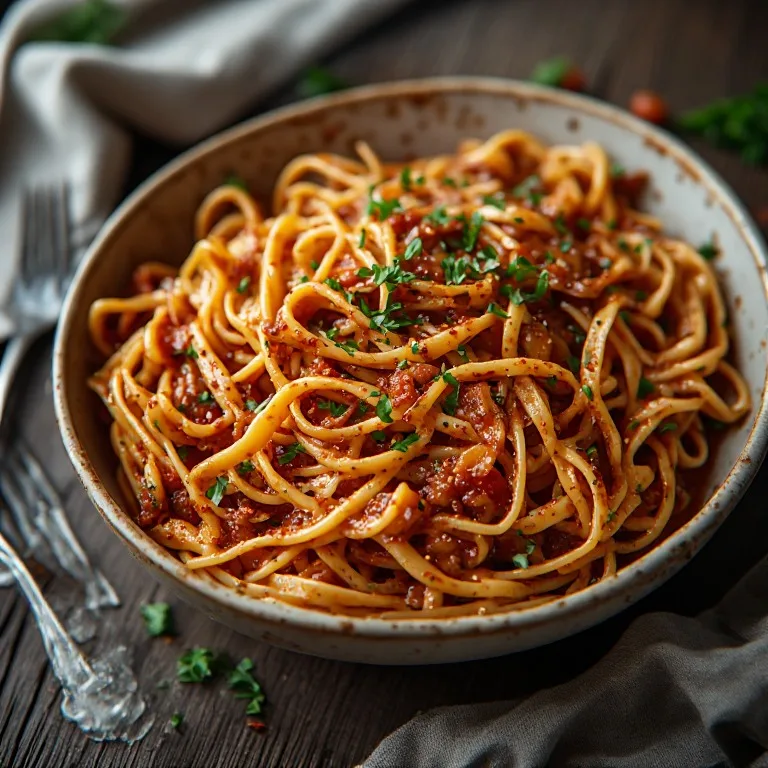



The first time Alison Roman published her caramelized shallot pasta in The New York Times Cooking section, it quietly sat in the archives. Then it hit TikTok. Then it hit again. And again. As of 2026, it’s one of the most re-shared recipes on the platform — not because of a gimmick or a shortcut, but because it is genuinely, surprisingly one of the best pasta recipes on the internet, and it delivers on what it promises: deep, savory, complex flavor from a handful of inexpensive pantry ingredients.
The trick is patience with the shallots and no fear of anchovies.
Why This Recipe Keeps Going Viral
Most viral pasta recipes rely on something novel — a trending cheese, an unexpected ingredient, a visual trick. This recipe is different. It goes viral repeatedly because people make it expecting something interesting and get something genuinely exceptional.
The shallots caramelize into something sweeter and more complex than either raw shallots or raw onions. The anchovies dissolve into pure savory salt — every food writer who has made this notes their surprise at detecting zero fishiness in the finished dish. And the tomato paste, used in a quantity most pasta recipes never approach, caramelizes directly in the oil into a concentrated, rounded base that tastes like a sauce that took hours.
None of this is hard. The technique is just patience and heat.
The One Step That Matters: Caramelizing the Shallots
You will be tempted to turn up the heat. Don’t.
Caramelization — the conversion of sugars into brown, complex-tasting compounds — happens at around 320°F (160°C). Shallots, which contain more natural sugar than yellow onions, caramelize beautifully at this temperature. But water also needs to evaporate first, which happens between 212°F and 300°F, and the shallots contain a lot of it.
At medium-high heat:
- The water evaporates steadily without burning the sugars
- The shallots slowly collapse from crunchy and sharp to silky and sweet
- The edges begin to crisp and brown while the interiors stay jammy
At too-high heat:
- The exterior burns before the interior cooks through
- You get bitter, charred edges and undercooked, raw-tasting centers
- The sauce tastes harsh instead of sweet
15 to 20 minutes is not an exaggeration or a recipe-writer’s hedge. It’s the actual time needed. Set a timer. Stir every 3–4 minutes. The shallots will look like they haven’t changed at 5 minutes. At 10 minutes they start collapsing. At 15 minutes they’re golden-brown and sweet-smelling. That’s when you add the anchovies.
The Anchovy Question
The anchovies are non-negotiable for flavor — but negotiable for dietary reasons (see the vegan FAQ). Here’s why they work even for anchovy skeptics:
Anchovies are about 40% protein by dry weight. Those proteins — glutamate and inosinate in particular — are among the most powerful umami compounds in food. Anchovies don’t flavor a dish by tasting like fish; they flavor a dish by amplifying and deepening everything else in the pan. The same mechanism is why Worcestershire sauce (anchovy-based) tastes nothing like fish, and why Caesar dressing (also anchovy-based) tastes like a superior salad dressing rather than a fish condiment.
When you add anchovies to hot oil and stir, the heat breaks the fillets down in about 2 minutes. The proteins denature and dissolve; the fish character — volatile aromatic compounds that read as “fishy” — cooks off with the steam. What’s left behind is salt, glutamate, and fat. No fishiness. Pure savory depth.
What to Serve With It
This pasta is rich and intensely savory, so it pairs well with simple, acidic, or bitter accompaniments:
- A sharp green salad with lemon and olive oil — arugula or watercress are ideal
- Roasted broccolini or broccoli rabe (the bitterness cuts the richness)
- Crusty bread to get the sauce off the pot
- A glass of medium-bodied red wine — Chianti, Barbera d’Asti, or a simple Côtes du Rhône
Skip cream-based starters; the pasta is rich enough on its own.
Common Mistakes
Not slicing the shallots thin enough. Thick slices don’t caramelize evenly — the outside browns while the inside stays raw. Paper-thin rings caramelize through completely, becoming silky rather than partially crunchy.
Turning up the heat because the shallots look like nothing is happening. The first 8–10 minutes of medium-high shallot cooking looks essentially unchanged. This is correct. The water is slowly evaporating. Trust the process; the color change accelerates quickly once the moisture is gone.
Adding too little pasta water. The pasta water is the mechanism that turns the caramelized tomato-shallot paste into a sauce that actually flows and coats. Most cooks need more than they think — start with ½ cup and keep adding until the sauce is glossy and clings to the pasta rather than sitting as a thick deposit at the bottom of the pot.
Not tasting and adjusting at the tomato paste stage. This is the moment to calibrate. Tomato paste varies in salt level and acidity by brand. Taste the caramelized shallot-tomato base before adding pasta and add salt, black pepper, or red-pepper flakes if needed. Adjusting once the pasta is in the pan is harder.
The Best Pasta for This Sauce
The sauce is smooth, oil-based, and flows easily — it needs pasta with texture to cling to.
| Best choices | Why |
|---|---|
| Linguine | The original — narrow ridges hold the sauce; width is perfect for the sauce-to-pasta ratio |
| Spaghetti or spaghettoni | Thicker than spaghetti, great surface area |
| Rigatoni | Ridged tubes trap sauce inside and out |
| Fusilli | Spiral shape holds sauce in every groove |
Avoid smooth bucatini or wide flat pasta like pappardelle — the sauce flows off rather than clinging.
Variations Worth Trying
With burrata. Plate the pasta and tear a burrata ball over the top immediately before serving. The creamy center pools into the sauce and tempers the intensity. Stunning.
With toasted bread crumbs. Toast ½ cup of panko in 1 tablespoon of olive oil until golden. Scatter over each serving for crunch. Called “poor man’s Parmesan” in Southern Italy, it adds textural contrast the pasta benefits from.
Spicier version. Double the red-pepper flakes (2 teaspoons) and finish with a drizzle of chili oil. The sauce can handle the extra heat — the shallot sweetness balances it.
With a fried egg. Make the full recipe and top each bowl with a crispy fried egg. The runny yolk mixes into the pasta water–emulsified sauce and makes it richer without cream.