


Pin It

Viral TikTok Tomato Smash Pasta (The One-Pan Trick That Cooks the Sauce While You Brown the Beef)

Viral TikTok Tomato Smash Pasta (The One-Pan Trick That Cooks the Sauce While You Brown the Beef)
Jump to Recipe
Prep 5 min Cook 20 min Serves 4 servings
Quick answer: Cut the bottom off 6 large tomatoes so they sit flat, stand them cut-side down around the edge of an oiled skillet, add diced onion in the center, cover and cook 8 minutes over medium heat until the skins blister and loosen. Slide the tomatoes to the side, brown 1 lb ground beef in the center. Peel the skins off — they slip right off — and smash the tomatoes directly into the beef. Add 4 cloves minced garlic, 2 tbsp tomato paste, ½ cup parsley, 1 tsp each paprika/thyme/oregano/salt/pepper. Stir in ¾ cup shredded mozzarella + ¾ cup shredded cheddar until melted. Toss with 8 oz cooked pasta. Done.

Shop the tools

Gear matched to this recipe. These are Amazon affiliate links — we may earn a small commission if you buy, at no extra cost to you.

As an Amazon Associate, Copycat Spices earns from qualifying purchases. Product images are generic illustrations, not the exact item listed.

Viral TikTok Tomato Smash Pasta (The One-Pan Trick That Cooks the Sauce While You Brown the Beef)

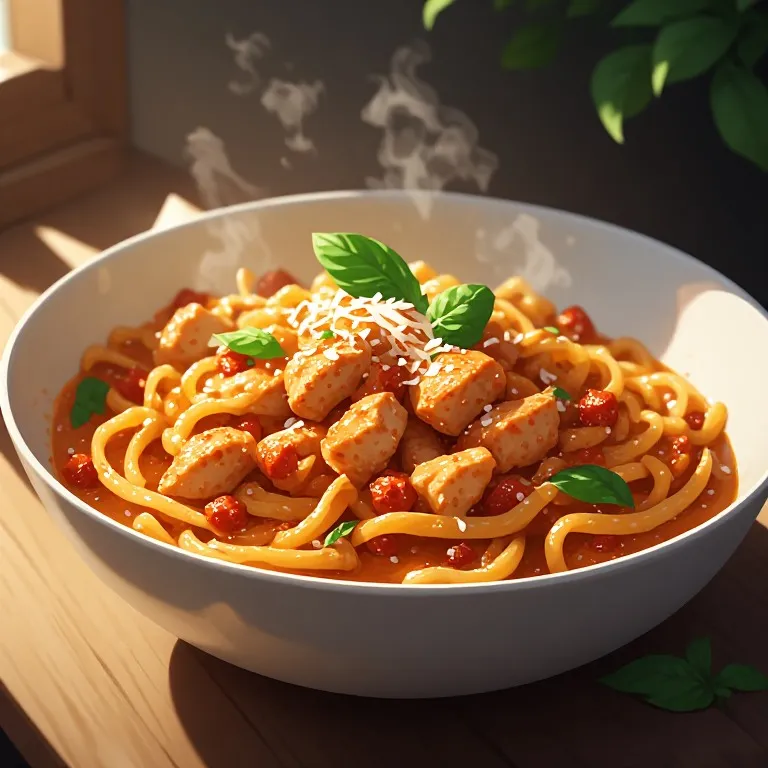
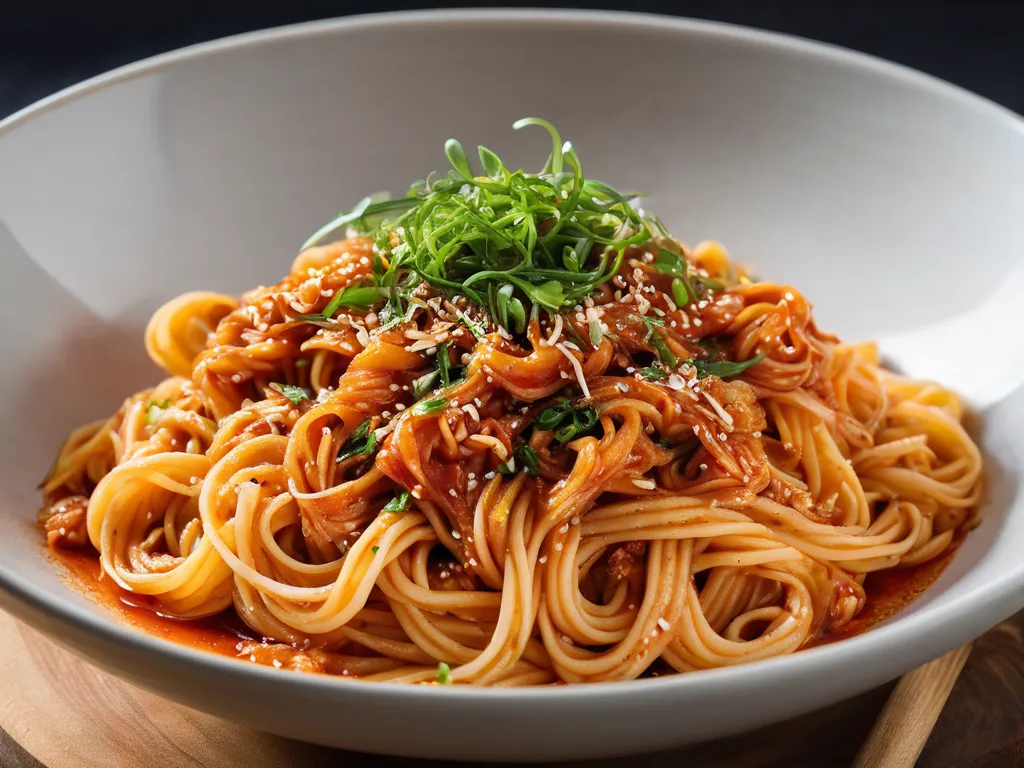
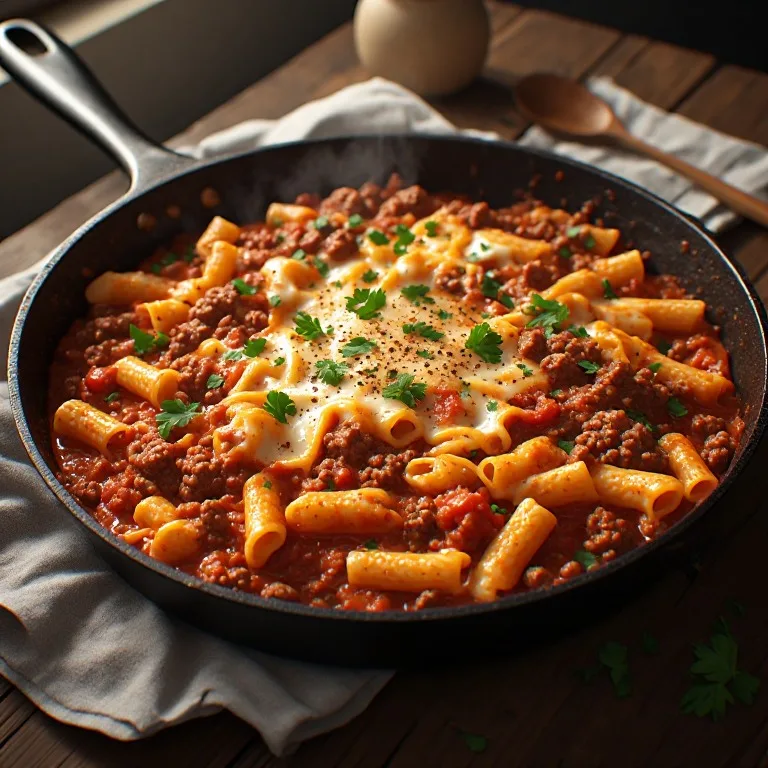
The TikTok pasta that cooks whole fresh tomatoes standing up around the edge of the pan, lets them steam until the skins slip off, then smashes them directly into ground beef for a chunky, jammy sauce that tastes like it simmered for hours — in 20 minutes.

Easy Prep: 5 min Cook: 20 min Total: 25 min4 servings servings ~$4.50/serving
Prep5 min
Cook20 min
Total25 min
Servings
4
At home~$4.50/serving
vs
Restaurant~$20.25/serving
You save ~78%

The Story Behind the Recipe

The TikTok pasta that cooks whole fresh tomatoes standing up around the edge of the pan, lets them steam until the skins slip off, then smashes them directly into ground beef for a chunky, jammy sauce that tastes like it simmered for hours — in 20 minutes.

Nutrition Facts

Per serving (4 servings servings)
Calories740
Total Fat41g
Total Carbs52g
Dietary Fiber4g
Sugars8g
Protein38g
Sodium720mg

* Estimated values based on standard recipe preparation. Actual values may vary.

Ingredients

Instructions

💡
Pro tip: This recipe tastes even better the next day. The flavors need time to meld together in the fridge.
❄️
Storage: Keeps in an airtight container in the fridge for up to 2 weeks. Freezer-friendly for up to 3 months.
🎃 Free Halloween cookbook — download now The Copycat Halloween Cookbook A ready-made, photo-illustrated PDF of our best halloween copycat recipes — free to download, no building required. Pay what you want to support if you love it.

Free PDF — instant download. We'll also send new seasonal copycat recipes now and then; unsubscribe anytime. Or just download it →

The video hook is simple: someone stands six whole tomatoes upright around the edge of a skillet — no cutting, no peeling, nothing — covers it with a lid, and eight minutes later the skins are peeling off on their own. Then the tomatoes get smashed directly into the browned beef in the center, two kinds of cheese go in, the pasta follows, and the whole thing is on the table in twenty minutes.

That’s the viral TikTok tomato smash pasta. The technique is the content, and the technique is also why the recipe actually tastes good.

Why This Works When Simpler Pasta Sauces Don’t

Most fast weeknight pasta sauces use canned tomatoes and meat together from the start, simmering long enough to meld. The smash pasta inverts this: the tomatoes cook separately (in their own steam, under a lid, standing upright around the edge of the pan) while the onion goes soft in the center. Then they’re smashed into the already-browned beef.

The separation matters. Steam-cooking a whole tomato concentrates its flavor in a way that adding quartered tomatoes to a wet pan doesn’t. The tomato’s moisture becomes its own cooking medium — the flesh intensifies, the skin loosens completely, and when you smash it into the pan you get chunky, jammy pieces rather than a homogeneous purée. Pockets of sweet tomato. Bits of char. Irregular texture that you’d expect from something that cooked much longer.

The second thing that makes it work: 80/20 ground beef. When the beef cooks and releases its fat, that fat sits in the pan. When you smash the tomatoes in, the tomato juice and beef fat emulsify — naturally, without cream or butter — and when you stir in the cheese, you get a glossy, coating sauce that clings to every piece of pasta. This is not a light dish. It’s the right kind of not-light.

The Skin-Peel Moment

This is why it’s a TikTok recipe and not just a pasta recipe: eight minutes under the lid, and the skins are done. Grab them with tongs and they come off in one piece, like pulling off a jacket. No blanching. No ice bath. No scoring. The steam does it entirely.

Ripe tomatoes peel more easily than underripe ones — the skin separates cleanly from the flesh. If your tomato skins are stubborn, they probably needed another two minutes. Cover and give them more time.

Sauce Texture: Chunky, Not Smooth

After the skins are off, use the back of a wooden spoon or a potato masher and smash the tomatoes directly into the pan. Don’t aim for uniformity. The original TikTok videos show a rough, irregular smash — some pieces the size of a thumbnail, some smaller, with visible juice and pulp mixed through the beef. This is correct. If you blend or press everything into a smooth sauce, you’ve made a standard Bolognese, which is good but not the same thing.

The cheese (mozzarella for stretch, cheddar for sharpness) goes in after the tomato-beef mixture is sauced and seasoned. Reduce to medium-low before adding the cheese — too much heat and the proteins tighten instead of melt, giving you a grainy texture rather than a glossy one. Stir continuously for about a minute and it comes together.

Variations Worth Making

Spicy version: Add ½ teaspoon red pepper flakes with the garlic, or a tablespoon of calabrian chili paste at the sauce stage. The heat cuts through the richness of the cheese.

Italian sausage instead of beef: Remove casings from 1 lb sweet or hot Italian sausage. Brown and crumble as you would the beef. Skip the paprika and oregano — the sausage is already seasoned. The result is more herby and garlicky, slightly richer.

Vegetarian: Omit the beef. Sauté 2 cups sliced mushrooms until browned and dry in the center of the pan while the tomatoes steam — the mushrooms provide the same umami and texture as the beef. Add a tablespoon of olive oil or butter to make up for the missing fat before adding cheese.

With fresh basil: Swap the parsley for fresh basil, added off heat (basil turns dark and bitter if it cooks). The basil version tastes more traditionally Italian; the parsley version is brighter and greener.

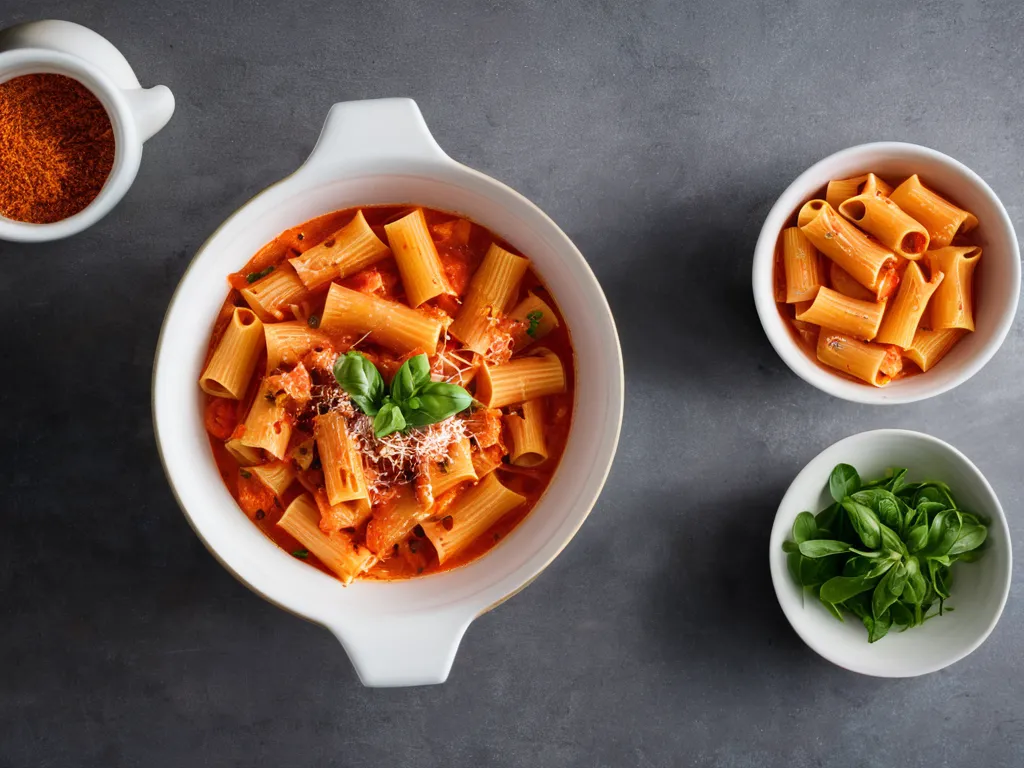
Pair with any pasta that traps sauce — rigatoni, penne, ziti, or fusilli. For a more complete meal, a simple green salad with red wine vinegar dressing cuts through the richness. If you like this one-pan, smash-and-sauce approach, our baked feta pasta uses the same whole-ingredient-in-pan logic with a completely different flavor profile, and the gochujang pasta is for the nights you want the same satisfying one-pan depth with a spicy-savory Korean direction.
🥗

Make It Healthier

Love Viral TikTok Tomato Smash Pasta (The One-Pan Trick That Cooks the Sauce While You Brown the Beef) but want a lighter version? Try these simple swaps:

  • ✓Swap ground beef for 93/7 lean ground turkey — the sauce will be slightly less rich (the beef fat emulsifies with the tomatoes), but still works well. Add an extra tablespoon of olive oil to compensate for the lower fat content.
  • ✓Use whole wheat or legume-based pasta (like chickpea or lentil pasta) to add fiber and protein while keeping the same technique. Cook to al dente — legume pastas become mushy quickly.
  • ✓Skip the cheddar and use only mozzarella for a lighter, more Italian-leaning flavor profile. Or replace both cheeses with a small amount of grated Parmigiano-Reggiano for a sharper, saltier note — use about ½ cup instead of the full 1½ cups total.
  • ✓Add a big handful of fresh spinach or arugula at the very end (after cheese is melted, before tossing with pasta). The residual heat wilts it in 30 seconds — adds nutrients without changing the cooking process.

Frequently Asked Questions

Why do you place the tomatoes standing upright instead of just quartering them?

The upright position traps steam inside each tomato individually. When you cover the pan, the lid holds moisture and the tomatoes essentially steam from the inside out — concentrating their flavor and creating the blistered, peel-away skin effect. If you just quarter them and add them flat, they cook in the pan moisture rather than their own steam, and you don't get the same skin-peeling payoff or the concentrated jammy interior.

Can I use canned tomatoes instead of fresh?

You can, but you lose the technique. A 28-oz can of whole peeled tomatoes skips the standing/steaming step entirely — just add them directly and smash. The result tastes more like a standard weeknight meat sauce rather than something distinctive. The fresh tomato smash is the point of the recipe; if you're using canned, there are faster and simpler meat sauces to make.

What kind of tomatoes work best?

Ripe Roma tomatoes are ideal — lower moisture, meatier flesh, concentrated flavor. Beefsteak tomatoes work and give a juicier, slightly looser sauce. Cherry tomatoes technically work but require adjusting the technique (more tomatoes, shorter steam time). Avoid refrigerated or out-of-season pale tomatoes; underripe tomatoes don't release enough flavor. If your tomatoes smell sweet and give slightly under pressure, they're ready.

Do I have to use ground beef? What about other proteins?

Ground beef (80/20) is the original and the best match — its fat content emulsifies naturally with the tomato juice and cheese to create a creamy sauce without adding cream. Ground pork or a beef-pork blend work similarly. Ground turkey or chicken work but produce a leaner, drier sauce (add an extra tablespoon of olive oil). Italian sausage (casings removed) is excellent — skip the paprika and oregano since the sausage is already seasoned.

My sauce is too thin and watery. What went wrong?

Two likely causes: (1) Tomatoes with too much moisture — very juicy beefsteak tomatoes release more liquid than Romas. After smashing, let the sauce cook an extra 3–5 minutes uncovered over medium heat so the excess moisture evaporates. (2) Adding pasta water when you didn't need to — the pasta water loosens the sauce further. Only add it if the sauce is actively sticking or looks too dry. For a thicker sauce, an extra tablespoon of tomato paste stirred in before adding cheese will tighten it quickly.

Can I make this without cheese?

Yes, but the sauce will be thinner and less cohesive — the cheese acts as an emulsifier that binds the beef fat and tomato juice into a glossy sauce. If you skip it, let the sauce simmer an extra 5 minutes to reduce and concentrate. A teaspoon of butter stirred in at the end helps partially replicate the richness. Dairy-free: use a plant-based mozzarella-style shred — it melts decently and the result is still good.

Rigatoni vs. spaghetti — which is better?

Rigatoni (or any short tube like penne or ziti) is technically better — the tubes trap chunks of the smash sauce inside them, so every bite has sauce in the pasta as well as on it. Spaghetti is more photogenic for TikTok (the sauce clings to the strands and looks glossy on video) but you get less sauce-per-bite. Both are correct; it's a texture preference.

Love this recipe? Share it!

Free PDF: our 12 most-wanted copycat recipes — instant download.

Made it? Buy us a coffee

Every recipe here is free, with no paywalls. If this one was a hit at your table, a small tip keeps new copycats coming.

$

Ratings & Reviews

—
No ratings yet

Rate this recipe

Click a star to rate

Leave a Review

0/500

CS

Copycat Spices Editorial

Researched + fact-checked. Every recipe on Copycat Spices is built from published sources — official ingredient lists, brand-published recipes, interviews and food-science references — and fact-checked before it goes live, then written as clear, step-by-step instructions for home cooks of all skill levels.

Learn more about our mission →