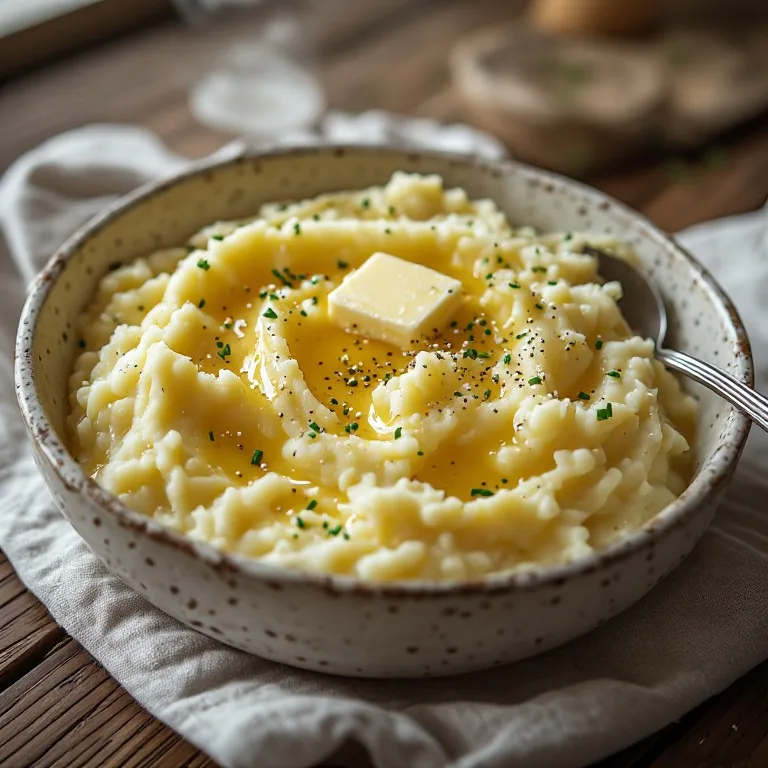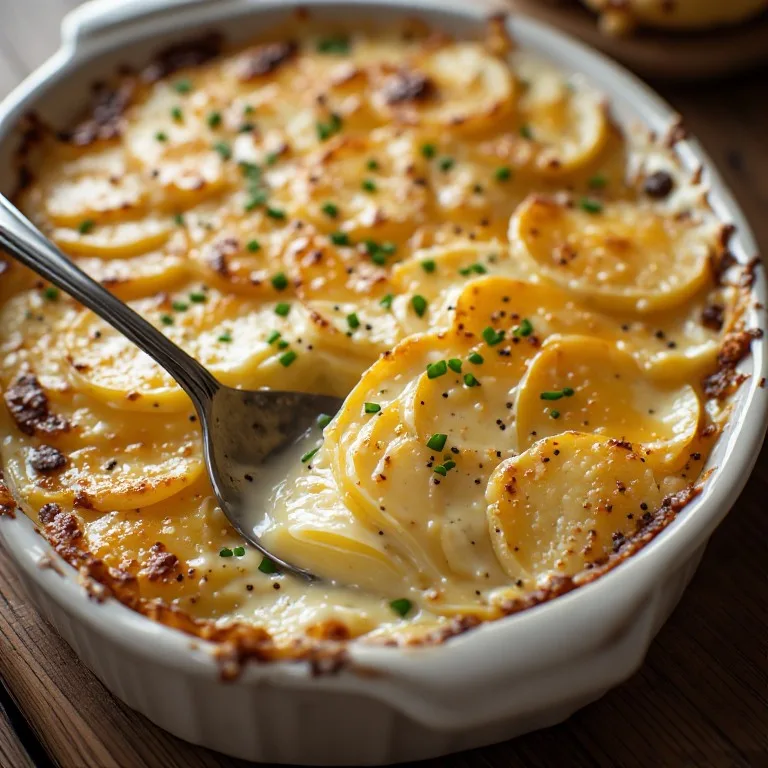



The reason the TikTok cheesy scalloped potato videos performed so well is that they identified a specific, fixable problem: the grainy, broken-sauce scalloped potatoes that most people grew up with. One roux, one mandoline, and a covered bake — and the result is a dish that genuinely competes with what a steakhouse serves for $18 a portion.
Why the béchamel matters (and what goes wrong without it)
Raw cream poured over potatoes and baked is the classic recipe most people learned, and it’s also the reason most homemade scalloped potatoes disappoint. At oven temperature — sustained heat for 60–90 minutes — cream’s proteins denature and its fat separates. The result is a curdled, oily liquid that’s visibly different from the silky, emulsified sauce in a restaurant gratin. It still tastes okay, but it looks and feels greasy.
A béchamel fixes this because cooked flour starch acts as an emulsifier. The starch molecules hydrate in the liquid and form a network that keeps the fat and proteins in suspension through the full bake. That’s why French gratin dauphinois — which starts with a simple roux — comes out of the oven looking like a cream sauce rather than curdled milk. The two extra minutes of making a roux is the entire difference between a broken sauce and a silky one.
The mandoline is not optional
A sharp knife can slice potatoes to 1/4 inch reasonably consistently. Getting to 1/8 inch (about 3mm) over a 3-pound batch is a different problem entirely. Even 1/4-inch potatoes can work in scalloped potatoes — they just need a longer covered bake — but 1/8-inch slices cook faster, absorb more sauce, and produce the characteristic tender-but-intact texture of a serious gratin. They also layer more densely, which means more potato flavor per bite relative to sauce.
The mandoline doesn’t need to be expensive. A $20–25 adjustable mandoline from any kitchen store or Amazon set to the lowest position (usually 1.5–2mm) handles the job. Keep the flat guard attached — mandoline cuts are common and they’re painful.
Covered bake first: what’s actually happening in that first hour
The foil isn’t just preventing browning — it’s doing the main work of cooking. With the foil sealed tightly, the dish creates a miniature steam oven inside the baking dish. The sauce starts to bubble at the edges within the first 20 minutes, and the steam from the bubbling sauce permeates the potato layers from the bottom up. By the end of the hour, every potato slice — even the ones in the center of the tightly packed top layer — has softened fully. Without the foil, the top layer of potatoes bakes in dry oven air, dries out, and forms a tough crust before the interior potatoes are done.
When you remove the foil, switch from steam cooking to browning. The exposed cheese on top dehydrates slightly and caramelizes, the sauce at the edges reduces and concentrates, and the surface develops the golden-brown spots that signal the Maillard reaction — the same reaction that makes grilled meat or roasted vegetables look appetizing.
Make-ahead strategy for Thanksgiving
Scalloped potatoes are one of the best make-ahead Thanksgiving dishes precisely because they hold and reheat well. Assemble the raw dish the day before (up to 24 hours ahead), cover tightly with foil, and refrigerate. On Thanksgiving day, take the dish out of the refrigerator 30 minutes before baking, add 15 minutes to the covered bake time (the cold start slows the initial steam phase), then proceed with the uncovered brown as normal.
Alternatively, fully bake the dish up to two days ahead, cool it completely, and refrigerate covered. Reheat covered at 325°F for 20–25 minutes, uncover for 5 minutes to re-crisp the top. The flavor actually deepens overnight — the potatoes absorb more sauce, and the overall dish becomes more cohesive.
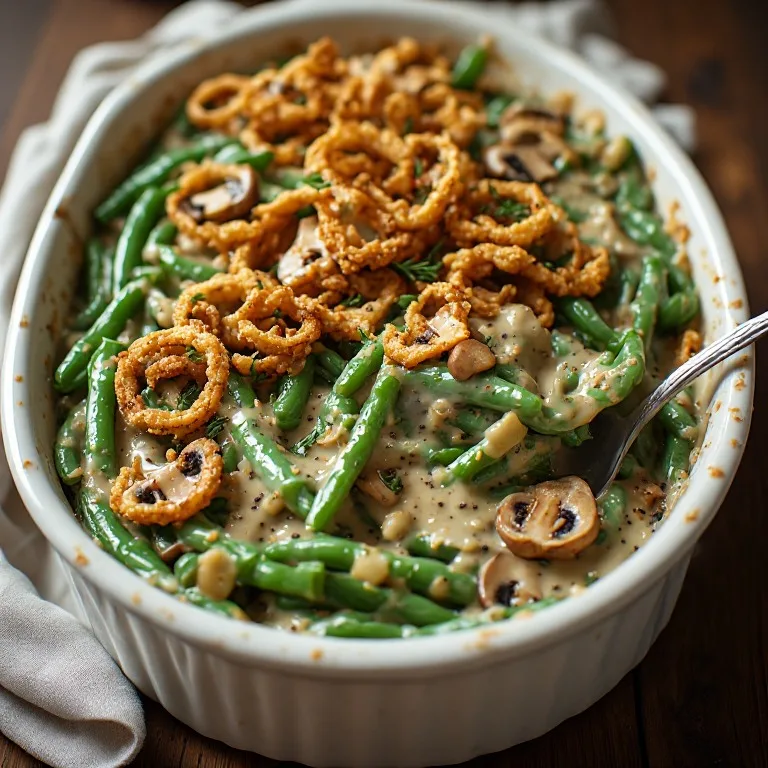
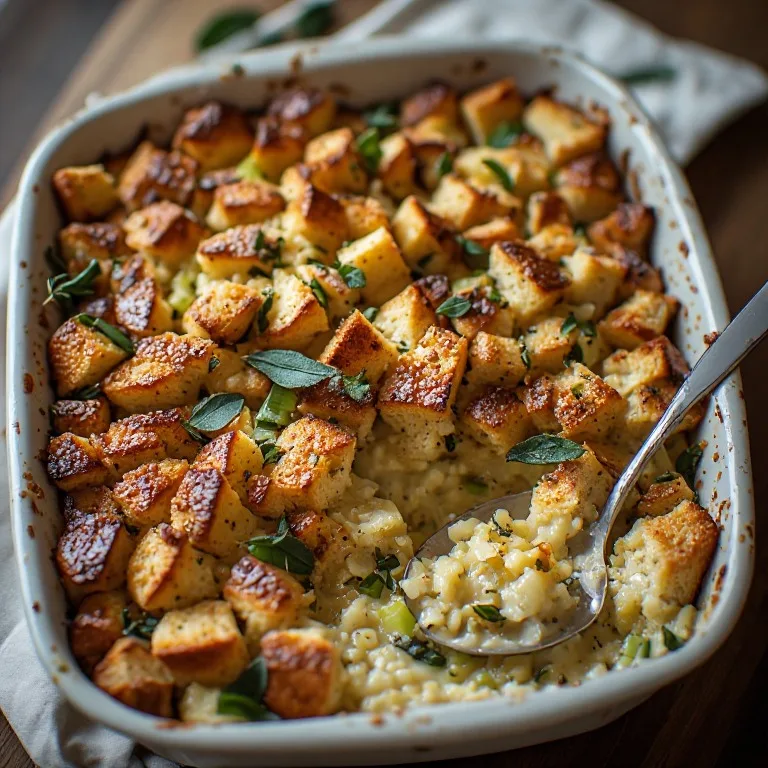
For more Thanksgiving sides that benefit from the same make-ahead strategy, see our viral TikTok brown butter stuffing, crispy smashed potatoes, and viral TikTok green bean casserole from scratch.