Pin It

Copycat Maggiano's Chicken Piccata

Copycat Maggiano's Chicken Piccata
Jump to Recipe
Prep 15 min Cook 25 min Serves 4
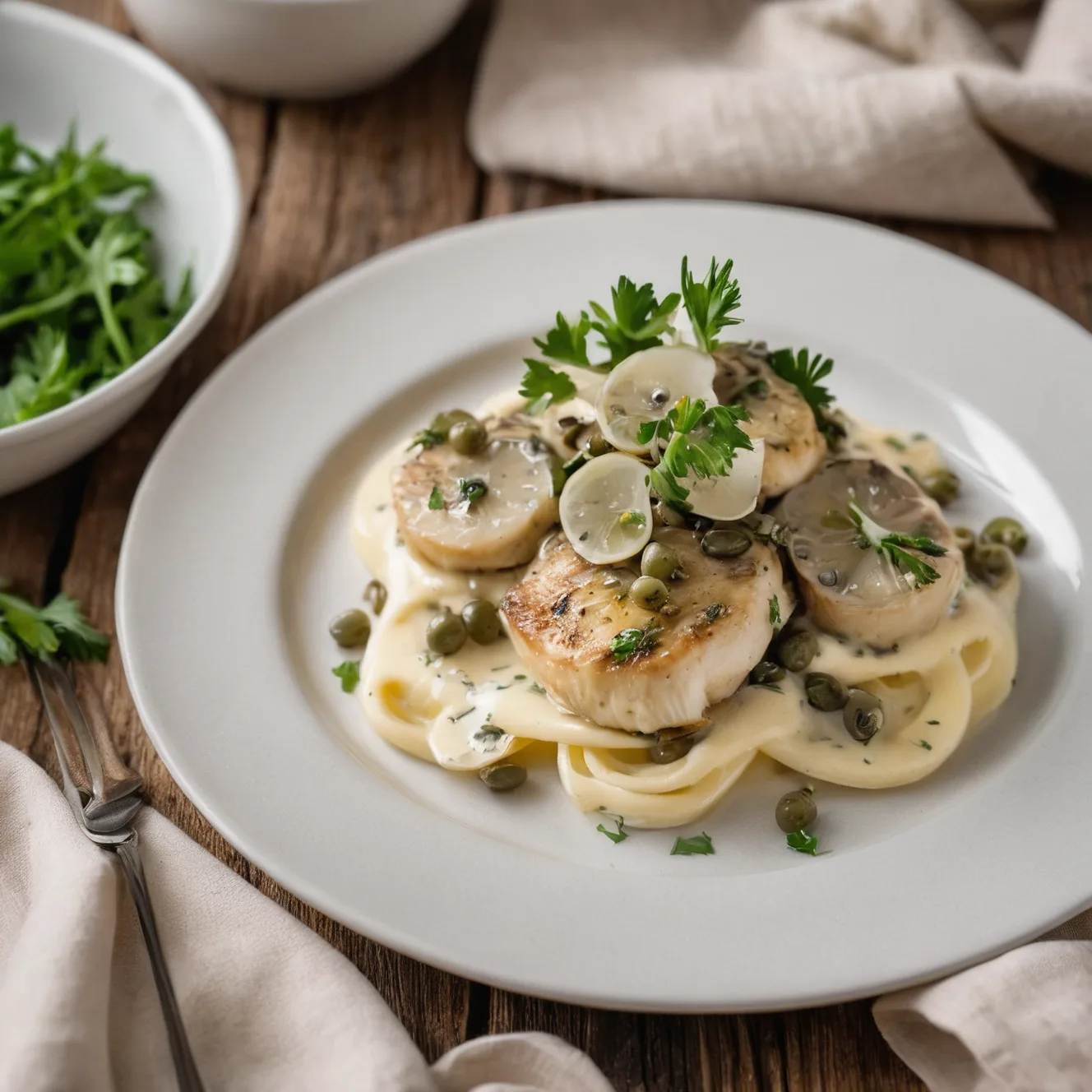
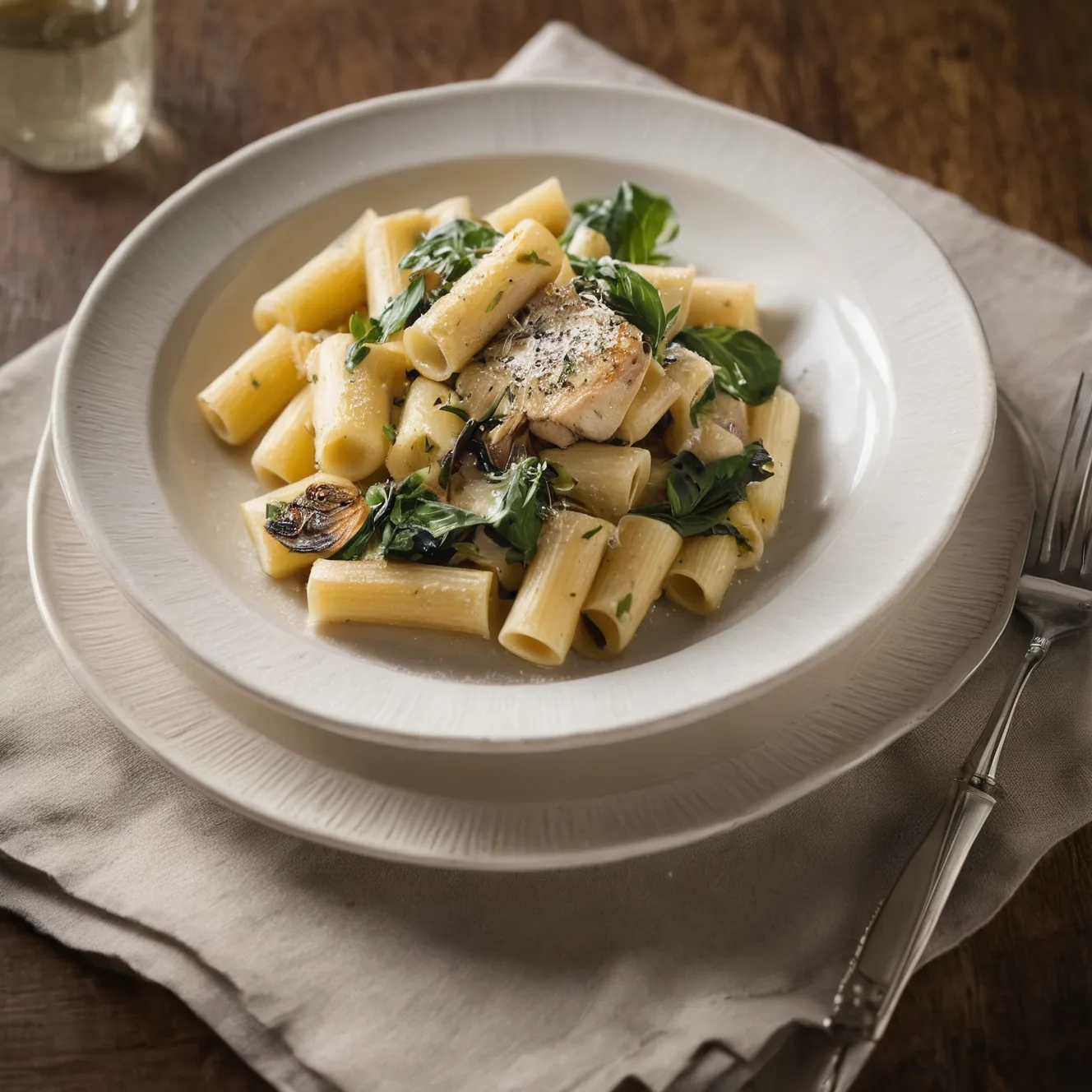
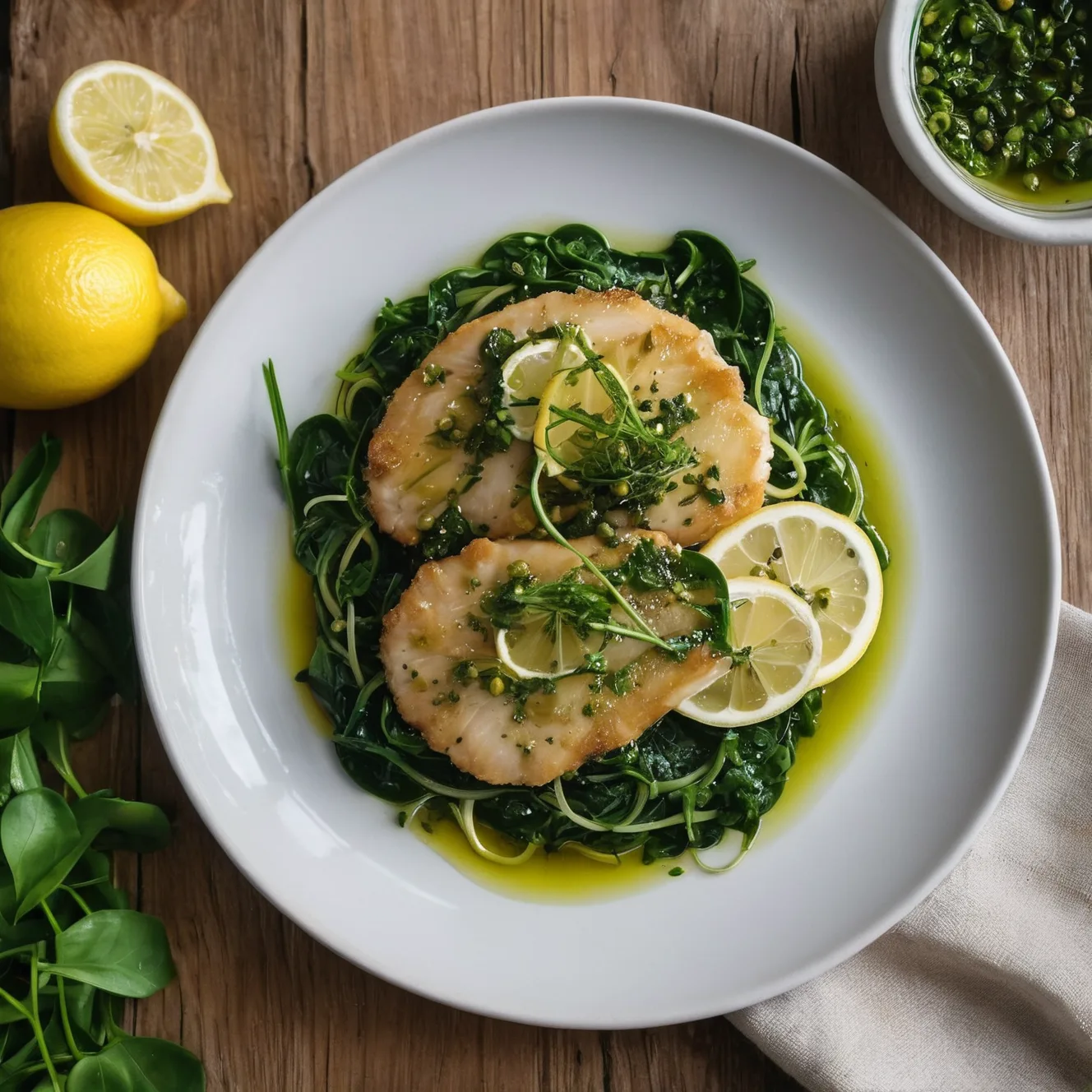
Quick answer: Maggiano's Chicken Piccata is a lightly breaded chicken cutlet pan-seared golden, sautéed with capers and fresh spinach, and finished in a bright white wine-lemon-butter sauce — no heavy cream. At the restaurant it's served with a choice of Spaghetti Aglio Olio (garlic-and-oil spaghetti) or Rigatoni Marinara. The cream-free sauce is what separates it from Cheesecake Factory's Chicken Piccata, which adds heavy cream and cremini mushrooms; Maggiano's acid is sharper, the sauce is brighter, and the chicken reads as lighter despite being equally rich. At the restaurant the full entrée runs about $26 and approximately 1,440 calories. At home, four servings cost roughly $28–32 total — about $7–8 per plate. The single technique most home cooks skip: swirling cold butter pieces into the finished sauce off the heat, which emulsifies it to a glossy, restaurant-textured consistency that no cream could replicate.

Copycat Maggiano's Chicken Piccata

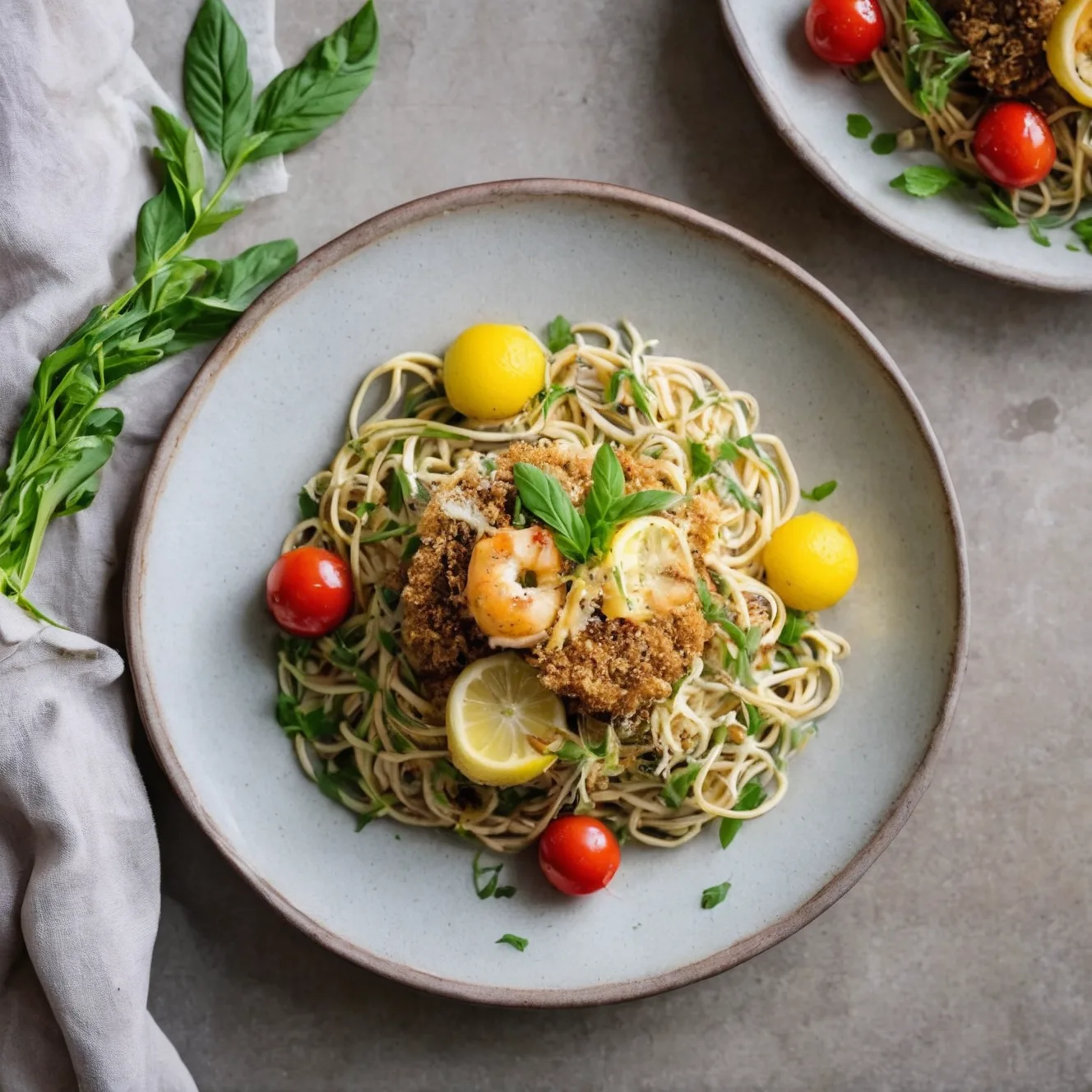
Make Maggiano's Chicken Piccata at home: thin pounded chicken cutlets, golden-seared, sautéed with capers and spinach in a bright white wine-lemon-butter sauce — no cream. At the restaurant it comes with Spaghetti Aglio Olio; this is what piccata is supposed to taste like. Restaurant version runs about $26 and roughly 1,440 calories; the home version makes four servings at around 650 calories each. The technique difference between a good piccata and a restaurant one is the butter mount at the end — not more ingredients, just the right finishing technique.

Medium Prep: 15 min Cook: 25 min Total: 40 min4 servings ~$4.50/serving
Prep15 min
Cook25 min
Total40 min
Servings
4
At home~$4.50/serving
vs
Restaurant~$20.25/serving
You save ~78%

Ingredients

Instructions

💡
Pro tip: This recipe tastes even better the next day. The flavors need time to meld together in the fridge.
❄️
Storage: Keeps in an airtight container in the fridge for up to 2 weeks. Freezer-friendly for up to 3 months.
~350-550 cal/serving · Rich & Indulgent🔥

The Story Behind the Recipe

Copycat Maggiano’s Chicken Piccata

Prep time: 15 min Cook time: 25 min Servings: 4

Maggiano’s Chicken Piccata is not an elaborate dish. It is the opposite: a lightly breaded chicken cutlet seared golden, sautéed with capers and fresh spinach, in a pan sauce built from wine, lemon, and butter — and on the restaurant plate, a tangle of Spaghetti Aglio Olio (garlic-and-oil spaghetti) alongside. The reason it tastes better at the restaurant than most home versions has nothing to do with secret ingredients — it has to do with one technique most home cooks skip: mounting the sauce with cold butter at the end.

That step, called monter au beurre, transforms the thin, acidic cooking liquid into a glossy, lightly thickened sauce that clings to the chicken and coats the pasta differently than a brothy liquid does. It takes 90 seconds and a firm swirl of the wrist. It is what separates restaurant piccata from the kind that looks fine but pools at the bottom of the plate.

The other thing worth noting about this dish: there is no cream. Several chain restaurants add heavy cream to their piccata sauce — most notably Cheesecake Factory, whose Chicken Piccata is a different dish built around cream and cremini mushrooms. Maggiano’s stays closer to the Italian-American original. The lemon is sharper, the sauce is brighter, and the dish reads as lighter even though it uses a meaningful amount of butter. They are two legitimate interpretations of the same dish; this one is the more classic.

No Cream: The Key Distinction

This is the detail most worth understanding before you make the dish. In traditional Italian-American piccata, the sauce has three elements: wine or broth (for liquid and acidity), lemon and capers (for flavor), and butter (for body and gloss). The butter is added at the end, off the heat, in small cold pieces. Each piece melts into the acidic liquid and emulsifies — meaning the fat disperses into tiny droplets suspended throughout the liquid rather than sitting on top of it. The result is a sauce that is simultaneously brothy, rich, and glossy without being heavy.

Cream shortcuts this process. It provides body and richness instantly, without requiring technique. It also softens the lemon considerably — cream is alkaline and dairy fat wraps the acid flavor molecules, making the sauce gentler and more unified. Some people prefer that. But if you want a piccata where the lemon is actually sharp and the capers are actually briny, the no-cream version is the one to make.

Maggiano’s positions itself as a classic Italian-American dining experience, and the piccata reflects that: it is not trying to be the richest version, or the most decadent version. It is trying to be the best expression of what piccata actually is.

The Butter Mount: What Actually Makes the Sauce

Restaurants keep their sauces hot but not simmering when plating. When a cold piece of butter hits a hot-but-not-boiling liquid, it begins to melt and, with agitation, disperses into tiny droplets throughout the liquid — this is an emulsion. A properly mounted sauce is creamy, glossy, and lightly thickened without any cream or flour beyond what coated the chicken. An improperly mounted sauce — one where the butter was added to a hard-boiling liquid, or without enough agitation — breaks, meaning the fat separates out and pools on the surface. The result looks greasy instead of glossy.

Two rules for a clean butter mount:

  1. Remove the pan from the heat before adding the butter.
  2. Add the butter in small pieces, swirling or whisking after each addition, until fully emulsified.

If the sauce breaks mid-mount because the pan cooled too much, return it briefly to very low heat and keep swirling — it will usually come back together. If it does not, whisk in a teaspoon of cold water, which gives the emulsion a fresh starting point.

Cost Comparison: Home vs. Restaurant
Maggiano’sHomemade (4 servings)
Per plate~$26
Full batch (4 plates)~$104~$28–32
Per serving~$26~$7–8
Savings per plate~$18

The main costs at home are the chicken breasts and the wine. A bottle of Pinot Grigio runs $8–$12 and this recipe uses half; the rest is available for dinner. Everything else — lemons, capers, garlic, pasta — is grocery-store staple territory.

Three Mistakes That Ruin Piccata

1. Too much flour on the chicken

The flour dredge is not a breading — it is a light coating whose main jobs are promoting a golden crust on the chicken and slightly thickening the sauce when the fond dissolves into the liquid. If you press the chicken firmly into the flour and skip shaking off the excess, the coating becomes visible and pasty and coats your tongue. Dredge lightly, press once, shake off all the excess.

2. Adding butter to a hard boil

Butter added to a rapidly boiling sauce does not emulsify — it breaks. The rapid agitation from the boil is different from the agitation of swirling; it drives the fat droplets back together rather than keeping them dispersed. Remove the pan from the heat before adding the butter, let the violent bubbling subside to a gentle simmer or nothing, and then add the butter in pieces with continuous swirling.

3. Using bottled lemon juice

Bottled lemon juice has been pasteurized, which kills volatile aromatic compounds and leaves a flat, sometimes metallic acidity without the brightness of fresh juice. In a dish where lemon is the primary flavor, the difference is not subtle. Two fresh lemons provide both the juice and the lemon slices that go into the sauce. The slices also add a slightly bitter, caramelized citrus note as they cook — something bottled juice cannot provide.

Tips & Variations
  • Add artichoke hearts. A common Maggiano’s variation: add 1 cup of drained, quartered canned artichoke hearts to the sauce along with the capers. They are not in the base dish but they pair well with the lemon and have appeared in some location variations.
  • Use linguine instead of spaghetti. Linguine has a slightly wider, flatter shape that catches the piccata sauce well; some copycat sources prefer it. Both are interchangeable here.
  • Add a splash of caper brine. The liquid from a jar of capers is a concentrated, briny punch of exactly the flavor profile this dish wants. Adding a tablespoon alongside the capers deepens the savory note without adding visible ingredients.
  • Veal version. This sauce works identically with thinly pounded veal cutlets (the Italian original); reduce the cook time to 2 minutes per side since veal is more delicate than chicken. The dish becomes piccata di vitello.
  • Lemon sole piccata. Substitute thin sole fillets or flounder for the chicken, dredge the same way, and sear just 2 minutes per side. The lighter protein makes the sauce’s acidity even more prominent — excellent with a dry Pinot Grigio.
Storage & Reheating

The sauce stores well for 3 days in a sealed container in the refrigerator. The capers and lemon continue to infuse the sauce overnight; it is often noticeably better on day two. Reheat gently in a skillet over medium-low heat with 2 to 3 tablespoons of chicken broth to loosen the butter emulsion. Do not microwave — the emulsion breaks to a greasy film. Cook fresh pasta when serving leftovers; pre-cooked pasta stored in piccata sauce turns mushy.

More Italian-American Copycat Recipes

See all Maggiano’s copycat recipes →
Nutrition Facts

Per serving (4 servings)
Calories650
Total Fat30g
Total Carbs47g
Dietary Fiber3g
Sugars2g
Protein45g
Sodium690mg

* Estimated values based on standard recipe preparation. Actual values may vary.

🥗

Make It Healthier

Love Maggiano's Chicken Piccata but want a lighter version? Try these simple swaps:

  • Reduce butter from 3 tablespoons to 1 tablespoon and compensate with an extra ¼ cup chicken broth — the sauce will be thinner but still flavorful at about 90 calories per serving less.
  • Use gluten-free spaghetti — Maggiano's offers gluten-free pasta in-restaurant. The flour dredge can be replaced with a 50/50 mix of cornstarch and rice flour for a GF version; the crust is crispier and slightly more delicate.
  • Rinse the capers before adding to reduce sodium by roughly 150–200mg per serving without losing their briny character.
  • Serve over zucchini noodles or spaghetti squash instead of pasta to reduce carbs by about 35g per serving; toss the noodles briefly in the piccata sauce to coat before plating.

Equipment You'll Need

12-inch stainless steel or cast-iron skillet

Nonstick pans do not develop the browned fond that becomes the sauce base when deglazed; stainless or cast iron is essential for building flavor

Meat mallet or heavy skillet

Pounding chicken to ¼-inch uniformity is non-negotiable for even cooking; thick chicken burns on the outside before the center is done

Instant-read thermometer

Thin cutlets overcook in under a minute; 165°F takes 5 seconds to confirm and prevents dry, stringy chicken

Frequently Asked Questions

How is Maggiano's Chicken Piccata different from Cheesecake Factory's?

The most significant difference is cream. Cheesecake Factory's Chicken Piccata adds heavy cream and cremini mushrooms to the sauce, making it thick, velvety, and rich with a gentler lemon note, served over angel hair pasta. Maggiano's stays closer to the Italian-American original: white wine, chicken broth, fresh lemon juice, capers, and butter — no cream — with fresh spinach sautéed in, and it comes with a choice of Spaghetti Aglio Olio or Rigatoni Marinara. The result is a brighter, more acidic sauce where the lemon and capers are the clear leads rather than background notes softened by dairy. Both are good dishes; they are genuinely different in character. If you prefer a lighter, more acidic sauce that lets the lemon do the talking, Maggiano's version is the one to make.

Does traditional piccata sauce have cream in it?

No. Traditional Italian piccata — piccata means 'larded' or 'sharp-tasting' in Italian, referring to the lemon's acidity — uses a butter-mounted pan sauce with white wine, lemon, and capers. Heavy cream is an American-casual-dining addition, most associated with chains like Cheesecake Factory that wanted a thicker, richer sauce. Many Italian-American restaurants, including Maggiano's, skip the cream entirely and rely on the emulsification of cold butter into the reduced sauce liquid for body and gloss. The technical term is monter au beurre — 'to mount with butter' — and it gives the sauce a silky, lightly thickened consistency without any of cream's weight or sweetness.

What does the word 'piccata' mean, and what makes a dish piccata?

Piccata comes from the Italian word meaning 'sharp' or 'larded,' referring to the bright, acidic character that lemon and capers give the sauce. A dish is piccata if it has three defining elements: thin pounded protein (chicken, veal, or fish) that is lightly floured and pan-seared; a pan sauce built from the fond of the searing; and a lemon-wine-caper finish. The butter mount at the end is standard in restaurant versions. There is no cream, no tomato, and no heavy coating in true piccata — those are additions that change the dish's essential character. Chicken piccata (piccata di pollo) is the American version of what Italians more commonly make with veal (piccata di vitello).

Why pound the chicken thin for piccata?

Three reasons: evenness, speed, and surface area. A whole 6-ounce chicken breast has an uneven thickness — the fat end takes twice as long to cook as the thin end. By pounding to a uniform ¼ inch, every part of the cutlet reaches 165°F in the same 3 to 4 minutes of contact time. Faster cooking means less time for the lean breast meat to dry out. The larger surface area from flattening also gives more contact with the flour dredge and the hot pan, creating more golden crust per bite. That crust is what carries flavor. A thick breast seared quickly will have a good crust on the outside and a pale, steamed interior underneath.

What wine works best in piccata sauce, and can I substitute?

A dry, high-acid white wine: Pinot Grigio (the most common recommendation), Sauvignon Blanc, or dry Vermouth. The acid in the wine complements the lemon and capers; a buttery or oaky Chardonnay softens the very quality you want most from piccata. 'Cooking wine' from the vinegar aisle has added salt, no aromatics, and makes a noticeably worse sauce — use a bottle you would drink. Substitution if you have no wine: replace with half chicken broth and half a dry vermouth, or use all chicken broth plus an extra tablespoon of lemon juice. The sauce will be less complex but the dish is still good.

Can I meal-prep Maggiano's Chicken Piccata, and how does it reheat?

The sauce stores well for 3 days in the refrigerator — in fact, the caper brine deepens overnight, and the sauce is noticeably better on day two. Store the sauce separately from the pasta if possible. To reheat: warm the sauce gently in a skillet over medium-low heat, adding 2 to 3 tablespoons of chicken broth to loosen (butter sauces tighten in the fridge). Slide the chicken back in and heat just until warmed through. Do not microwave the sauce — the butter emulsion breaks and the sauce separates into a greasy puddle. Cook fresh pasta when serving; pasta stored in sauce becomes mushy. If you must store everything together, loosen generously with broth when reheating.

Love this recipe? Share it!

Shop the tools

Gear matched to this recipe's equipment list. We may earn a small commission if you buy through these links — at no extra cost to you.

As an Amazon Associate, Copycat Spices earns from qualifying purchases.

Free PDF: our 12 most-wanted copycat recipes — instant download.

Ratings & Reviews

No ratings yet

Rate this recipe

Click a star to rate

Leave a Review

0/500

CS

Copycat Spices Test Kitchen

Every recipe on Copycat Spices is developed and tested in our home test kitchen. We reverse-engineer beloved restaurant dishes and refine each one until the flavors and the instructions work reliably for home cooks of all skill levels.

Learn more about our mission →