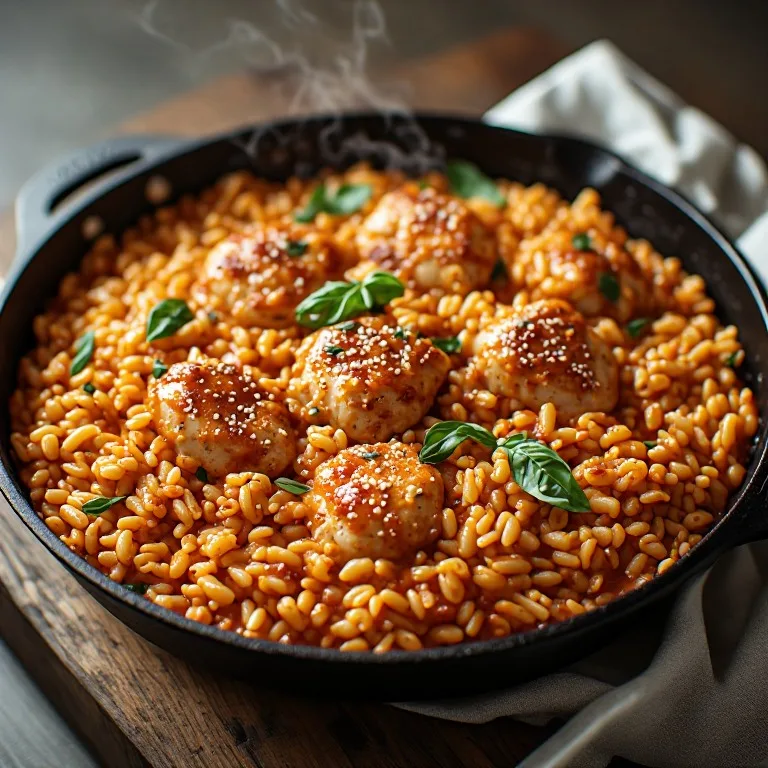


What Makes This the Best Creamy Tomato Chicken Orzo
This is the one-pan dinner that’s been dominating FoodTok since fall 2025 — and the reason it went viral is the same reason it’s frustrating to make at home: the margin between silky and gluey is about 5 minutes of technique that most TikTok videos skip past in a cut.
Here’s what those 5 minutes are, and why they matter.
The three mistakes that ruin creamy tomato chicken orzo:
1. Adding the orzo before the tomatoes reduce. Orzo is a sponge. It absorbs whatever liquid you put it in. If the crushed tomatoes haven’t had 5 minutes to cook down and sweeten before the orzo goes in, the orzo absorbs raw, acidic tomato liquid — and all that tinny, sharp edge you wanted to cook out gets baked right into the pasta. The tomatoes need to go from bright red to deep orange and reduce by about a third before anything else goes into the pan.
2. Using chicken breast. Chicken breast dries out in acidic tomato liquid. Thighs don’t. The reason is simple: bone-in thighs have fat that bastes the meat from the inside as it cooks, plus collagen in the bone that dissolves into the sauce and makes it richer than any cream alone could. If you use breast, the chicken will be done in 8 minutes but the orzo will need 15 — and by minute 15, the breast will be dry and stringy. Use thighs.
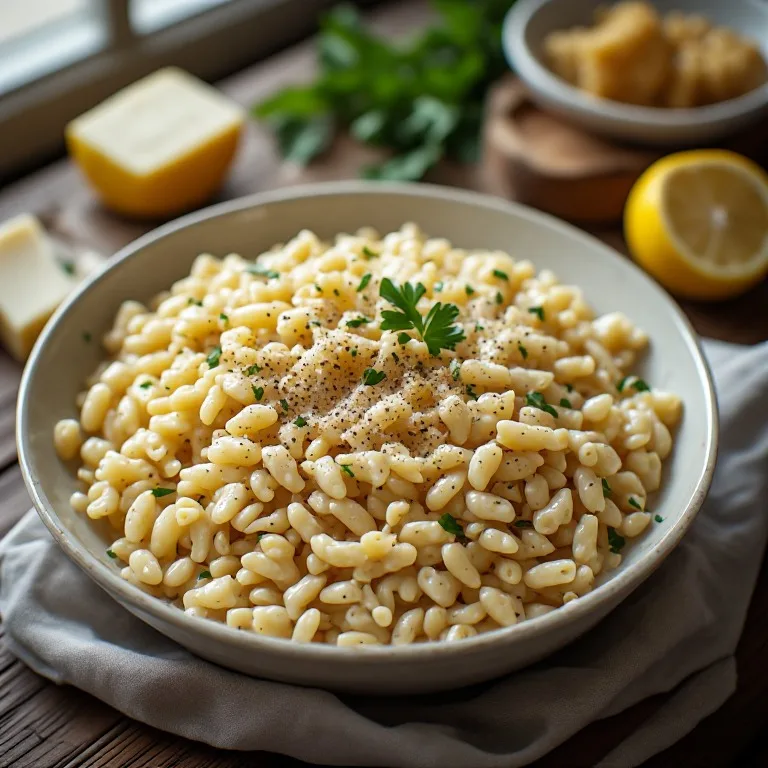
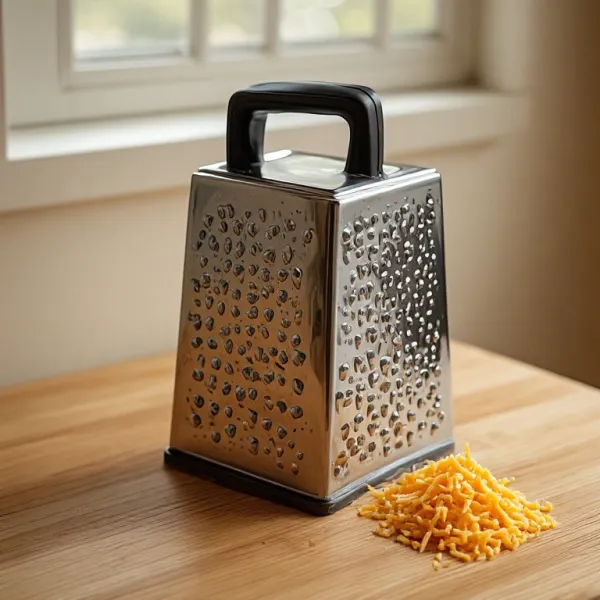
3. Pre-grated Parmesan. The Parmesan at the end is what converts a tomato-cream sauce into something that looks genuinely silky on camera. Pre-grated Parmesan (the kind in the green canister, but also the refrigerated pre-shredded bags) contains cellulose anti-caking agents. Those agents prevent the cheese from fully melting and leave the sauce with a faintly gritty texture and slightly grainy look. A block of Parmigiano-Reggiano on a Microplane takes 60 seconds and makes an immediately visible difference.
The Viral Visual: Getting the Sauce Right
The TikTok version of this dish looks almost lacquered — the sauce is a deep, vivid orange-red with visible sheen. That comes from three things in sequence: (1) the caramelized tomato paste providing depth, (2) the heavy cream adding fat that catches the light, and (3) the Parmesan added off-heat emulsifying the whole sauce into something that coats the orzo rather than pooling around it.
If your sauce looks watery or broken, the pan was too hot when the cream and Parmesan went in. Both need lower heat — the cream goes in while the pan is still simmering, not boiling; the Parmesan goes in after you’ve pulled the pan off the burner entirely.
Timing Is Everything for the Orzo Texture
Orzo in a one-pan braise is unforgiving by about a 3-minute window. Underdone orzo is chalky in the center. Overdone orzo is mush that the sauce can’t penetrate. The window for perfect al dente — swollen, tender, with a very slight resistance at the center — is minutes 13 to 16 of covered cooking over medium-low heat.
Check at 12 minutes. If it needs more time, give it 2 minutes and check again. The orzo is done when almost all the liquid has been absorbed but the sauce is still glossy and fluid, not dry. It will continue to absorb liquid as it sits off heat for the 5 minutes the chicken needs to rest.
Variations That Work
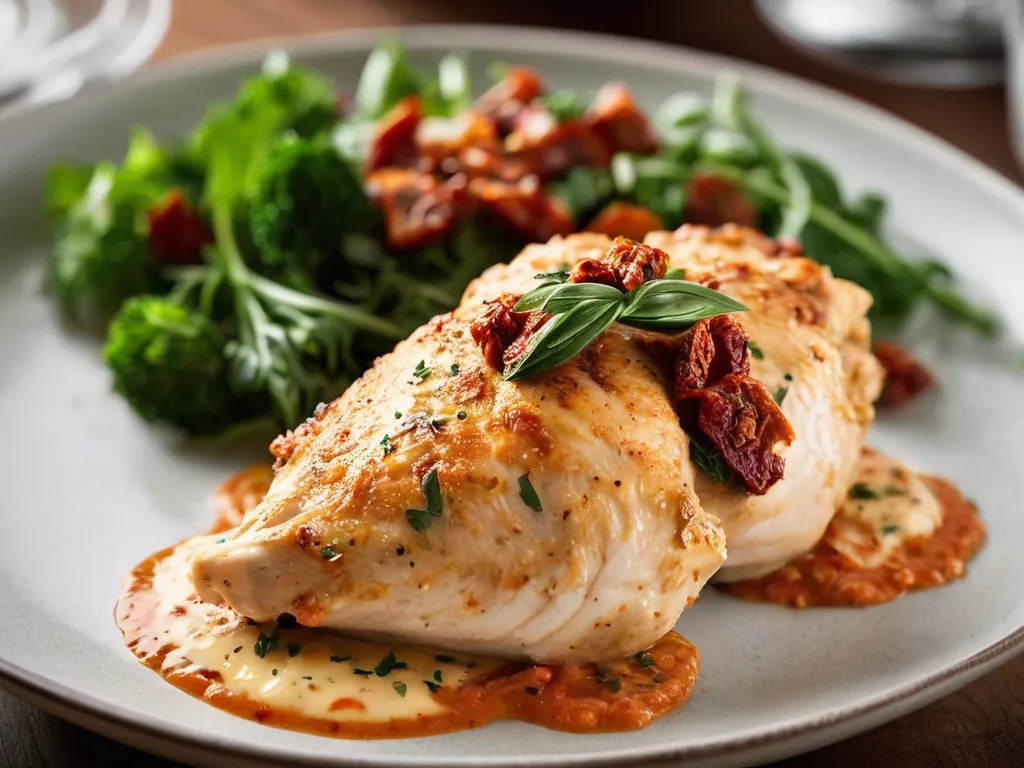
Add sun-dried tomatoes: A tablespoon of chopped oil-packed sun-dried tomatoes stirred in with the garlic adds a concentrated umami sweetness that makes the sauce taste like it cooked for hours. Stir them in before the crushed tomatoes.
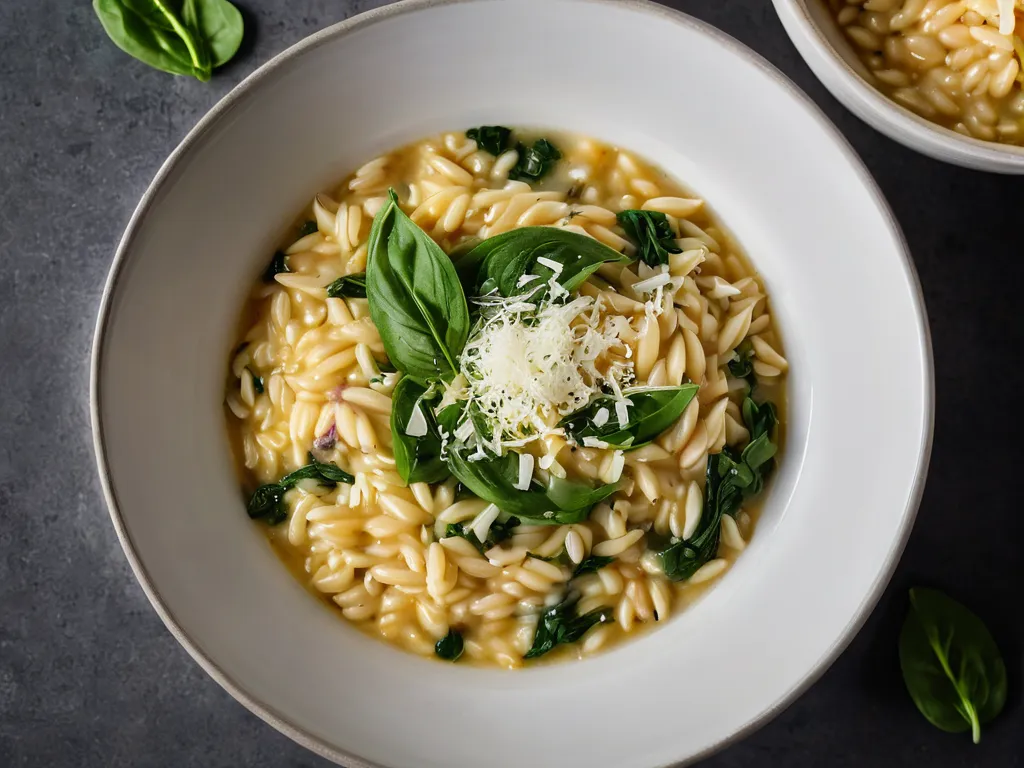
Add spinach: A handful of baby spinach stirred in off heat wilts in about 30 seconds from the residual heat. It adds color, nutrition, and doesn’t change the flavor profile.
Make it spicier: A teaspoon of calabrian chili paste or a generous pinch of red pepper flakes added with the garlic gives a slow-building heat that plays well against the cream.
The white wine version: Before adding the crushed tomatoes, pour in ¼ cup of dry white wine and let it cook off for 1 minute. The wine adds brightness and complexity; the alcohol cooks off completely.