


Chilaquiles — Mexico’s Perfect Breakfast, Finally Getting Global Recognition
Chilaquiles is what happens when you take yesterday’s tortillas or leftover chips, introduce them to salsa, and let them become something completely new. It’s a dish born from practicality that turned into one of Mexico’s most beloved breakfast traditions, and TikTok has spent the past two years introducing it to everyone who hadn’t already found it.
The timing is good. Chilaquiles deserves the attention.
A Dish With Deep Roots
Chilaquiles (pronounced chee-lah-KEE-lays) appear in Mexican cookbooks as far back as the late 1800s, though the dish is certainly older. The name comes from Nahuatl — the Aztec language — with roots in words meaning “chili” and something close to “greens in broth.” The concept is ancient: stale or leftover corn tortillas cut or torn and cooked in a sauce until softened, making them edible again and more interesting than before.
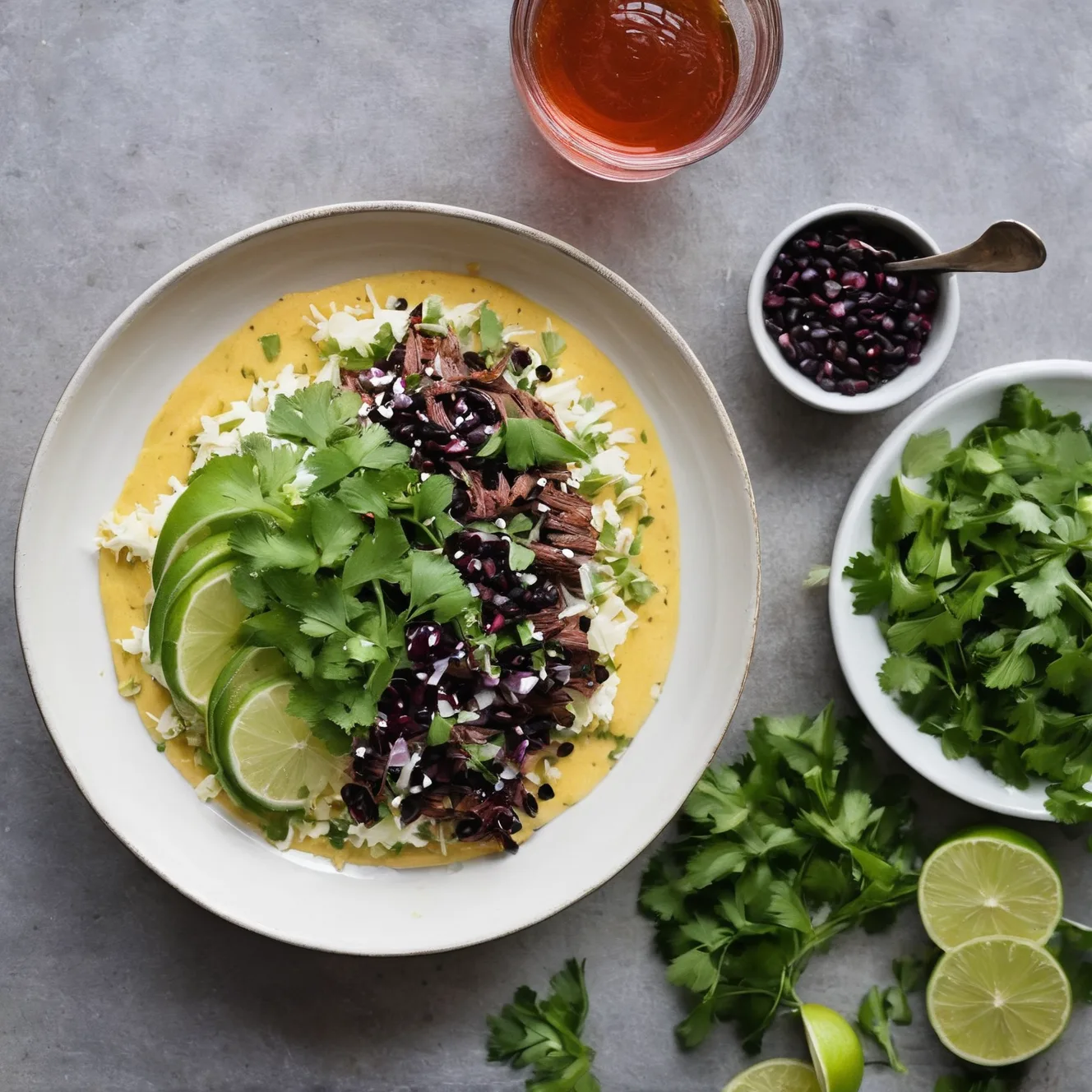
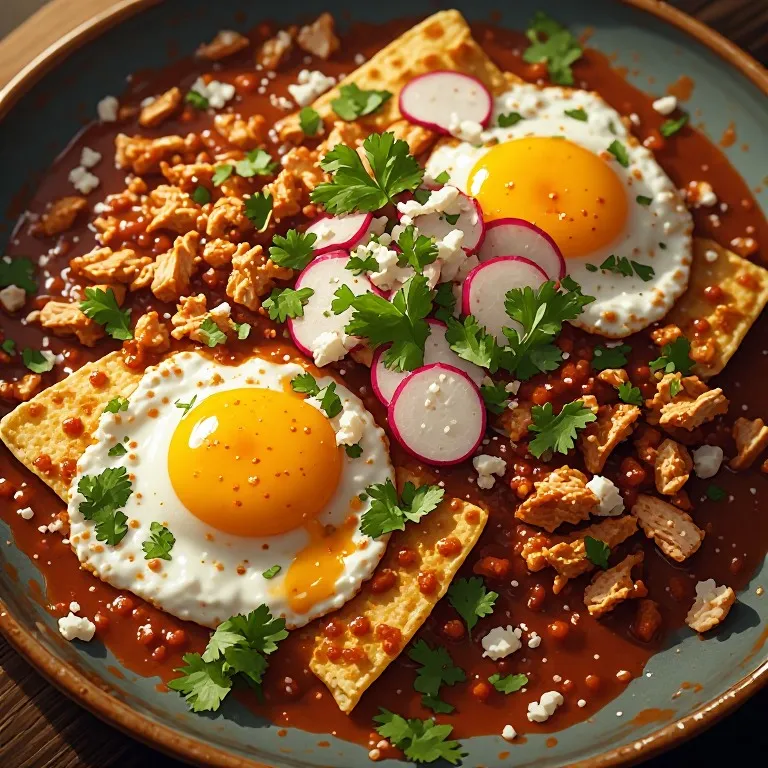
Modern chilaquiles moved beyond stale tortilla management into a fully intentional dish. Thick-cut chips (or fresh-fried tortilla strips) replace day-old tortillas, and the garnishes have expanded into what can look like a composed platter — crema drizzled in artistic lines, cotija crumbled from height, avocado fanned perfectly, radish slices arranged like a clock.
TikTok creators have leaned into both the visual drama and the flavor revelation angle. For North American audiences who know Mexican food primarily through Tex-Mex, chilaquiles are a discovery — nothing quite like them exists in the mainstream breakfast canon.
The Technique: Timing Over Everything
The single hardest thing about chilaquiles is the window between “still completely crispy” and “completely mushy.” You’re aiming for a chip that yields easily to a fork but still has structural integrity — slightly soft on the outside, with a little crunch remaining in the thickest center section. In Mexico, this moment is so specific that home cooks stand over the pan with tongs and pull plates to the table within seconds of reaching it.
In practice: add chips to simmering salsa, toss every 30 seconds, and be ready to plate at exactly the 2-to-3-minute mark. Have your garnishes prepped and arranged before the chips go into the sauce. The cook who isn’t ready will overcook the chips.
Thick tortilla chips hold up to the sauce longer than thin snack chips. If you can find a Mexican brand in the thick-cut restaurant style, use those. If you’re in a location where chips vary widely, look for the sturdiest option available.
The Salsa Question
Red or green is personal preference and regional tradition. Red enchilada sauce from a can is a perfectly acceptable starting point — it’s concentrated enough to coat the chips quickly and has reliable heat. Green tomatillo salsa has more brightness and acidity. If you’re making chilaquiles for the first time, start with whichever salsa you already have.
Adding broth to the sauce before the chips go in is the move that separates good from great. The broth loosens the sauce so every chip gets fully coated without the pan going dry. Undiluted enchilada sauce is too thick — it glues to the outside of the chips without penetrating.
Building the Plate
Chilaquiles are traditionally served immediately and eaten fast, which is part of the experience. There’s a slight competitiveness to eating them — the longer you admire your composed plate, the mushier it gets. This is a dish that rewards decisiveness.
The classic garnish combination — crema, cotija, avocado, cilantro, red onion, radish — is complete. Don’t overthink it. Each component does specific work: crema for richness, cotija for salt, avocado for fat and creaminess, cilantro for fresh herbal notes, red onion for sharpness, radish for crunch that the chips have sacrificed.
A fried egg on top, yolk just barely runny, is the brunch format. Scrambled eggs folded directly into the chips during the sauce step are the faster weekday format.
Variations
Chilaquiles verdes con pollo: Use green salsa and shred a poached or rotisserie chicken breast over the top before garnishing. This is arguably the most popular version in Mexico City restaurants.
Chilaquiles divorciados: Half the plate uses red sauce, half uses green sauce — married to two different sauces, hence “divorced.” A fried egg sits on each half. It’s a visual statement and a flavor study in contrast.
Chili crisp remix: Swap the Mexican hot sauce for chili crisp and add a splash of rice vinegar to the salsa base. The result is a fusion version that TikTok’s Asian-food-crossover community has embraced — less traditional but genuinely delicious.
Chilaquiles will not wait for you. Cook fast, plate fast, eat fast. Everything else is garnish.