

Pin It

Viral TikTok Frozen Yogurt Fruit Clusters (High-Protein, 3-Ingredient Bites)

Viral TikTok Frozen Yogurt Fruit Clusters (High-Protein, 3-Ingredient Bites)
Jump to Recipe
Prep 10 min Cook 0 min (4 hr freeze) Serves 12 clusters
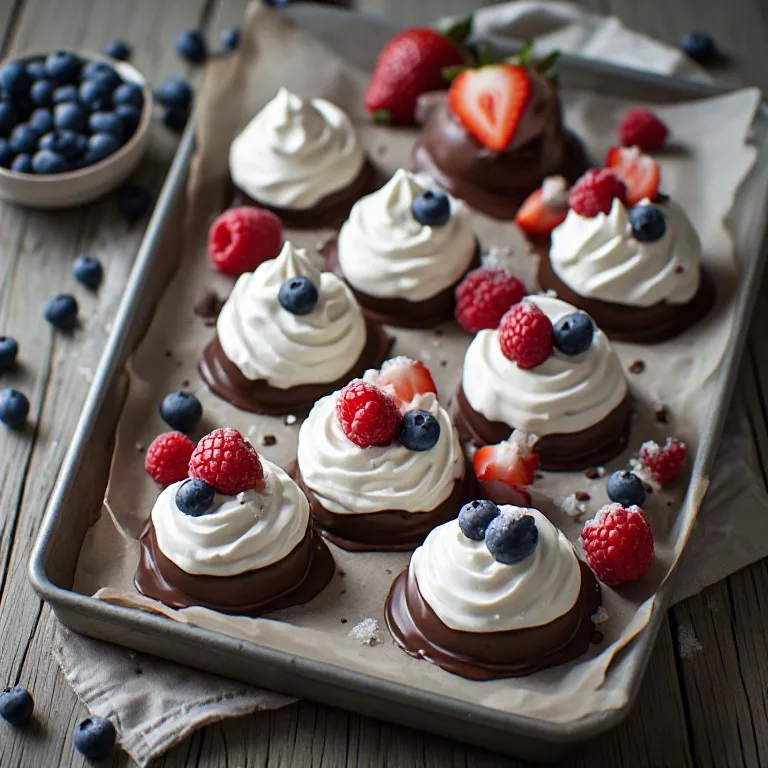
Quick answer: Stir 1.5 cups full-fat Greek yogurt with 2 tablespoons honey and 1 teaspoon vanilla. Drop tablespoon-sized mounds onto a parchment-lined baking sheet, press 3-4 berries into each, and freeze for 4 hours until completely solid. Optional chocolate dip: melt 3/4 cup dark chocolate chips with 1 teaspoon coconut oil, dip the frozen clusters halfway, and return to the freezer for 10 minutes to set. Each plain cluster runs about 35 calories and 4g protein. The yogurt stays creamy, not icy, because Greek yogurt has already been strained to remove most of the water.

Shop the tools

Gear matched to this recipe. These are Amazon affiliate links — we may earn a small commission if you buy, at no extra cost to you.

As an Amazon Associate, Copycat Spices earns from qualifying purchases. Product images are generic illustrations, not the exact item listed.

Viral TikTok Frozen Yogurt Fruit Clusters (High-Protein, 3-Ingredient Bites)

The TikTok healthy dessert trend: Greek yogurt dolloped into clusters with fresh berries, frozen solid, and optionally dipped in chocolate. ~35 calories and 4g protein per bite. Ready in 4 hours, no equipment needed, keeps in the freezer for 2 weeks.

Easy Prep: 10 min Cook: 0 min (4 hr freeze) Total: 4h 10m12 clusters servings ~$1.75/serving
Prep10 min
Cook0 min (4 hr freeze)
Total4h 10m
Servings
12
At home~$1.75/serving
vs
Restaurant~$7.88/serving
You save ~78%

The Story Behind the Recipe

The TikTok healthy dessert trend: Greek yogurt dolloped into clusters with fresh berries, frozen solid, and optionally dipped in chocolate. ~35 calories and 4g protein per bite. Ready in 4 hours, no equipment needed, keeps in the freezer for 2 weeks.

Nutrition Facts

Per serving (12 clusters servings)
Calories35
Total Fat1g
Total Carbs5g
Dietary Fiber0g
Sugars4g
Protein4g
Sodium15mg

* Estimated values based on standard recipe preparation. Actual values may vary.

Ingredients

Instructions

💡
Pro tip: This recipe tastes even better the next day. The flavors need time to meld together in the fridge.
❄️
Storage: Keeps in an airtight container in the fridge for up to 2 weeks. Freezer-friendly for up to 3 months.
🎃 Free Halloween cookbook — download now The Copycat Halloween Cookbook A ready-made, photo-illustrated PDF of our best halloween copycat recipes — free to download, no building required. Pay what you want to support if you love it.

Free PDF — instant download. We'll also send new seasonal copycat recipes now and then; unsubscribe anytime. Or just download it →

The Viral TikTok Frozen Yogurt Fruit Clusters Recipe

The premise is almost embarrassingly simple: drop Greek yogurt into clusters, press in some berries, freeze for 4 hours. The result is a bite-sized frozen snack with the texture of good gelato — creamy, dense, not icy — and a macros profile that makes it legitimately useful as a daily snack.

This isn’t complicated. The entire active time is 10 minutes. But there are a few decisions that separate the creamy, hold-their-shape clusters you see on TikTok from the icy, weeping blobs that don’t.


Why These Clusters Stay Creamy, Not Icy

Greek yogurt has already been strained to remove most of its whey (liquid). What’s left is concentrated protein and fat with far less water than regular yogurt. Less water means fewer ice crystals when frozen, which means a dense, smooth texture rather than a grainy ice-chip crunch.

The same logic applies to why full-fat (5%) Greek yogurt produces noticeably creamier results than 2%, which is noticeably creamier than nonfat. Fat inhibits large ice crystal formation at freezing temperatures — it’s the same mechanism behind why premium ice cream (high fat content) tastes smoother than cheap ice cream (low fat, more water, bigger crystals).

This is also why regular yogurt (not Greek-strained) doesn’t work here. Regular yogurt has roughly twice the water content of Greek yogurt, and the clusters come out with the texture of a frozen ice cube: hard, grainy, and unpleasant.


The Chocolate Dip: Is It Worth It?

Yes, if you’re making these for anyone else. Plain clusters are good. Chocolate-dipped clusters look like something from a specialty frozen dessert shop and take about 4 additional minutes.

The only technique detail that matters: the coconut oil. Add 1 teaspoon of refined coconut oil per 3/4 cup of chocolate chips before melting. This does two things: (1) it keeps the melted chocolate at a pourable consistency long enough to dip 12 clusters before it thickens, and (2) it helps the set chocolate snap cleanly rather than turning chalky or cracking into shards. Refined coconut oil has no coconut flavor; virgin/unrefined will add subtle coconut to the chocolate.

Work fast once you start dipping. The clusters soften quickly at room temperature. If you notice them starting to feel soft when you pick them up, pause and return the pan to the freezer for 2 minutes before continuing.


Variations Worth Making

Tropical (dairy-free option): Use full-fat coconut Greek-style yogurt. Press in diced mango, pineapple chunks (small), and passion fruit pulp. Dip in white chocolate with a teaspoon of coconut oil. The coconut-mango combination is particularly good.

Peanut butter cup: Mix 2 tablespoons of smooth natural peanut butter into the yogurt base along with the honey and vanilla. Freeze the clusters plain, then dip in dark chocolate. The peanut butter thickens the base (helps clusters hold their shape) and the chocolate-peanut combination is a classic for a reason.

Cookie dough: Press in mini chocolate chips and a few grains of flaky sea salt per cluster instead of berries. No fruit, just the salty-sweet chocolate hits. These are specifically good for kids who “don’t like fruit.”

Savory-adjacent: Skip the honey entirely. Use plain Greek yogurt (or add a tiny pinch of salt instead). Press in cucumber bits and a single fresh mint leaf per cluster. It sounds weird; it’s actually a good palate cleanser on a hot day.


Make-Ahead and Storage

The clusters store well in a zip-top freezer bag for up to 2 weeks — use parchment paper between layers so they don’t fuse together. After 2 weeks, fresh berry quality deteriorates and freezer odor starts to penetrate.

For meal prep: make a double batch on Sunday. Twelve clusters per person, five days, two clusters per afternoon snack. That’s 70 calories and 8g protein per snack moment that feels substantially more satisfying than eating plain yogurt from a cup because the cold, firm texture changes how you experience it.

The clusters are meant to be eaten straight from the freezer. They’re designed to be eaten cold. Letting them sit at room temperature for 5 minutes turns them soft and they start to weep fruit liquid. If you want something at room temperature, that’s what regular yogurt parfait is for.


Related Frozen and High-Protein Snacks

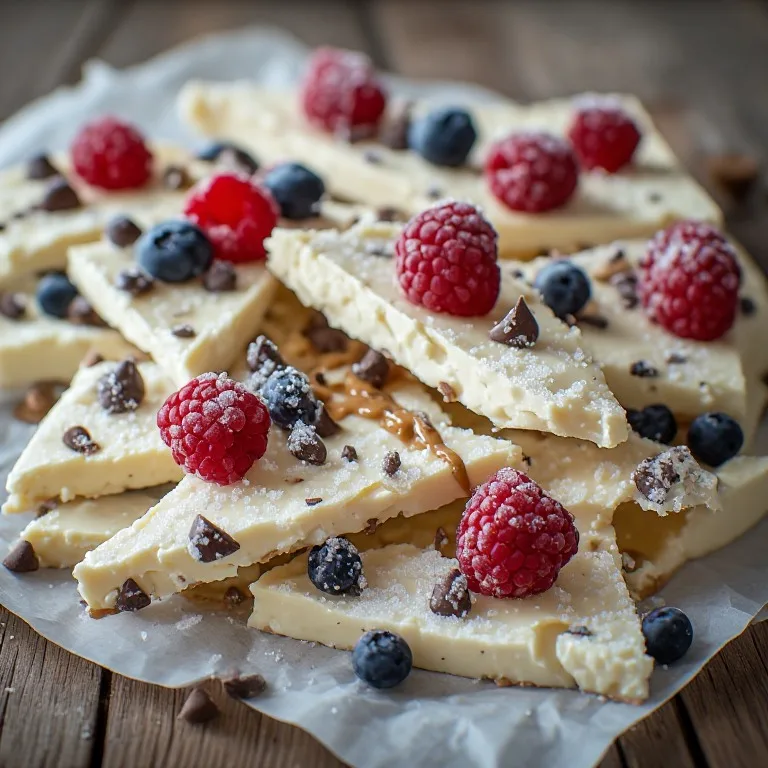
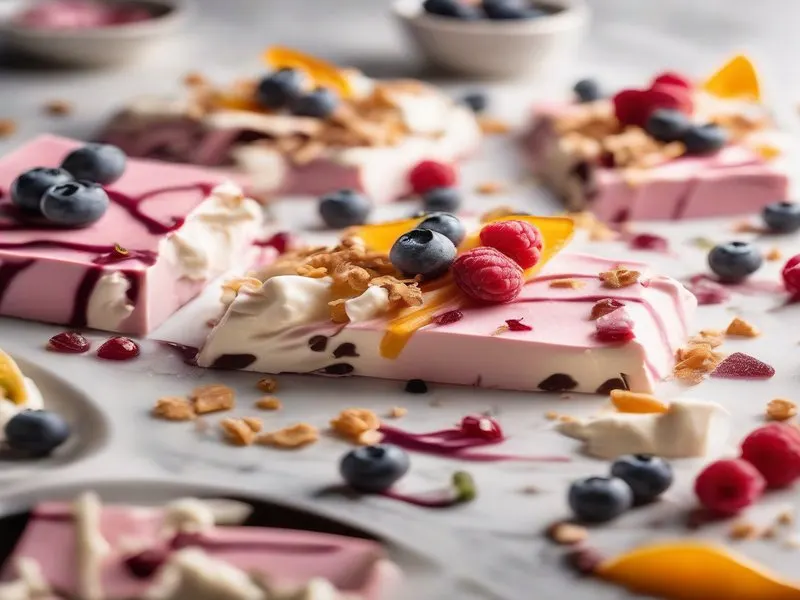
If you like these clusters, the same full-fat-yogurt logic powers a few other snacks worth keeping in the freezer. Frozen Yogurt Bark is the flat-sheet version of this exact recipe — spread thin and snapped into shards instead of scooped into bites, better when you want to feed a crowd from one pan. Cottage Cheese Ice Cream blends cottage cheese into a soft-serve with even higher protein, and Banana Ice Cream is the single-ingredient frozen treat that tastes like soft serve with nothing added. For a no-freeze option in the same macro range, Protein Yogurt Cups hit the same Greek-yogurt-plus-fruit idea you can eat straight away.
🥗

Make It Healthier

Love Viral TikTok Frozen Yogurt Fruit Clusters (High-Protein, 3-Ingredient Bites) but want a lighter version? Try these simple swaps:

  • ✓Full-fat Greek yogurt here is not a health compromise — the fat is what keeps the clusters creamy instead of icy, and it slows sugar absorption from the honey. The calorie difference between 2% and 5% Greek yogurt in this recipe is about 15 calories per cluster.
  • ✓Swap honey for 1-2 packets of pure stevia or monk fruit sweetener to cut the sugar to near zero without affecting the freeze texture. Liquid sweeteners work better than granulated here because they blend seamlessly into the cold yogurt.
  • ✓The plain clusters (no chocolate) are 35 calories each — 12 of them is 420 calories total for a week of afternoon snacks. With the chocolate dip, still only 75 calories each, which competes favorably with any store-bought frozen treat at 200-300 calories.
  • ✓For a higher-protein version without protein powder: use Skyr instead of Greek yogurt. Icelandic-style Skyr (Siggi's, Icelandic Provisions) runs 17-19g protein per 6oz versus 11-15g for Greek yogurt, and its ultra-thick texture holds the cluster shape even better.

Frequently Asked Questions

Why do my frozen yogurt clusters turn out icy instead of creamy?

The cause is almost always the yogurt type. Nonfat Greek yogurt and regular unstrained yogurt have significantly higher water content than full-fat or 2% Greek yogurt. More water means more ice crystals, which creates a grainy, shaved-ice texture instead of a dense, creamy bite. The fix: Fage Total 5%, Chobani Whole Milk, or any full-fat Greek yogurt. A second cause is wet berries — if you're using previously frozen berries, drain them completely and pat dry before pressing into the clusters; they release water as they thaw during the freeze cycle and can create icy pockets around the fruit.

Can I use frozen berries instead of fresh?

Yes, with one important step: thaw completely, drain in a strainer, and pat dry with paper towels before pressing into the clusters. Frozen berries straight from the bag contain excess ice water that gets released as the cluster freezes, creating icy rings around the fruit. Thawed-and-drained frozen berries work almost as well as fresh. For raspberries especially, thawed frozen ones hold their shape better than fresh (which are fragile and tend to bleed).

What's the difference between frozen yogurt clusters and frozen yogurt bark?

Bark is Greek yogurt spread into a thin, flat sheet and frozen solid, then broken into irregular shards — it's more like a snappable slab. Clusters are individual scooped mounds, so each piece is a self-contained bite with more yogurt-to-topping ratio. Clusters are easier to store (portion-controlled already), hold up better if someone handles them before they're fully thawed, and are better for the chocolate-dip version since the uniform shape makes dipping cleaner.

Can I use dairy-free yogurt?

Coconut-based Greek-style yogurt (GT's CocoYo, Cocoyo Pure) works nearly as well as dairy Greek yogurt because of its higher fat content. Oat milk and almond milk yogurts tend to freeze icier because of their lower fat and higher water content. Avoid any thin or pourable dairy-free yogurt — the clusters will spread flat and never hold a shape. If using coconut yogurt, the flavor will be distinctly coconut, which pairs well with tropical fruit (pineapple chunks, mango, passion fruit).

How long do frozen yogurt fruit clusters keep in the freezer?

Properly stored in an airtight bag with parchment between layers, they keep for up to 2 weeks before the fruit quality starts to decline. After 2 weeks the berries can become mealy and the yogurt picks up freezer odors. The plain yogurt portion alone would keep longer, but the fresh fruit toppings are the limiting factor. For best results, make a fresh batch every 10-12 days.

Can I add protein powder to the yogurt base?

Yes. Stir 1 scoop of vanilla or unflavored whey protein into the yogurt base before portioning. It thickens the base slightly (which actually helps the clusters hold their mound shape better) and adds about 5-6g protein per cluster. Taste and reduce the honey slightly since most protein powders are already sweetened. Plant-based protein powders can make the base gritty — whey or casein blends in most smoothly. Casein protein specifically produces the creamiest frozen texture because of how it behaves at cold temperatures.

What other toppings work besides berries?

Almost any small, firm fruit works: halved grapes, pomegranate arils, diced kiwi, passion fruit pulp, or diced mango (use small cubes so they fit within the cluster). Crunchy add-ins are a good contrast: mini chocolate chips pressed in before freezing, crushed graham crackers, granola (press it gently so it embeds), or hemp seeds. High-water fruits to avoid: watermelon, orange segments, cucumber — they release too much water and make the clusters icy. For a savory-adjacent version, try honey + walnuts + dried cranberries pressed into a plain yogurt cluster — surprisingly good.

Love this recipe? Share it!

Free PDF: our 12 most-wanted copycat recipes — instant download.

Made it? Buy us a coffee

Every recipe here is free, with no paywalls. If this one was a hit at your table, a small tip keeps new copycats coming.

$

Ratings & Reviews

—
No ratings yet

Rate this recipe

Click a star to rate

Leave a Review

0/500

CS

Copycat Spices Editorial

Researched + fact-checked. Every recipe on Copycat Spices is built from published sources — official ingredient lists, brand-published recipes, interviews and food-science references — and fact-checked before it goes live, then written as clear, step-by-step instructions for home cooks of all skill levels.

Learn more about our mission →