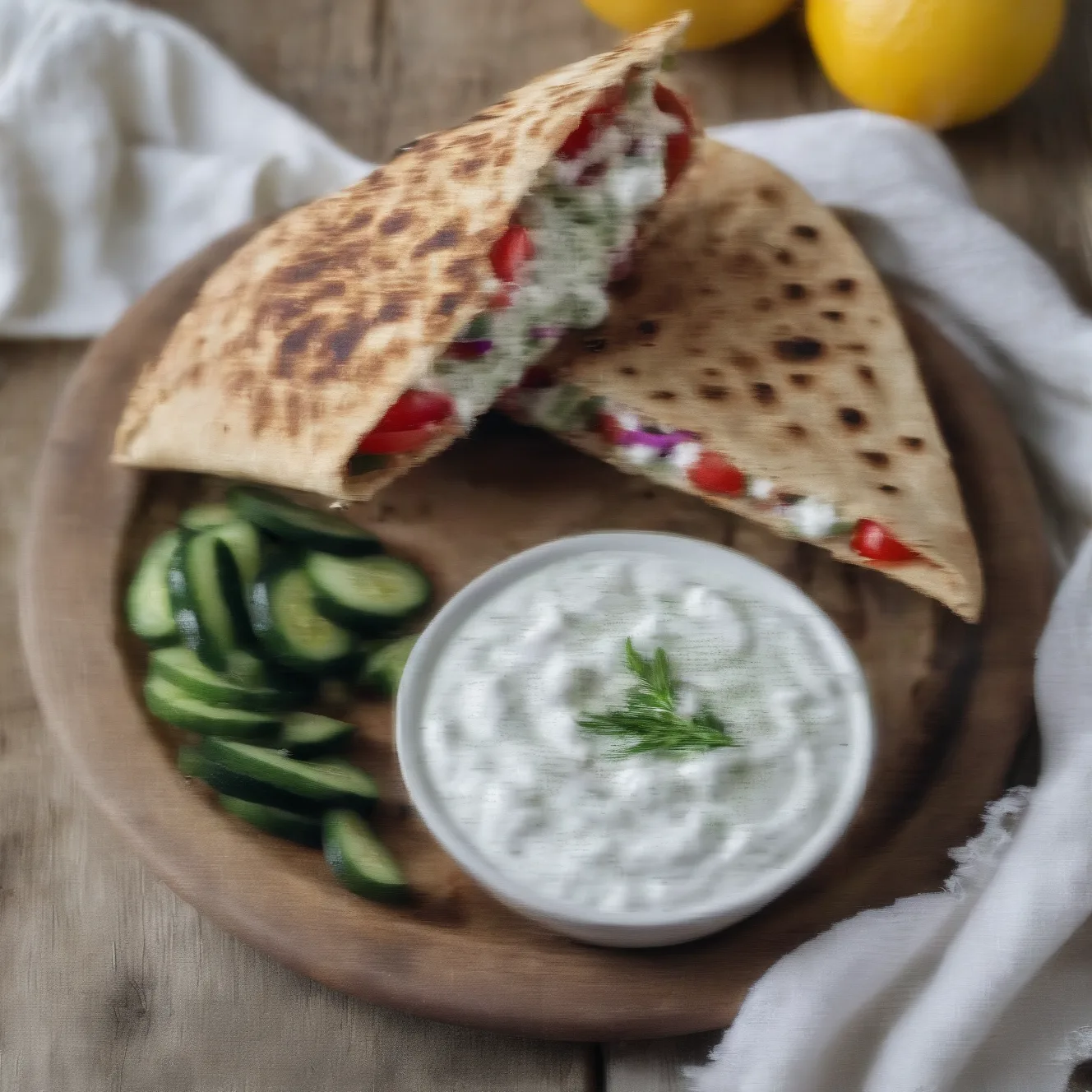
Greek Chicken Gyro Wrap
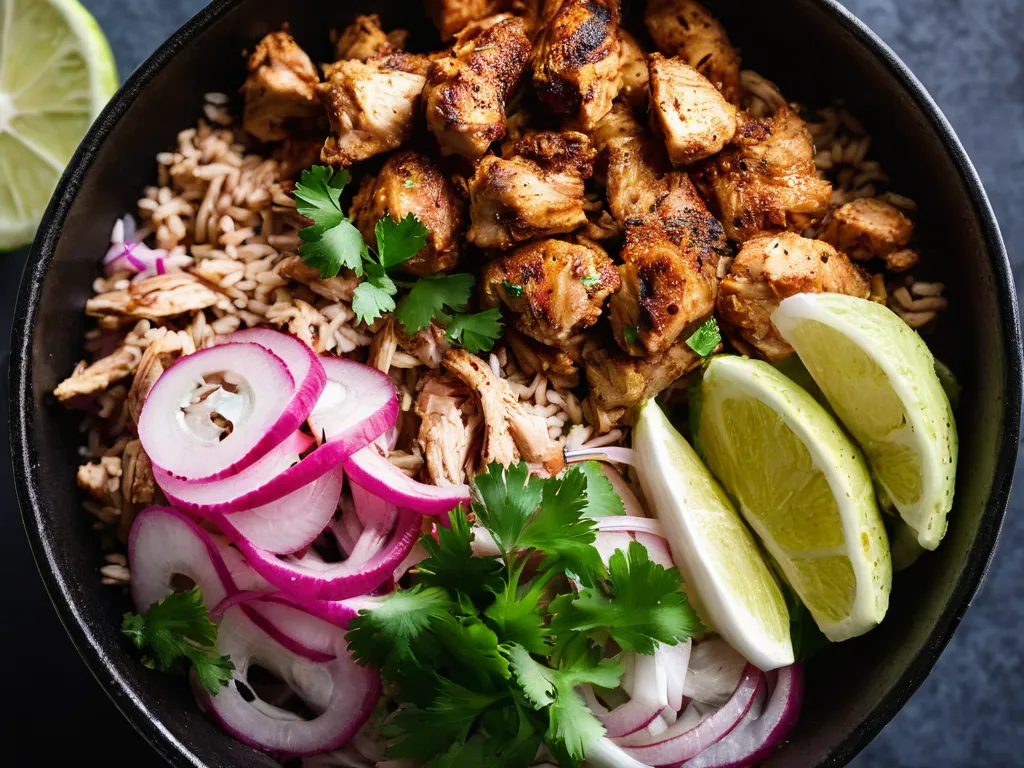
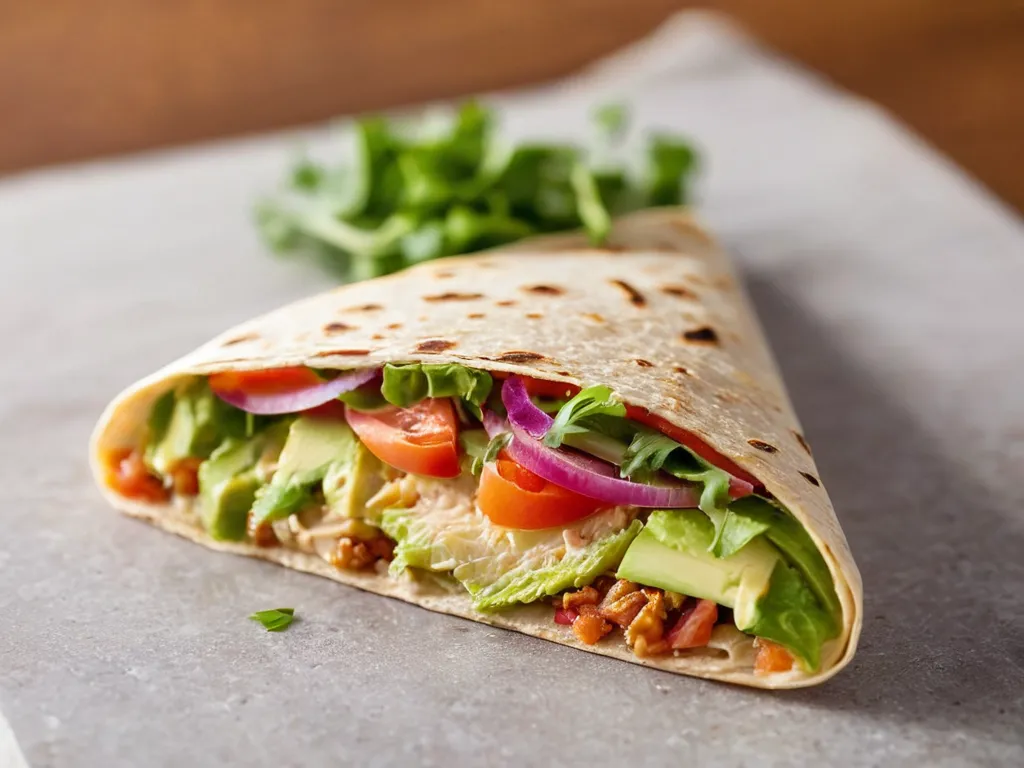
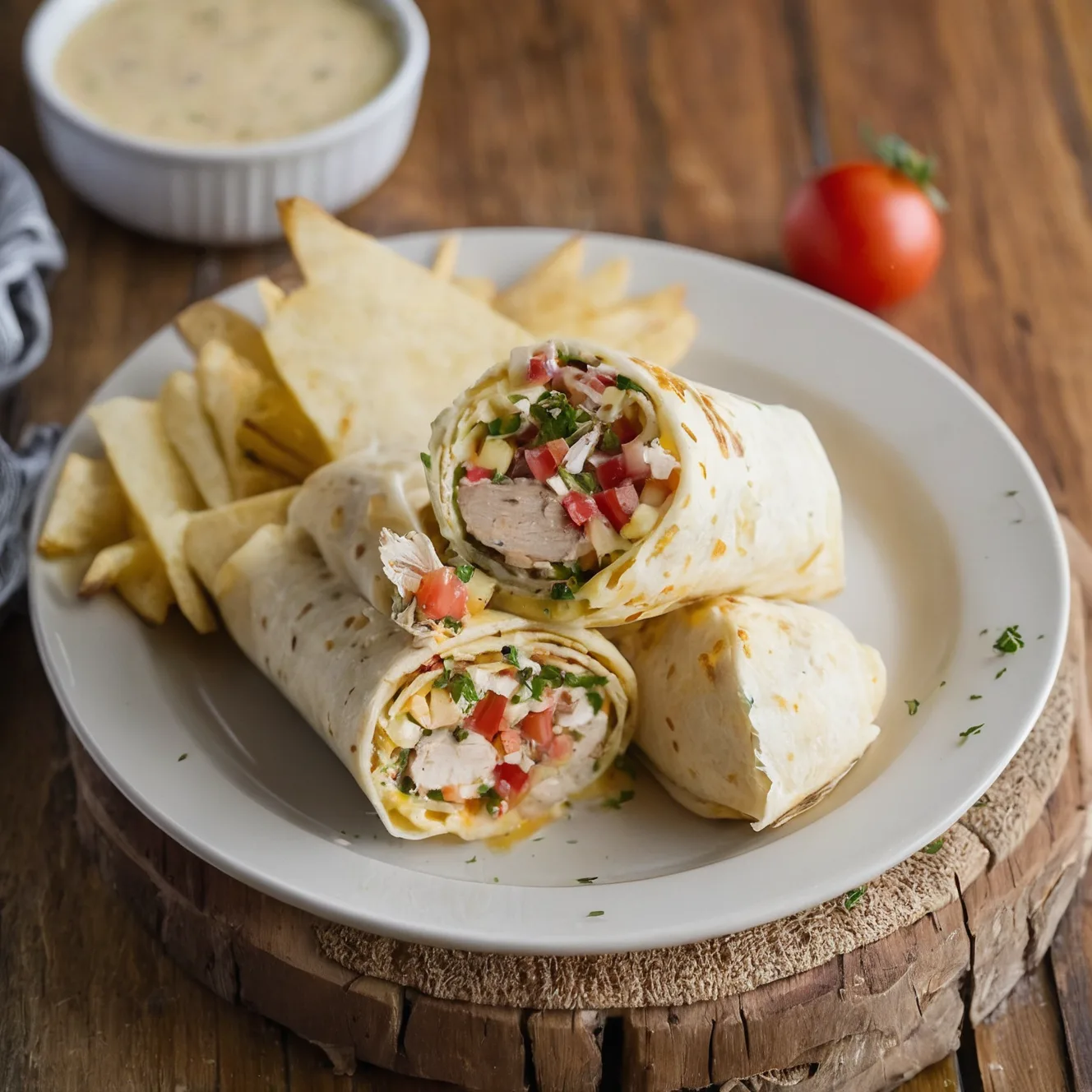
The Greek wrap trend on TikTok didn’t go viral once — it goes viral on a loop, and for good reason. Marinated chicken thighs cooked until charred at the edges, loaded into warm pita with cool homemade tzatziki, crisp tomato, red onion, and crumbled feta: it is genuinely one of the best wraps you can make at home, and it comes together in 20 active minutes once the chicken has marinated.
TL;DR: Chicken thighs over breasts (they stay juicy at high heat). Squeeze every drop of water from the grated cucumber before making tzatziki (or it goes runny). Marinate overnight if you can. Warm pita on an open flame. Tzatziki on the pita first — this is the structural move that prevents the bread from turning soggy.
What “Gyro” Actually Means — and Why the Home Version Works
The word gyros (γύρος) is Greek for “turn” — a direct reference to the vertical rotisserie that slow-roasts seasoned meat and shaves it off in thin strips. Traditional Greek gyros uses pork (in Greece, where pork gyros is the dominant street-food version) or a beef-and-lamb blend (the Americanized version). Chicken gyros — κοτόπουλο γύρος — is popular across Greece as a lighter option.
The home version skips the rotisserie and uses a cast iron skillet at high heat to achieve something similar: caramelization and char on the outside, juicy meat inside. The fat in chicken thighs is doing a lot of the work here — it self-bastes during cooking the same way the rotisserie’s rotating fat cap does. The result isn’t identical to a real gyro from an Athens souvlaki stand, but it’s remarkably close in flavor, and you can make it on a Tuesday night.
Chicken Thighs vs. Breasts — This Choice Matters
Chicken thighs are the correct call for Greek-style wraps. Here’s why it’s not a close decision:
Thighs have roughly double the fat of breasts (about 10–14g vs 5–7g per 4 oz, depending on trim). That fat serves three functions: it carries flavor compounds from the marinade deep into the meat, it prevents drying out at the high heat needed for a proper char, and it provides the slightly rich, savory mouthfeel associated with gyro meat.
Breasts cooked at the same temperature often finish dry or stringy through the center — the outside chars before the inside comes up to temperature. If you’re committed to chicken breast, pound them to a uniform ½-inch thickness and reduce cook time to 4 to 5 minutes per side. But for the full experience, use thighs.
The Marinade — What Makes It Greek
The four-ingredient backbone of Greek chicken marinade is: olive oil, lemon juice, garlic, and dried oregano. Everything else is a supporting player.
Olive oil is the fat that helps the spices coat the meat evenly and encourages browning.
Lemon juice is the acid that begins breaking down the surface proteins (tenderizing) and delivers the bright, citrus-forward note you recognize in gyros. Don’t substitute bottled lemon juice if you can avoid it — fresh lemon has aromatic oils in the zest that concentrate into the marinade liquid as the juice releases.
Garlic. Freshly minced, not pre-minced from a jar if possible. The allicin compounds that give garlic its flavor oxidize quickly after crushing; fresh-minced garlic has a sharper, more intense flavor.
Greek oregano (rigani) is more potent than the dried oregano you’ll find in most grocery spice aisles. It has higher concentrations of carvacrol and thymol — the essential oils responsible for that pungent, almost medicinal herbal character that makes Greek food taste Greek. Standard Italian or Mexican dried oregano is milder; it works as a substitute but the result will be noticeably less intense. Look for jars specifically labeled “Greek oregano” or “rigani” at specialty stores or order online. The difference is real and worth the effort.
Cumin and paprika round out the profile — cumin adds earthiness, paprika adds color and a mild sweetness. These are common in Greek chicken gyros specifically (less so in pork or lamb versions).
Marinate at minimum 30 minutes. Two to four hours is meaningfully better. Overnight is ideal — the flavors penetrate the full thickness of the thigh.
Tzatziki From Scratch — The Technique That Matters
Store-bought tzatziki is a poor substitute here because most commercial versions are too thin, too garlicky (from preserved garlic), and often use low-fat yogurt that doesn’t cling. Making tzatziki from scratch takes about 5 minutes and the result is incomparable. The only real technique is the cucumber step.
Step 1: Start with full-fat Greek yogurt. Fage 5% is the benchmark for this recipe — thick enough to hold its shape, tangy but not sharp. 0% or 2% yogurt can work but produces a thinner sauce that weeps more readily.
Step 2: Squeeze the cucumber dry. This is the step most people skip, and it ruins the tzatziki. English and Persian cucumbers are 95–96% water by weight. Grate on the large holes of a box grater, then transfer to a clean kitchen towel and squeeze firmly and repeatedly until almost no liquid comes out. The pile of grated cucumber should go from wet and loose to compact and almost dry. After squeezing, the amount of cucumber will reduce by roughly half.
Dill vs. mint in tzatziki: Both are traditional. Dill (anise-adjacent, feathery) is more common in northern Greece and Greek-American versions; fresh mint gives a cooler, brighter note that some prefer in summer. Fresh herbs are significantly better than dried here — if using dried dill, use ¼ of the fresh amount and taste as you go.
Resting matters. Make the tzatziki at least 20 minutes before you need it. Ideally 30 to 60 minutes in the refrigerator — the garlic sharpness mellows into something more integrated rather than raw-tasting.
Cooking the Chicken — Why High Heat
The goal is not just cooked chicken — it’s charred, caramelized chicken with crispy edges that approximate the rotisserie surface texture of a real gyro. That requires high heat.
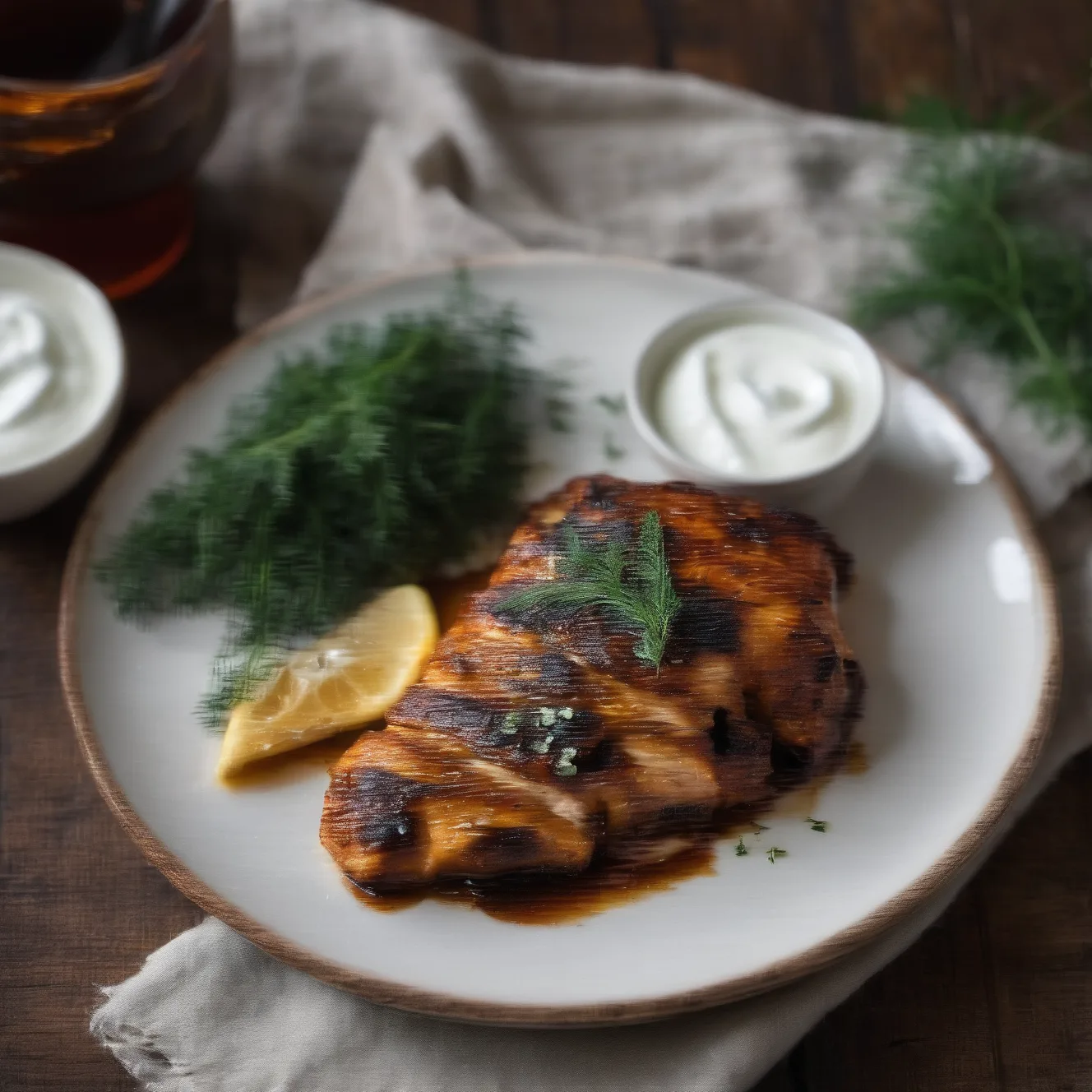
Heat the cast iron skillet until it just barely starts to smoke before adding the chicken. At that temperature, the Maillard reaction begins immediately and the surface caramelizes before much moisture has a chance to escape. Cooking on medium heat does the opposite — the moisture steams out first and you get pale, tough, less flavorful chicken.
Let the thighs cook without moving for 5 to 6 minutes on the first side. Resist the urge to check — they will release from the pan when ready; forcing them off early tears the seared crust. After flipping, cook another 4 to 5 minutes. The outside should have deep golden-brown coloring with some charred edges.
Rest 5 minutes before slicing. The internal temperature continues rising slightly during rest (carryover), and the juices redistribute instead of pooling on the cutting board.
Pita — Greek vs. Pocket
Greek-style pita is a round, disk-shaped flatbread — thicker than a tortilla, without the pocket. It’s the correct vehicle for this wrap. When heated, it becomes pliable enough to roll and develops a slight chew that holds up to the juicy filling.
Pocket pita (the kind with an air pocket inside) is Lebanese-style. Both are good breads; neither is wrong. But pocket pita doesn’t roll as well for wraps — it tends to split.
Warming technique. Using tongs, hold the pita directly over an open gas burner flame for 20 to 30 seconds per side. You want it to blister and char slightly in spots. This is the fastest method and the best-tasting one. Alternatively, a dry cast iron skillet on high heat gives the same result in 30 seconds per side. Either way — warm pita stretches when you roll; cold pita tears.
Assembly Order — It’s Not Random
- Tzatziki goes on first. Spreading tzatziki directly on the warm pita before anything else does two things: it creates a moisture barrier so the bread doesn’t absorb tomato juice, and it anchors the other fillings.
- Chicken next, in the center.
- Tomato and red onion over the chicken. The onion’s bite cuts the richness of the chicken and tzatziki.
- Feta last. Crumbling feta over everything at the end means it stays distinct — it doesn’t compress into the wrap.
Roll: fold the bottom edge up over the filling, fold in both sides, roll forward tightly. If you want a crispier exterior, place the rolled wrap seam-side down in a hot dry skillet for 2 minutes per side. This is the “smash wrap” technique — it presses and seals the roll and gives a golden, slightly crispy crust.
The French Fry Question — Yes, It’s Traditional
In Greece, it is completely normal to get fries inside your souvlaki wrap. Many Athens souvlaki stands offer it as a standard option. If you want to replicate this at home, bake or air-fry a handful of thin-cut fries until crispy and add them inside the wrap with the other fillings. The combination of hot crispy potato, cool tzatziki, and charred chicken is genuinely excellent. This is not a TikTok invention — it predates social media by decades.
Traditional Greek Gyro Additions Worth Trying
Beyond the core recipe, Greek souvlaki stands often include:
Kalamata olives — briny, fruity, and good with feta; slice in half and add with the tomato.
Fresh flat-leaf parsley — adds a clean herbal note; sprinkle over the assembled wrap.
Harissa or chili flakes — not traditional Greek, but the spice pairs well with tzatziki’s cooling effect and is common in Mediterranean fusion versions.
Roasted red pepper strips — sweet and smoky; common in Greek-American diner versions.
Cost Breakdown
| Component | Home | Restaurant |
|---|---|---|
| 4 Greek chicken gyro wraps | ~$14–18 total ($3.50–4.50 each) | $12–18 per wrap |
| Tzatziki (from scratch) | ~$2.50 total | $3–5 extra |
| Feta | ~$1.50 total | Often included |
A family of four eats for the cost of one restaurant gyro.
Storage and Make-Ahead
Chicken: Cooked sliced chicken keeps 4 days refrigerated. Reheat in a dry skillet over medium heat to restore some char — the microwave works but softens the texture.
Tzatziki: 3 to 4 days refrigerated in an airtight container. Stir before using; some liquid separation is normal. Do not freeze (the Greek yogurt breaks and becomes grainy).
Marinated uncooked chicken: Up to 24 hours in the marinade. Beyond that, the lemon acid begins to “cook” the outer surface and creates a slightly grainy texture.
Assembled wraps: Do not store assembled. Keep all components separate and assemble fresh.
More Mediterranean Recipes to Make at Home
- Viral TikTok Chicken Shawarma — the Levantine cousin of this wrap: warm-spiced marinated chicken in flatbread with garlic sauce. Master both and you cover the whole grilled-meat-in-pita family.
- CAVA Crazy Feta — the whipped, spicy feta spread that makes an excellent upgrade to (or swap for) tzatziki inside this wrap.
- Viral TikTok Baked Feta Pasta — the same craveable salty-creamy feta, turned into a one-pan dinner.
- Crispy One-Pan Gnocchi — another viral recipe built on the same don’t-touch-it, high-heat skillet method used here for the chicken.