


Pin It

Viral TikTok Calabrian Chili Pasta — The Spicy Butter Noodles Everyone's Making

Viral TikTok Calabrian Chili Pasta — The Spicy Butter Noodles Everyone's Making
Jump to Recipe
Prep 5 min Cook 15 min Serves 2
Quick answer: Boil 8 oz ditalini (or spaghettini) in heavily salted water. Meanwhile, heat 3 tablespoons olive oil in a skillet over low heat. Add 6 grated garlic cloves and 1–2 tablespoons jarred Calabrian chili (packed in oil) — cook gently 2 minutes until fragrant, not browned. Pour in ⅓ cup dry white wine, raise to medium-high, and let it reduce until nearly gone, about 3 minutes. Add the cooked pasta directly from the pot using tongs, bringing ¼ cup pasta water with it. Off heat, add 2 tablespoons cold butter and toss vigorously until the sauce is glossy and clings to every piece of pasta. Add pasta water in tablespoon increments if it tightens up. Finish with grated Parmesan and chopped parsley. The mistake that kills this dish: using red pepper flakes instead of actual Calabrian chili. They're not interchangeable — Calabrian chili is fruity, oily, and complex; red pepper flakes are just heat.

Shop the tools

Gear matched to this recipe. These are Amazon affiliate links — we may earn a small commission if you buy, at no extra cost to you.

As an Amazon Associate, Copycat Spices earns from qualifying purchases. Product images are generic illustrations, not the exact item listed.

Viral TikTok Calabrian Chili Pasta — The Spicy Butter Noodles Everyone's Making

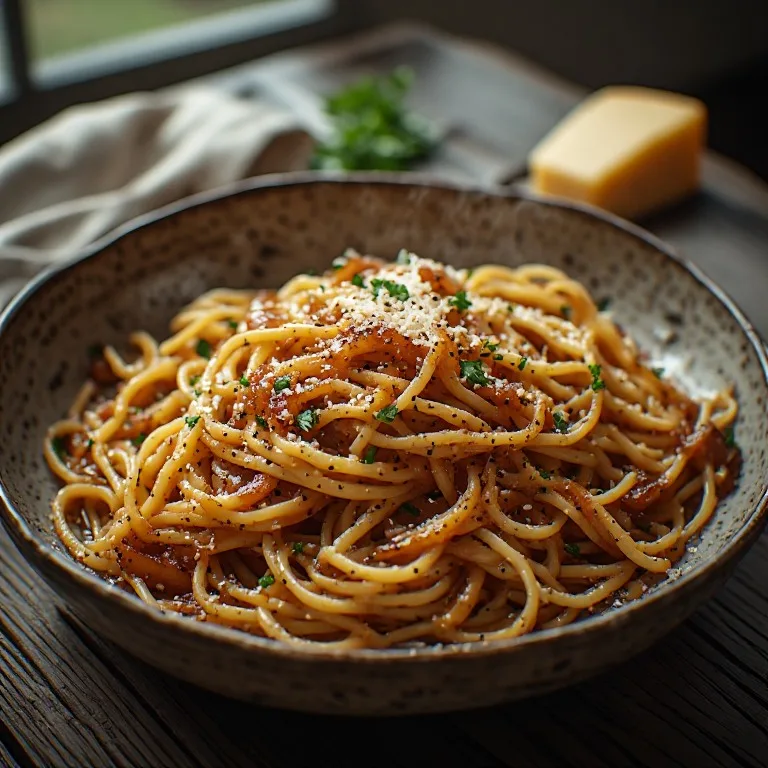
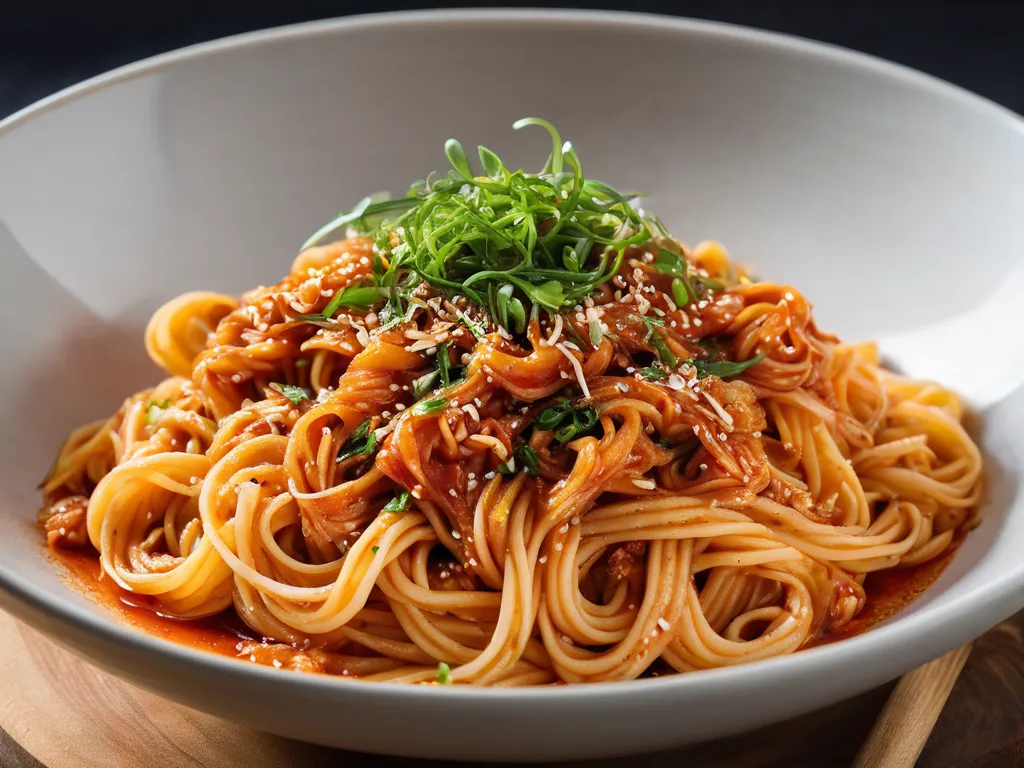
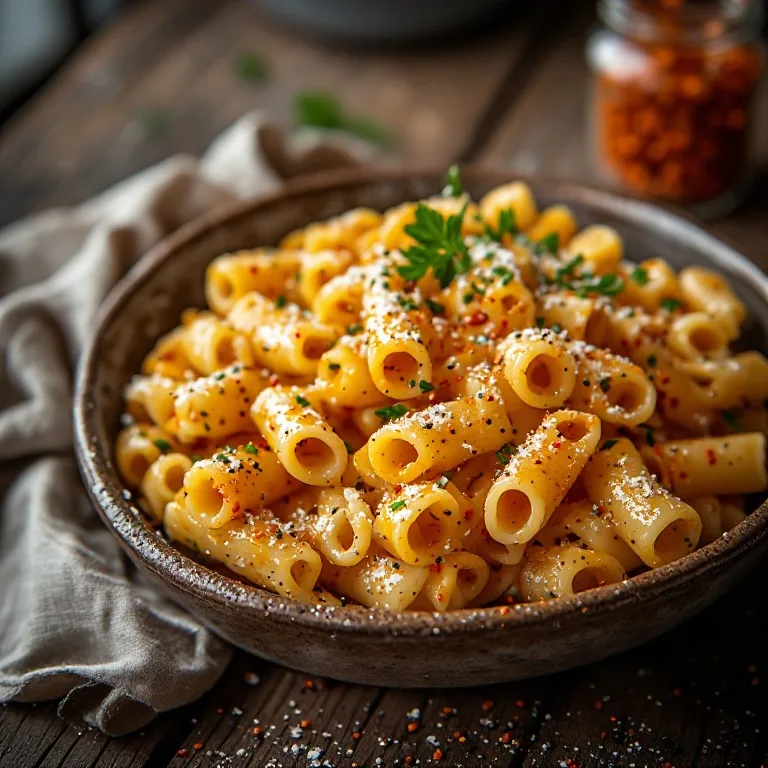
The viral TikTok Calabrian chili butter pasta, done right. 20 minutes, one pan, but most versions use the wrong chili entirely. Here are the three things that separate the glossy, restaurant-level sauce from the greasy, flat version.

Easy Prep: 5 min Cook: 15 min Total: 20 min2 servings ~$4.50/serving
Prep5 min
Cook15 min
Total20 min
Servings
2
At home~$4.50/serving
vs
Restaurant~$20.25/serving
You save ~78%

The Story Behind the Recipe

The viral TikTok Calabrian chili butter pasta, done right. 20 minutes, one pan, but most versions use the wrong chili entirely. Here are the three things that separate the glossy, restaurant-level sauce from the greasy, flat version.

Nutrition Facts

Per serving (2 servings)
Calories620
Total Fat26g
Total Carbs78g
Dietary Fiber4g
Protein18g

* Estimated values based on standard recipe preparation. Actual values may vary.

Ingredients

  • The pasta
  • The sauce
  • The finish

Instructions

💡
Pro tip: This recipe tastes even better the next day. The flavors need time to meld together in the fridge.
❄️
Storage: Keeps in an airtight container in the fridge for up to 2 weeks. Freezer-friendly for up to 3 months.
🎃 Free Halloween cookbook — download now The Copycat Halloween Cookbook A ready-made, photo-illustrated PDF of our best halloween copycat recipes — free to download, no building required. Pay what you want to support if you love it.

Free PDF — instant download. We'll also send new seasonal copycat recipes now and then; unsubscribe anytime. Or just download it →

The Dish TikTok Actually Got Right

Most viral pasta recipes are oversimplified to fit a 30-second video. The Calabrian chili butter pasta is one of the exceptions — its simplicity is the point, and the technique is genuinely learnable from a video if you know what to watch for.

The dish is essentially aglio e olio (garlic and oil pasta) taken in an Italian-spicy direction: instead of red pepper flakes, you use jarred Calabrian chili peppers packed in oil from the toe of the Italian boot. The difference sounds subtle. It isn’t. It’s the same cold-butter emulsification that makes a proper cacio e pepe cling to the pasta — here it just carries chili and wine instead of pepper and cheese.

The three things that actually matter in this recipe:

1. The chili you use. Red pepper flakes are heat. Calabrian chili is heat plus fruit plus funk plus the oil it’s packed in. When you cook jarred Calabrian chili in olive oil for two minutes over low heat, the oil in the pan turns a deep orange-red and smells like something between a fresh pepper, dried fruit, and very mild vinegar. That’s the flavor base for the entire sauce. Red pepper flakes heated in oil give you spicy oil. Calabrian chili gives you a sauce. They are not interchangeable.

2. The wine reduction. Most TikTok versions pour white wine into the pan and immediately move on. The wine needs to reduce by 75% — to the point where the sharp smell of alcohol is completely gone and what remains in the pan is a small amount of concentrated, slightly sweet liquid that smells like concentrated white grape and not like wine. That takes about 3 minutes over medium-high heat. Skip it and the wine’s harshness stays in the sauce.

3. Cold butter, off heat, vigorous tossing. This is the emulsification step that converts oil + pasta water into a glossy sauce. The butter must be cold (straight from the fridge), the pan must be off the heat, and you must toss aggressively for 30 to 45 seconds. What you’re doing physically is dispersing cold fat into small droplets that the starchy pasta water holds in suspension — the same mechanism as finishing a French pan sauce with butter. Warm butter skips past emulsification directly to separation, leaving you with greasy pasta instead of glossy pasta.

What “Glossy” Actually Means

The visual marker that tells you the emulsification worked is the sauce’s behavior: it coats the pasta uniformly and moves with it when you shake the pan. It doesn’t pool in the bottom of the bowl. It doesn’t sit on top of the pasta like a sheen of oil. Each piece of ditalini should be wrapped in an even, slightly thick coating that looks almost lacquered.

If it’s pooling (too thin): toss over low heat for 30 more seconds to reduce.
If it’s separating into oil and water (too greasy): add one tablespoon of cold pasta water and toss hard.
If it looks right but tightens up as you plate: add half a tablespoon of pasta water and toss once before serving.

Variations That Work Without Breaking the Emulsion

Add burst cherry tomatoes: Halve 10 to 12 cherry tomatoes. Before the garlic step, add them to the pan in the olive oil over medium-high heat. Let them cook untouched for 2 minutes until they burst and char slightly on one side. Then add garlic and chili and proceed as written. The tomatoes collapse into jammy pools that carry the chili oil beautifully.

Add guanciale or pancetta: Render ¼ cup of cubed guanciale or pancetta in the pan before the garlic step, remove the crisped meat, and build the sauce in the rendered fat. Return the guanciale at the finish. This is the direction toward pasta all’amatriciana — not traditional but extremely good.

Make it creamy: After the butter emulsification, stir in 2 tablespoons of Calabrian chili paste and 3 tablespoons of heavy cream off heat. The cream breaks slightly against the chili’s acidity but then comes back together when the Parmesan goes in. It’s richer and less clean than the pure butter version, but it’s what a lot of TikTok creators are doing with it.

Double the garlic: Six cloves is the baseline. Eight cloves gives you an aglio e olio level of garlic presence that some people love. The key is still cooking over low heat — more garlic means more risk of burning; keep the oil temperature steady.
Frequently Asked Questions

Where do I find jarred Calabrian chili peppers?

Tutto Calabria is the most common brand — available at Whole Foods, Eataly, most Italian grocery stores, and Amazon. It comes in both whole peppers packed in oil and a paste; either works here. Trader Joe's sells a Calabrian chile paste that works well. In a pinch, look for any jarred Italian chili peppers packed in oil. If you truly cannot find them, the closest substitute is a combination of ½ teaspoon red pepper flakes plus 1 teaspoon of good tomato paste — you'll get the heat but not the fruity complexity.

Can I make this without wine?

Yes, with a small adjustment. Replace the wine with 3 tablespoons of chicken broth (or vegetable broth for vegetarian) plus 1 teaspoon of white wine vinegar. Add both to the pan at the same time, raise the heat to medium-high, and let it reduce by about 75% — about 2 minutes. The broth brings body and the vinegar mimics the wine's acidity. The result is slightly less complex but still very good.

Why is my sauce greasy and not glossy?

Three causes: (1) The butter was not cold enough — warm butter separates rather than emulsifying; make sure it's straight from the fridge; (2) The pasta water was not starchy enough — this happens when you over-dilute the cooking water or didn't salt it enough; heavily salted, starchy pasta water is essential for emulsification; (3) The pan was still on the heat when you added the butter — pull the pan fully off the burner, add cold butter, and toss aggressively. Add a tablespoon of fresh pasta water and continue tossing if it's still separating.

Can I add protein to this?

Yes. The most natural additions: burst cherry tomatoes (halved, tossed into the garlic-chili oil for 90 seconds before adding the wine), Italian sausage (remove from casing, crumble into the skillet before the garlic, brown completely, remove, then build the sauce in the sausage fat), or shrimp (sear shrimp separately in the same pan before the garlic step, remove, and return at the finish so they don't overcook). Chicken thighs also work — pound thin, sear in the same pan first, rest, slice, and lay on top at serving.

Is Calabrian chili the same as chili crisp?

No — they're both chili-in-oil products but they're completely different. Chili crisp (like Lao Gan Ma) is Chinese, built on dried chilies, fried garlic, fermented black beans, and usually MSG; it's crunchy and umami-forward. Calabrian chili is Italian, made from fresh Calabrian peppers preserved in olive oil; it's fruity, slightly fermented, and wine-like. They're not interchangeable in this dish — Calabrian chili gives it an Italian character that makes the butter-pasta sauce coherent. Chili crisp would be delicious in a different pasta dish (like gochujang butter noodles) but would taste off here.

How hot is this dish with 2 tablespoons of Calabrian chili?

Medium-hot — a noticeable, slow-building heat that doesn't overwhelm. Calabrian chili is warm and fruity rather than sharp and aggressive; it sits around 25,000–40,000 Scovilles, similar to a serrano pepper. With 1 tablespoon, the dish is mildly spicy and most people would call it 'flavorful.' With 2 tablespoons, it builds heat through the meal and you'll feel it. The butter and Parmesan moderate the heat significantly — the dairy fat coats the mouth and dampens the capsaicin. If you're very heat-sensitive, start with 1 teaspoon.

Can I use spaghetti instead of ditalini?

Yes — spaghettini (thin spaghetti) is actually the more traditional version of this dish and what many TikTok versions use. Regular spaghetti works but is a little thick for the sauce volume. Spaghettini or angel hair gives a more elegant plate. If using long pasta, drain it a full minute before the package says al dente — long pasta finishes in the pan as you toss it through the sauce, and it cooks faster than ditalini.

Love this recipe? Share it!

Free PDF: our 12 most-wanted copycat recipes — instant download.

Made it? Buy us a coffee

Every recipe here is free, with no paywalls. If this one was a hit at your table, a small tip keeps new copycats coming.

$

Ratings & Reviews

—
No ratings yet

Rate this recipe

Click a star to rate

Leave a Review

0/500

CS

Copycat Spices Editorial

Researched + fact-checked. Every recipe on Copycat Spices is built from published sources — official ingredient lists, brand-published recipes, interviews and food-science references — and fact-checked before it goes live, then written as clear, step-by-step instructions for home cooks of all skill levels.

Learn more about our mission →