

Every fall, TikTok rediscovers cowboy candy. Someone pulls a jar from the back of their grandmother’s pantry in Texas, cuts to the cream cheese hack, and within 48 hours there are 40,000 duets of people pouring jalapeño syrup over cream cheese blocks at 11pm.
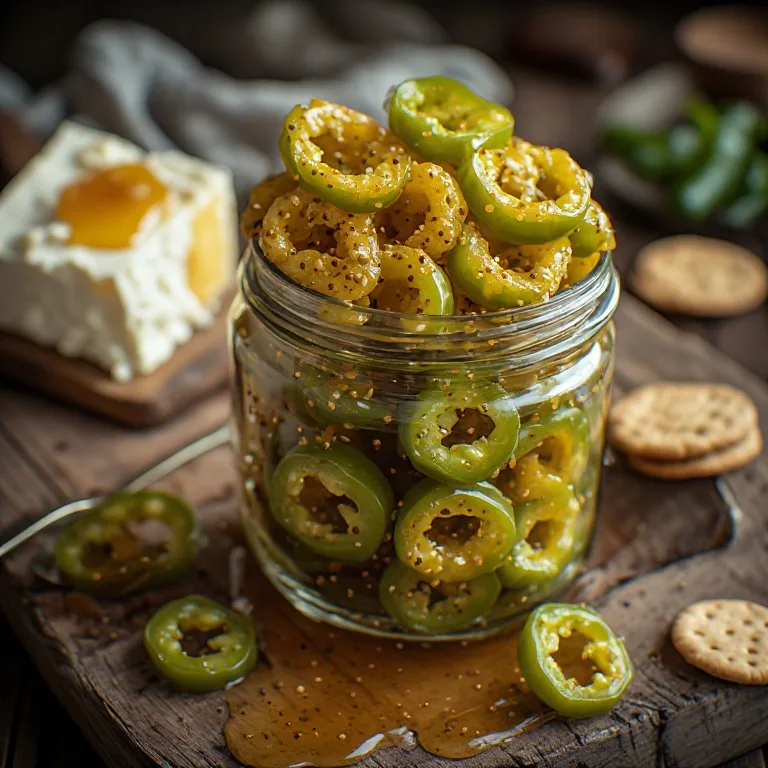
The thing is, cowboy candy is genuinely as good as it looks. The combination — sweet sugar syrup, sharp apple cider vinegar, garlic, turmeric, and the slow heat of fresh jalapeños — produces a condiment that’s hard to categorize and hard to stop eating. It’s not quite pickled. Not quite a jam. Not quite a hot sauce. It’s its own thing, and it’s been sitting in Texas kitchens for decades waiting for TikTok to notice.
This page covers the recipe exactly — the one that works, not the approximated versions that produce mushy jalapeños and watery syrup — plus every use for the “liquid gold” syrup that keeps collecting in the pot.
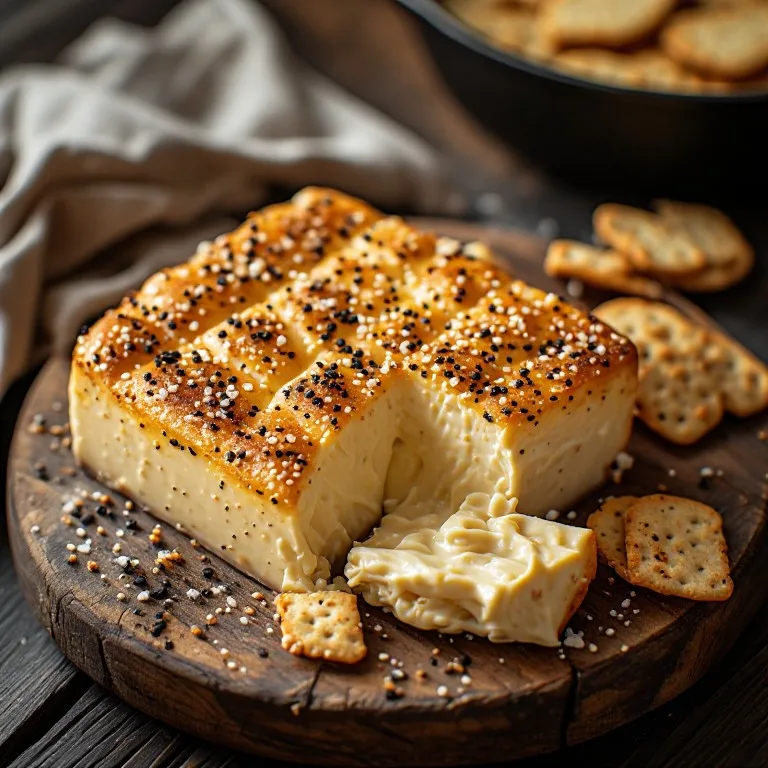
The Liquid Gold Cream Cheese Hack (Why TikTok Keeps Returning)
The cream cheese hack is not a hack. It’s been in Texas kitchens since at least the 1990s, and any grandmother who made cowboy candy knew that the leftover syrup was the best part. TikTok just finally let the rest of the country in on it.
Here’s the setup: after you fill your jars with jalapeños and top them off with syrup, there’s hot liquid left in the pot. Maybe a cup. Maybe more. It’s the concentrated essence of the cowboy candy — deeply sweet, sour from the vinegar, golden from the turmeric, spiced with cayenne and garlic, and now infused with jalapeño flavor from having cooked the peppers in it.
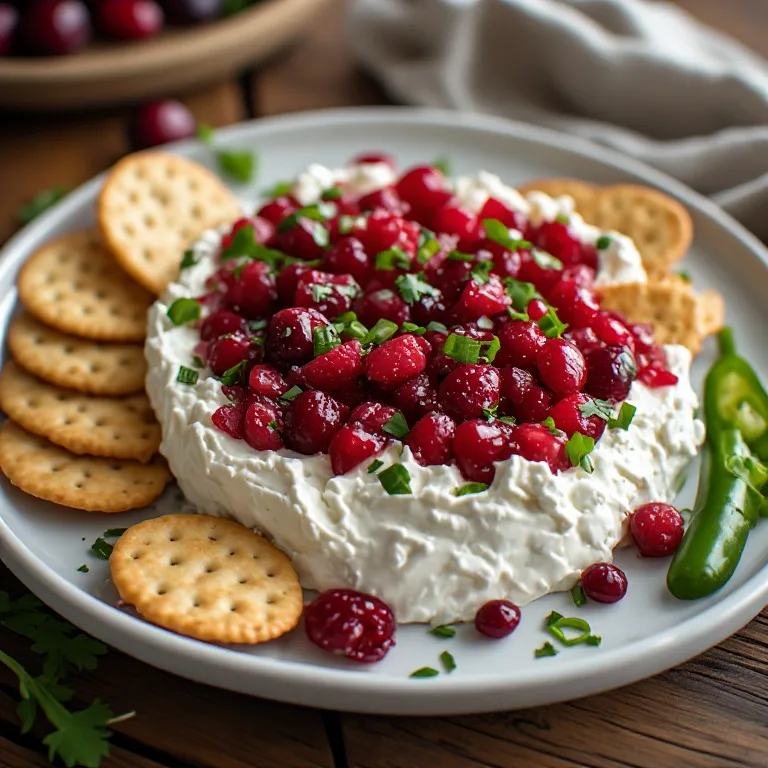
Pour that syrup over a cold block of cream cheese. Serve with Ritz crackers.
That’s the whole hack. The syrup is warm when you pour it, so it immediately starts to soften the outer surface of the cream cheese while the inside stays cold and dense. You drag a cracker through both — the sweet-sour-spicy syrup, the cool creamy cheese — and you get a combination that’s genuinely hard to put down.
Make the cream cheese hack the same night you make the cowboy candy. Don’t wait a week for this part. The rest of the jars are for the cured, rested version. The syrup is for tonight.
The Four-Minute Rule
The biggest mistake in cowboy candy is overcooking the jalapeños.
Many recipes say “cook until softened” or “cook for 10 minutes.” Those recipes produce mushy cowboy candy that disintegrates on crackers and falls off burgers. The jalapeños should have structure — slightly softened at the edges, with a little resistance when you bite through. They’re going to continue softening as they cool in the hot syrup and then again as they cure in the jars over the next week. Starting mushy means ending worse.
Four minutes in the boiling syrup. Stir once or twice to keep them submerged. Then immediately use the slotted spoon to transfer the jalapeños to the jars — don’t let them sit in the cooling syrup in the pot, where they’ll continue to cook from residual heat.
The Syrup First Principle
The syrup gets cooked before the jalapeños go in, and this matters. Five minutes of hard boiling concentrates the sugar and vinegar, reduces some of the harsh vinegar edge, and brings the syrup to a point where it’s thick enough to actually cure the jalapeños rather than just sitting around them.
Skipping the pre-cook means watery cowboy candy with a sharp, almost harsh vinegar bite. The sugar hasn’t caramelized even slightly; the spices haven’t had time to bloom. Pre-cooking the syrup is what produces the complex, round, golden result people are expecting.
You don’t need a candy thermometer. Five minutes of full rolling boil is the metric. If the syrup is boiling hard enough that it keeps trying to crawl up the sides of the pot, that’s the right level. If it’s just simmering gently, turn up the heat.
Heat Level: How to Control It
Fresh jalapeños vary wildly. A grocery store jalapeño from a hydroponic operation in winter is often barely hotter than a poblano. A farmers market jalapeño from a late-summer Texas drought can make your eyes water.
Before you start, taste a thin slice of one jalapeño. If it’s mild, lean toward 1 teaspoon cayenne in the syrup and keep all the seeds and membranes. If it’s already fiery, reduce the cayenne to ¼ teaspoon and rinse the sliced rings briefly under cold water (this removes surface capsaicin oil and noticeably reduces heat without changing the flavor profile of the finished candy).
You can also extend a very hot batch by adding a pound of sliced sweet mini peppers in the same syrup. They pick up the sweet-spicy-tangy flavor of the cowboy candy without adding heat, and they look great in the jars layered with the jalapeños.
What to Do With a Full Batch
Four jars of cowboy candy is a lot for one household — which is exactly the point. These are one of the best food gifts you can give, particularly in fall. A half-pint jar of homemade cowboy candy, tied with a card that says “liquid gold hack: pour the syrup over cream cheese with Ritz crackers,” is a genuinely excellent thing to hand to a neighbor, bring to a dinner party, or tuck into a holiday basket.
Beyond gifting, here’s how a full batch gets used:
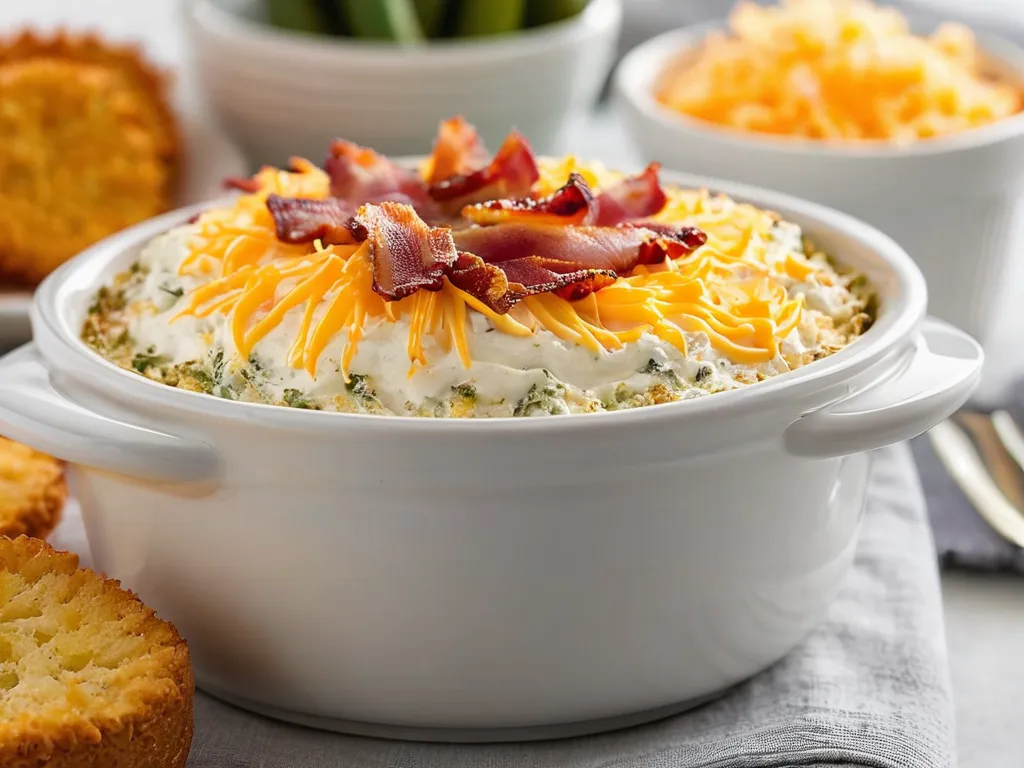
The cream cheese board: The obvious one. But cowboy candy also works over whipped ricotta, goat cheese, or cream cheese mixed with a little cheddar. Scale the cream cheese to the crowd and you have an appetizer for 20 people built on one jar.
Burgers: Three or four rings and a drizzle of the syrup on a smash burger or grilled burger. The fat from the cheese and beef absorbs the sweet heat.
Pulled pork and brisket: A condiment on the side or scattered directly over the meat. The vinegar cuts the fat.
Mac and cheese: Stir 2 tablespoons of roughly chopped cowboy candy (drained) into a pot of finished mac and cheese. The sweet heat and tang work against the richness in a way that hot sauce alone doesn’t.
Cornbread batter: Fold ¼ cup of drained, roughly chopped cowboy candy into the batter before baking. Adds pockets of sweet-spicy-tangy flavor throughout.
Ranch dressing: Stir 1 teaspoon of the syrup (not the jalapeños) into ¼ cup of store-bought ranch. Serve as a dip.
The syrup alone — liquid gold — doubles as a glaze (brush over chicken thighs in the last 10 minutes of roasting), a cocktail component (spicy margarita variation: 1 oz syrup, 2 oz tequila, 1 oz lime juice, shaken), or a drizzle over flatbread pizza.
Canning vs. Refrigerator: Which to Make
If you have a water-bath canning setup and want shelf-stable gifts, process the sealed jars for 10–15 minutes (10 at sea level; 15 above 6,000 feet). Wait 12–24 hours, then press the center of each lid — if it’s solid and doesn’t flex, the seal is good. Store in a cool pantry for 12–18 months.
If you’ve never canned before and don’t want to start, the refrigerator version is just as good. Skip the water bath entirely, let the jars cool to room temperature, seal with lids, and refrigerate. They keep for 2–3 months in the fridge and are just as delicious as the canned version. The only difference is they can’t be stored at room temperature or given as shelf-stable gifts.
Both versions need the same 1-week rest before the flavor is right.