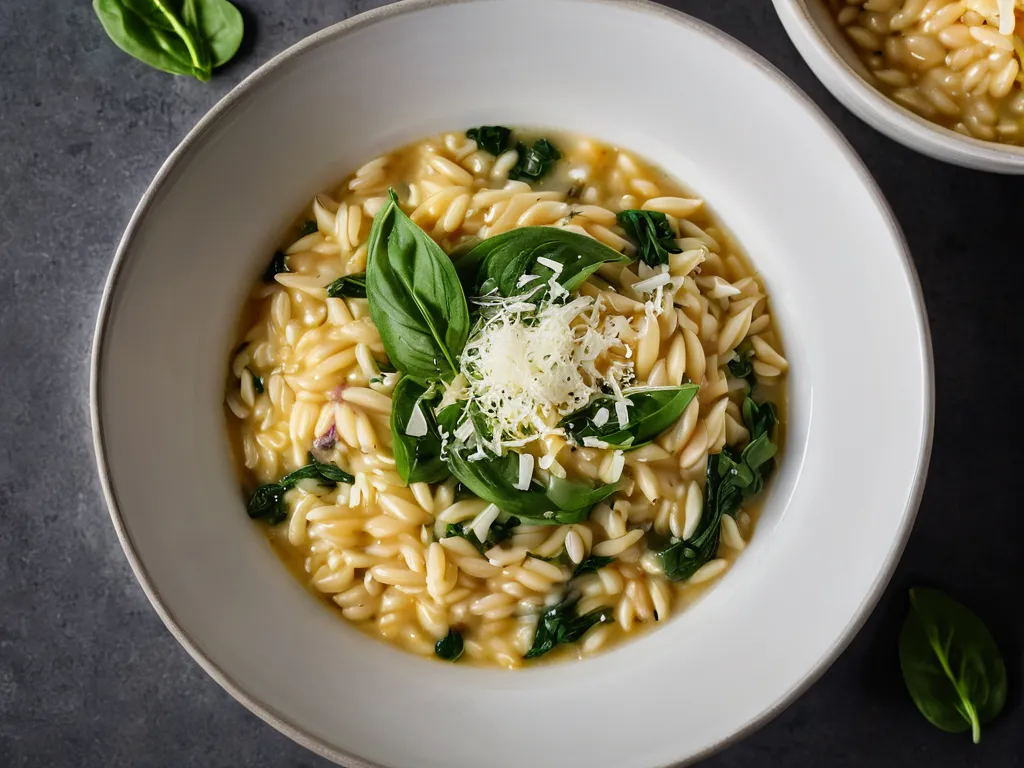
Creamy One-Pot Orzo — The 2022 TikTok Weeknight Staple
Prep: 5 min | Cook: 20 min | Serves: 3 | Cost: ~$4–5 for the batch
One-pot creamy orzo spread across TikTok in early 2022 and never really left. Food creators — Carol Bee Cooks among the most prominent, with a dedicated orzo recipe series she ran across February 2022 — showed audiences something they didn’t know: orzo, cooked in broth instead of pasta water, behaves like a miniature risotto. The starch in the pasta releases into the liquid and turns it silky without any cream added. When you stir in cream cheese and parmesan at the end, the result is richer than any 20-minute dinner has a right to be.
This is the technique guide version: why it works, how to get the ratio right, what goes wrong and why, and every protein variation worth knowing.
Why Orzo Works Risotto-Style (And Rice Doesn’t Do This)
Here is the thing that surprises people who haven’t made this before: orzo is pasta, not rice. It’s made from semolina flour, just like spaghetti. Its rice-like shape is purely aesthetic.
Because orzo is pasta, it releases starch into hot cooking liquid the same way pasta releases starch into pasta water. With regular pasta, we drain that starchy water away. With one-pot orzo, we use that starchy liquid as the base for the sauce.
Compared to traditional rice risotto, orzo has two practical advantages:
- Speed. Arborio rice needs 25–30 minutes of constant stirring to develop its creamy center. Orzo reaches the same creamy result in 10–12 minutes with only occasional stirring.
- Forgiveness. Rice risotto goes from perfect to grainy if you step away for too long or add the liquid too fast. Orzo is more tolerant — the starch releases reliably and quickly regardless of how aggressively it’s simmered.
The catch: orzo also overcooks faster. Rice risotto stays in a usable window for several minutes after it’s “done.” Orzo goes from perfect to mushy quickly, especially if you keep heating it after the liquid is absorbed. Pull it off heat slightly before you think it’s done.
The Liquid Ratio — The One Number That Matters
Most one-pot orzo failures trace back to the wrong ratio of orzo to broth:
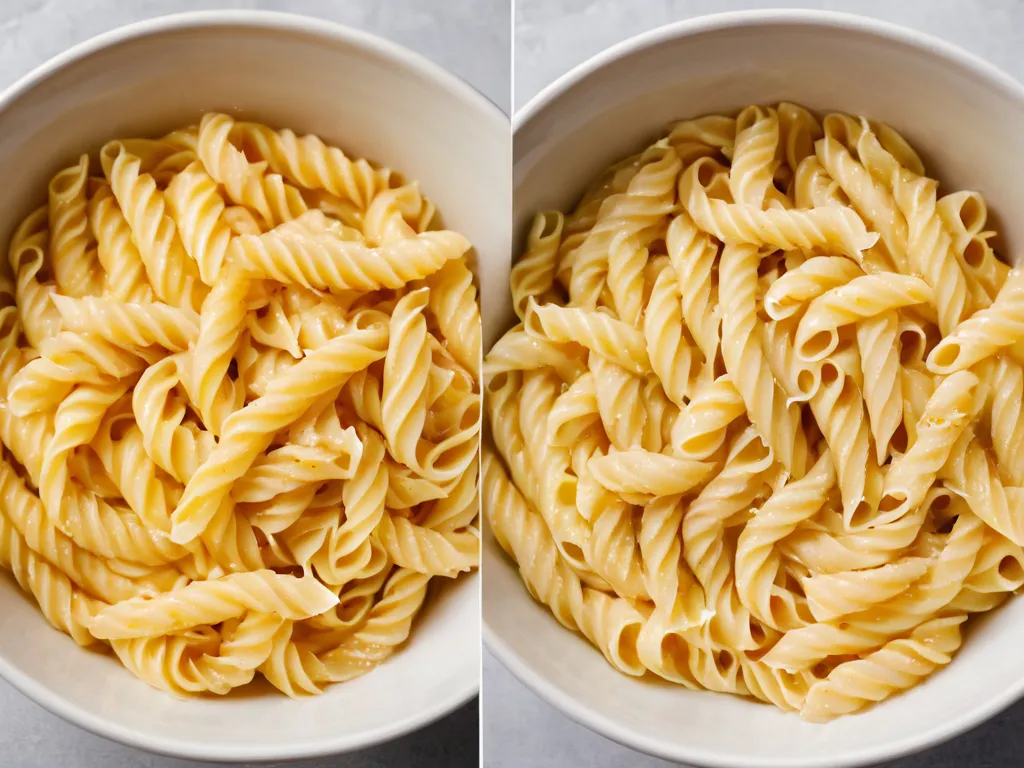
- 1 cup orzo : 2 cups broth — the pasta-style result. Orzo is tender with a slight bite, broth is almost fully absorbed, and the starch forms a glossy sauce coating each piece. This is what the recipe above uses (1.5 cups orzo : 3 cups broth).
- 1 cup orzo : 2.5 cups broth — the risotto-style result. Looser, slightly more soup-like, more sauce per bite. Good if you’re adding lots of protein or vegetables that will absorb liquid.
Both ratios work. The 1:2 version is quicker and serves people who prefer a more substantial bite; the 1:2.5 version is better for meal-prep situations where you’re reheating the next day (the extra liquid is immediately absorbed as the orzo sits and cools).
If you’re midway through cooking and the orzo has absorbed the liquid but isn’t fully tender yet: add broth 2 tablespoons at a time. If you have excess liquid when the orzo finishes cooking: cook uncovered for 1–2 minutes to reduce.
The Toasting Step
Toasting dry orzo in olive oil for 2 minutes before adding broth does two things:
- It develops a nutty, slightly roasted flavor in the outer surface of each piece — more complex than untoasted orzo.
- It coats each piece in fat, which slightly slows liquid absorption and helps the orzo hold its shape instead of turning gummy.
The visual cue: a faint golden color and a smell that transitions from “raw pasta” to “something warm and nutty.” Two minutes is usually right over medium heat. Pull back if you see browning happening too quickly.
Breaking Down the Ingredients
Broth: The base flavor of the whole dish — use broth that tastes good on its own. Low-sodium chicken broth is the most versatile (even for vegetarians who don’t mind the flavor). If using vegetable broth, pick one that isn’t too sweet (avoid carrot-heavy vegetable broths, which can make the dish taste slightly off). The broth’s salt level determines most of the dish’s saltiness — taste before seasoning at the end.
Sun-dried tomatoes: Pack-in-oil sun-dried tomatoes are significantly better here than dry-packed. They’re already softened and contribute tomato-infused oil to the sauté step. Drain them but don’t rinse — that clinging oil is flavor. Roughly chop them so you get tomato in every few bites rather than hunting for whole pieces.
Cream cheese: Use regular full-fat cream cheese at room temperature — cold cream cheese doesn’t melt smoothly and can leave small lumps. The fat content in full-fat cream cheese is what creates the silky texture; reduced-fat or non-fat will work but the finish will be slightly grainier. Add it off heat, after pulling the pan from the burner.
Parmesan: Freshly grated from a block gives significantly better melt and flavor than pre-grated. Pre-grated parmesan is coated in anti-caking cellulose that prevents it from melting smoothly — you’ll get clumps rather than a silky sauce.
Spinach: Baby spinach is easier here than full-leaf spinach because it wilts in seconds without needing to be chopped. Add it off heat — direct heat turns it army-green and slightly metallic-tasting within a minute. The residual heat of the pan handles it perfectly.
Adding Protein
The one-pot orzo base works with several protein options. Each has a different add-in timing:
Chicken thighs (best choice): Cut into 1-inch cubes and sear in the same pan before starting the orzo — 4–5 minutes over medium-high until cooked through. Set aside. Start the orzo in the same pan, using the chicken fond (the browned bits on the pan bottom) as flavor base. Return chicken in the last 2 minutes of simmering. Thighs stay juicy even if slightly overcooked; breast dries out if it goes past done.
Shrimp: The fastest option. Add large peeled shrimp (deveined) in the last 3–4 minutes of orzo cooking — shrimp at medium are opaque and pink in exactly the time it takes the orzo to finish. Pull the whole pan off heat together. Lemon juice squeezed over the top just before serving is essential with shrimp.
Italian sausage: Remove from casing and brown in the pan before starting the orzo, breaking it up as it cooks. Drain excess fat (leave about 1 tablespoon), then proceed with garlic. The sausage fat replaces some of the olive oil and seasons everything aggressively.
Chickpeas: Drain and rinse a 15-oz can and add them with the broth. They warm through in the same time the orzo cooks and add both protein and a creamy, nutty flavor contrast. This keeps the dish vegetarian and protein-adequate (approximately 15g protein per serving).
Salmon: The one protein that works differently — cook a salmon fillet separately (pan-sear 3–4 minutes per side), flake it into large pieces, and add it on top after the orzo is finished. Salmon flakes apart too easily to stir into simmering liquid without becoming salmon paste.
5 Variations Worth Making
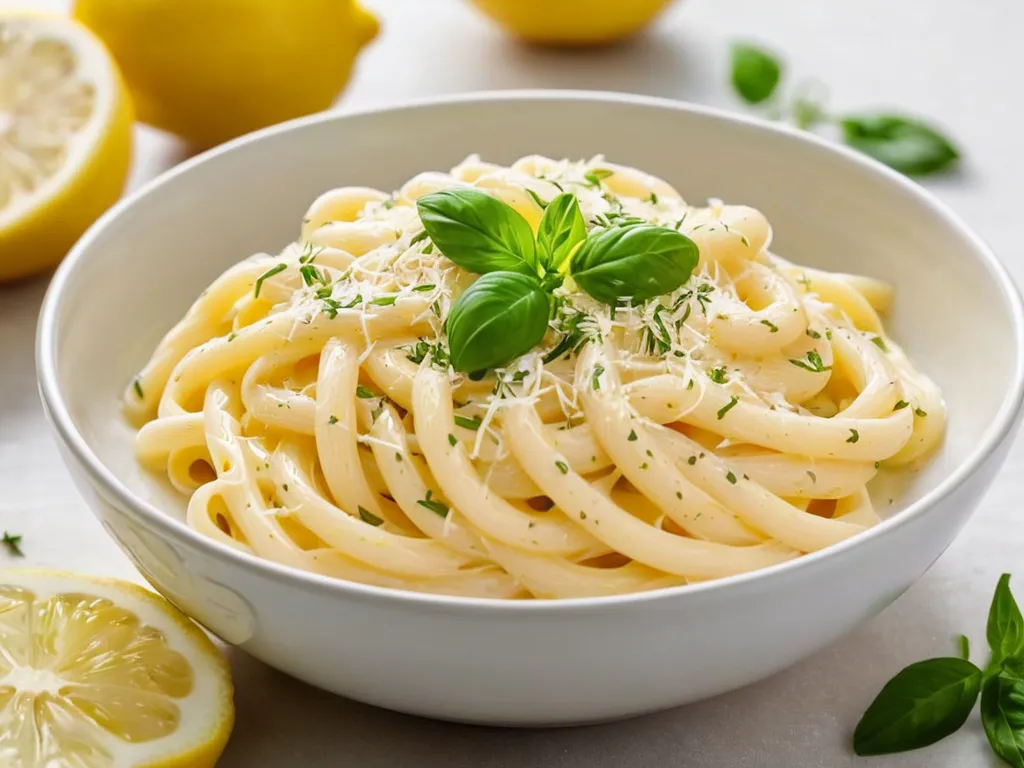
Lemon and garlic (brightest version): Add the zest of 1 lemon with the garlic and squeeze half the lemon over the finished orzo before plating. Skip the sun-dried tomatoes; add a handful of peas in the last minute of simmering. Goes well with shrimp or chicken.
Mushroom and parmesan (earthiest version): Sauté 2 cups sliced cremini or shiitake mushrooms in the pan before the garlic — 6–7 minutes until they’re properly browned (not just soft). The fond they leave behind becomes the flavor foundation for the whole dish. Skip sun-dried tomatoes; use a full cup of parmesan instead of half.
Greek-style: Replace cream cheese with 3 tablespoons crumbled feta (add off heat). Add ¼ cup pitted kalamata olives with the broth, plus 1 teaspoon dried oregano with the garlic. Finish with fresh dill and a squeeze of lemon. Serve at room temperature if desired — this variation holds better than the cream cheese version.
Spicy vodka orzo: Replace sun-dried tomatoes with 2 tablespoons of tomato paste (fry it in the oil with the garlic for 60 seconds to cook out the raw flavor). Add a big pinch of red pepper flakes and 2 tablespoons of vodka with the broth. Finish with cream cheese and parmesan. The vodka dissolves fat-soluble flavor compounds in the tomato that water alone can’t reach — it makes the tomato flavor more intense without tasting like vodka.
Boursin style: Replace both cream cheese and parmesan with one 5.2-oz wheel of Boursin Garlic & Fine Herbs, added off heat. Stir vigorously — the Boursin melts into the orzo faster than cream cheese because it’s a softer cheese. Skip the parmesan entirely; the Boursin is already deeply seasoned.
Five Common Mistakes
1. Adding spinach on the heat. This is the most common one. Even 60 seconds of direct heat on spinach turns it slimy and dull-colored. Pull the pan off heat completely before the spinach goes in.
2. Not toasting the orzo. Skipping this step isn’t catastrophic, but you’ll taste the difference — the toasted version has a more complex, rounded flavor.
3. Using cold cream cheese. Room temperature cream cheese melts into a smooth sauce in about 10 seconds of stirring. Cold cream cheese takes much longer and may leave visible white lumps. Take it out of the fridge when you start cooking.
4. Pre-grated parmesan. The anti-caking powder on pre-grated parmesan prevents clean melting. Use freshly grated from a block.
5. Not serving immediately. Orzo thickens dramatically in the pan as the starch gels and cools. Eat it within 5 minutes of finishing or add a splash of broth to loosen it back up.
Storage and Reheating
Cooked orzo keeps in the fridge for up to 3 days. It will be nearly solid when cold — don’t panic. To reheat one serving: add 3–4 tablespoons of broth (or water) to a small pan over medium-low. Add the cold orzo and stir, breaking it up as it loosens and heats. It returns to a creamy, saucy consistency within 2–3 minutes. Microwaving works in a pinch but produces a slightly gluier result; if microwaving, add broth before heating and stir halfway through.
Cost Comparison
This three-serving batch of creamy one-pot orzo costs $4–5 at home — less than $2 per serving. A comparable portion of creamy pasta at a sit-down restaurant runs $15–20. The time investment is genuinely 20 minutes with one pan to clean.
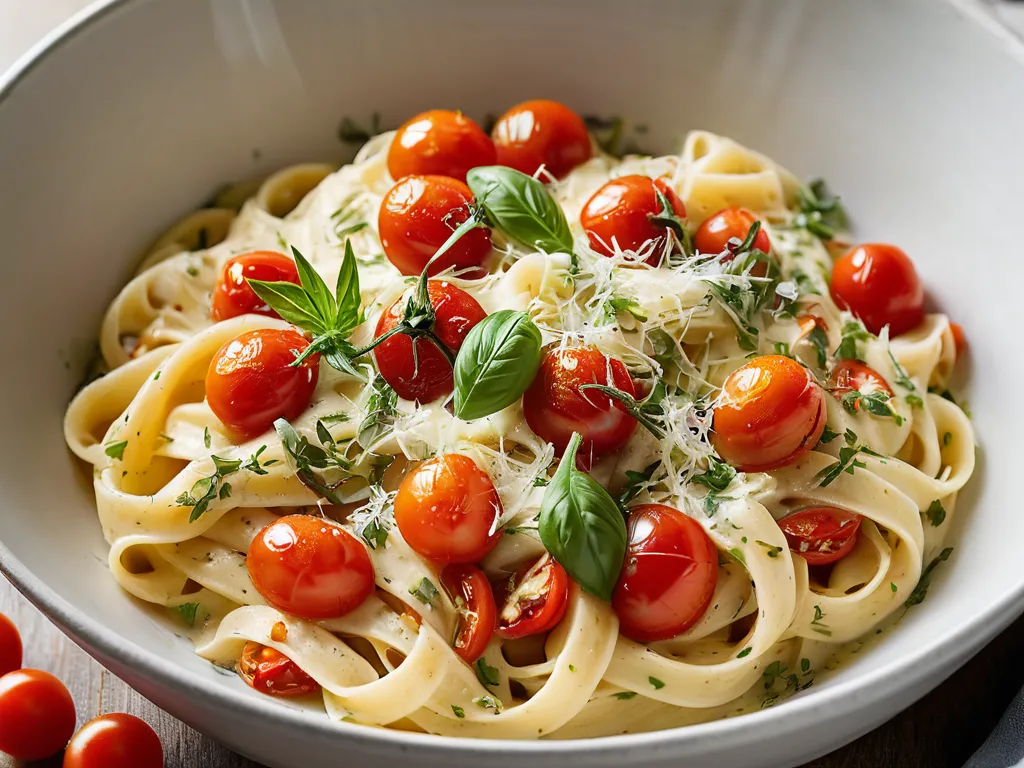
For other TikTok pasta dishes that use the same one-pan, minimal-ingredient approach, the Viral TikTok Boursin Cheese Pasta is the most direct cousin — Boursin melted into roasted tomatoes instead of cream cheese into broth. The Viral TikTok Baked Feta Pasta is the recipe that arguably started the whole “melt soft cheese into pasta” genre. For a brighter, more acidic alternative that skips any added cream, Viral TikTok Creamy Lemon Pasta builds its sauce from pasta water and parmesan alone. And if you want the orzo format with a completely different flavor direction, Viral TikTok Gochujang Pasta uses the same easy one-pan concept with a spicy fermented chili base.