


Viral TikTok Creamy Italian Sausage Orzo — The Fat Is the Sauce
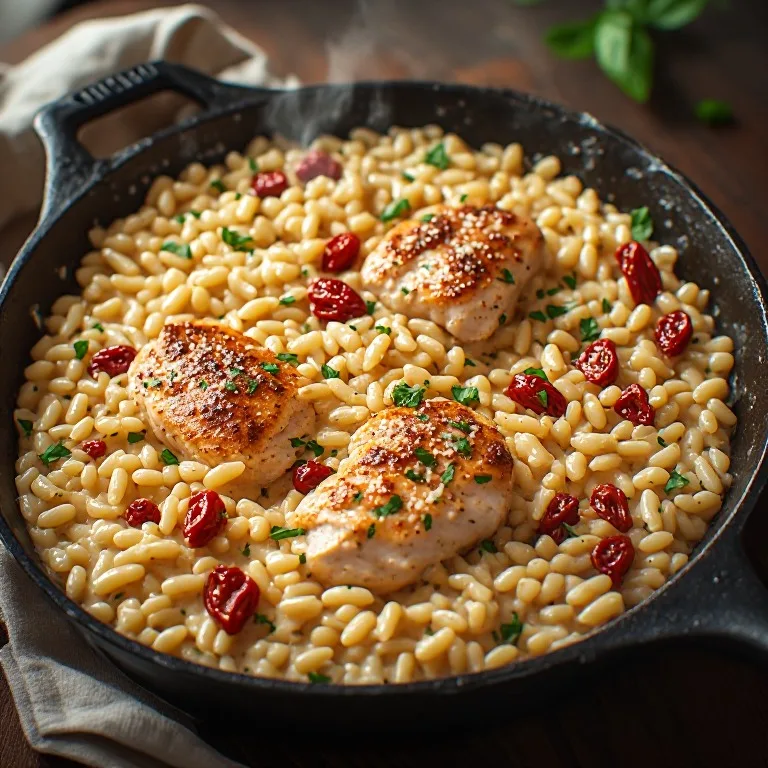
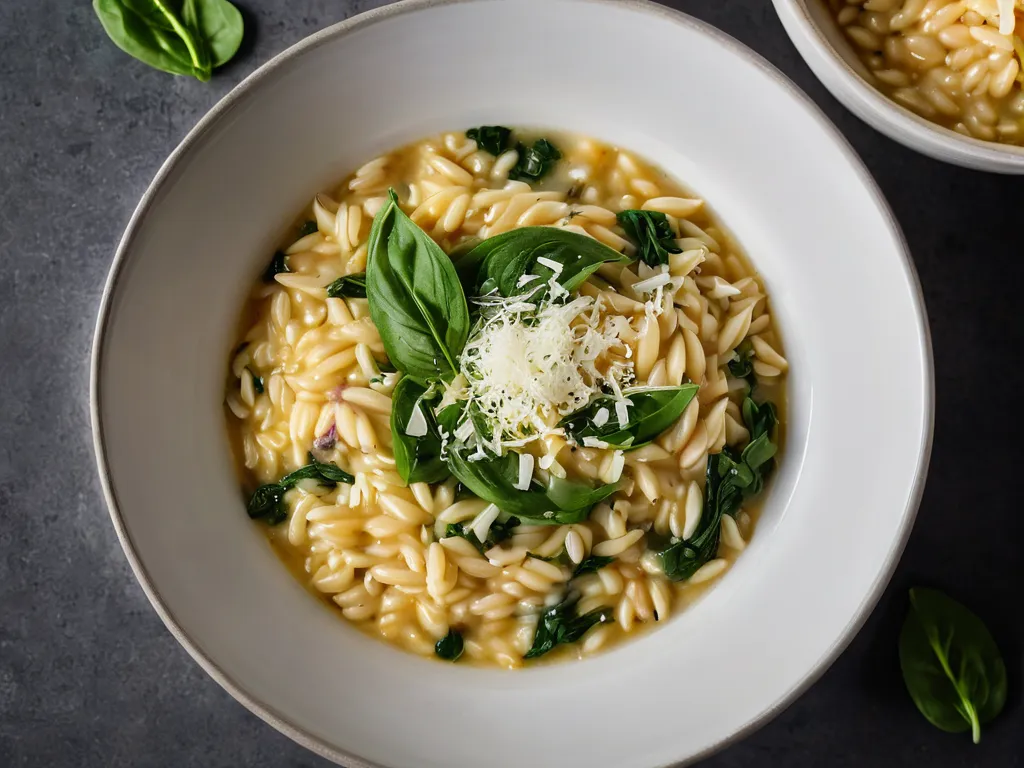
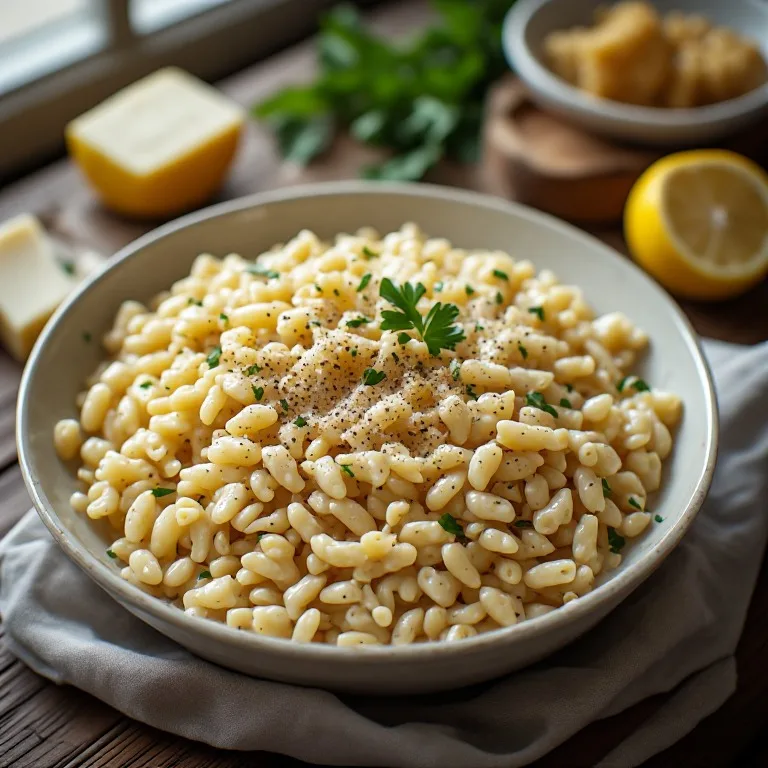
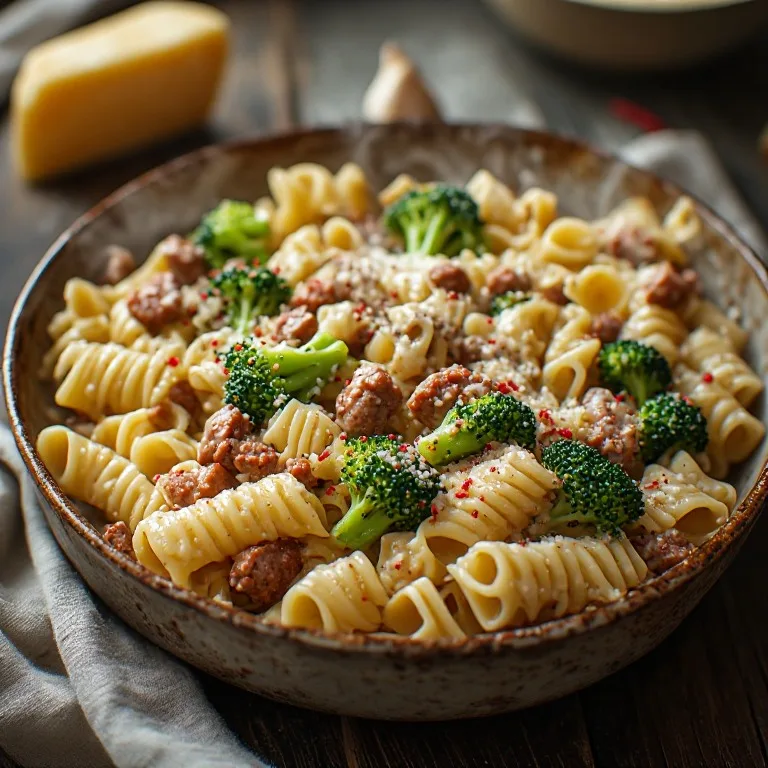
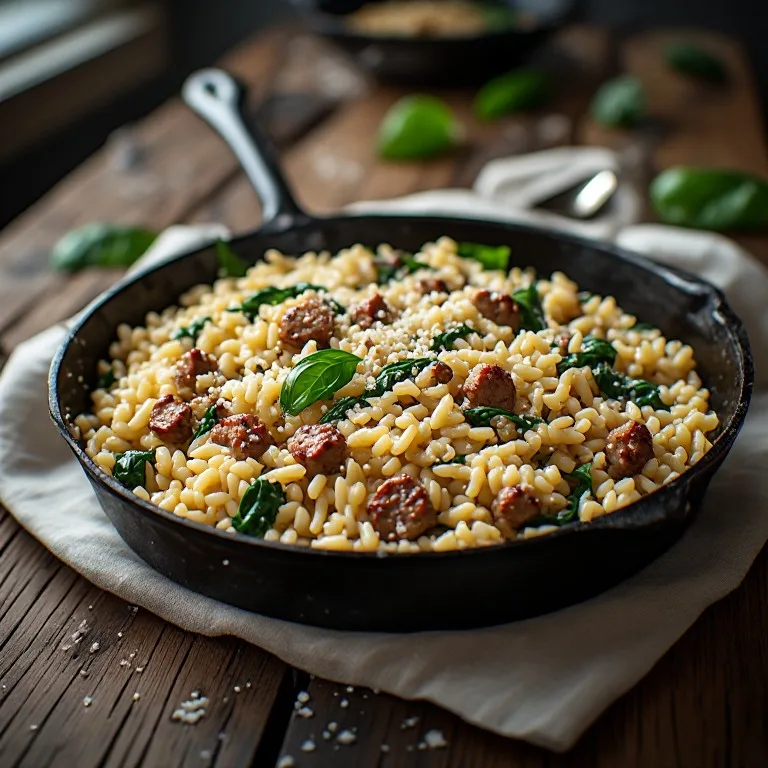
This is one of those one-pan dinners that looks more impressive than it is — which is exactly why it spreads on TikTok. Orzo cooking down in a brothy cream sauce, Italian sausage crumbles on top, Parmesan pulling strings. Total time: 30 minutes, one pan, nothing complicated.
But there’s a reason some versions of this taste significantly better than others, and it comes down to one decision most recipes bury in a footnote: what you do with the fat after you brown the sausage.
The Rendered Fat Is the Whole Point
Every “one-pan orzo” recipe follows the same structure: brown protein, build aromatics, add orzo, add liquid, cook covered, finish with cream and cheese. The difference between a dish that tastes like weeknight dinner and one that tastes like a restaurant made it is the fat the orzo cooks in.
Italian pork sausage renders a significant amount of fat when browned — anywhere from 2 to 4 tablespoons per pound, depending on the fat content of the sausage. That fat carries the fennel, garlic, and herb compounds embedded in the sausage. When you cook the onion and garlic in it, those flavors permeate the aromatics. When the orzo toasts in it, the fat coats every grain before any liquid is added.
The instruction most recipes give — and that most TikTokers skip — is to drain the sausage and cook the rest in olive oil. That throws away the most concentrated flavor in the pan. Leave 1–2 tablespoons of the rendered fat. That’s what makes this dish rich in a way that vegetable-based olive oil orzo never is.
Tomato Paste: The 90-Second Window
Tomato paste is in almost every version of this recipe, and it’s one of the ingredients that people mess up most consistently.
The goal is to bloom it — to cook out the raw, metallic edge and develop a caramelized, concentrated tomato flavor. That happens in the hot fat, stirring constantly, over 60–90 seconds. The paste goes from bright fire-engine red to brick red, and the smell changes from raw to sweet.
The failure mode is easy: 90 seconds too long and it burns against the pan bottom, which makes the entire sauce bitter. The window is narrow. The sign that it’s done (brick red, slightly tacky, starting to stick a little) is also the sign to immediately add the next liquid or ingredient to stop the cooking. Watch it — don’t walk away during this step.
Hot vs. Sweet: Pick a Side (or Both)
Hot Italian sausage has red pepper heat baked into the blend. Sweet Italian sausage has the same fennel base without the heat. Both work; they produce different dishes.
Sweet sausage lets the cream and Parmesan come through more clearly — it’s closer to a Sunday-dinner flavor, richer and milder. Hot sausage cuts through the richness and gives the dish more heat, closer to the energy of spicy vodka pasta with a meat component.
The most common TikTok version uses a 50/50 mix: half hot, half sweet. You get the fennel backbone of the sweet sausage and the red pepper heat of the hot in every bite. If you’re using all sweet sausage, add a ¼ teaspoon more red pepper flakes when you add the tomato paste — the dish needs the heat to cut the richness.
The Orzo Rules (Same as Every One-Pan Orzo)
Two rules apply here that are the same as Marry Me Orzo:
Stir every 3–4 minutes. Orzo releases starch directly into a small volume of liquid while sitting on a hot surface. That starch gels against the pan bottom fast. Cover and walk away for 12 minutes straight and you come back to creamy on top, scorched on the bottom. Stir to lift the starch layer and distribute it — that starch is what makes the sauce thick without extra thickener.
Cream and Parmesan go in off heat. Heavy cream added to a hot pan risks breaking — fat separates, sauce turns greasy. Parmesan over direct high heat clumps instead of melting. Pull the pan off the burner, then add both. The residual heat melts everything without any misbehavior.
Do You Need Diced Tomatoes?
No — but they’re a solid optional addition. A 14.5 oz can of diced tomatoes (do not drain the liquid) adds body, acidity, and color. Reduce the broth by ½ cup to compensate. The tomato acid prevents the cream sauce from tasting heavy and flat — the same reason vodka sauce adds tomatoes alongside the cream — and it turns the color from pale cream to a blush-pink that photographs notably better, which explains why most TikTok versions use them.
Without diced tomatoes the dish is richer and cream-forward. With them it’s more balanced and tomato-bright. Either is correct.
Variations
Fennel upgrade: Add ½ teaspoon ground fennel seed with the garlic if using chicken sausage or a lower-fat pork sausage. Pork sausage already carries fennel, but chicken sausage often has less. This is what makes it taste like Italian sausage.
With diced tomatoes: Add one 14.5 oz undrained can of fire-roasted diced tomatoes with the broth. Reduce broth to 2¼ cups. The orzo cooking time stays the same.
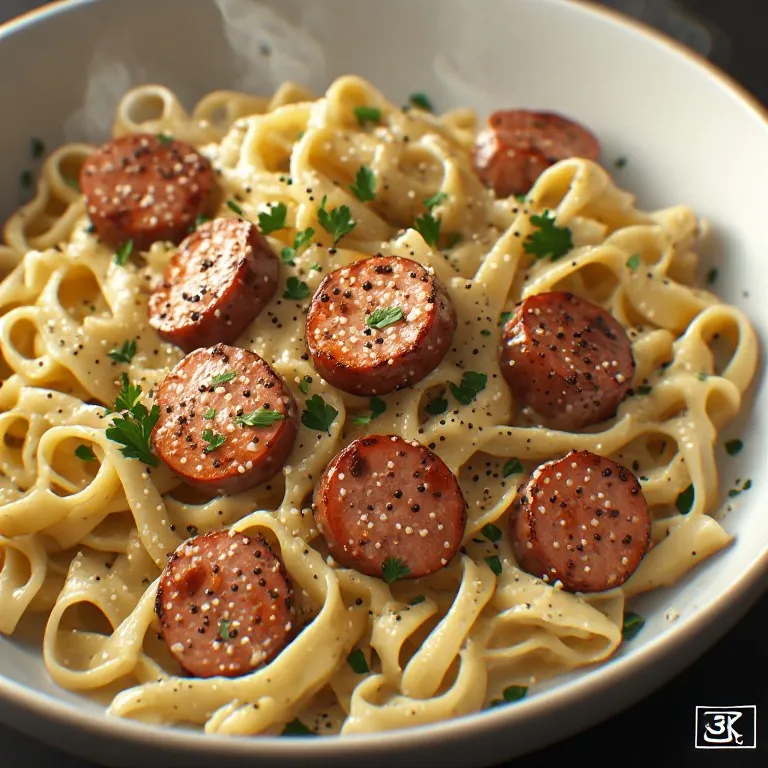
Spicier: Add 1 teaspoon Calabrian chili paste with the tomato paste. This is the version that trends alongside cajun sausage alfredo on TikTok’s comfort food side.
Vegetarian: Skip the sausage entirely and sear 2 cups of sliced cremini mushrooms in 2 tablespoons of olive oil until deeply browned — about 8 minutes. That browning creates vegetarian fond that approximates the depth the sausage provides. Proceed as written, using vegetable broth.
White wine addition: Deglaze the pan with ¼ cup dry white wine after cooking the tomato paste and before adding the orzo. Let it cook off for 30 seconds — the alcohol evaporates, leaving brightness. Reduce the broth by ¼ cup to compensate.
Serving
Serve immediately — orzo continues absorbing liquid as it sits and will thicken from saucy to very thick within 10 minutes. Garnish with torn fresh basil or flat-leaf parsley and a heavy hand with extra Parmesan.
This dish is rich enough that it doesn’t need a starch side. A sharp arugula salad with lemon juice and olive oil cuts the richness cleanly. Garlic bread is correct for sauce-soaking. Roasted broccoli or broccolini on the side adds a vegetable that won’t compete with the sausage flavor.
Leftovers
Refrigerate for up to 4 days. The orzo will have absorbed all remaining liquid and gelled solid — this is expected. Do not attempt to reheat without adding liquid back in: 3–4 tablespoons of broth or water per portion before reheating. In a pan over medium-low, stirring gently, or in the microwave in 60-second intervals with stirs in between. The sauce reconstitutes back to creamy.
Not ideal for freezing — cream-based pasta sauces break and turn grainy after thawing and reheating.
The Bottom Line
The difference between a one-pan sausage orzo that tastes good and one that tastes great is one decision: leave the rendered sausage fat in the pan. Everything else — bloom the tomato paste, stir the orzo every few minutes, add cream off heat — follows the same logic as every other one-pan orzo recipe. The fat is what makes this one specific and worth making on its own terms.