


Pin It

Viral TikTok Dirty Martini Pasta

Viral TikTok Dirty Martini Pasta
Jump to Recipe
Prep 10 min Cook 15 min Serves 2
Quick answer: Sauté 4 minced garlic cloves and 1 sliced shallot in 3 tbsp olive oil until soft and golden, then add 1 oz gin (optional) and let it cook off 30 seconds. Pour in ¼ cup olive brine and 1 tbsp caper brine, then add ⅓ cup chopped Castelvetrano olives and 2 tbsp capers. Toss with freshly cooked linguine and finish with 1 tbsp cold butter and pasta water until silky. The brine does double duty as seasoning and sauce base — add it in stages and taste before adding salt. Total time: 25 minutes.

Shop the tools

Gear matched to this recipe. These are Amazon affiliate links — we may earn a small commission if you buy, at no extra cost to you.

As an Amazon Associate, Copycat Spices earns from qualifying purchases. Product images are generic illustrations, not the exact item listed.

Viral TikTok Dirty Martini Pasta

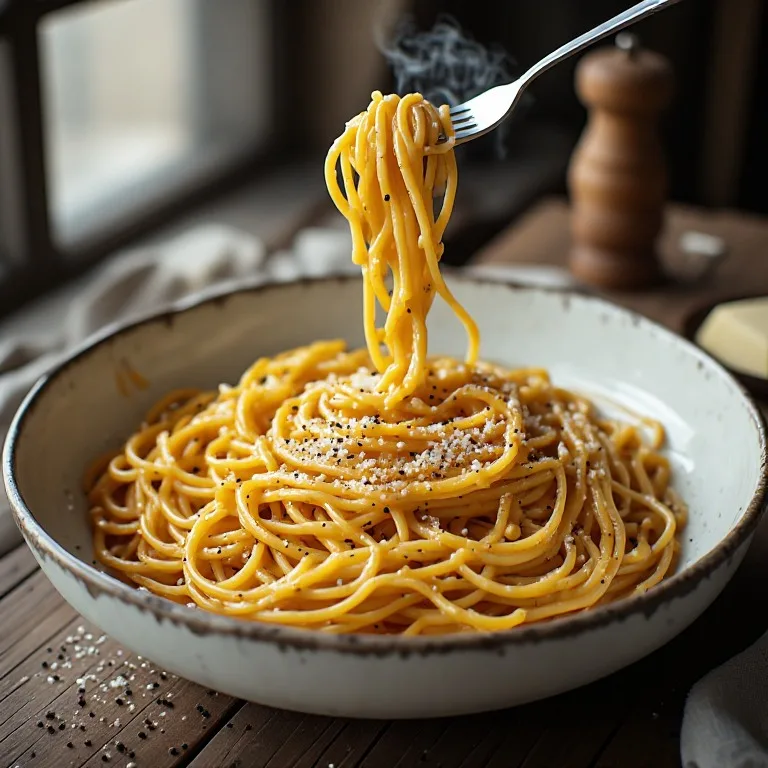
The viral TikTok dirty martini pasta: olive brine, Castelvetrano olives, capers, and a splash of gin turn aglio e olio into something cocktail-adjacent and genuinely craveable. Why brine is the secret ingredient, and how to keep the salt in check.

Easy Prep: 10 min Cook: 15 min Total: 25 min2 servings ~$4.50/serving
Prep10 min
Cook15 min
Total25 min
Servings
2
At home~$4.50/serving
vs
Restaurant~$20.25/serving
You save ~78%

The Story Behind the Recipe

Dirty martini pasta started as a cocktail party joke and became a genuinely great recipe. The dirty martini — gin, a splash of vermouth, and the brine from a jar of olives — gets its character from that last ingredient: the salty, slightly funky liquid that most people pour down the drain. TikTok cooks figured out that the same brine, deglazed into a hot pan with garlic and olive oil, becomes an instant sauce with depth, acidity, and that faintly savory quality that takes a bowl of pasta from fine to memorable. The olives and capers are already there in the martini, so they came along for the ride.

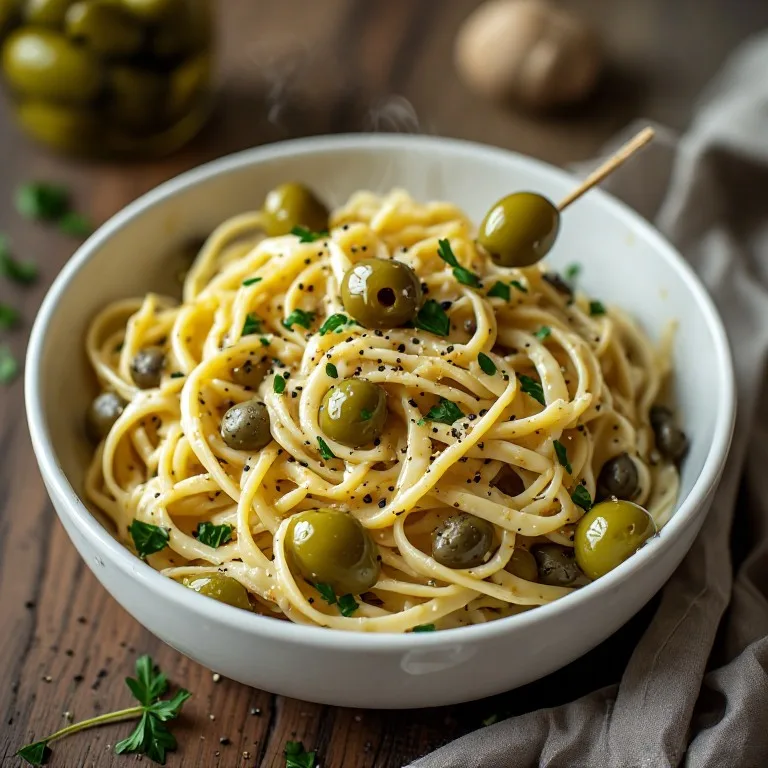
The reason the trend hit hard was the math. A jar of Castelvetrano olives — the buttery, mild green olives from Sicily that bartenders reach for — costs about five dollars and contains enough brine for three batches of pasta. At a cocktail bar, a dirty martini runs fifteen dollars and up. Made at home with the same flavor logic in pasta form, dinner for two runs under six dollars and takes 25 minutes. The garnish seals the concept: an olive skewered on a pick, draped over the rim of the bowl, makes it look deliberate rather than accidental. You can skip the gin entirely and it still works — the brine carries the flavor — but a single ounce added with the garlic and allowed to cook off adds a faint botanical note that the original cocktail has, and that most people can't quite place when they taste it.

Nutrition Facts

Per serving (2 servings)
Calories560
Total Fat24g
Total Carbs62g
Dietary Fiber4g
Sugars2g
Protein16g
Sodium950mg

* Estimated values based on standard recipe preparation. Actual values may vary.

Ingredients

Instructions

💡
Pro tip: This recipe tastes even better the next day. The flavors need time to meld together in the fridge.
❄️
Storage: Keeps in an airtight container in the fridge for up to 2 weeks. Freezer-friendly for up to 3 months.
🎃 Free Halloween cookbook — download now The Copycat Halloween Cookbook A ready-made, photo-illustrated PDF of our best halloween copycat recipes — free to download, no building required. Pay what you want to support if you love it.

Free PDF — instant download. We'll also send new seasonal copycat recipes now and then; unsubscribe anytime. Or just download it →

The viral TikTok dirty martini pasta takes everything that makes the cocktail work — olive brine, green olives, capers — and turns them into a weeknight pasta sauce. The brine does the seasoning work, the olives give it texture, and a splash of gin (optional) connects it back to the drink. It’s faster than it has any right to be, and it tastes deliberate.

Why dirty martini pasta went viral

The dirty martini cocktail depends on one thing: olive brine. That murky, salty liquid at the bottom of every olive jar is what bartenders splash into the glass to make a martini “dirty.” TikTok cooks noticed that the same ingredient, deglazed into a hot pan with garlic and olive oil, makes an instant sauce — savory, slightly acidic, and complex in a way that a two-ingredient sauce has no right to be.

The rest of the cocktail came along naturally. Olives and capers are already in a dirty martini’s DNA. Gin adds botanical depth and a slight herbal note. Lemon zest mirrors the citrus peel garnish. The result is a pasta dish that tastes like someone who drinks well cooks well, too.

The brine is the thing you’re tasting and tuning here. Every brand is different — some jars are aggressively salty, others mild and buttery. Add it in stages, taste after each addition, and use pasta water (low-starch, barely salted) to loosen and balance.

The brine technique

Standard aglio e olio — olive oil, garlic, pasta water — is the architecture. The dirty martini twist replaces plain pasta water with a brine mixture. The sequence matters:

  1. Build the aromatic base (shallot + garlic in olive oil)
  2. Add gin if using; let the alcohol cook off
  3. Pour in brine and let it reduce briefly — this concentrates the flavor
  4. Add olives and capers (solid ingredients come after liquid)
  5. Toss in pasta with pasta water to emulsify

The cold butter finish is borrowed from French pan sauces: a tablespoon of cold butter swirled in off the heat tightens the emulsion, gives the sauce gloss, and rounds the salt of the brine. Don’t skip it.

Picking your olives

Castelvetrano olives (from Sicily) are the first choice. They’re mild, buttery, and less aggressively briny than Spanish or Kalamata olives, which means their brine gives you more control over the final seasoning. They’re sold in most grocery stores next to the imported olive section.

Their brine specifically: taste it before you cook. It should taste pleasantly salty and slightly grassy — if it tastes flat, the pasta will too. If it’s eye-wateringly salty, start with 2 tablespoons to the pan and don’t add more.

Caperberries vs. capers: the recipe uses standard small capers. Caperberries — the larger, stem-on version — make a dramatic garnish but are too large to distribute evenly through the sauce. Save them for the cocktail picks if you use them.

The optional gin

One ounce of gin added with the aromatics and cooked off for 30–45 seconds leaves no alcohol, but does leave a faint botanical note — juniper, coriander, angelica — that the cocktail has and that the pasta version gains from. It’s the detail that makes people ask “what’s in this?” and not be able to place it.

If you don’t have gin or don’t want to use it, the recipe still works. Vodka is a cleaner substitute (less flavor, more neutral). White wine works too, adding acidity. All three options are genuinely optional.

The martini garnish

One Castelvetrano olive, speared on a cocktail pick, draped across the rim of the pasta bowl. It costs nothing and makes the concept legible at a glance — this pasta is supposed to look like a drink. It’s not a joke; it’s the visual that makes the recipe memorable.


Dirty martini pasta is a genuine weeknight dish. The brine is the technique; everything else is infrastructure.
🥗

Make It Healthier

Love Viral TikTok Dirty Martini Pasta but want a lighter version? Try these simple swaps:

  • ✓Use only 1½ tbsp olive oil instead of 3 to cut fat by 90 calories per serving — finish with the full tablespoon of butter so the sauce still has gloss and richness, just from saturated fat rather than olive oil.
  • ✓Swap regular linguine for whole wheat or chickpea pasta to add 6–8 grams of protein and 5 grams of fiber per serving without changing the sauce.
  • ✓The sodium can be high depending on the brine. Use only 2 tablespoons of olive brine (not ¼ cup) and rely on caper brine and lemon zest for the briny brightness — you'll save roughly 300mg sodium without losing the flavor concept.
  • ✓Add a large handful of arugula or baby spinach off the heat at the end — it wilts into the pasta in 30 seconds, adds iron and potassium, and the peppery bitterness of arugula specifically pairs well with the salty olives and lemon.

Frequently Asked Questions

What makes dirty martini pasta 'dirty'?

The 'dirty' comes from olive brine — the salty, savory liquid inside a jar of green olives. A dirty martini gets its name from the same source: a few dashes of olive brine stirred into the cocktail cloud the gin slightly (making it 'dirty') and add a briny, umami-forward note. In the pasta version, the brine is deglazed into a hot pan to form the sauce base. It seasons the pasta, adds depth without cream, and creates the flavor connection to the cocktail that makes the concept work.

Do I have to use gin?

No. The gin is optional — about an ounce added with the garlic and shallots, then cooked off for 30 seconds so the alcohol evaporates and only the botanical flavor remains. Without gin, you still get a very good olive-and-caper pasta. With gin, there's a faint piney, herbal undertone in the background that the cocktail has and that is genuinely hard to identify but makes the dish taste more complex. Vodka is a functional substitute (cleaner, less botanical). Either works; neither is required.

What olives are best for dirty martini pasta?

Castelvetrano olives are the standard pick and the best one. They're large, firm, buttery, and mild — brined rather than cured, so they taste clean rather than funky. Their brine is less aggressively salty than Kalamata or regular manzanilla brine, which gives you more control over the final seasoning. If Castelvetranos aren't available, any good-quality green olive in brine works — just taste the brine first and add it in smaller increments if it's very salty. Avoid canned olives packed in water: the brine is flat and adds nothing.

Why is my dirty martini pasta too salty?

The brine. Olive brine varies enormously in salt concentration between brands. The recipe calls for ¼ cup of brine added in stages — start with 2 tablespoons, taste the sauce before adding more, and finish with pasta water (which is only lightly salted) to loosen. Don't salt the pasta water heavily if you're using a particularly briny olive jar. The other culprit is Parmesan: if you add it, use it to finish rather than cooking it into the sauce, and taste before adding.

What pasta shape works best for dirty martini pasta?

Linguine is the traditional choice for seafood-adjacent, olive-oil-based sauces and works perfectly here — its flat profile catches the glossy sauce and olives efficiently. Spaghetti is an equally good substitute. If you prefer something that holds more sauce, rigatoni or casarecce work well because the ridges trap brine and olives. Avoid shapes that are too small (ditalini, orzo) — you want a strand or tube long enough to twirl, which makes the plating read more elegantly.

What's the difference between capers and caper brine, and do I need both?

Capers are the pickled flower buds themselves — small, tangy, and pungent. Caper brine is the liquid they're packed in, similar in character to olive brine but more intensely herbal and acidic. The recipe uses both: the capers for texture and bursts of flavor in the finished dish, the brine as a secondary seasoning agent alongside the olive brine. If you only have capers (no extra brine), you can add a small splash of white wine vinegar or lemon juice to approximate the acidity the brine contributes.

Can I serve dirty martini pasta to guests at a dinner party?

It's a strong dinner party dish specifically because it looks more complex than it is. The garnish — one or two Castelvetrano olives on a cocktail pick draped across the bowl — is the detail that lands the concept. Serve it in shallow pasta bowls or wide, low-sided dishes so the olives are visible rather than buried. It pairs naturally with a dirty martini or a crisp, dry white wine (Vermentino or Muscadet are excellent matches). Make the sauce base ahead; add pasta and finish at the table in under three minutes.

How do I keep the sauce from being oily?

Two techniques. First, add the olive brine and pasta water to the pan off the heat (or over very low heat) and toss continuously — the brine's water content emulsifies with the olive oil to create a cohesive sauce rather than an oily sheen. Second, finish with a tablespoon of cold butter off the heat, which tightens the emulsion and gives the sauce gloss. If the sauce breaks and looks greasy, add a splash of cold pasta water and toss vigorously — the starch in the pasta water re-emulsifies it in about 30 seconds.

Love this recipe? Share it!

Free PDF: our 12 most-wanted copycat recipes — instant download.

Made it? Buy us a coffee

Every recipe here is free, with no paywalls. If this one was a hit at your table, a small tip keeps new copycats coming.

$

Ratings & Reviews

—
No ratings yet

Rate this recipe

Click a star to rate

Leave a Review

0/500

CS

Copycat Spices Editorial

Researched + fact-checked. Every recipe on Copycat Spices is built from published sources — official ingredient lists, brand-published recipes, interviews and food-science references — and fact-checked before it goes live, then written as clear, step-by-step instructions for home cooks of all skill levels.

Learn more about our mission →