


Pin It

Spaghetti Aglio e Olio (Midnight Pasta)

Spaghetti Aglio e Olio (Midnight Pasta)
Jump to Recipe
Prep 5 min Cook 15 min Serves 4
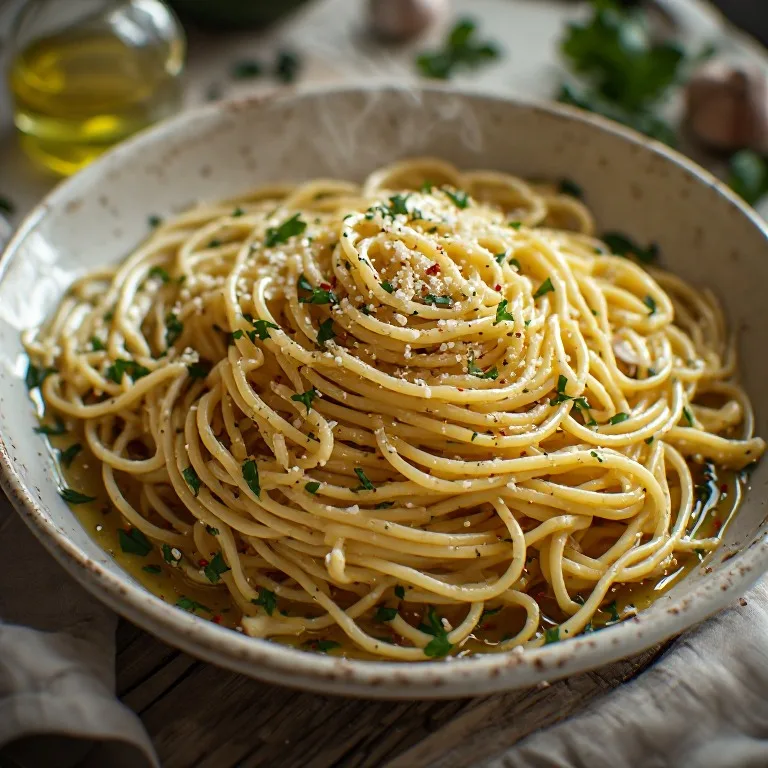
Quick answer: Viral TikTok spaghetti aglio e olio (midnight pasta): bring a large pot of salted water to a boil and cook 1 lb spaghetti until 2 minutes shy of al dente. While it cooks, warm 1/3 cup good extra-virgin olive oil in a large wide skillet over medium-low heat. Add 6–8 thinly sliced garlic cloves and 1 teaspoon red pepper flakes. Let the garlic bloom slowly — it should sizzle gently and turn pale gold, about 6–8 minutes. If it browns, it's too hot; pull it off the heat. Scoop out 1 cup of pasta water before you drain the pasta. Add the drained pasta to the garlic oil with 1/3 cup pasta water and toss constantly over medium heat for 2 minutes until the water emulsifies into the oil as a glossy, cohesive sauce (add more pasta water if it looks dry). Toss in a large handful of chopped parsley. Serve immediately, topped with grated Parmesan if you want it — the classic Italian version doesn't include cheese, but the TikTok version almost always does.

Shop the tools

Gear matched to this recipe. These are Amazon affiliate links — we may earn a small commission if you buy, at no extra cost to you.

As an Amazon Associate, Copycat Spices earns from qualifying purchases. Product images are generic illustrations, not the exact item listed.

Spaghetti Aglio e Olio (Midnight Pasta)

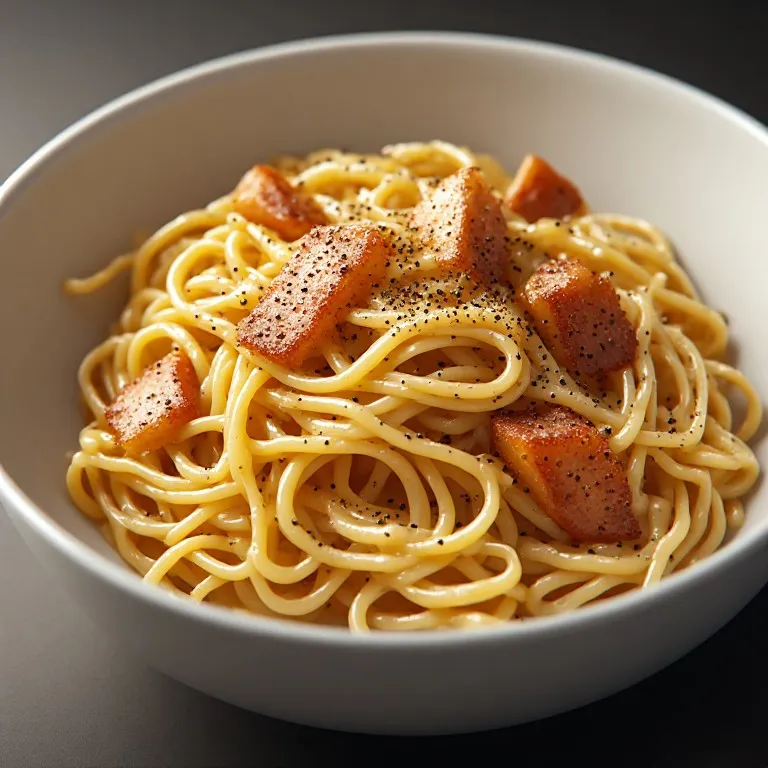
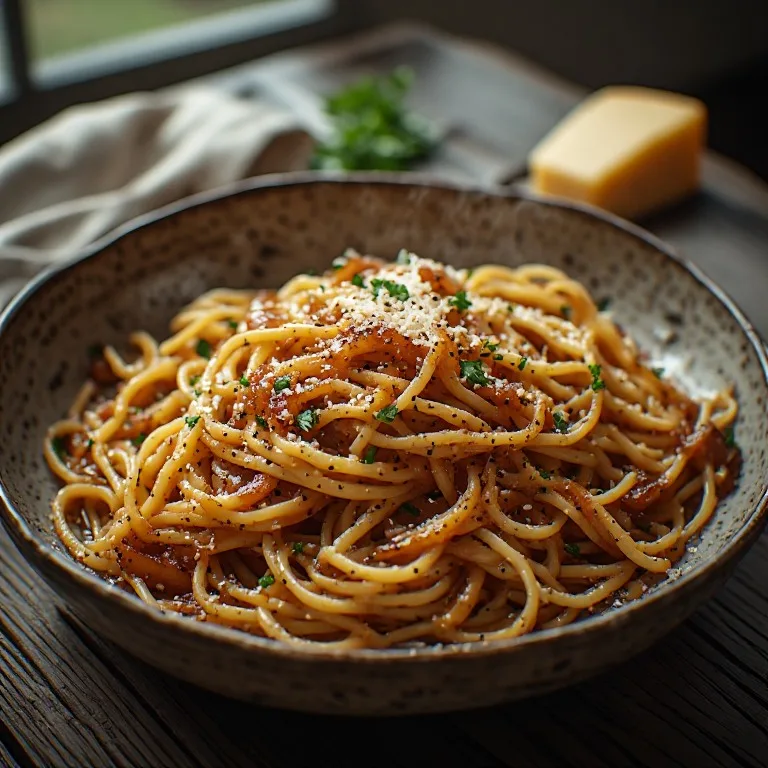
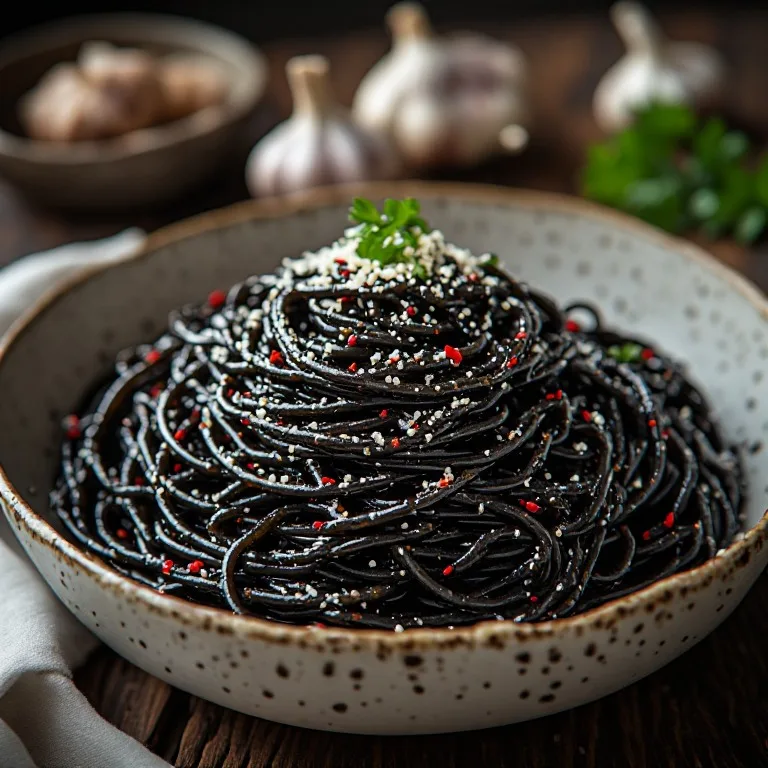
The viral TikTok midnight pasta that starts at five ingredients and ends in 20 minutes: spaghetti, garlic, olive oil, red pepper, parsley. The technique everyone gets wrong is blooming the garlic slow — here's exactly how to do it right.

Easy Prep: 5 min Cook: 15 min Total: 20 min4 servings ~$4.20/serving
Prep5 min
Cook15 min
Total20 min
Servings
4
At home~$4.20/serving
vs
Restaurant~$18.90/serving
You save ~78%

The Story Behind the Recipe

Spaghetti aglio e olio has been feeding broke students, late-night kitchen staff, and sleepless home cooks since at least the 1800s in Naples. The name translates simply to "garlic and oil" — no sauce, no protein, no dairy (by tradition), just the alchemy of good olive oil, sweet slow-cooked garlic, and starchy pasta water. It became a TikTok mainstay partly through the "midnight pasta" framing popularized by Ina Garten, who documented making it after late-night events, and partly because the recipe films beautifully: the sizzle of garlic hitting oil, the emulsification pour of cloudy pasta water, the final glossy twirl. Searches for the recipe spike every fall and again every New Year's.

The reason home cooks fail at it — and then watch another TikTok to figure out why — is temperature. Garlic burned black in too-hot oil turns bitter and ruins the dish. The correct approach is medium-low heat from the start, letting the garlic slowly turn pale gold and perfume the oil for a full 6–8 minutes. That sweet, mellowed garlic flavor, dissolved into good olive oil, is what the dish is actually about. At a Roman trattoria or a Greenwich Village Italian spot, a plate runs $18–22. Made at home with pantry staples, the whole batch costs about $3.

Nutrition Facts

Per serving (4 servings)
Calories520
Total Fat17g
Total Carbs78g
Dietary Fiber3g
Sugars2g
Protein14g
Sodium370mg

* Estimated values based on standard recipe preparation. Actual values may vary.

Ingredients

  • Optional but common (the TikTok version)

Instructions

💡
Pro tip: This recipe tastes even better the next day. The flavors need time to meld together in the fridge.
❄️
Storage: Keeps in an airtight container in the fridge for up to 2 weeks. Freezer-friendly for up to 3 months.
🎃 Free Halloween cookbook — download now The Copycat Halloween Cookbook A ready-made, photo-illustrated PDF of our best halloween copycat recipes — free to download, no building required. Pay what you want to support if you love it.

Free PDF — instant download. We'll also send new seasonal copycat recipes now and then; unsubscribe anytime. Or just download it →

Spaghetti Aglio e Olio (Midnight Pasta)

Prep time: 5 minutes Cook time: 15 minutes Servings: 4

The pasta you make at midnight with five ingredients when nothing is open. Spaghetti aglio e olio is a Neapolitan dish that predates most of what we call Italian-American cooking — just garlic, olive oil, red pepper flakes, and parsley — and the reason it keeps going viral on TikTok is that it tastes nothing like its ingredient list suggests it should.

The technique everyone gets wrong: blooming the garlic too fast. Garlic in oil that’s too hot turns bitter before it turns sweet. The fix is patience — cold pan, medium-low heat, 6 to 8 minutes until the slices are pale gold and the kitchen smells like an Italian grandmother’s.

The Story Behind the Pasta

Aglio e olio comes from Naples and its surrounding region, where it was traditionally eaten by workers coming off late shifts and by anyone who could not afford a richer sauce. Five ingredients, twenty minutes, no refrigerator required. The dish spread northward into Roman kitchens and eventually to every Italian diaspora neighborhood in the world, and then to every TikTok food creator looking for a video that could end with a glossy, glistening bowl of pasta that looked expensive but cost almost nothing.

The “midnight pasta” framing — making it after concerts, after long flights, after the restaurants close — is the story that TikTok keeps retelling because it’s true. It’s one of the few recipes that is actually, genuinely, better at midnight than at dinner time.

The Critical Technique: Slow Garlic

Slice the garlic thin — not minced, not grated. Slices bloom more evenly and hold their shape. Start them in cold oil, bring the heat up to medium-low, and walk away for six minutes. You’re cooking them the way you’d cook anything delicate: low and slow, letting the sugars develop without the bitterness of browning. The oil should sizzle gently. If it pops and spatters, it’s too hot.

The second technique is the pasta water pour. Reserve at least a full cup before draining — the starch content is what converts loose oil into a sauce. Add it in stages, tossing constantly, and you’ll see the sauce go from oily to glossy to coating. It’s genuinely satisfying the first time it works.

Variations Worth Knowing

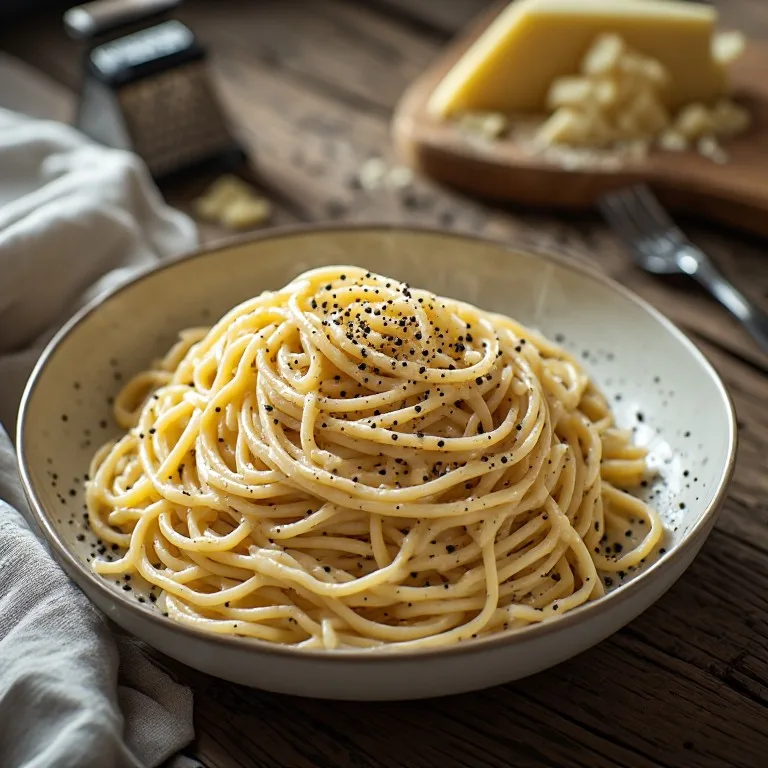
The classic Italian version: garlic, oil, red pepper, parsley. No cheese. The Italians would be horrified at the Parmesan.

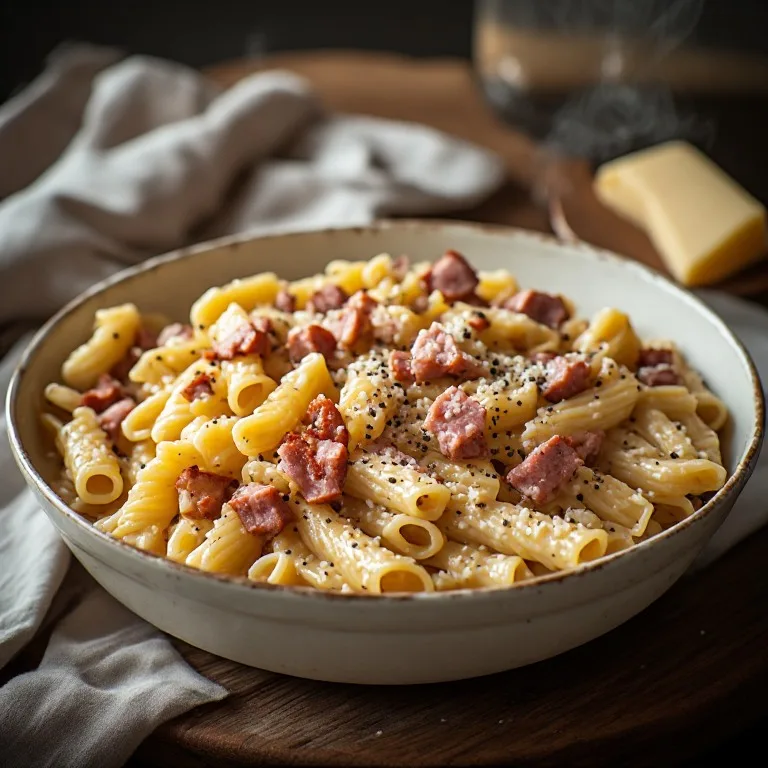
The TikTok version: everything above, plus 1/2 cup of finely grated Parmesan added off the heat, and lemon zest. Richer, more coating, arguably better.

The umami upgrade: add 2–3 anchovies to the oil before the garlic. They dissolve completely after a minute and you won’t taste fish — you’ll just notice the dish has more depth than it should.

The midnight pasta (full Ina Garten): all the above, a handful of fresh breadcrumbs toasted in butter until golden, scattered over the top at the end for crunch. This turns a five-ingredient pasta into something that passes for a dinner party dish.
🥗

Make It Healthier

Love Spaghetti Aglio e Olio (Midnight Pasta) but want a lighter version? Try these simple swaps:

  • ✓Use whole wheat spaghetti to add 6g fiber per serving without changing the dish's character — the garlic oil is assertive enough to stand up to nuttier pasta.
  • ✓Substitute half the olive oil for pasta water and double the garlic — you still get the garlic-forward flavor but cut about 80 calories per serving.
  • ✓Add a large handful of baby spinach or arugula to the pan with the parsley; it wilts in seconds, adds iron and volume, and cuts the richness slightly.
  • ✓Serve a 3/4 portion over a bed of warm white beans (cannellini) — you add plant protein and fiber while the pasta stretches to five servings.

Frequently Asked Questions

What is the viral TikTok midnight pasta?

Midnight pasta is a nickname for spaghetti aglio e olio — an Italian garlic-and-oil pasta that TikTok creators, most notably Ina Garten, started calling midnight pasta because they make it at midnight after events when nothing is open. The dish is genuinely about as fast as a recipe can be: spaghetti, garlic, olive oil, red pepper flakes, and parsley, ready in about 20 minutes with no prep beyond slicing garlic. It went repeatedly viral on TikTok because it sounds too simple to be good and then consistently is.

What is the most important technique in aglio e olio?

Slow garlic. The biggest failure mode is cooking the garlic too fast in oil that's too hot, which turns it brown-to-black and bitter before the interior sweetens. Start the garlic and oil in a cold or barely-warm pan, bring the heat to medium-low, and let the garlic sizzle gently for 6–8 minutes until it turns pale gold — not brown. This blooms the garlic's sugars into the oil and creates the sweet, mellow backbone of the dish. The second most important technique is the pasta water emulsification: the starchy cooking water binds the oil into a glossy sauce rather than a greasy puddle. Reserve at least 1 cup before draining.

Should aglio e olio have Parmesan cheese?

Classically, no. The traditional Neapolitan recipe is cheese-free — it's garlic, oil, red pepper, and parsley, and the Italians who invented it would not add Parmesan. In practice, most TikTok versions include Parmesan and it's delicious. If you're going for the textbook Italian preparation, skip the cheese. If you want the richer, more coating version that most people actually prefer, add 1/2 cup finely grated Parmesan off the heat with a splash of pasta water and toss to emulsify. Both are correct.

What pasta works best for aglio e olio?

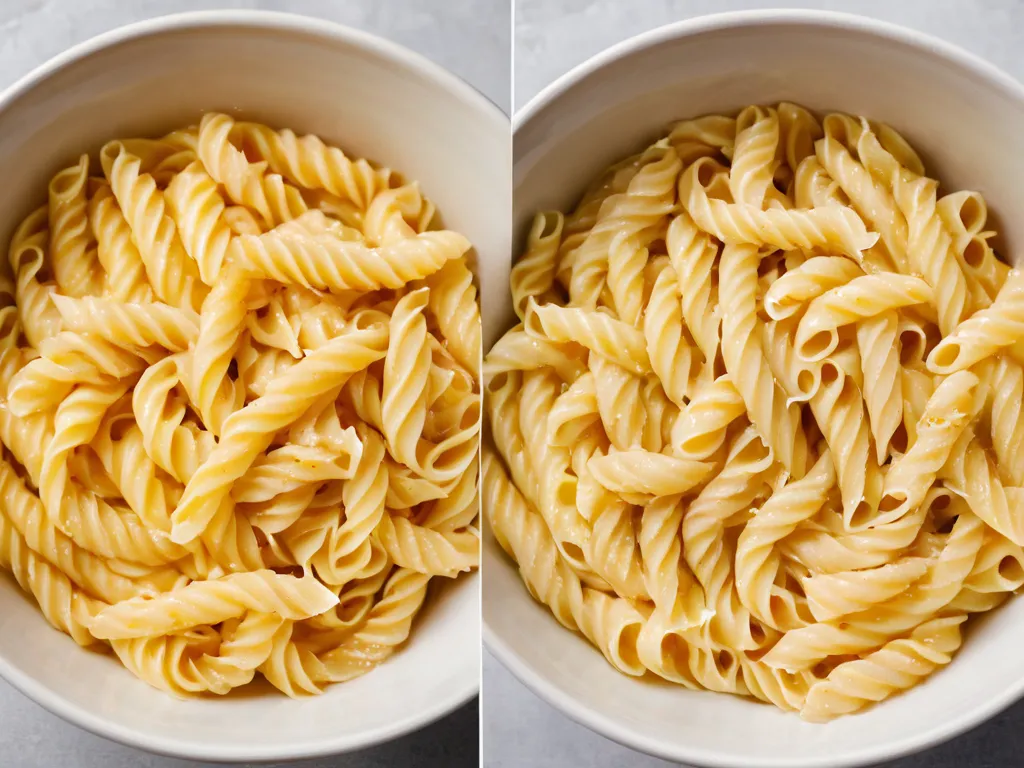
Spaghetti is traditional and arguably best — the long strands carry the oil-based sauce well and the dish photographs the way people expect from TikTok. Linguine is a close second (slightly thicker, holds more sauce). Bucatini adds a tubular chew. For shorter shapes: spaghetti aglio e olio loses something structural with penne or rigatoni; the sauce doesn't cling to tubes the same way. Angel hair (capellini) is too delicate and overcooks before the garlic is ready.

Why is my aglio e olio greasy instead of saucy?

You need more pasta water. Greasy aglio e olio is an emulsification problem — the oil and water haven't been persuaded to combine. The fix: add another 1/4 cup of pasta water to the pan and toss vigorously with tongs over medium heat for another 1–2 minutes. The starch in the pasta water is the emulsifier; as you toss, it creates millions of tiny droplets that hold oil and water in suspension. If your pasta water is too thin (you cooked in too much water), it won't have enough starch — boil the pasta in a smaller pot than you think you need.

How do I store and reheat aglio e olio?

Aglio e olio is best eaten immediately — the sauce tightens and the pasta absorbs all the oil within an hour. If you need to store it, refrigerate in an airtight container for up to 2 days. Reheat in a skillet over medium-low heat with a splash of water (not oil) and toss constantly; the water re-emulsifies the stiffened oil and revives the sauce. Microwaving gives uneven results and doesn't re-emulsify the sauce. Don't freeze it — pasta textures don't survive.

Can I add protein to aglio e olio?

Yes, though the purists prefer it as-is. The most TikTok-approved additions: grilled or pan-seared shrimp tossed in at the end (the classic Italian upgrade), rotisserie chicken pulled off the bone, or a fried egg laid on top so the yolk breaks into the pasta. All work well. More Italian variations add clams (spaghetti alle vongole with aglio e olio as the base), or anchovies dissolved in the garlic oil for umami depth — the anchovies completely disappear but deepen the dish significantly.

Love this recipe? Share it!

Free PDF: our 12 most-wanted copycat recipes — instant download.

Made it? Buy us a coffee

Every recipe here is free, with no paywalls. If this one was a hit at your table, a small tip keeps new copycats coming.

$

Ratings & Reviews

—
No ratings yet

Rate this recipe

Click a star to rate

Leave a Review

0/500

CS

Copycat Spices Editorial

Researched + fact-checked. Every recipe on Copycat Spices is built from published sources — official ingredient lists, brand-published recipes, interviews and food-science references — and fact-checked before it goes live, then written as clear, step-by-step instructions for home cooks of all skill levels.

Learn more about our mission →