

Viral TikTok Dubai Pistachio Cream Spread — Make the $20 Jar at Home for $6
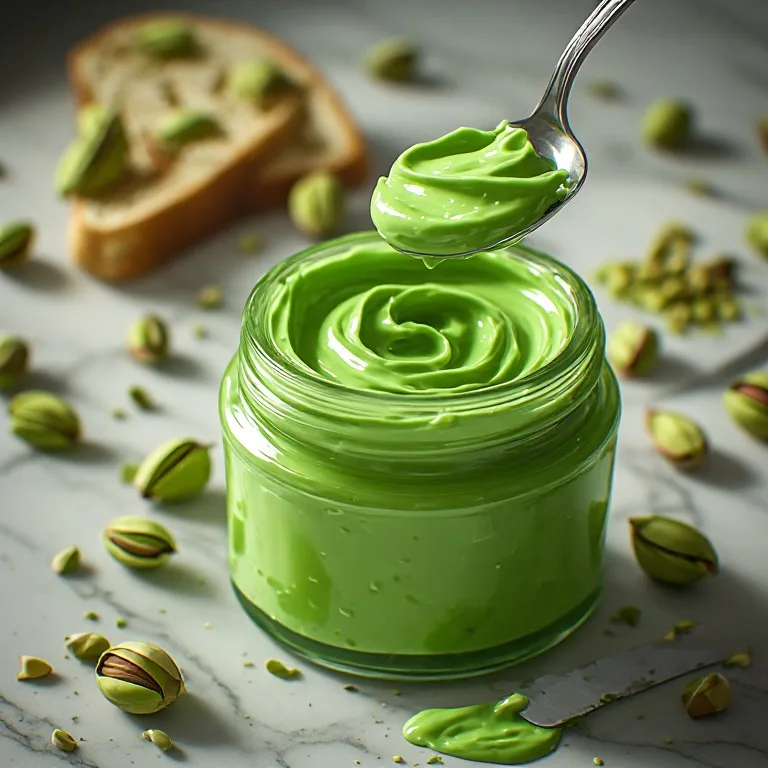
When Aldi started selling their Dubai-style pistachio cream spread, it sold out in hours. People were posting empties and then hunting down other locations. The $5.99 jar became a weekly staple, getting spread on croissants, swirled into oatmeal, piped into crepes, and — of course — used in every Dubai chocolate bar attempt on TikTok.
The thing is, budget store-bought spreads are often only around 8–20% pistachio — the rest is palm oil, sugar, and flavoring. Homemade is 100% pistachio. The flavor difference is significant.
This recipe covers two approaches: the Italian crema al pistacchio (the real deal — blanched, peeled, blended with white chocolate into something glossy and smooth) and the quick pistachio butter (raw-to-spread in 15 minutes, no cooking). Both are genuinely good. The Italian version is better. The quick version is what you make when you need it right now.
Why Blanching Changes Everything
Most TikTok pistachio cream recipes skip the blanching step. They get a dull olive-brown spread that tastes fine but looks nothing like what you see in viral videos.
The thin papery skin on a pistachio is brown. That brown color saturates the entire cream. Blanching for 2 minutes softens the skins enough that they rub off in a kitchen towel. What’s underneath is the bright green nut — and a pound of peeled bright-green pistachios blended with white chocolate produces a cream that’s almost unnervingly vivid. That’s the color in the Dubai chocolate bar. That’s the color in the store-bought jar — though many commercial spreads reach for added color to compensate for their lower pistachio percentage, and homemade doesn’t need it (check the label if you’re curious).
Blanching takes 15 minutes total and is worth every second.
The Italian Version vs. The Quick Version
Italian crema al pistacchio uses white chocolate as the emulsifying agent. The cocoa butter in white chocolate has the same structural function as the palm oil in commercial spreads — it creates a stable emulsion that holds the pistachio fat and the dairy together into something smooth, pourable, and shelf-stable. The white chocolate also contributes sweetness, so you need very little added sugar. This version sets firm in the fridge (similar to Nutella) and softens at room temperature. It’s the right choice for fillings, cakes, and any application where texture matters.
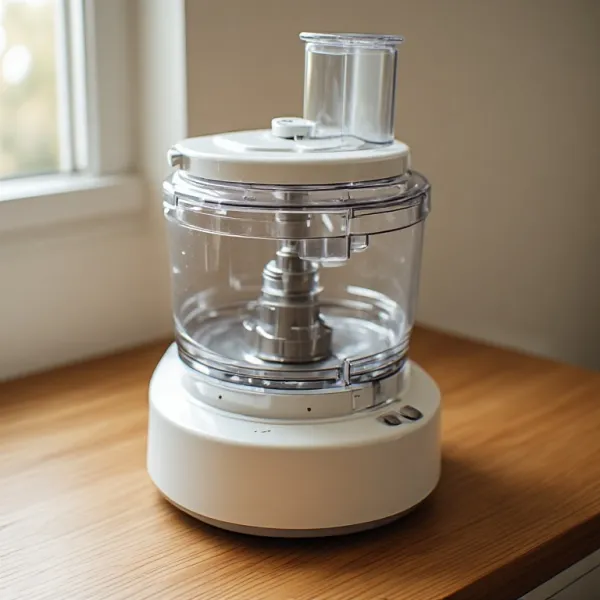
Quick pistachio butter skips everything except processing. Raw pistachios go in, neutral oil drizzles in, powdered sugar and salt go in, and after 10 minutes in the food processor you have something similar to a natural almond butter. The texture is slightly grainy and oily, not silky — it separates in the fridge like natural nut butter and needs stirring. But the pistachio flavor is more forward (no white chocolate diluting it), and it works beautifully on toast, stirred into yogurt, or used as a dip for fruit.
10 Things to Make With Pistachio Cream Spread
The Dubai chocolate bar gets all the attention, but pistachio cream is far more useful than that.
1. Toast and croissants. The obvious starting point. Pistachio cream on a warm buttered croissant is legitimately better than most pastries you’ll buy. The heat of the croissant softens the cream and the butter layers carry the flavor into every bite. Add a layer of honey and a pinch of flaky salt.
2. Crepe filling. Warm a crepe, spread pistachio cream on half, add a few fresh strawberry slices, fold into quarters. This is the format French creperies charge $12 for. The cream-strawberry combination is a natural — the fresh acidity cuts the richness of the spread in the same way jam cuts butter.
3. Dubai chocolate bar. Mix the pistachio cream with an equal volume of crispy butter-toasted kataifi (angel hair pastry) and 1 tablespoon of tahini. Spread between tempered dark chocolate shells. The kataifi must be completely dry and golden before mixing or the filling turns soggy. See the full Dubai chocolate bar recipe for the tempering steps.
4. Bento cake filling. Pistachio cream between the two sponge layers of a bento cake (in place of or alongside stabilized whipped cream) turns a simple vanilla sponge into something genuinely distinctive. Pairs especially well with a lemon sponge — the citrus cuts the richness.
5. Stuffed Medjool dates. Instead of peanut butter, stuff pitted Medjool dates with pistachio cream and dip in dark chocolate. The result is less Snickers-like and more like a Ferrero Rocher or an upscale chocolate shop bonbon. A crushed pistachio on top before the chocolate sets finishes it.
6. Ice cream swirl. Drop spoonfuls into vanilla ice cream base during the last 2 minutes of churning for a pistachio ripple. Or warm the cream slightly and drizzle over a scoop as a sauce — it thins at room temperature and pools into the ice cream like a ganache.
7. Pancake and waffle topping. Replace maple syrup. A tablespoon of pistachio cream warmed slightly and poured over a short stack is a full breakfast. Add banana slices and a drizzle of honey for the full café-style version.
8. Layered in yogurt or smoothie bowl. A teaspoon ribboned through thick Greek yogurt with granola and berries. Or blended directly into a smoothie with banana and milk for a high-protein pistachio milk drink that tastes like dessert.
9. Cookie filling. Sandwich between two thin butter cookies, shortbread rounds, or Oreo-style cookies. Chill so the filling sets. The filling-to-cookie ratio is more forgiving than with buttercream because the spread is denser and less sweet — you can go thicker without it overwhelming the cookie.
10. Knafeh toast. Layer pistachio cream on sturdy bread or brioche, top with a thin layer of crispy kataifi shreds, a skim of stretchy cheese (like mozzarella or Akkawi), and broil until the cheese bubbles and the kataifi crisps further. This is the viral Dubai knafeh toast — and the pistachio cream is what ties it together.
The 3 Failure Modes
The cream is grainy and gritty. You added the white chocolate mixture while it was still warm. Hot fat destabilizes the pistachio emulsion before it can form. Let the chocolate mixture cool completely to room temperature — test by pressing the bowl bottom to your inner wrist; it should feel neutral, not warm. If the cream already went grainy, blend it for another 3–4 minutes and add 1 teaspoon of warm milk. Refrigerating and then re-blending the next day often rescues it entirely.
The color is dull brown instead of bright green. You skipped blanching or didn’t peel enough skins. Even partial peeling — say, 70% of skins removed — makes a noticeable difference. If you’re using the quick version intentionally (no blanching), the olive color is expected and not a failure. But if you want the vivid green, there’s no shortcut: blanch, drain, rub, peel, dry.
The cream is too thick or dry. The pistachio-to-liquid ratio was off, or the white chocolate used was a lower-fat variety (some white chocolate chips use vegetable shortening instead of cocoa butter, which produces a waxier, thicker result). Fix: add warm milk one teaspoon at a time while blending until the desired consistency is reached. Using a bar of real white chocolate (check the ingredients — it should list cocoa butter) rather than chips produces a consistently silkier result.
Buying vs. Making: What You Actually Get
Store-bought pistachio cream (including the Aldi version that went viral) typically contains 8–20% pistachio — the rest is palm oil, sugar, skim milk powder, lecithin, and flavoring. At that pistachio percentage, the flavor is mild and sweet, almost like a nut-flavored spread rather than a genuine pistachio cream. It’s designed to taste good at a mass-market price point.
Homemade with 1 cup of pistachios (about 130g) produces roughly 1 cup of spread that is essentially 100% pistachio plus structural ingredients. The flavor is noticeably more complex, earthier, with a slight bitterness that real pistachios have and flavoring doesn’t replicate. The color, unassisted by food coloring, is more naturally variable — some batches are vivid emerald, some more muted yellow-green depending on the pistachio origin and freshness.
A cup of raw shelled pistachios costs approximately $4–6. The white chocolate and butter add another dollar. Total cost: $5–7 for a 250ml jar. The equivalent quality from a specialty retailer would run $18–25.
Vegan Version
Use oat milk in place of whole milk. Replace butter with refined coconut oil (same amount — refined coconut oil is flavorless, unlike unrefined which adds coconut flavor). Use dairy-free white chocolate (available at Whole Foods and most natural grocery stores, usually made with oat or rice milk). The vegan version sets slightly softer than the dairy version because coconut oil remains more fluid at room temperature, but it firms properly when refrigerated. The flavor difference is minimal.
Make-Ahead and Storage
Refrigerator: up to 2 weeks in an airtight glass jar. Let it sit at room temperature for 5–10 minutes before scooping — it will be quite firm straight from the fridge.
Freezer: up to 3 months. Freeze in a container with headroom (it expands). Thaw overnight in the refrigerator, then stir vigorously or give it 30 seconds in the food processor to restore the texture.
Do not leave at room temperature for more than a day — the dairy in the white chocolate base can sour. The quick pistachio butter version (no dairy) keeps at room temperature for up to 2 weeks.